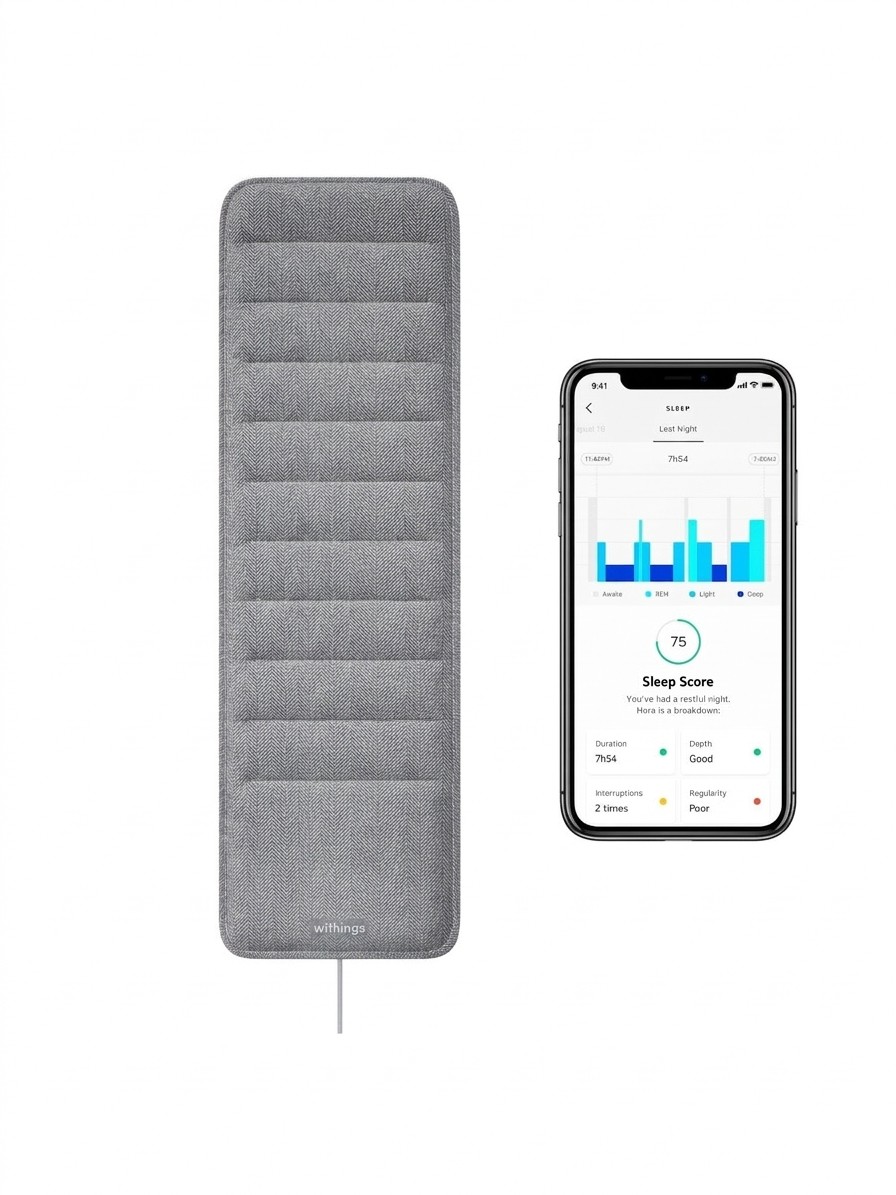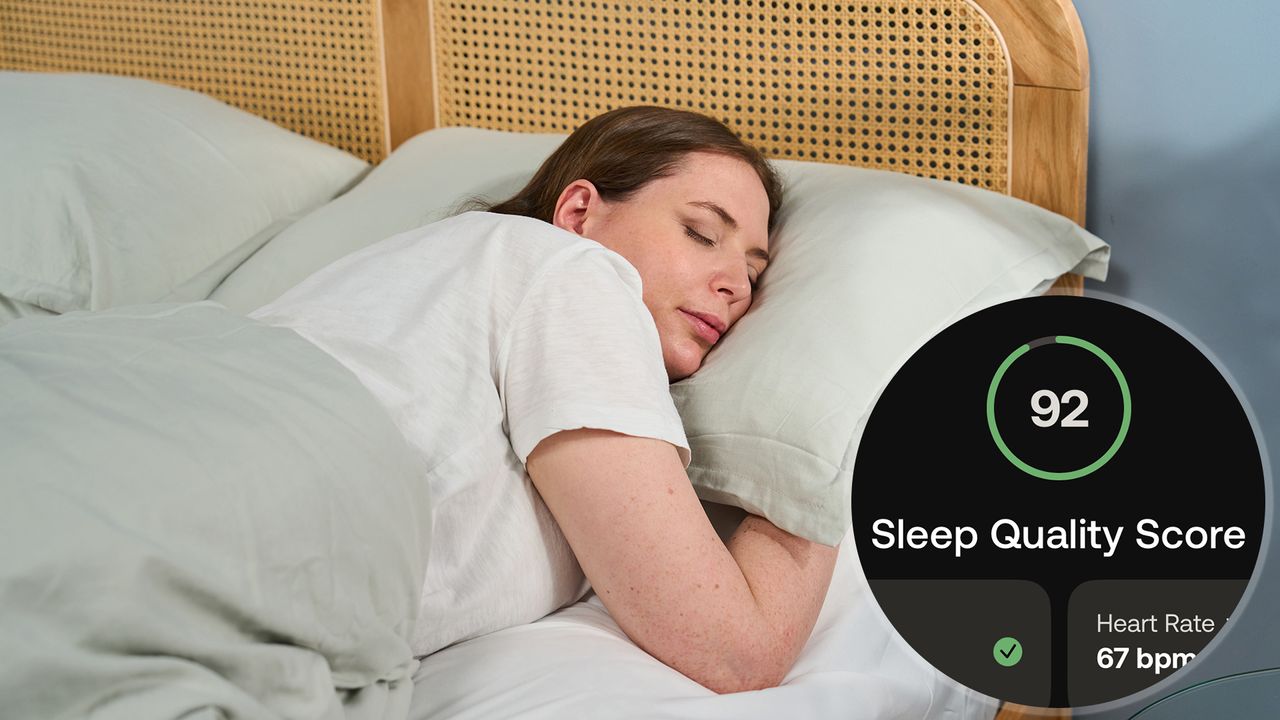
I was a sleep tracker skeptic until I got my Withings Sleep Analyzer and now I check my metrics every morning. For a long time my sleep score has hovered around the low-70s, but recently I noticed my sleep score tracking upwards. The other day, I finally cracked 90. And it's all thanks to the 7:1 sleep method.
This simple rule, backed by a huge new study, prioritizes consistency over hacks and it's given my sleep the boost it needs. The best sleep trackers take in a range of metrics before giving your final score and with the 7:1 sleep rule, I'm pleasing all those data points.
It's not just my sleep tracker that's noticing the results. I'm experiencing fewer 3 a.m. wake ups, I'm getting up before my alarm and I feel fresher during the day. Here's why the 7:1 sleep rule is the sleep hack you (and your sleep tracker) will love — and how to follow it yourself.
Key takeaways
- The 7:1 sleep rule encourages you to get seven hours sleep a night, falling asleep within a consistent one hour time frame, and doing so at least five nights a week.
- This consistent sleep schedule helps regulate your circadian rhythms, so you fall asleep faster, experience less late night wake ups, and wake up fresher.
- If you're tracking your sleep , following the 7:1 rule can boost your metrics to achieve a higher sleep score.
What is the 7:1 sleep rule?
The 7:1 sleep rule was coined following a white paper created by Vitality and The London School of Economics, which found those who followed simple sleep hygiene rules could potentially increase their lifespan by four years.
The rule has several key principals: at least seven hours sleep a night, falling asleep within a consistent one hour time frame, five nights a week.
While many think of 'eight hours' as the gold-standard for good sleep, after analyzing the data of over 100,000 individuals the researchers found the time you go to bed has as big an impact on your health and wellbeing as clocking up enough hours.
"Our bodies run on an internal 24-hour clock known as the circadian rhythm," explains Dr. Betsy Greenleaf, health and longevity expert at International Pause Institute. "Think of it as your master body clock that regulates everything from hormone production and metabolism to immune function, body temperature, digestion and brain performance."
"Many people focus on getting a certain number of hours of sleep, but the timing of that sleep could be just as important," she says.
How the 7:1 sleep rule is boosting my sleep scores
I started using the 7:1 sleep rule almost by accident when my bedtimes happened to align across a week.
I stuck with the 7:1 sleep rule when I noticed I was sleeping better — and my sleep scores had skyrocketed. And not just my overall sleep score; on the whole my metrics had a boost.
"Sleep consistency is one of the most overlooked tools we have for improving our total health," explains Dr. Greenleaf.
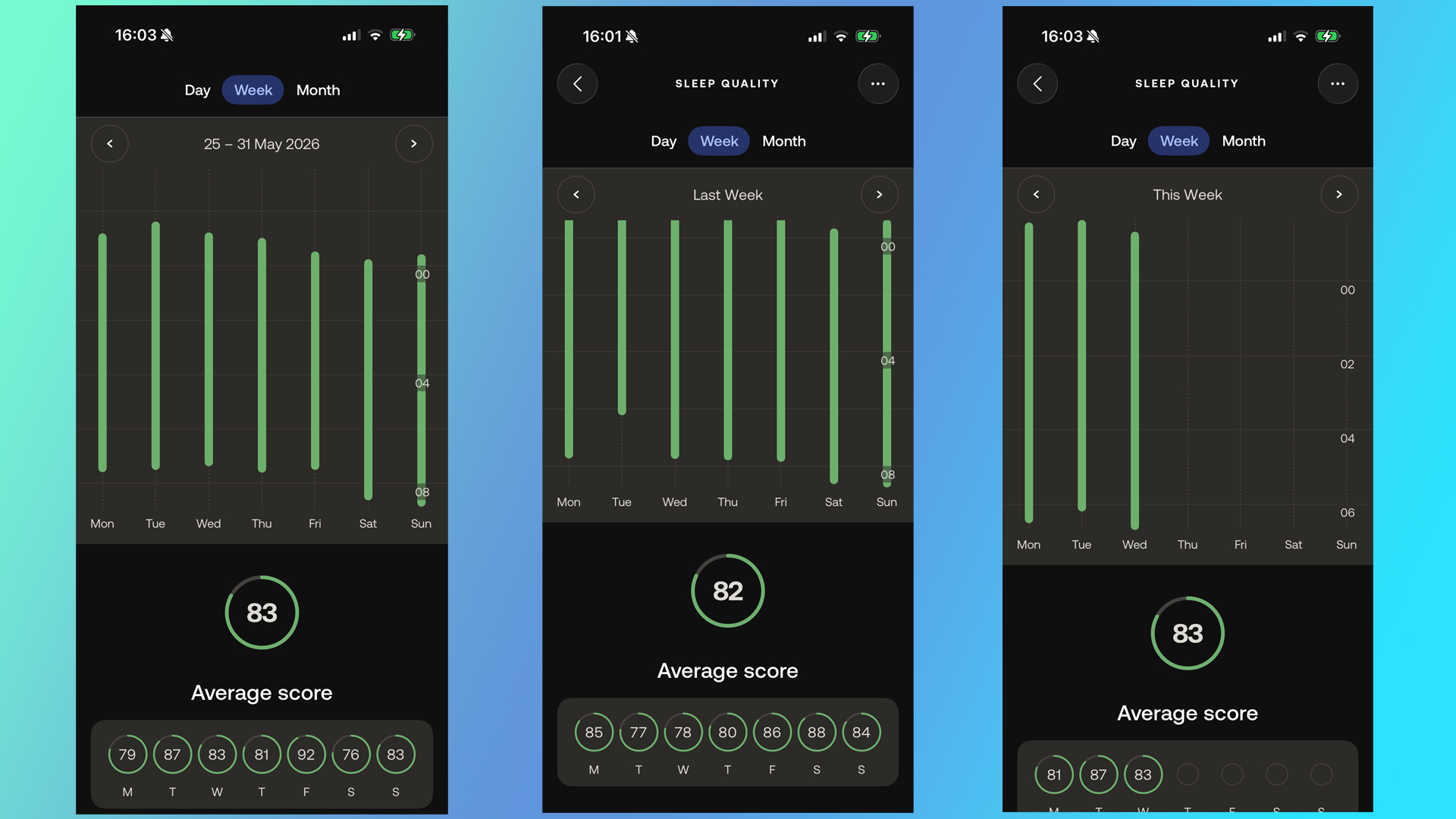
"Sleep consistency has huge downstream effects from a hormonal standpoint," she says, noting that your sleep schedule impacts stress, blood sugar, and even the growth hormones necessary for repairing tissue.
Here are the benefits of the 7:1 sleep rule my sleep tracker has picked up on...
1. I'm falling asleep faster
Sleep latency is the time it takes you to drift off from the moment your head hits the pillow. A healthy sleep latency is around 10 to 20 minutes and the 7:1 sleep rule can help you achieve it by teaching your body the time to sleep.
"When your body knows when to expect sleep, it starts getting ready in advance," explains Dr. Greenleaf. "Melatonin [the sleepy hormone] is more predictable, cortisol [the awake hormone] rises properly in the morning, and falling asleep is easier and more efficient."
Sleep latency is something I've often struggled with but since following the 7:1 sleep rule, I'm falling asleep faster night after night. That's less time spent tossing and turning, more time spent in high quality sleep.
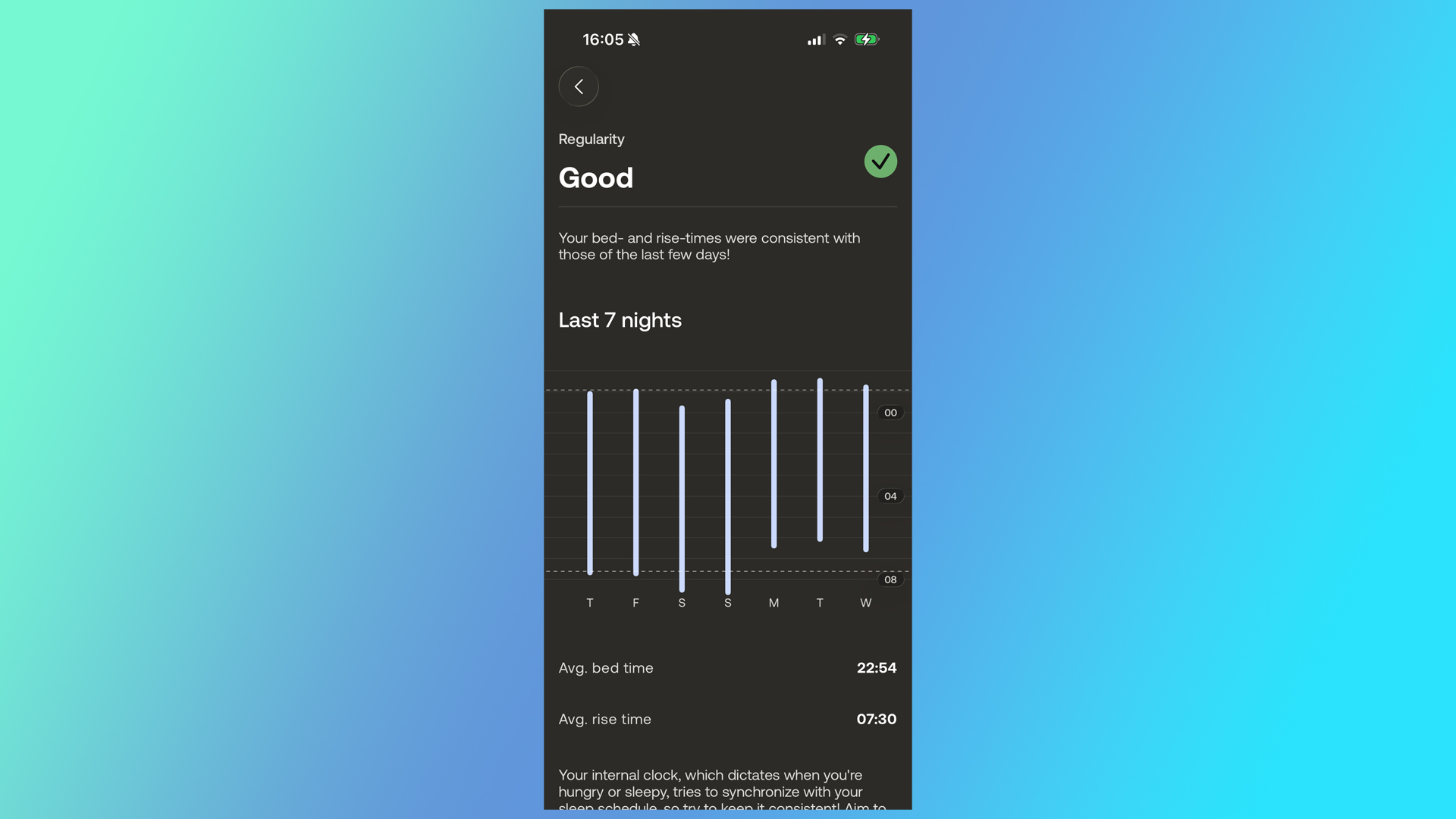
2. I'm waking up less at night
It's normal to wake up a few times during the night as you transition through cycles of light, deep and REM sleep. However, these fleeting disruptions can turn into longer 3 a.m. wake ups when your sleep schedule is irregular.
"One big advantage of a consistent sleep and wake schedule is that people tend to sleep more without even knowing it," explains Dr. Greenleaf. "Consistency will help you sleep better. Eight hours of broken bad sleep is not equal to eight hours of restorative sleep."
The 7:1 method regulates your circadian rhythms, which means your body and your hormones are all primed to sleep during the night. This helps you ease between the delicate sleep stages without waking you up.
3. I'm waking up fresher
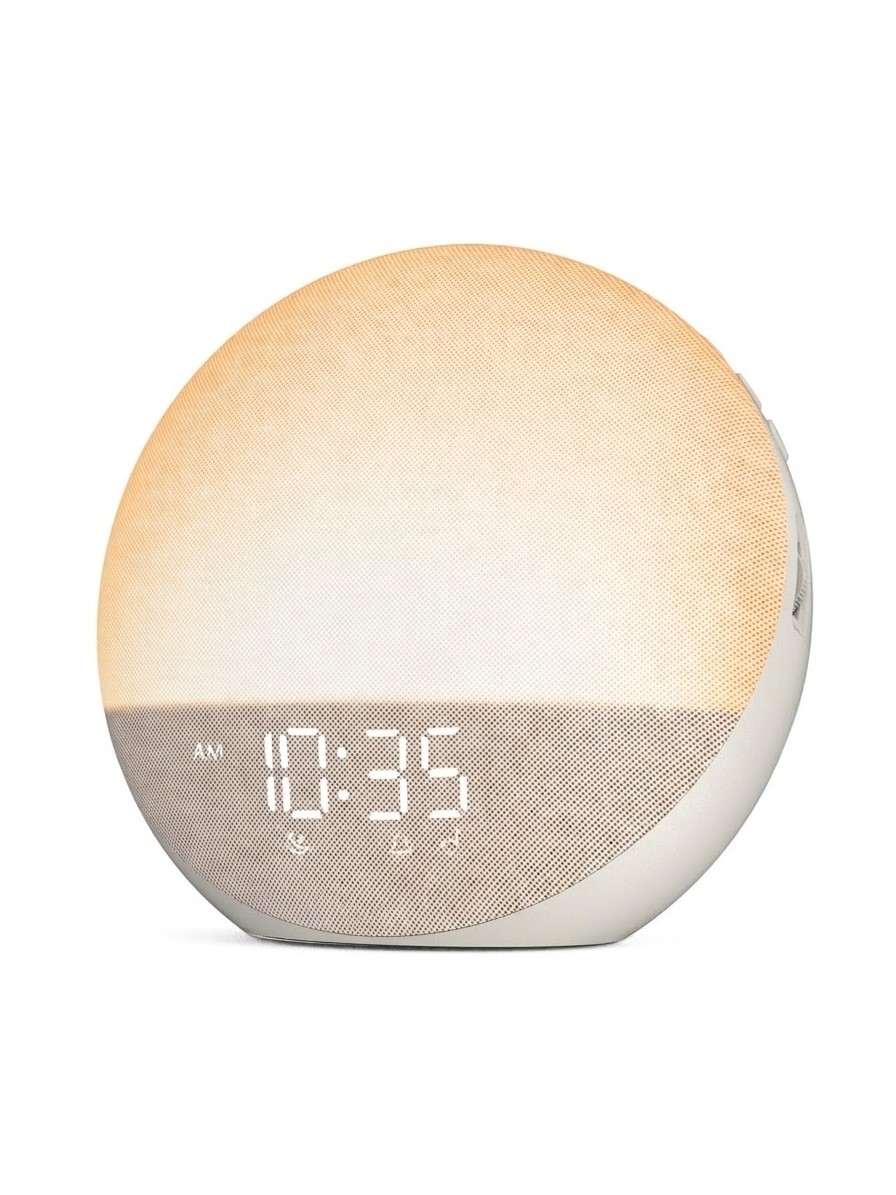
I used to consider my alarm to be enemy number one as it rudely interrupted my slumber. We're on better terms lately, because my regular sleep schedule means I'm ready to go by the time my alarm chimes.
Waking up is another part of the hormone cycle your circadian rhythm regulates. When you have a consist routine, your body will start releasing the chemicals it needs to feel alert during the early hours of the morning. Think of it like a cup of coffee in your sleep.
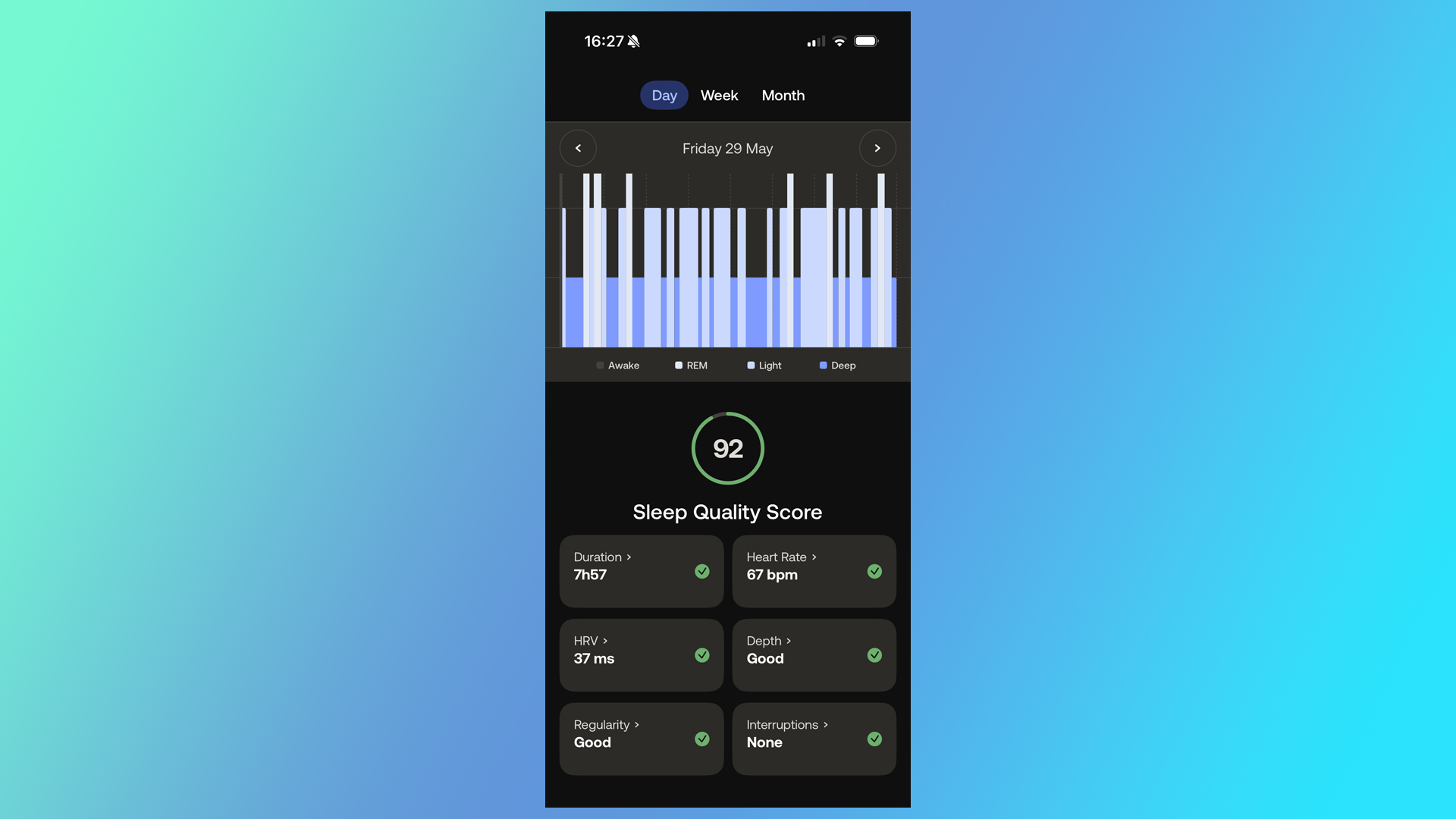
And because you've slept with fewer interruptions, you've not only cleared away the sleep pressure that builds up during the day, you've also enjoyed the vital restoration of deep sleep.
"We often think of sleep as something that happens at night, but the truth is that good sleep starts the moment we wake up each morning and is built from the habits we repeat every day," says Dr. Greenleaf.
More ways to boost your sleep score
Your sleep score isn't the be all and end all of sleep but it's a good way to determine the quality of your rest and find areas for improvement. And it's nice to see your score tick up — who doesn't like getting a good grade in sleep?
Alongside the 7:1 sleep method, here are some other hacks you can use to boost your sleep:
- Keep to a set wake up time (even on weekends): A regular wake up time reinforces your body clock and can help you keep to the 7:1 sleep rule (waking up at the same time, gets you tired at the same time.)
- Get sunlight in the first hour after waking up : Sunlight tells your circadian rhythm it's time to be awake, so try drinking your coffee outside.
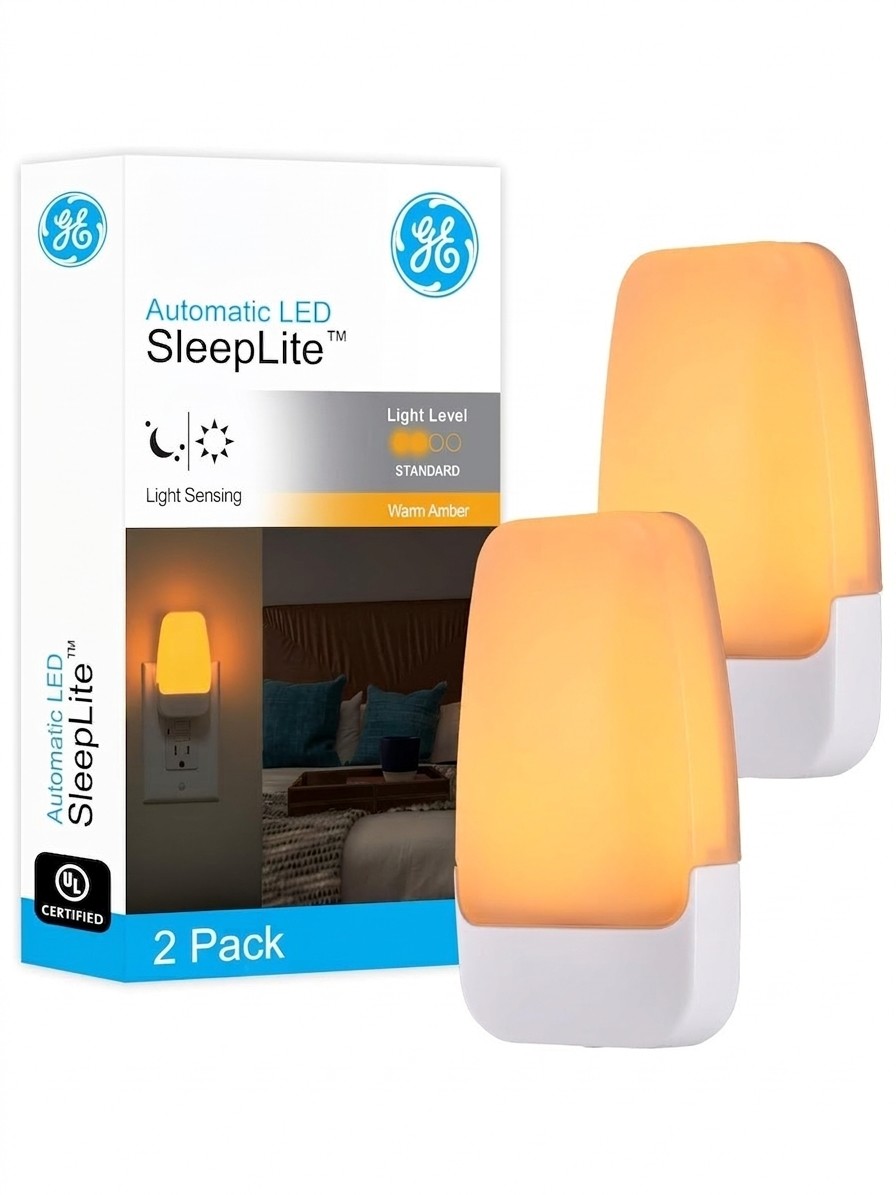
- Lower the lights before bed : Bright white lights remind your body of daytime, so opt for dim amber bulbs in the evening.
- Stop drinking coffee in the afternoon: Caffeine has a half life of around five hours, which means your 3 p.m. latte can still be in your system at bedtime.
- Stay active: Exercise creates adenosine, the hormone responsible for sleep pressure, so keeping active makes it easier to fall asleep (and bonus, it'll please your fitness tracker as well.)
Our favorite sleep tech