In many parts of the world, tipping is a nice bonus for great service. In the U.S., it’s how servers make a living. Skipping the tip, or even leaving just a small one, can feel like an insult.
That’s why a waitress on TikTok recently spoke out after serving a $250 bill and receiving barely anything in return. She explained that while she’s thankful for whatever she gets, she still believes a 20% tip is fair.
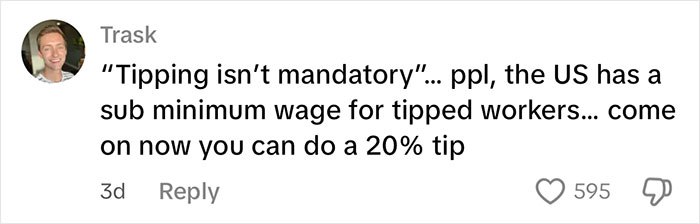
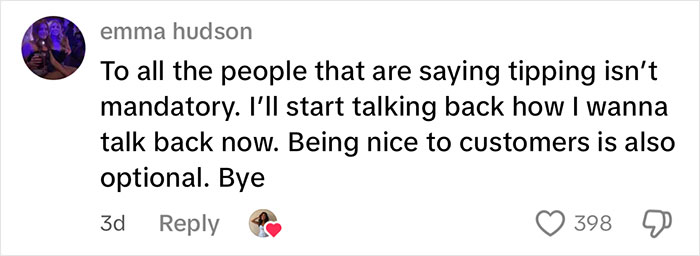
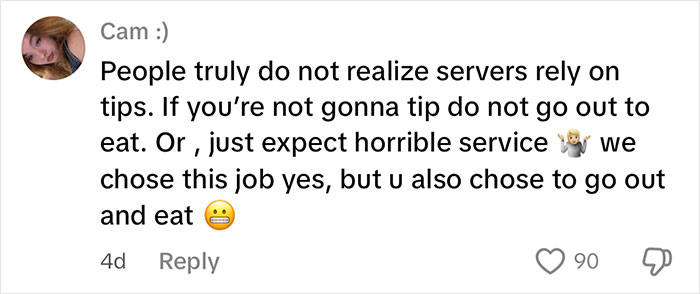
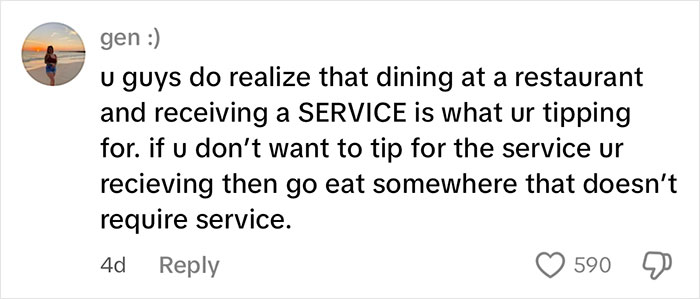
Her post quickly went viral, sparking a wave of mixed reactions. Some called her expectations unreasonable. Others argued that if you can’t afford to tip, you shouldn’t be eating out in the first place.
Read her story below and tell us where you stand.
A waitress recently spoke out about receiving a small tip on a $250 bill, saying she would’ve preferred 20%

Image credits: andjjj.7
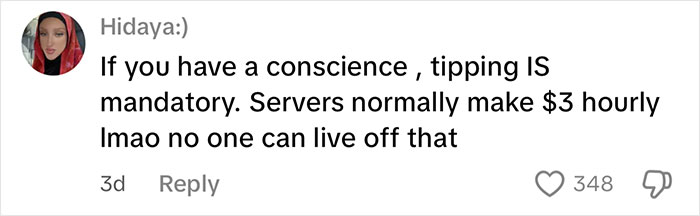
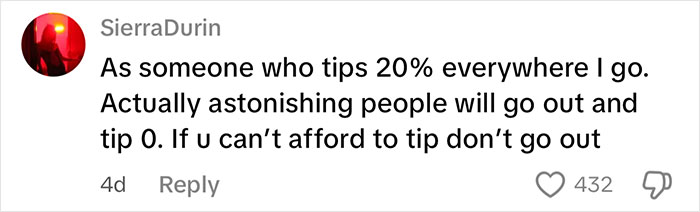
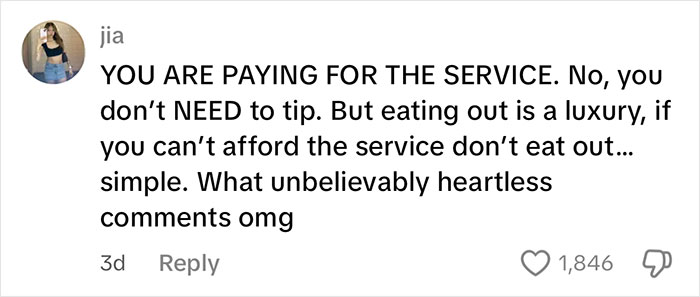
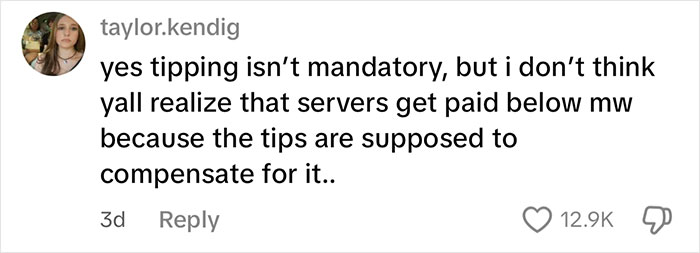
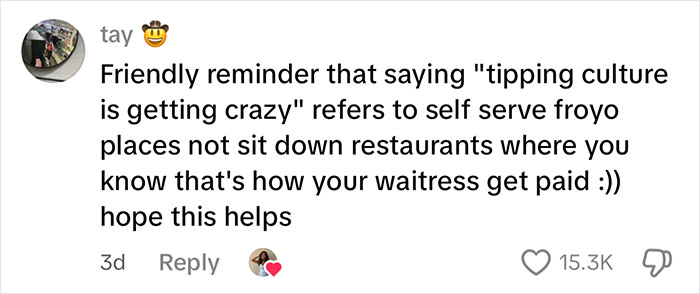
The internet had very different opinions about it

Image credits: andjjj.7
Watch the full video below
@andjjj.7their bill was $250. tipping culture may have gotten out of hand but I didn’t know we’re normalizing no tips.♬ original sound – andjjj.7

Image credits: Lala Azizli / Unsplash (not the actual photo)
The great tipping debate isn’t going anywhere (for now)
To tip or not to tip, that is the question. And in the U.S., it’s a particularly heated one.
The reason for that lies in a very specific system.
In many states across the U.S., workers who earn tips can legally be paid as little as $2.13 an hour. The law requires that, with tips included, their total earnings must reach at least $7.25 per hour and over $30 in tips monthly. If those minimums aren’t met, employers are supposed to make up the difference.
Some states have stricter standards. Places like California, Nevada, Alaska, Minnesota, and Washington require that tipped employees receive the full state minimum wage before tips are counted.
Still, the larger debate remains: everything is already so expensive. Dining out, once a casual treat, is starting to feel like a luxury. And on top of the rising food prices, customers are now expected to leave a 20% tip, just for basic service, not necessarily exceptional care. It adds up quickly.
On the other hand, people working in tipped roles still need to make a living. It’s understandable that servers are anxious about low tips, especially when they depend on them for survival. Those who care about the well-being of service workers will often argue that tipping is a necessary part of keeping the system afloat.
A major criticism, though, is simple: why aren’t servers just paid a proper wage in the first place? But then the counterargument emerges: if wages go up, won’t menu prices go up too? And round and round the debate goes.
Yet many countries have already figured out systems where tipping is minimal—or not expected at all. In fact, in some places, offering a tip can even be seen as rude.
So what’s the golden middle here? Should we all tip high, tip low, or scrap tipping altogether? What kind of system actually works?
To get some perspective, Bored Panda spoke with Humbat Mamedov, a waiter at Street Pizza, one of the top 50 pizzerias in Europe.
“Leaving a tip is great because in many places, it’s the only income a waiter gets,” Humbat agrees. “Of course, it’s up to each person to decide whether to leave one or not.”
As a server, he’s noticed that tipping doesn’t always come down to the quality of service. It often depends on a person’s background, culture, or simply their mood.
“Some people will tip out of habit no matter what. And then sometimes you go above and beyond: chat with the guest, suggest a great wine, really take care of them… and still, they leave nothing. It just happens,” he says.
“For example, people from Scandinavia often don’t tip because it’s considered bad form there. In Finland, servers are paid hourly or have a set wage, so when I see Finnish guests, I already know they probably won’t leave a tip. Same with Swedes and Norwegians,” he adds.
Still, Humbat believes the ideal standard for a tip is around 10%. “But if you’re feeling generous, more is always welcome,” he says.
“If your experience at a place wasn’t the best, you’re absolutely within your rights not to leave a tip—that’s totally fine. Leaving a review is fine too, as long as it’s detailed, calm, and avoids exaggeration. Basically, constructive feedback,” he adds.
In the end, tipping is a personal choice. But when done with thought, it can go a long way in supporting the people behind your dining experience.
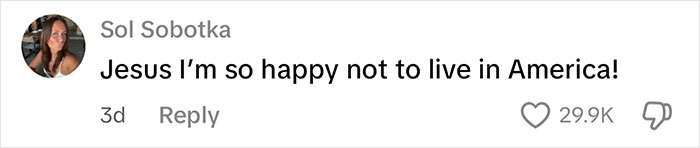
Some readers were vocal in saying that tipping culture is out of hand

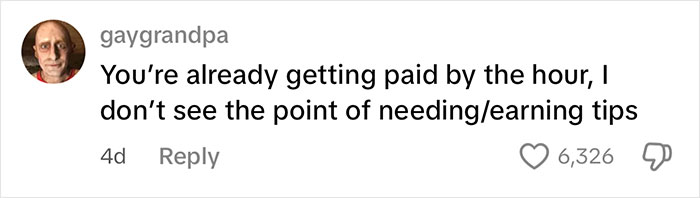

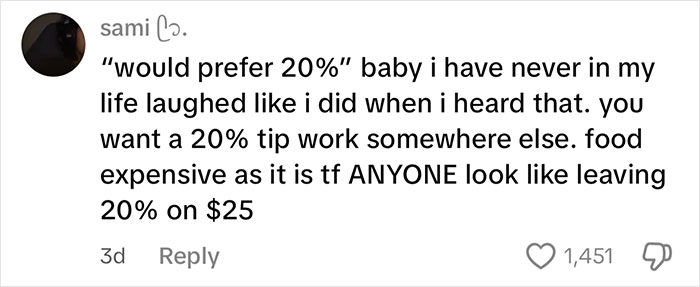
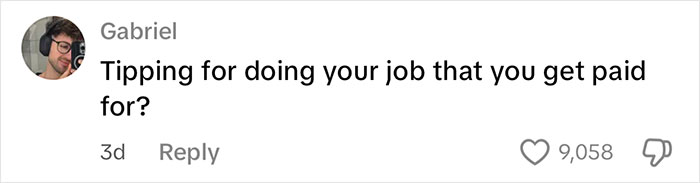
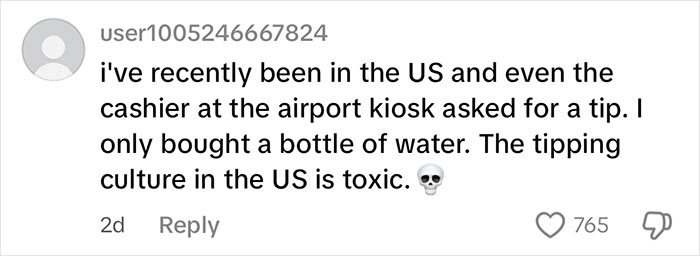
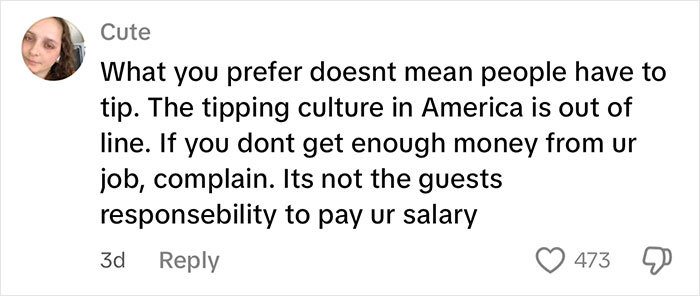

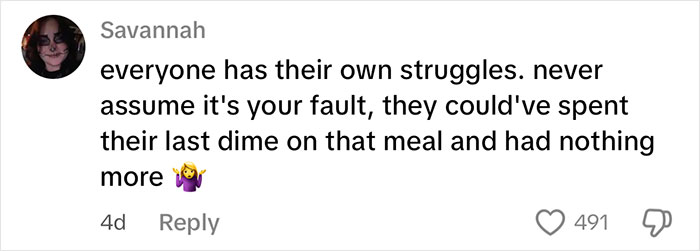
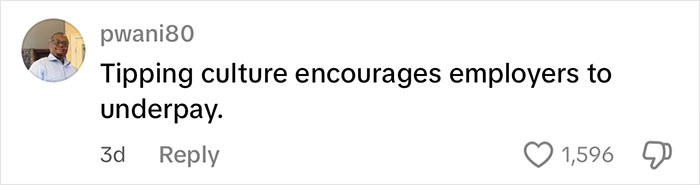
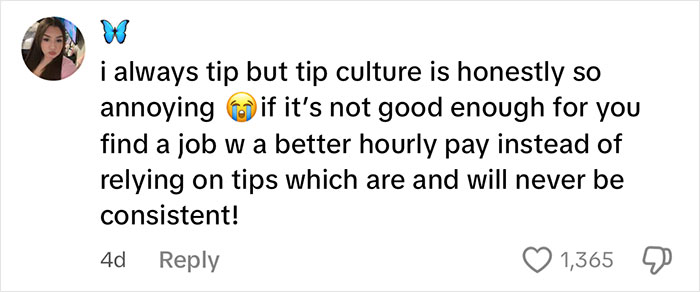

While others argued it’s how servers make a living and should be respected