Volunteers step forward: Belgian scientists look for poo donors
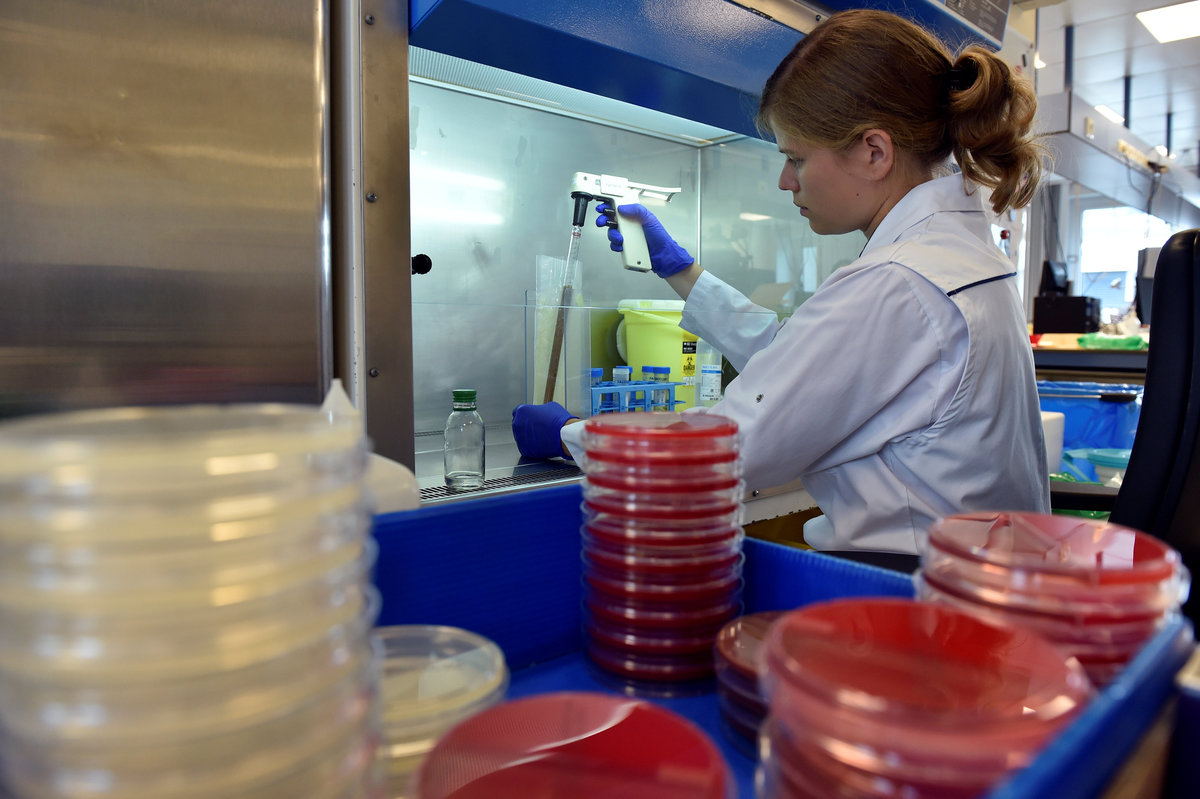
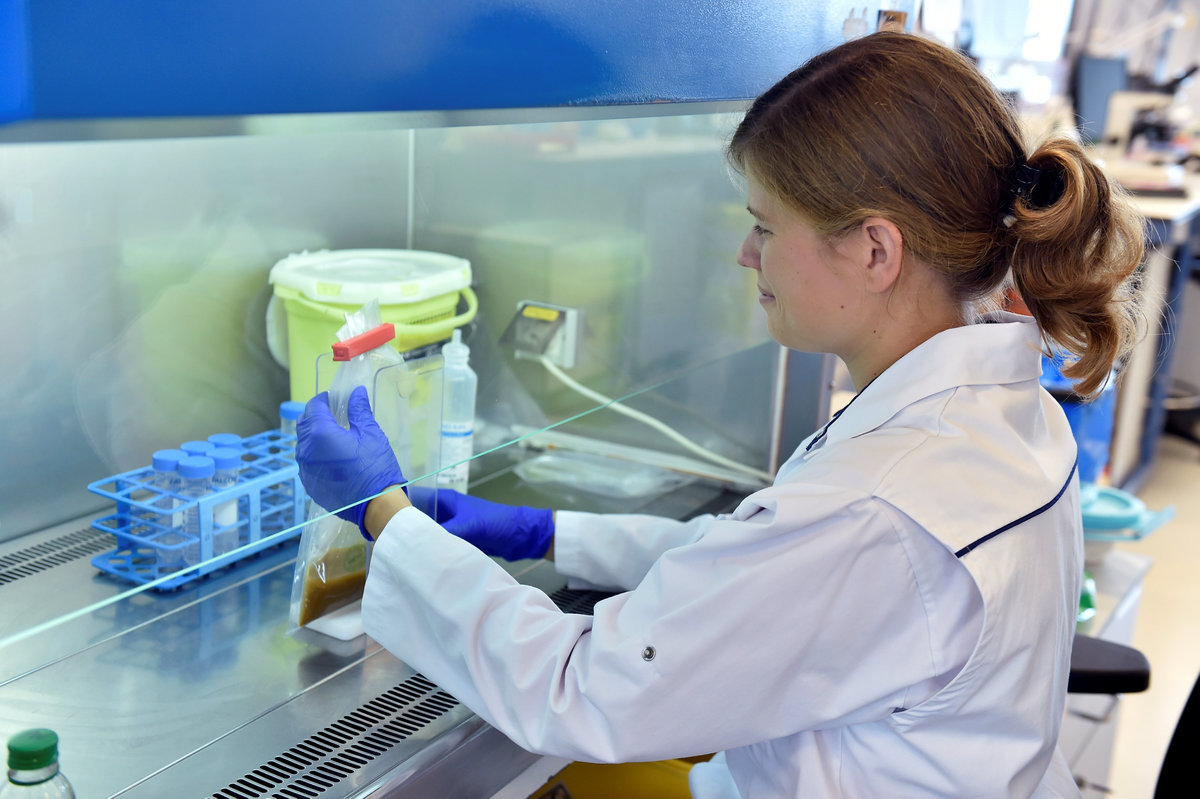
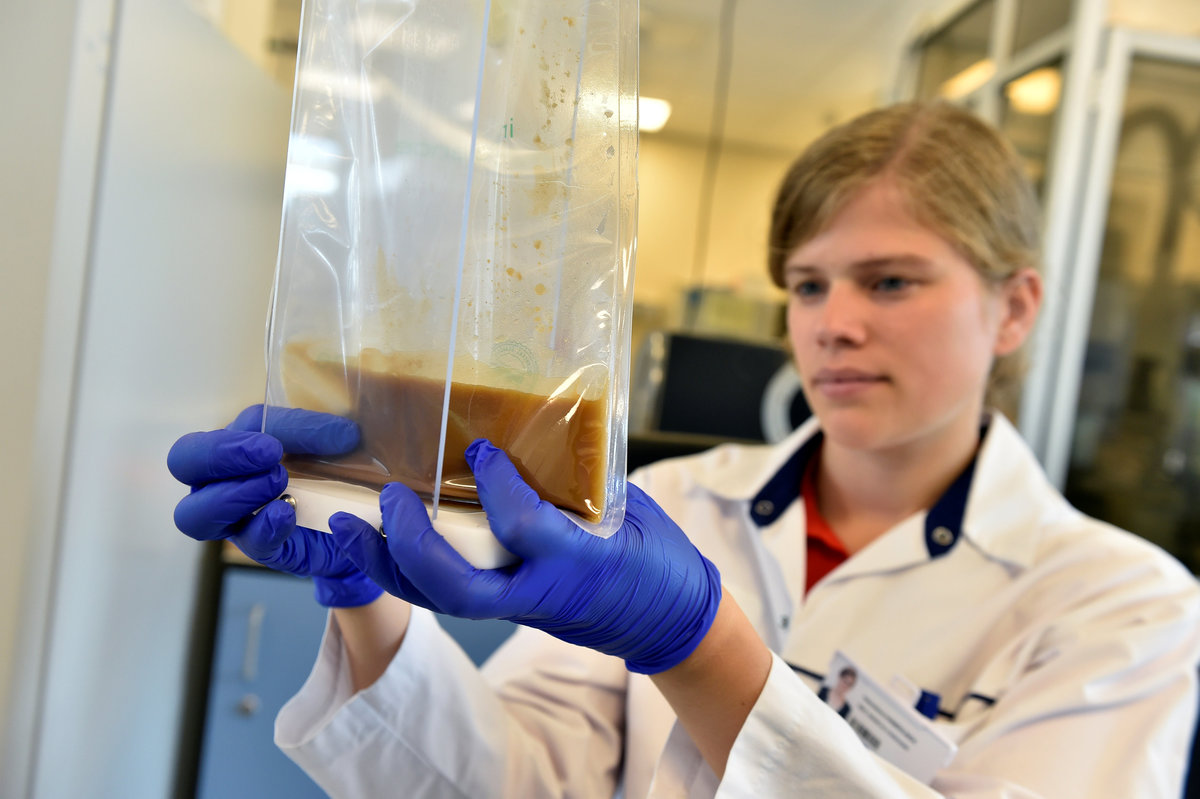
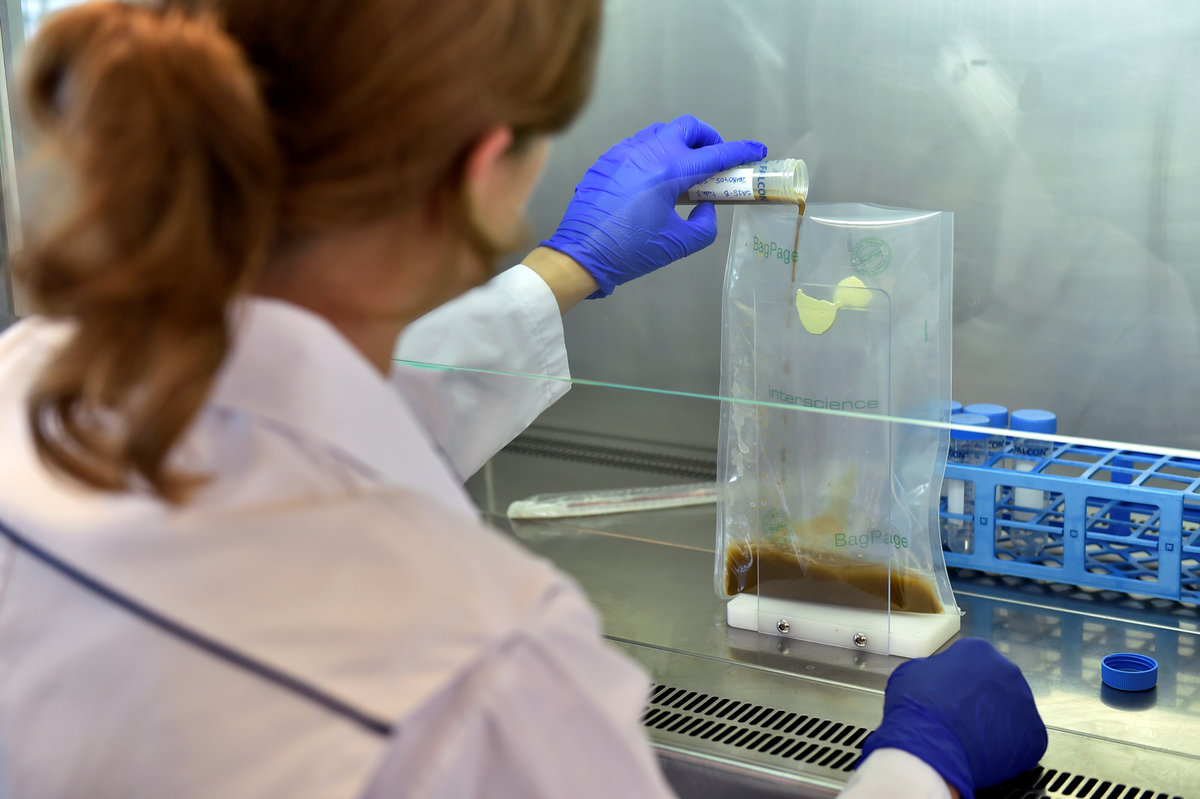
A scientist manipulates a bag that contains faeces in a laboratory at the University of Ghent, Belgium August 23, 2018. The donated faeces will be used to improve the bowel movements of sick patients. Picture taken August 23, 2018. REUTERS/Eric Vidal
GHENT, Belgium (Reuters) - Belgian scientists are looking for people to donate their faeces to help with research into illnesses ranging from bowel disorders and allergies to neurological diseases.
At Ghent University hospital, researchers are performing fecal microbiota transplants on patients. They extract good microbiota, tiny organisms living in the colon, from donors to transfer it to sick patients in hope of repopulating their guts.
A Scientist manipulates a bag that contains faeces in a laboratory at the University of Ghent, Belgium August 23, 2018. The donated faeces will be used to improve the bowel movements of sick patients. Picture taken August 23, 2018. REUTERS/Eric Vidal
"How do we find donors? That's not so easy. People do not always want to donate their faeces. It is also hard to talk about, but we started this campaign in the press here in Flanders," said biomedical researcher Hannelore Hamerlinck.
Beyond bowel disorders, faeces may prove to be an asset in finding remedies for many other diseases, scientists say.
Over the past decade, a growing number of studies have suggested an association between disruptions in gut microbiota and illness, including allergies and cancer.
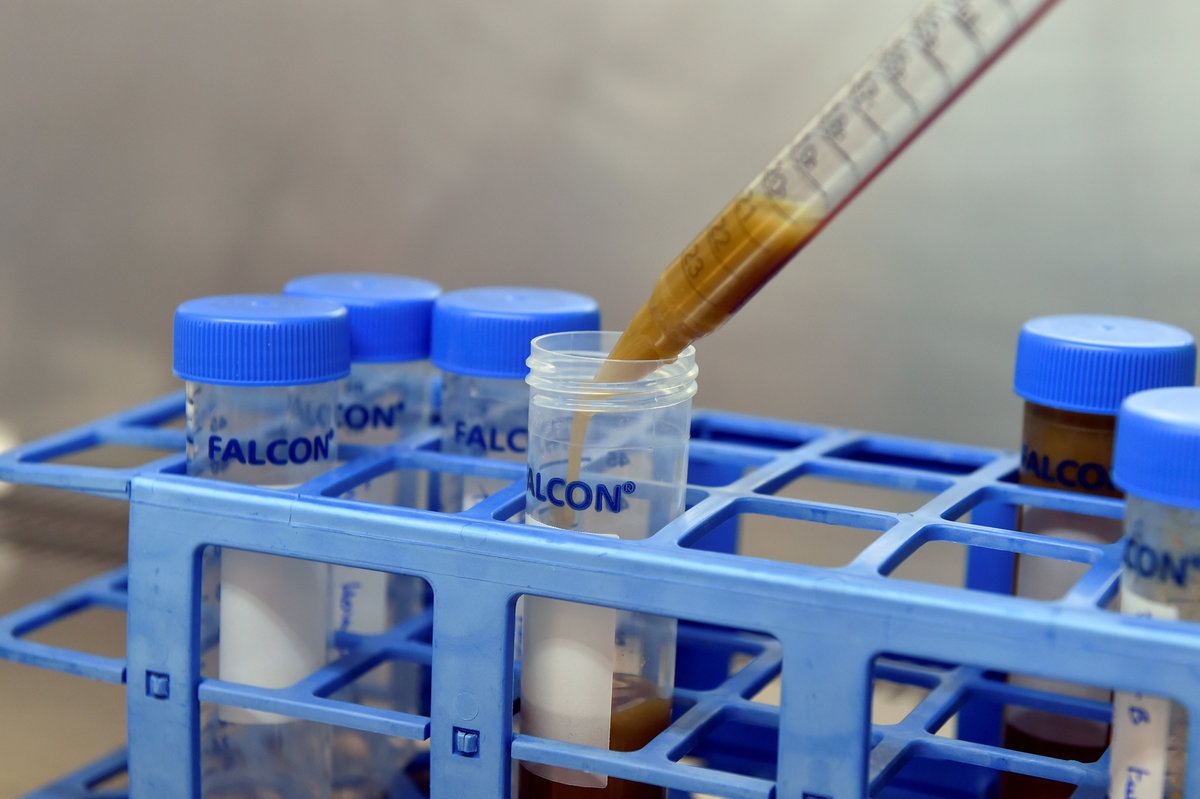
A scientist pours faeces from a pipette into a vial in a laboratory at the University of Ghent, Belgium August 23, 2018. The donated faeces will be used to improve the bowel movements of sick patients. Picture taken August 23, 2018. REUTERS/Eric Vidal
"Microbes are at the center of the system. The bacteria in the gut produce hormones that will affect the brain. They also help us to clear out the bad ones and digest certain things," Hamerlinck said.
Donors must be in good health to participate in the research. They first have to fill out an extensive questionnaire and must be tested over a three month period before becoming eligible to donate.
Often people come forward as donors when a loved one has struggled with bowel diseases, said Hamerlinck.
A scientist manipulates a bag that contains faeces in a laboratory at the University of Ghent, Belgium August 23, 2018. The donated faeces will be used to improve the bowel movements of sick patients. Picture taken August 23, 2018. REUTERS/Eric Vidal
(Reporting by Julia Echikson; Editing by Ros Russell)
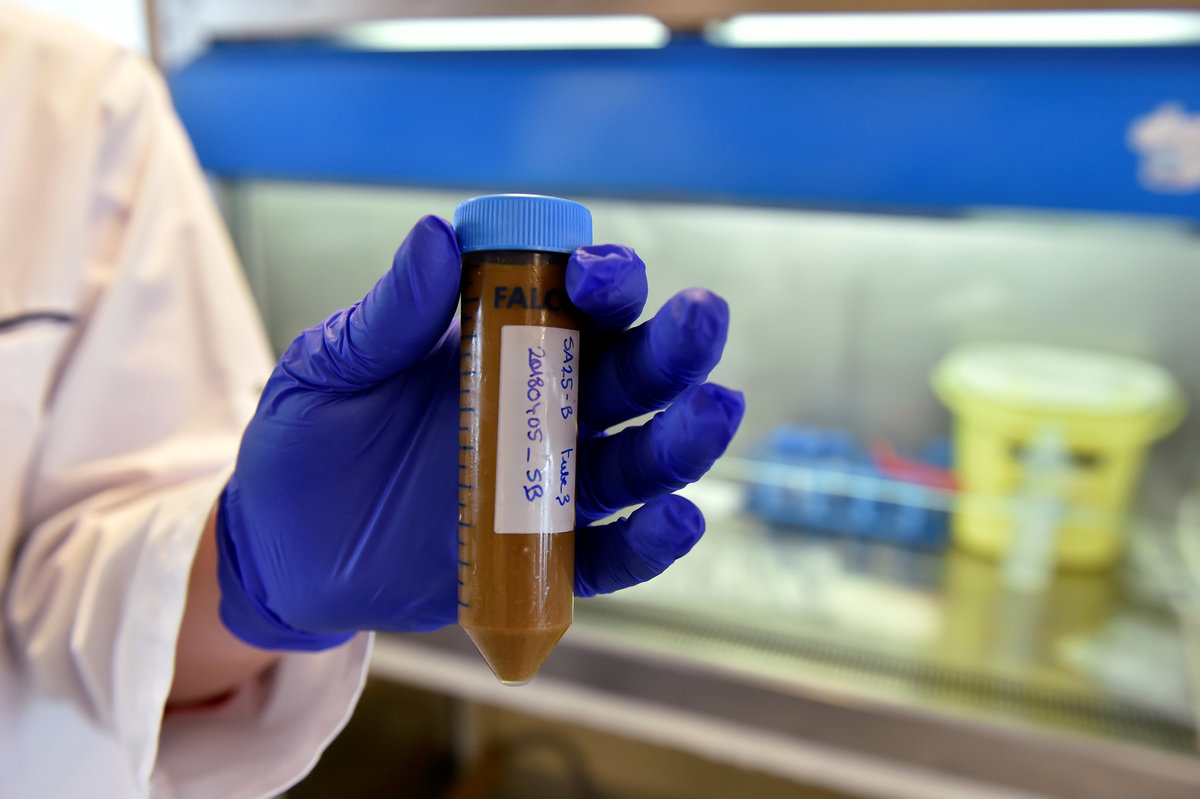
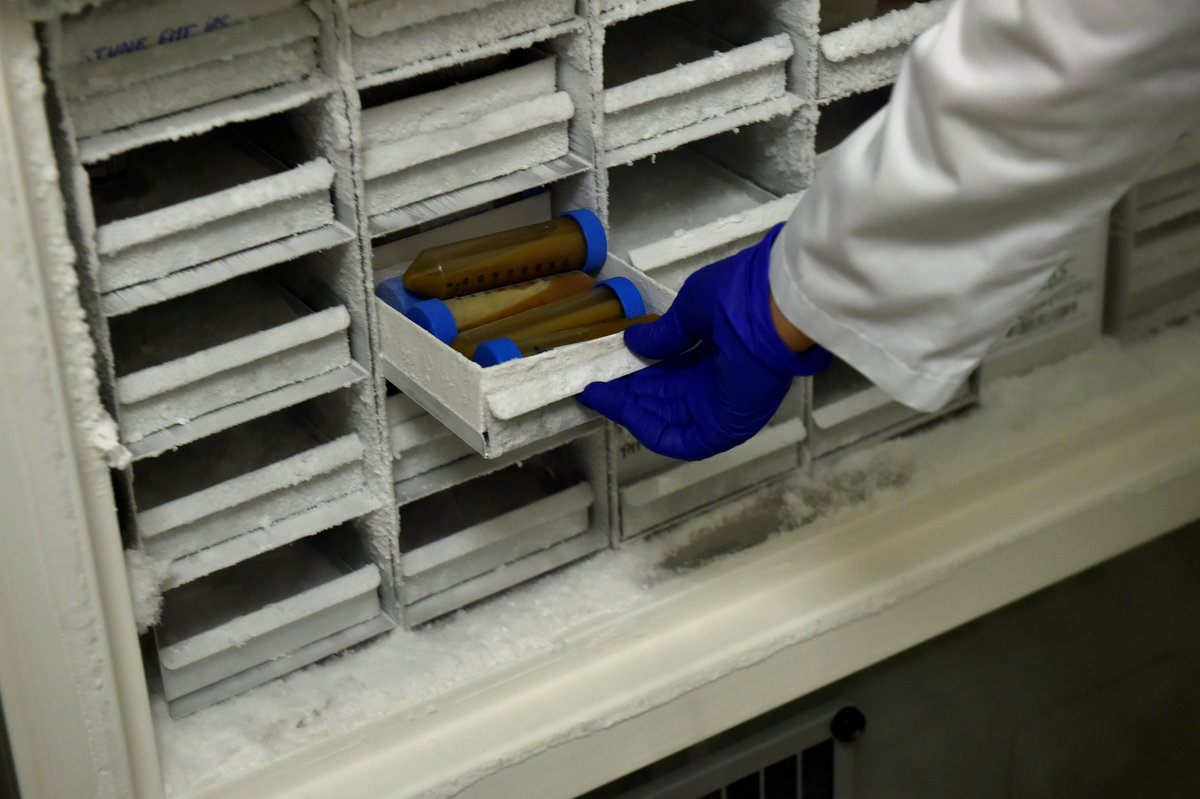
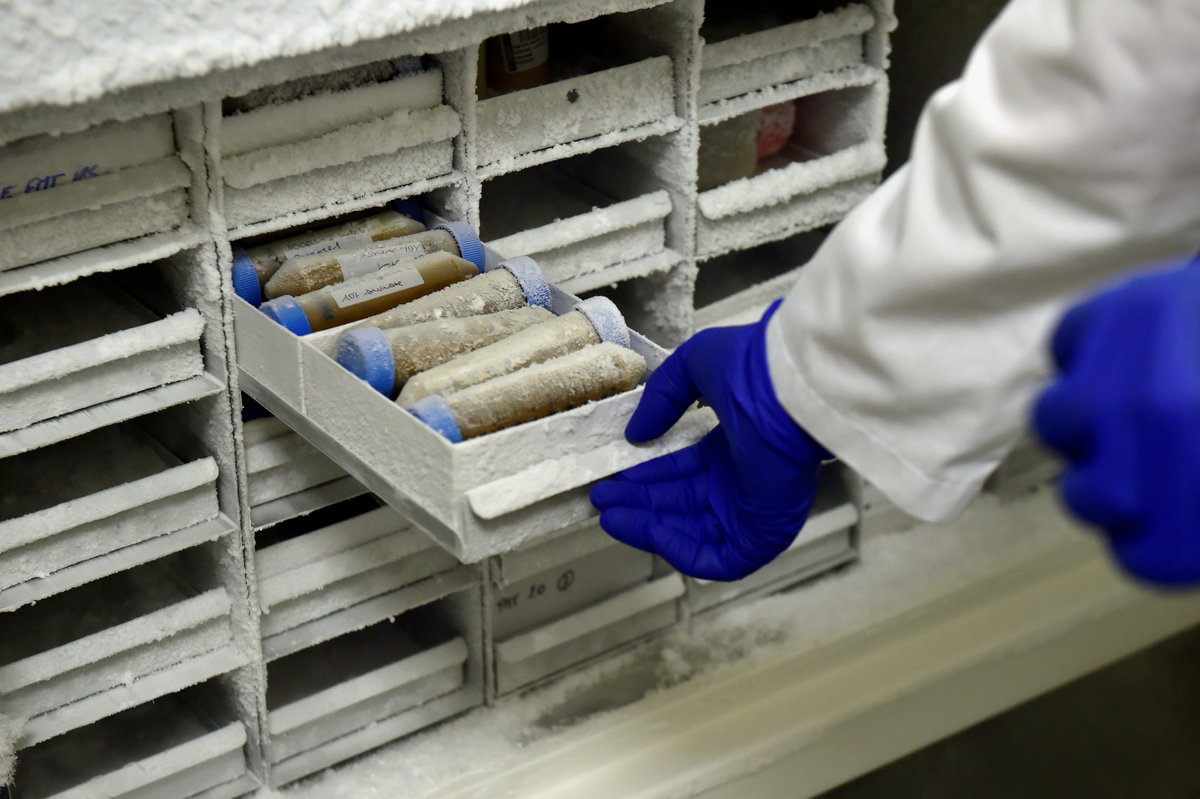
A scientist holds a vial that contains faeces in a laboratory at the University of Ghent, Belgium August 23, 2018. The donated faeces will be used to improve the bowel movements of sick patients. Picture taken August 23, 2018. REUTERS/Eric VidalA scientist pours faeces from a vial into a bag in a laboratory at the University of Ghent, Belgium August 23, 2018. The donated faeces will be used to improve the bowel movements of sick patients. Picture taken August 23, 2018. REUTERS/Eric VidalVials that contain faeces are set in a deep freezer in a laboratory at the University of Ghent, Belgium August 23, 2018. The donated faeces will be used to improve the bowel movements of sick patients. Picture taken August 23, 2018. REUTERS/Eric VidalFrozen vials that contain faeces are set in a deep freezer in a laboratory at the University of Ghent, Belgium August 23, 2018. Picture taken August 23, 2018. The donated faeces will be used to improve the bowel movements of sick patients. REUTERS/Eric Vidal
Sign up to read this article
Read news from 100’s of titles, curated specifically for you.