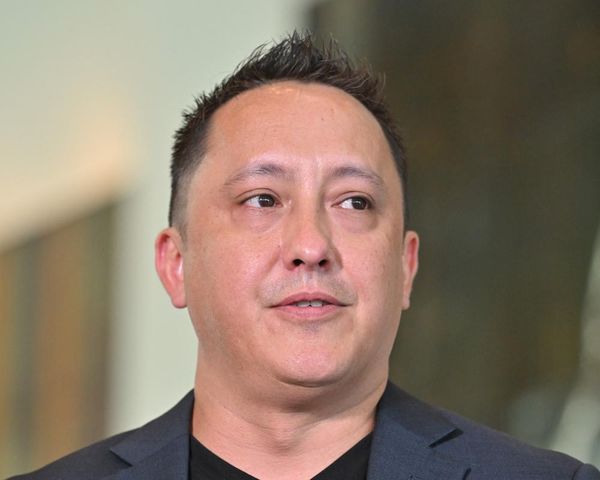
GP Scott Blackwell, the chair of West Australia's voluntary assisted dying (VAD) implementation leadership team, believes only a tiny proportion of people facing terminal diagnosis will choose to end their lives when it becomes legal in the state on July 1.
Speaking at an ABC Radio Perth Forum, Dr Blackwell said voluntary assisted dying would "be a choice for maybe 1 or 2 per cent of people."
To be eligible, a person must be suffering from a medical condition that is advanced, progressive and is expected to cause death within six months, or within 12 months in the case of a neurodegenerative disease.
A patient must make three requests for a voluntary assisted death and two specialist doctors must independently assess the patient's eligibility.
"And I think one of the strong points of this legislation is really that it actually puts the assessment of the suffering in the person's hands, not in our hands as people looking on."
Dr Blackwell said the experience in Victoria, which legalised voluntary euthanasia in June 2019, showed a significant number of people just wanted the option of choice, but did not follow through.
"Looking at the Victorian figures, the number of people who've made that first request through to actually having a prescription written, there is a 25 per cent drop off in that time," he said.
"Of those who are given a prescription, there are 25 per cent who never take it.
"So, they've had it there to feel confident that if the going got tough, they've got something to fall back on.
'Massive job' to prepare for VAD
Dr Blackwell said that in the 18 months since the WA Parliament voted to allow VAD, a thorough process had been developed and about 50 GPs had completed the training necessary to offer the consultation and prescriptions to patients.
"The important starting point for voluntary assisted dying is that the patient makes a first request," he said.
"And within the legislation, the first request can only be made to a registered medical practitioner within a consultation.
"It's been a massive job, but we're there, we're ready."
Belinda Teh, who led the campaign for VAD in WA after watching her mother die of cancer in 2016, said she was encouraged by the change.
"There was a tumour growing in her back that fractured her spine into pieces and she was in unspeakable pain," she said.
Ms Teh's mother asked her doctor for assistance to die, but was told it was not a legal option.
"That's why I care about this. My mum's not around anymore, but I don't want this to happen to someone else's mum, if we can help."
VAD not for dementia patients
While some have criticised the legislation for making VAD inaccessible to people with dementia, Dr Blackwell said appropriate care was available.
Dr Blackwell added that for most people, VAD would not be an option they would have cause to consider.
"For 60 per cent of people there is little pain and suffering at the end of life," he said.
"And I think we should be clear about that."