Dear Vix,
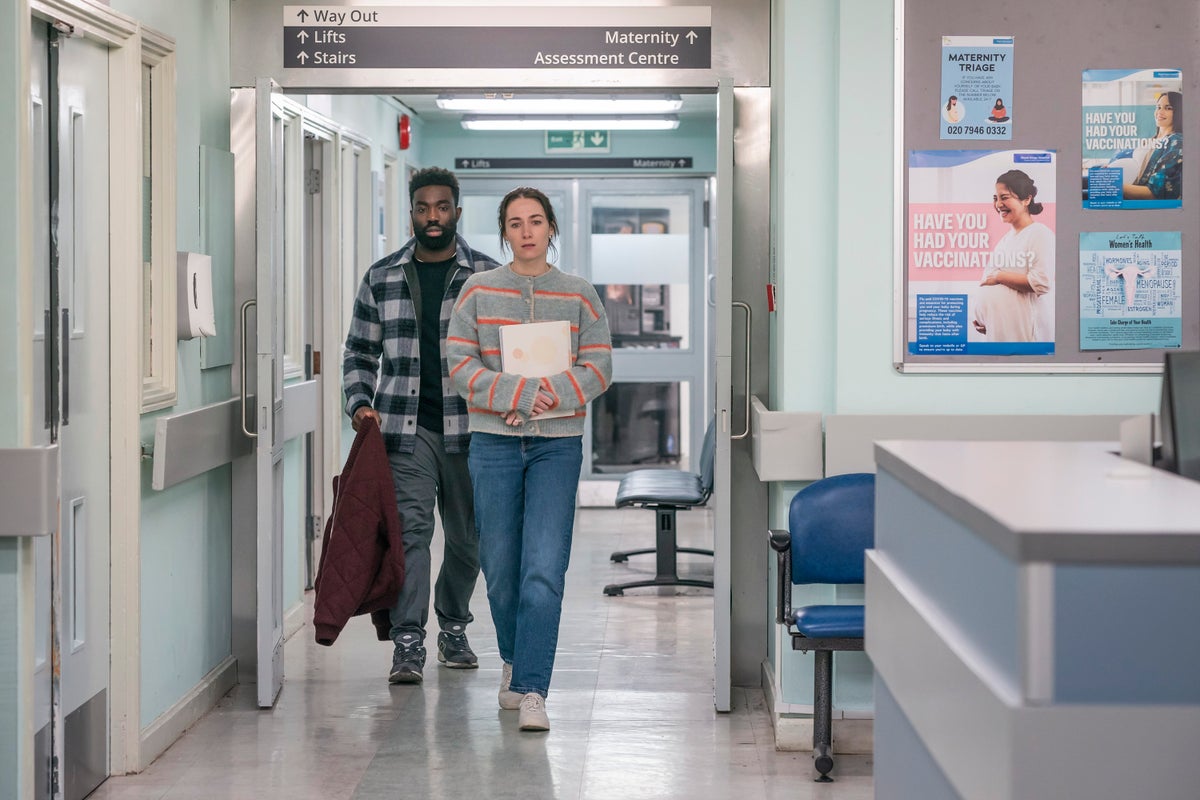
When the new BBC TV series ‘Babies’ was announced, I felt something unexpected: relief. Finally, a show willing to look directly at pregnancy loss, something so often hidden or softened on screen.
But I won’t be watching it.
After the stillbirth of my daughter, I learnt that even the most ordinary TV – a family sitcom, a throwaway pregnancy storyline – could undo me. Fiction became unpredictable; comfort viewing became something I had to approach carefully, almost strategically.
I really struggle as a bereaved parent to navigate the media: it can be unbearable. I’ve realised that the stories we say we need aren’t always the ones we can consume. And that grief reshapes even the most everyday acts, like choosing what to watch on a Tuesday evening.
Do you have any tips to help me with this issue?
Grieving
Dear Grieving,
For an expert view on this impossibly difficult topic – for which my heart truly breaks for you – I turned to the author Jennifer Lane, who has written a new book called Underwing: A Story of Motherhood, Loss and Wild Intuition, on her experience of baby loss. So it is with lived experience and compassion that she writes to you in my place.
“What you’re describing is such a common experience amongst the large community of bereaved parents. The stories we most want to exist – to raise awareness and destigmatise loss – can be the ones we cannot bear to witness due to our own trauma. There is no contradiction in feeling grateful that Babies has been made and also knowing you won’t watch it.
“After loss, your nervous system is rewired. Grief doesn’t just live in your thoughts; it lives in your body. It can feel like the overarching storyline of our day, no matter how much we try to change that mental channel. It’s why a throwaway scene or a line of dialogue in a TV programme can feel intolerable. So, the first thing I want to say is this: you don’t need to push through it. You’re not failing at healing because you can’t consume certain stories. Intentionally choosing not to watch Babies at all is an act of self-preservation.
For more from Vix, sign up to her Independent Women newsletter – a weekly dose of smart, sharp and unflinching stories on the issues that matter most.
“It may help to think of your media choices as a form of self-care. Just as you are trying to be mindful of your food or how much you rest, you can be intentional about what you watch, read and consume in other ways. That might mean researching shows beforehand, asking friends to screen things for you, or sticking to familiar, known comfort programmes where nothing unexpected will surface. Baby loss charities, such as Tommy’s and Sands, are brilliant at highlighting new TV storylines that concern baby loss on their social media, so – if you feel able to – these could be worth keeping up with.
“You might also find it useful to create a kind of emotional buffer for yourself around viewing a programme that is likely to be triggering for you. In practice, this could look like watching a show in the daytime rather than at night, having someone with you on the sofa, or following a difficult watch with a grounding activity such as a stomp around your garden, a cup of tea or a few moments of quiet breathing with your forehead glued to the floor. In the absence of safe storylines, the natural world offers us something radically different from TV and film.
“In my autobiographical book on stillbirth and baby loss, I also talk about the importance of reconnecting with nature to find yourself again when your personal landscapes have been reshaped by grief.
“Watching birds, for example – a magpie on a fence, a blackbird rooting about below the hedges or a skylark singing out of sight – can serve as a distraction without asking us to feel anything in particular. The same can be true of stepping outside first thing in the morning to feel the sun on your face, or finding a favourite tree to visit on a daily basis. We don’t always need modern media to provide those feelgood distractions.
“Finally, don’t forget to check in with yourself from time to time on where you’re up to in your grief journey. There may come a time when you can watch Babies, or similar programmes, or there may not.
“Grief reshapes the ordinary, as you’ve found – even when it comes to something as simple as what to watch on TV. But you can choose to take in only what feels bearable wherever you are on your personal healing timeline. In a world that often pushes us to confront and consume everything, there is something deeply healing in saying: ‘Not today, thanks’.”
Jennifer Lane’s book – ‘Underwing: A Story of Motherhood, Loss and Wild Intuition’ – is available here
The Sands national helpline provides support for anyone affected by the death of a baby. You can call 0808 164 3332 free of charge, or email helpline@sands.org.uk
Do you have a problem you would like to raise anonymously with Dear Vix? Issues with love, relationships, family and work? Email dearvix@independent.co.uk
Dear Vix: Nice guys bore me – but ‘bad boys’ treat me terribly
The royal mission for peace and stability is far from complete
Bringing Angela Rayner back would be a disaster for the prime minister
Decoding the King’s speech – how Charles skilfully stood up to Donald Trump
Which oil nation will be next to follow UAE out of Opec?
This was the day that Charles emerged from Queen Elizabeth’s shadow