Last week the British Vogue editor of 25 years standing, Alexandra Shulman, held her leaving party, which means the new editor is now incoming and, astonishingly, it is not me. The high-ups at the magazine’s publisher, Condé Nast, decided to go with Edward Enninful, an internationally respected fashion editor-stylist with an OBE, as opposed to someone who makes jokes about skinny jeans for a living. Imagine how hard they must be kicking themselves right now.
This is one of those pieces of news that both matters and doesn’t. It doesn’t matter in the sense that, of course, the vast majority of people in this country do not read Vogue, let alone know who its editor is. But it also matters, because Vogue – above the hundreds of other fashion magazines out there – remains a cultural bellwether. No one would have taken the slightest notice of The Devil Wears Prada if it had been set in a fictionalised version of, say, Harper’s Bazaar, instead of Vogue. When Theresa May was interviewed by US Vogue, British newspapers reported the story with a mix of mockery (the PM talking fashion? Pah!) and craven awe, as if the ultimate Mean Girl had taken note of the heretofore ignored school nerd. It is the one magazine even those who could not care less about fashion have heard of: if Jeremy Corbyn were asked to cite a style magazine, he would, after adjusting his cords and gazing around his allotment, undoubtedly name Vogue.
Given that the magazine’s entire raison d’être is to report on the temporal world of trends, it is ironic how fixed its own world view has been for so long. The different international versions of Vogue are often said to reflect their respective countries, but really they reflect their editors’ take on those countries. Shulman – a fairly posh woman – presented a fairly posh view of Britain in her magazine, so it will be interesting to learn how Enninful – a black man who emigrated from Ghana to Britain as a child – sees it.
Meanwhile, Vogue may have declined to make me editor but such is my generosity of spirit I am willing to share my thoughts on how the magazine should change. Buckle up, Edward Enninful: we have an expert in the house.
First, I don’t care how expensive the clothes are and I genuinely do not understand why people get so angry about this. It’s a fashion magazine showing the work of the most elite designers, not a catalogue from which people are forced by law to make purchases. Do these people go around the National Gallery and say, “Tchuh, sure, the paintings are nice, but they really should break up these Da Vincis with a couple of Athena posters for us, the Real People”? (Yes, I just compared Vogue to the National Gallery. Deal with it.)
But I agree that fashion only matters if it reflects what people are actually feeling, thinking and, yes, wearing, and most people cannot afford to wear a £3,000 Stella McCartney jumpsuit. The most exciting designers – Nicolas Ghesquière, Riccardo Tisci and Marc Jacobs – get their best ideas from the trends people are coining on what is commonly referred to as “the streets”, and this is especially true in Britain. So instead of chucking in some token clothes from H&M and Zara as a sop to the aforementioned Real People, Vogue would feel more relevant if it captured those trends from the start, instead of waiting for a press release from Armani to tell them that biker boots are a Thing.
Second, rich people are not inherently interesting. I have no problem with Vogue presenting an aspirational world; to say it should do otherwise is like people saying the royal family needs to “modernise” – they’re not getting the point of the institution. But a kneejerk interest in rich people rarely works to Vogue’s benefit, as US Vogue’s glowing interviews with, say, Melania and Ivanka Trump and Asma al-Assad prove.
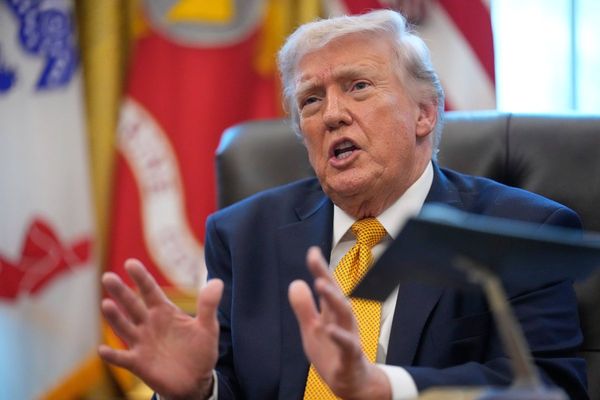
Finally, the models. Now, one thing you can say for sure about Enninful’s Vogue is it will be less white – he has been promoting models of colour his entire career. But they will almost certainly be as skinny as ever. I’ve written so much on this obviously insane subject before that I honestly feel I have run out of words. It’s like watching the Trump presidency: it’s so obviously wrong, and yet no one who can and should is willing to do anything about it.
But if anyone can, it’s Enninful. He has, more than almost anyone, challenged the fashion industry’s conservatism, championing difference since he was a teenage stylist. Chucking out this sick and tired convention would make British Vogue feel like a true representation of its country’s style. A lot more so, anyway, than simply rehashing another page of Kate Moss’s greatest fashion hits.