
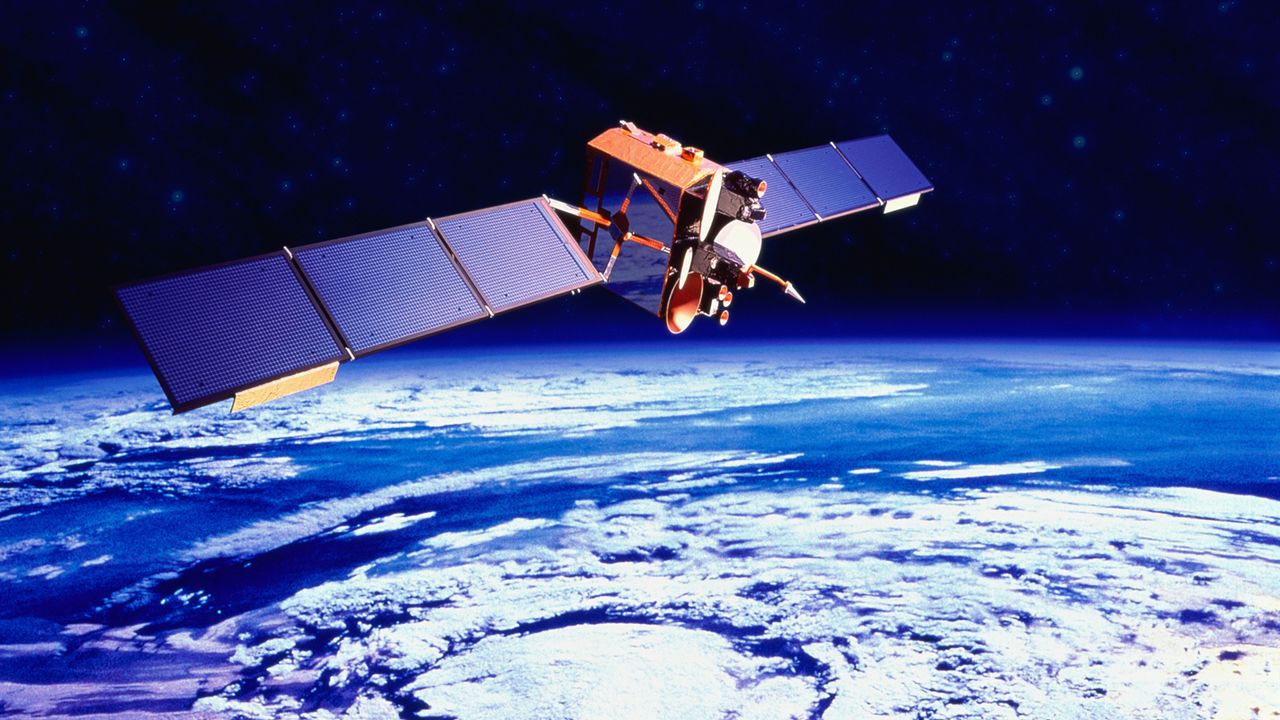
Ofcom just signed off on VodafoneThree using satellites to deliver signal to smartphones to end "not spots" once and for all.
By offering a broader range of connection, across 4G and 5G, this could signal the start of the end for poor phone connection.
An announcement from Ofcom has revealed that VodafoneThree is working to use satellites to create a better network with wider smartphone coverage.
By using satellites, as well as current networks, this could create a far broader range of coverage, allowing smartphones to get good connections even in areas currently known as "not spots".
Ofcom has granted a licence for the company to use the 900MHz band with 4G and 5G for mobile broadband, calls and text connectivity in more remote areas.
The network – a result of the merger between Vodafone and Three – has a team-up going on with SatCo and AST SpaceMobile which will allow current standard smartphones to work with the satellite connections.
AST has shown off download speeds of over 20Mbps using a 5MHz channel, which is serviceable but nothing compared to what its next generation satellites could offer. You could be getting up to 120Mbps speeds in the most remote locations in the country in future.
O2 Satellite has also been approved for the 1800MHz band for a similar offering, which will use SpaceX's global Starlink for a 4G offering.
When will the Vodafone AST offering start?
Vodafone has now got the licence it needed from Ofcom, which helps keep it on track for a planned launch in summer 2026.
This should mean that, if you wander into an area where signal is low, you'll be switched across to direct satellite connectivity for consistent full four bar service.
It will particularly help those who live or travel to remote places, which are currently not served by mobile masts. And while it might not be the fastest connection possible elsewhere, it will still provide communications support for those who might be struggling.