Sydney is playing host to three festivals of the mind this week as Australia’s biggest city showcases its brainy side.
Along with Sydney Writers’ festival which began on Monday, TEDxSydney will be held on Thursday, the opening day the Vivid festival of light, music and ideas.
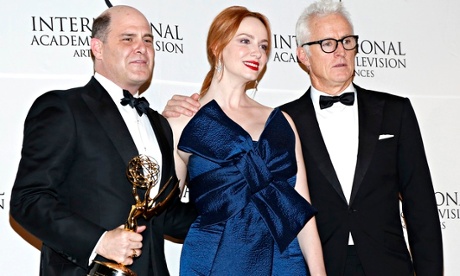
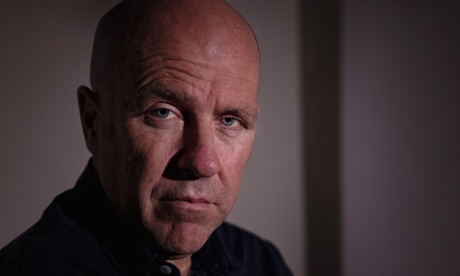
Which means that in short succession it’s possible to check out transgender hairdresser and youth worker Starlady and avant-garde musician Lisa Gerrard of Dead Can Dance at TEDx; hear from Mad Men creator Matthew Weiner and renowned graphic designer Stefan Sagmeister at Vivid; and absorb the words of Richard Flanagan and Helen Macdonald at the writer’s festival, at the heart of which, according to its director Jemma Birrell, lie the questions: “Where do we find a sense of purpose and how should we best live our lives?”
Not bad for the dog days of autumn. “It’s tough to have looks and brains!” says Jess Scully, festival director of Vivid Ideas and also a curator of TEDxSydney.
Edwina Throsby, head curator of TEDxSydney, says: “The fact that you can go to TEDxSydney on Thursday, Semi-Permanent festival on Friday, Sydney Writers’ festival on Saturday and Vivid Ideas on Sunday speaks to a city that really values ideas and cultural achievement, equal to any other city in the world.
“Even though our speakers come from all around the world, they all have a tangible connection to Australia. They’re either from here, or studied or worked here. We’re a small country, but we have a big intellectual presence globally, and TEDxSydney celebrates that.”
Held at the Sydney Opera House, the event, supported by the Guardian, is a local spinoff of the North American conference. In the modern economy ideas have currency, Throsby said. And the proliferation of festivals reflect the city’s hunger for ideas. “Ideas are used to get jobs, make a living and affect change in the world.”
Vivid Ideas is the talks and workshops component of the city’s annual light show. Scully said that in the knowledge or inspiration economy, many workers have little time to reflect. “We race from project to project and apply our knowledge but we often don’t refuel that tank. Vivid Ideas is an annual opportunity to fill up the tank of new ideas and listen to your peers across the creative industries.”
This year’s line-up covers an eclectic range of issues, including robo-wars, obesity, astronomy, gin, visual literacy and up-cycling. Scully said the ability to articulate new concepts will lie at the centre of future work, with the vast majority of Australians already working in the service economy. “That means we’re working with brains, not brawn.”
She said Sydney is the country’s start-up, design and film capital. And with one third of the country’s creative economy workforce based in New South Wales, the city is a natural home for the festival. “We have this fantastic lifestyle but also a really diverse and connected knowledge economy that’s thriving here.”
Sydney is “the big heart of Australia’s creative economy,” Scully said, a message that “gets missed” in the postcard version of the city, with its emphasis on sun, sand and surf.
Taking advantage of those famous harbour views is the Sydney Writers festival hub, located at Walsh Bay. The artistic director Jemma Birrell said the festival has “one of the most beautiful locations”. “All the people sitting in the sun with a glass of wine, chatting to friends – it’s a fabulous atmosphere.”
Last year’s event had the highest attendance in the festival’s history, Birrell said. “It’s a sign of how people in Sydney and Australia are hungry for what the festival offers.” She said the coinciding with other festivals has created an “incredible buzz” in the city and reflects a growing hunger for the events.
Birrell returned to Sydney after seven years of living in Paris, and calls Sydney “one of the major contemporary cultural centres in the world”.
Sydneysiders approach festivals with a different mindset to the French, who she said apply a more academic attitude. “Our festivals are all inclusive, bringing in all types of readers and just people who are interested in ideas.”
Now in its 18th year and with over 400 writers and 350 events, the theme for this year’s writers’ festival is “how to live?”, inspired by a quote from French existentialist, Jean-Paul Sartre: “Everything has been figured out, except how to live.”
Festival panels such as How To Live? featuring writers Douglas Coupland, Anne Manne and social researcher Hugh MacKay examine humanity’s quest for happiness and its changing relationship to technology and nature.
Birrell said the popularity of the writers’ festival is proof that despite the proliferation of technology in modern lives, there was still a big hunger for live events.
“We’re living so heavily in our day-to-day lives in front of our screens. What are the ramifications of that? There’s a big discussion to be had.”