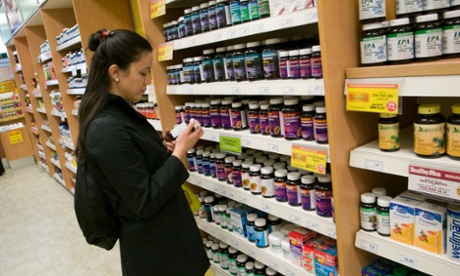
Dietary supplements, such as over-the-counter multivitamins, do “more harm than good” and can increase the risk of developing cancer and heart disease, according to research in the US.
The University of Colorado study which reviewed several trials involving thousands of patients over a decade showed that those who took extra vitamins and minerals were more likely to have health problems.
Taking more than the recommended dosage beta carotene – a supplement advertised as a boost to the immune system – was found to increase the risk of developing both lung cancer and heart disease by as much as 20%, according to the university.
The review also noted that a trial involving folic acid supplement, which is thought to reduce precancerous polyps in the colon, actually increased the number of polyps among those who took the supplement compared to those who received a placebo.
Professor Tim Byers, associate director for cancer prevention and control at Colorado University Cancer Center, said: “We have discovered that taking extra vitamins and minerals do more harm than good.
“We found that the supplements were actually not beneficial for their health. In fact, some people actually got more cancer while on the vitamins.” He presented the findings to the annual meeting of the American Association for Cancer Research at the weekend.
The research raises serious questions about the efficacy of the dietary supplement market, which is worth almost £400m in Britain, according to research in 2012. Products sold frequently involve several times more than the recommended daily dosages of the vitamins and minerals involved.
Byers said it was unclear why taking supplements increased health risks, but he warned consumers against taking more than the recommended dose. Taking the correct dosage was harmless but “no substitute for good, nutritional food”, he said. Those who ate fresh fruit and vegetables were less likely to get cancer.
He explained that dietary supplements showed promising results when they were first tested on animals. But these had not replicated in longer-term studies on humans. “We are not sure why this is happening at the molecular level but evidence shows that people who take more dietary supplements than needed tend to have a higher risk of developing cancer,” he said.
Research by the Food Standards Agency in 2008 estimated that one in three Britons took some form of dietary supplement and half of all households with children gave them vitamins or minerals.
Byers said his study showed there were “public health” issues with such supplements and wanted to see authorities “pay more attention to safety and how they are advertised”.