In a landmark diplomatic breakthrough, China has agreed to relax visa requirements for British citizens, allowing visa-free travel of up to 30 days for tourism and business visits, a move announced during UK Prime Minister Sir Keir Starmer’s visit to Beijing at the end of January 2026. The agreement, hailed by leaders on both sides as a “win for people-to-people ties”, is the first major travel policy concession by Beijing toward the UK in decades and signals a potential resetting of bilateral relations that have been strained by geopolitical tensions, trade disagreements and differing values on human rights.
A historic UK visa announcement in Beijing
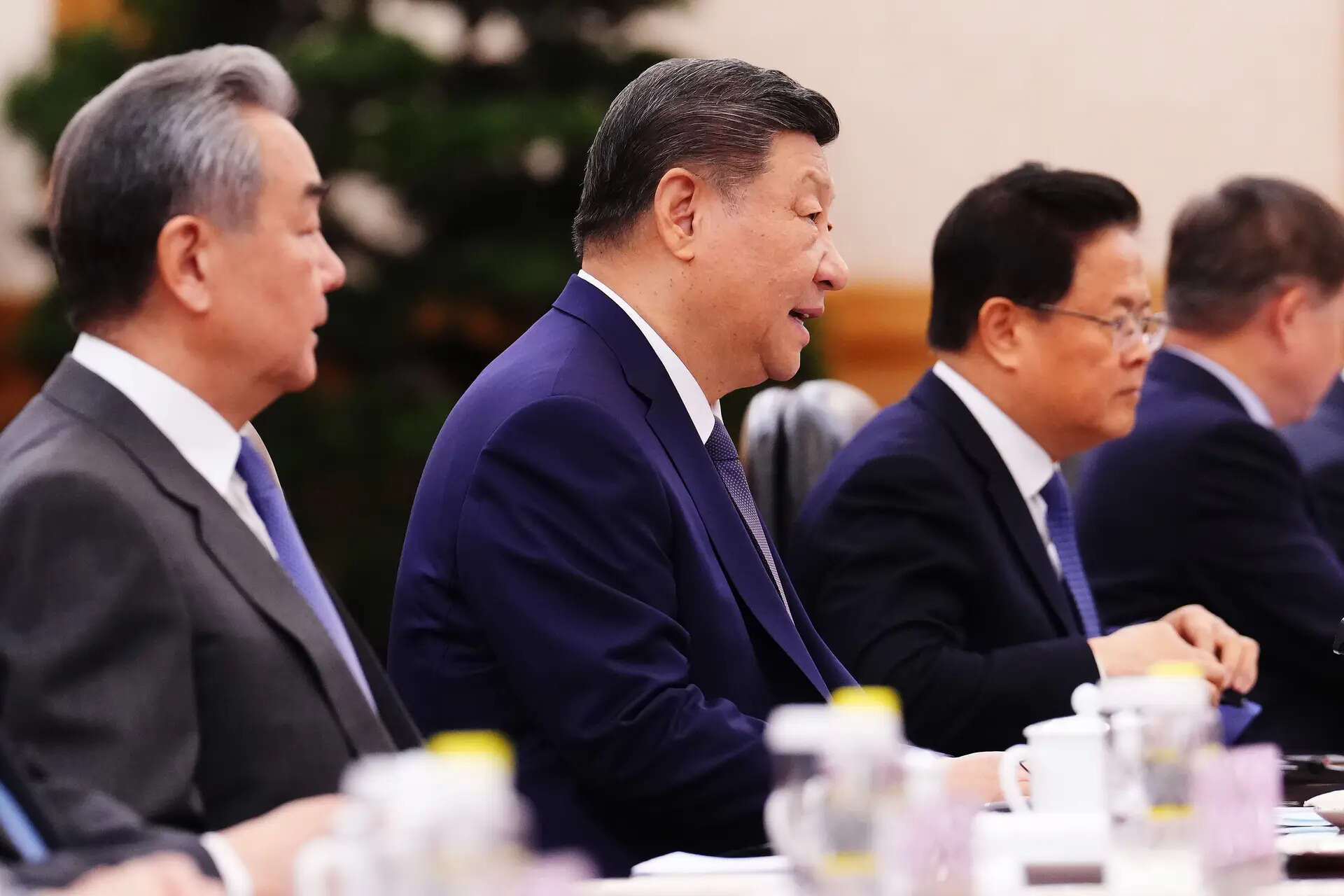
For the first time since 2018, a British prime minister has undertaken an official visit to China, underscoring a renewed willingness to engage Beijing at the highest levels. On January 29, 2026, Sir Keir Starmer met with Chinese President Xi Jinping and other senior leaders in the Great Hall of the People to discuss a wide range of issues, from trade and investment to global security and people-to-people exchange.
The most attention-grabbing outcome was the visa-free travel agreement, under which British citizens holding ordinary passports will be able to enter China without a visa for stays of up to 30 days once the policy takes formal effect. The agreement is understood to be unilateral on China’s part, meaning British citizens benefit without reciprocal visa-free entry for Chinese nationals in the UK.
This move brings the UK into alignment with more than 50 countries (including France, Germany, Australia, Japan and Canada) whose citizens already enjoy similar access to mainland China.
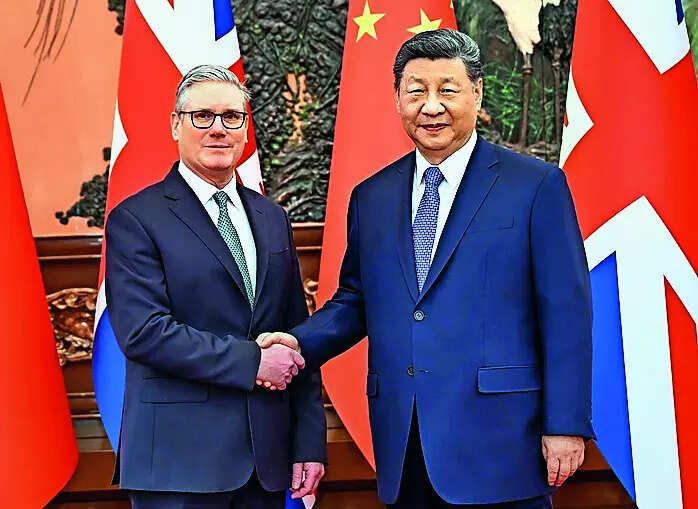
Starmer described the agreement as “really good progress” in strengthening bilateral ties and facilitating easier travel for tourists, business leaders, academics and cultural exchange participants. He emphasised that this step would support UK businesses seeking to deepen their presence in China’s vast market while also encouraging greater cultural understanding between the two nations.
Practical impact for UK travellers and China businesses
The visa-free travel move is expected to deliver immediate practical benefits -
-
Lower barriers for short-term trips: British citizens will no longer need to apply for a visa for visits under 30 days, which previously required submitting passport documents, paying fees and undergoing processing delays.
-
Business travel streamlined: British executives attending meetings, negotiations, site visits and conferences will find it easier to plan travel without the bureaucratic hurdles that deterred many from frequent trips.
-
Tourism boost: China, as one of the world’s fastest-growing tourism destinations, will become more accessible to British holidaymakers, potentially stimulating travel companies, airlines and hospitality businesses in both countries.
According to travel advisory services, the change is particularly significant for frequent travellers who previously spent time and money, typically around £150 per visa application plus processing logistics, on securing short-stay permits. However, important caveats remain. The visa-free arrangement does not apply to long-term stays, such as work positions, full-time study or residency permits. Standard visa requirements still apply for those purposes.
Economic motivations and business gains for China
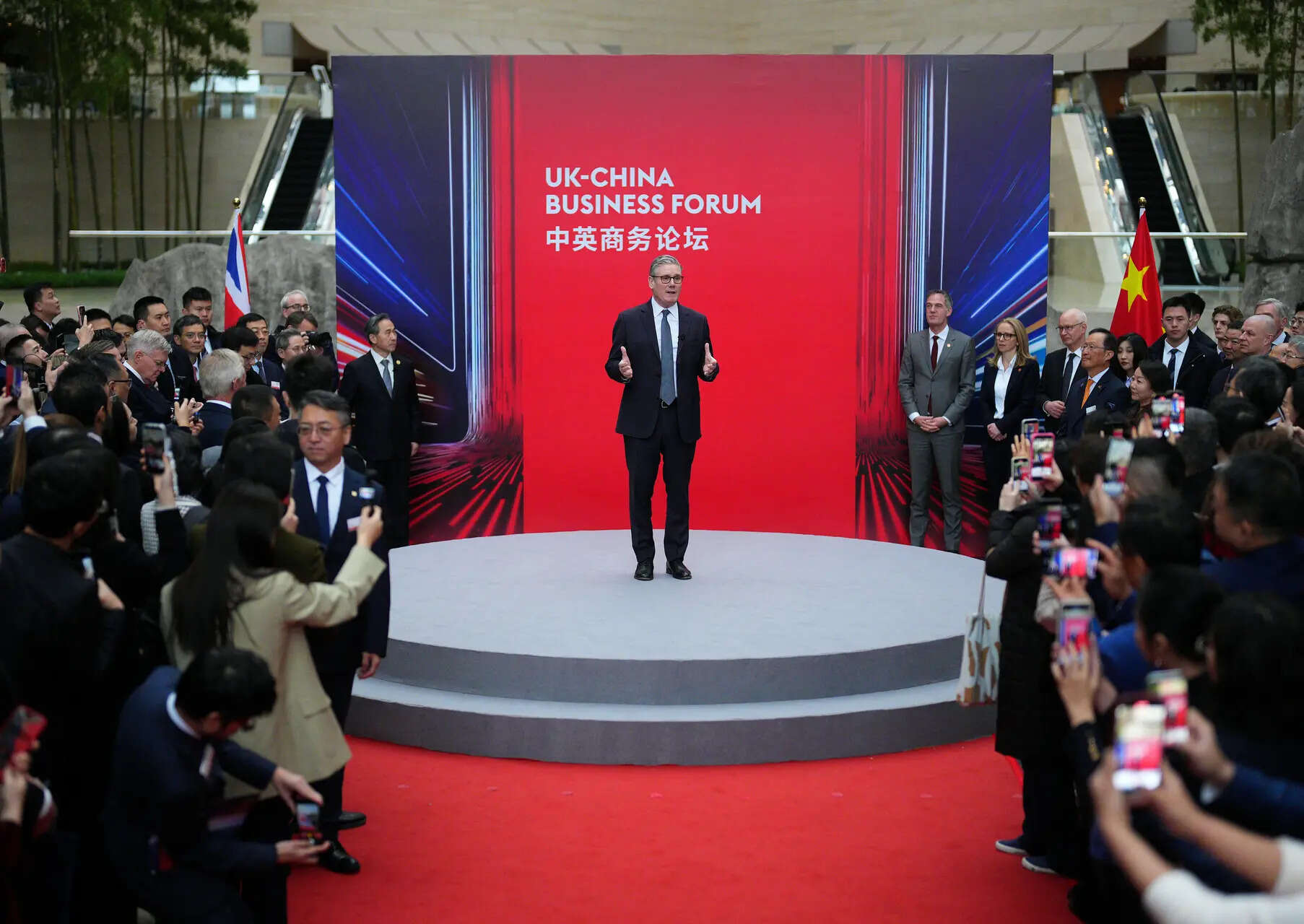
The visa concession was part of a broader package of agreements aimed at boosting economic cooperation between the UK and China. Starmer’s delegation included representatives from major British businesses and professional services sectors (including finance, legal, healthcare and education) signalling that the UK is seeking to expand its services sector footprint in China despite structural barriers in Chinese markets.
During talks, leaders also addressed tariff reductions on UK exports such as Scotch whisky, enhancing competitive positioning for British goods in a major consumer market. Such economic gestures come as the UK seeks to diversify trade relationships and reduce over-dependence on Western markets, especially amid turbulent global trade conditions and unpredictable geopolitical shifts.
A diplomatic balancing act between UK and China
The decision to engage China more deeply reflects a broader strategic posture by the UK: pursuing economic opportunity while navigating geopolitical sensitivity. Starmer has framed the visit as an effort to build “a more sophisticated relationship” with China that balances cooperation with candid discussion on contentious issues, including human rights concerns and global security dynamics.
This balancing act has prompted mixed reactions on the political stage. Some voices, including former British lawmakers recently freed from Chinese travel restrictions, view engagement as a step toward constructive dialogue. Others argue that economic incentives should not overshadow persistent concerns over issues such as human rights, surveillance practices, and regional tensions.
In the international arena, critics including former US President Donald Trump have described the rapprochement as “very dangerous,” arguing that closer ties with China may compromise Western strategic interests. Starmer, however, has publicly defended the UK’s approach, noting that strengthening ties with China does not require choosing between China and traditional allies such as the United States. Rather, he emphasises that nuanced engagement can help the UK navigate complex global challenges while pursuing British interests.
Geopolitical context: A reset in West-China relations?
The visa-free agreement comes at a time when multiple Western countries are reassessing their relationship with China. Canada recently received a similar commitment from Beijing for visa-free travel, reflecting a broader Chinese strategy to open its doors to global visitors while promoting economic and cultural exchange. China’s expansion of visa-free policies over recent years, which already included many European, Oceanian and Asian nations, underscores its intent to position itself as a more accessible destination for global mobility and tourism.
For the UK, the agreement represents not just an easing of travel restrictions but also a symbol of warming ties after years of downturns in diplomatic engagement. Starmer and Xi’s joint references to long-term strategic cooperation reflect a mutual interest in stabilising relations even amid broader geopolitical headwinds.
Despite the announcement, some details including the official start date of the visa-free travel policy have yet to be publicly confirmed by Chinese authorities. That means British travellers should continue to follow existing visa rules until the change is formally implemented.
On social media and public forums, many Britons welcomed the change as a practical and people-friendly development, highlighting the travel and business opportunities it unlocks. Others noted frustration that the policy may not take effect immediately, potentially leaving travellers who planned trips under the old visa regime in limbo.
Overall, the visa-free agreement between London and Beijing marks one of the most significant developments in UK-China relations in recent years. Whether it paves the way for deeper cooperation or becomes a flashpoint in wider geopolitical debates will depend on how both nations manage the interplay between economic ambition and strategic caution in the years ahead.