Variants of the novel coronavirus are responsible for a growing number of infections in Osaka and Hyogo Prefectures, and have spread to neighboring areas as well, an advisory body of the health ministry has warned.
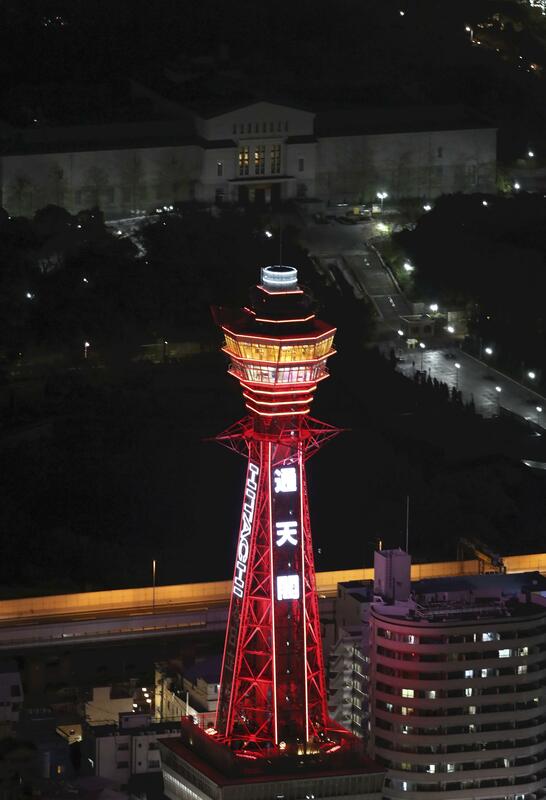
The advisory body to the Health, Labor and Welfare Ministry said Wednesday that infections with the novel coronavirus have spread rapidly in Osaka and Hyogo prefectures, forcing their medical systems into a serious situation. Emergency-level priority measures have been put into effect in the two prefectures.
The advisory body further reported that new types of variants have been on the rise in Tokyo, Miyagi and other areas as well. It called for the public to take caution to prevent the spread of such variants, which are thought to be highly contagious.
According to the health ministry and other sources, as of Monday, Osaka Prefecture had seen 44 new infections per 100,000 people in the past seven days, while Miyagi Prefecture had seen 36 new infections per 100,000 people. This put both prefectures in Stage 4, the most serious level, as their figures exceeded the threshold of 25 or more infections per 100,000 people.
Kyoto, Nara and Wakayama also saw their infection numbers rise significantly. In Tokyo, infections increased among young people, raising concerns about a continued rapid spread.
The occupancy rate of hospital beds likewise climbed, with filled beds for seriously ill patients in Hyogo Prefecture reaching 63% of the assumed peak level. The benchmark for Stage 4 is 50% or more.
The increase in the number of variants has contributed to the spread of infections in the Kansai region. According to the ministry, preliminary results from simple tests on sampled infected people conducted during the week to March 28 showed a total of 2,039 infections in 43 prefectures involved variant strains. The figure rose by 839 from the previous week.
By prefecture, 75% of the cases in Hyogo Prefecture involved variants, while 54% of Osaka's cases involved variants. Most of the cases are believed to involve the British strain, which is considered to be highly contagious. Analysis showed that the effective reproductive number, which indicates the number of people infected by one person, is 30% higher than that of conventional strains.
The advisory body stressed the need for countermeasures, such as avoiding unnecessary or non-urgent outings and travel so as to prevent the spread of the virus to other areas.
A new type of coronavirus variant that is suspected of being more resistant to vaccines had been detected in 1,553 cases mainly in the Kanto and Tohoku regions as of Tuesday, according to the ministry. Close monitoring of this variant is needed, it said.
Read more from The Japan News at https://japannews.yomiuri.co.jp/