One of the oldest Swiss watchmakers, Girard-Perregaux celebrates its 230th anniversary with an engaging virtual exhibition hosted by the Swiss brand and PMT The Hour Glass, its sole authorised retailer in Thailand.
Accessible to watch lovers via a simple registration, the digital showcase titled "Shaping The now since 1791" is staged at PMT The Hour Glass multi-brand boutique in Siam Paragon.
A wall is lined with displays of historic timepieces borrowed from Girard-Perregaux's private museum housed in Villa Marguerite in La Chaux-De-Fonds. Models from the current collection have also been curated for the immersive and interactive 360-degree exhibition.
The brand traces its roots back to 1791 when Jean-François Bautte of Geneva introduced exquisite timepieces housed in ultra thin, bejewelled cases.
Highlights of the virtual exhibition include the elaborate Lépine quarter repeater pendant watch from 1820. The gold balls on the case and delicate floral decorations on the dial are mechanically coupled with the quarter repeater movement and a cylinder escapement for Bautte's masterpiece.
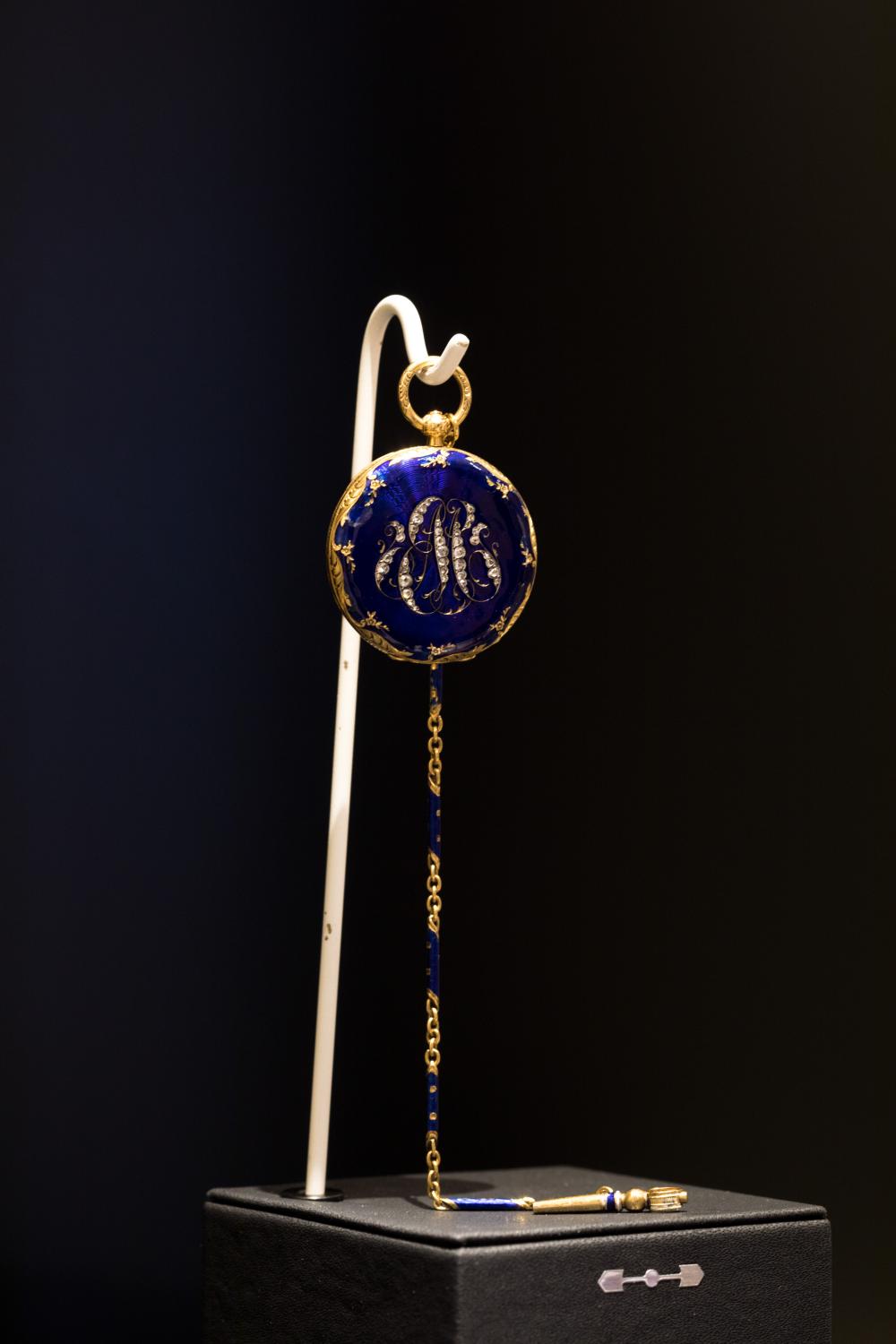
The art of Champlevé and Grand-feu enamelling enhance the beauty of the Lépine pocket watch featuring a digital display with jumping hours and the diamond-set gold pendant watch with a chain and winding key, both with a cylinder escapement from 1830 and 1840.
The case of the latter is decorated with translucent cobalt blue enamel, the so-called Geneva blue typical of the times of Bautte, who was actually one of the first horologers to produce very slim models.
His timepieces particularly attracted royalty, such as Chinese emperors, Indian maharajas and the UK's iconic Queen Victoria.
His legacy was transferred to Girard-Perregaux, which acquired the maison of Jean-François Bautte in 1906.
Girard-Perregaux itself has a long and rich history that dates back to 1856, when Constant Girard and Marie Perregaux founded their own atelier two years after their marriage, in La Chaux-de-Fonds.
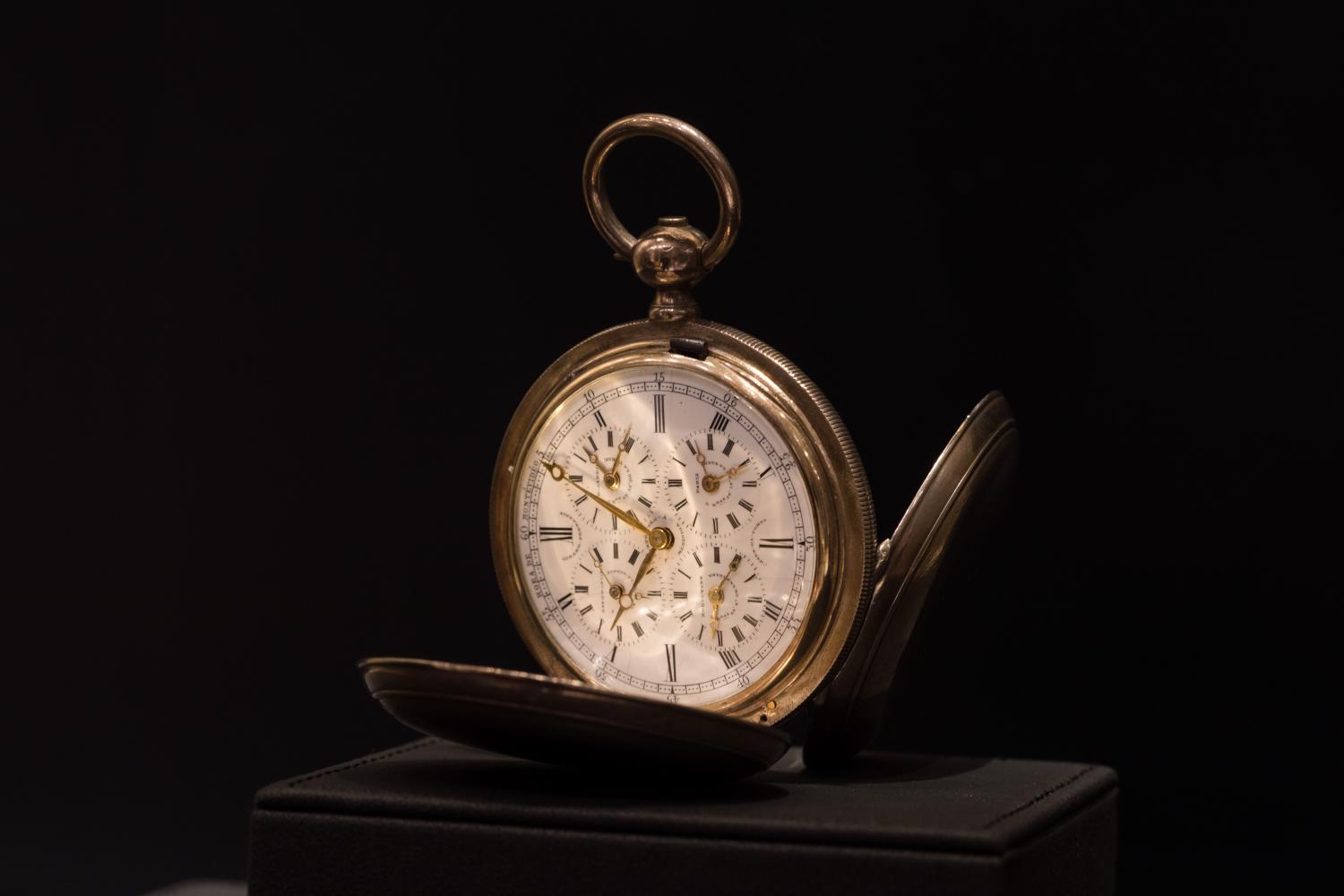
This chapter in the brand's 230-year history include a silver hunter pocket watch from 1860, with a central dial showing the time in Montevideo and four sub-dials indicating the hours of San Francisco, Rio de Janeiro, New York and Paris.
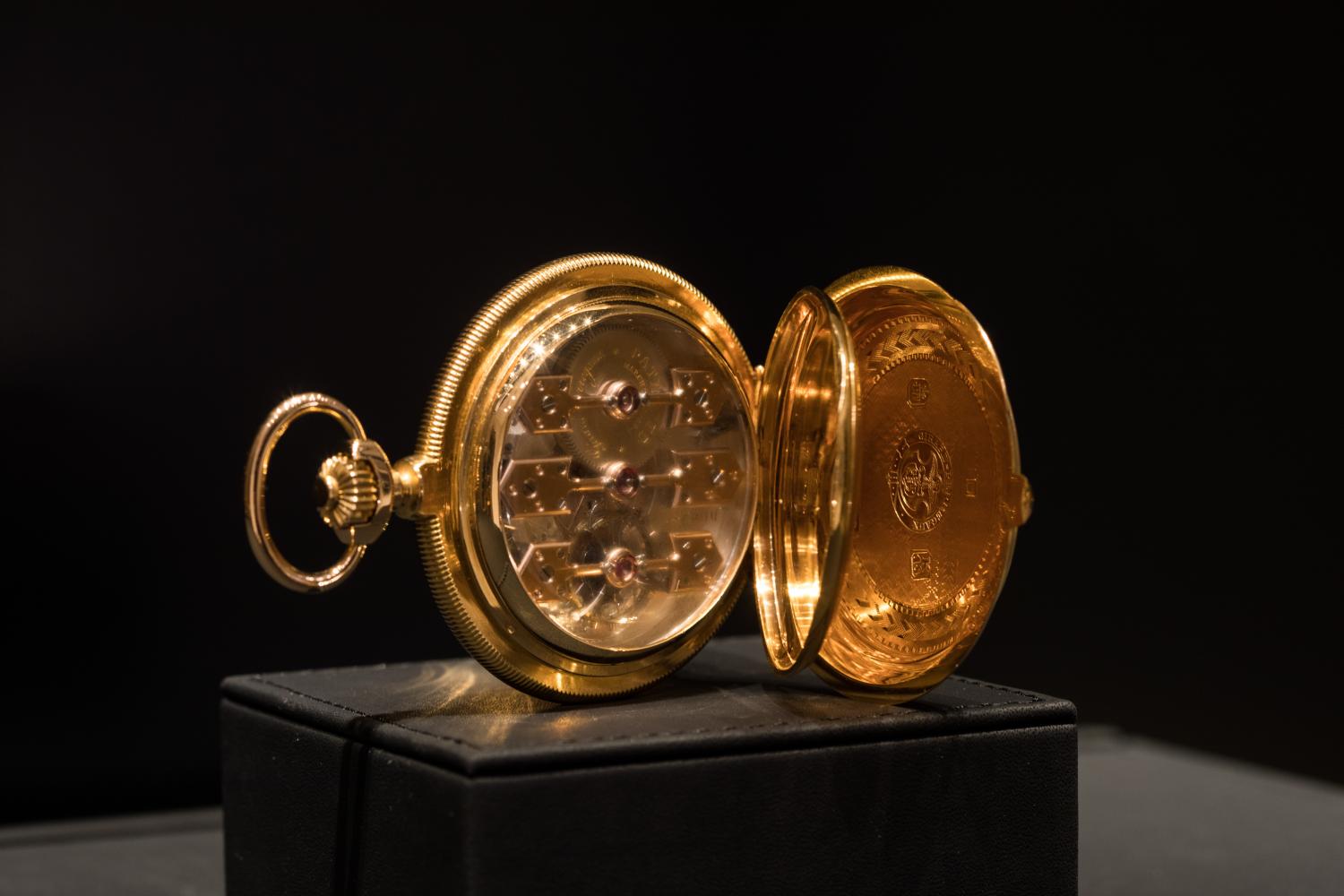
Constant Girard developed a prowess for mechanical movement structure. In 1867, he turned the world of watchmaking upside down by transforming bridges from a technical invisible element into a visible part for the Tourbillon with Three Gold Bridges.
In 1889, the master watchmaker won a gold medal at the Paris Universal Exhibition for La Esmeralda, the most famous of the Tourbillons with Three Gold Bridges, decorated with hand-engraved galloping horses on the cover and meticulously-executed motifs on the case, bezel and top of the lugs.
The elaborate engraving was recreated for the unique-piece La Esmeralda Tourbillon "A Secret" wristwatch unveiled at SIHH 2018.
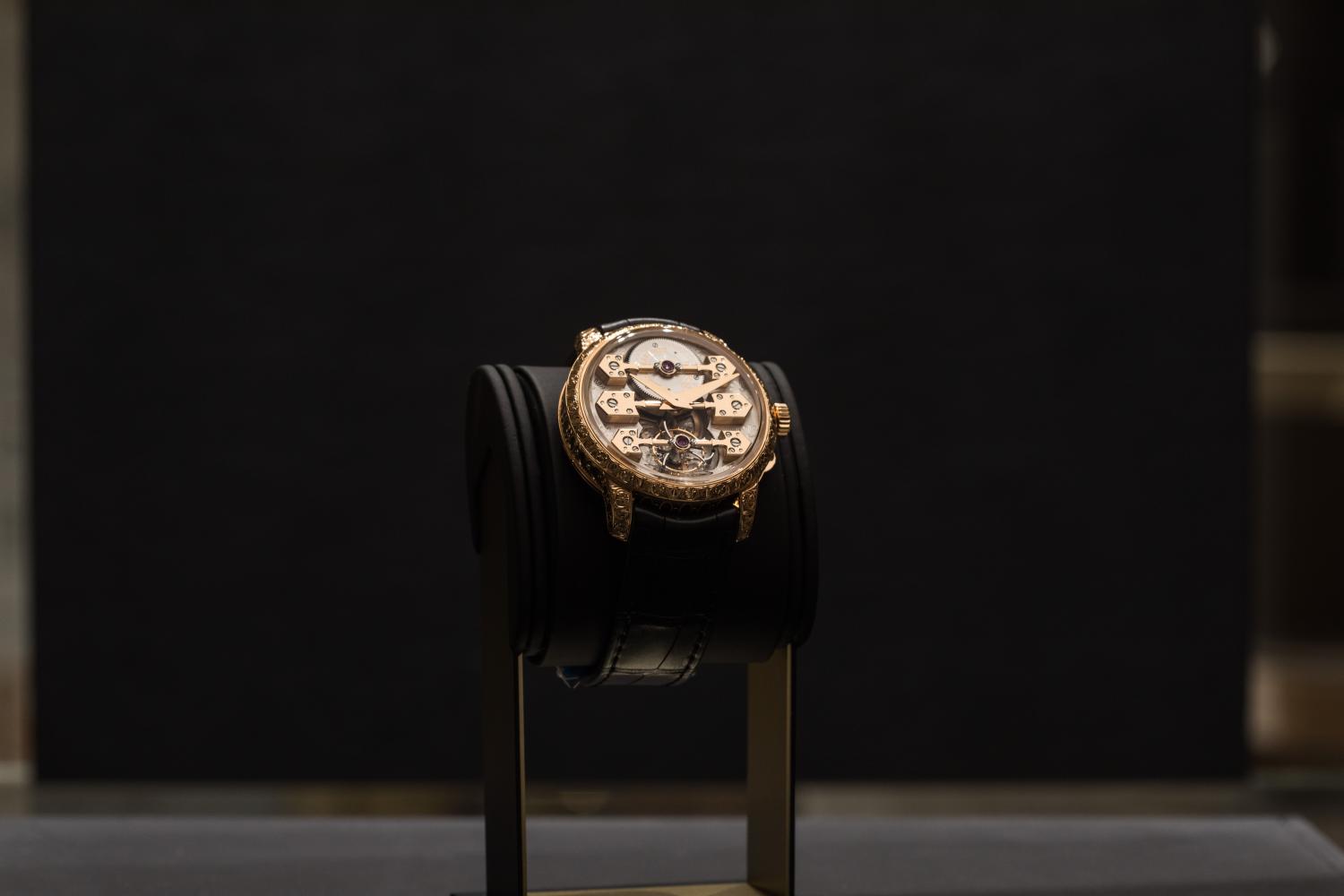
The signature bridges are reinterpreted in the contemporary Bridges collection. Other watch families include Laureto, based on a chic sports watch with an integrated steel bracelet and raised octagonal bezel launched in 1975.
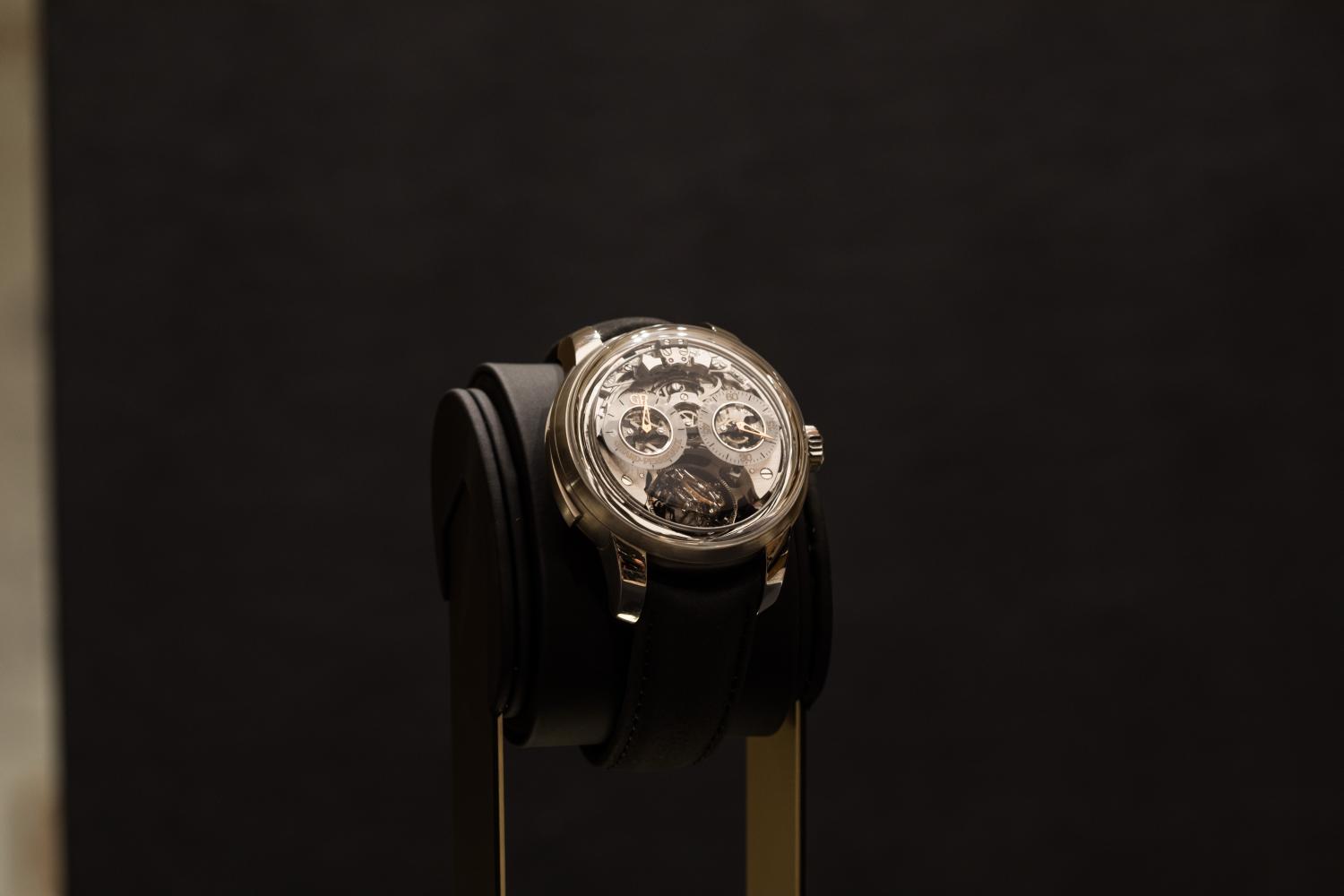
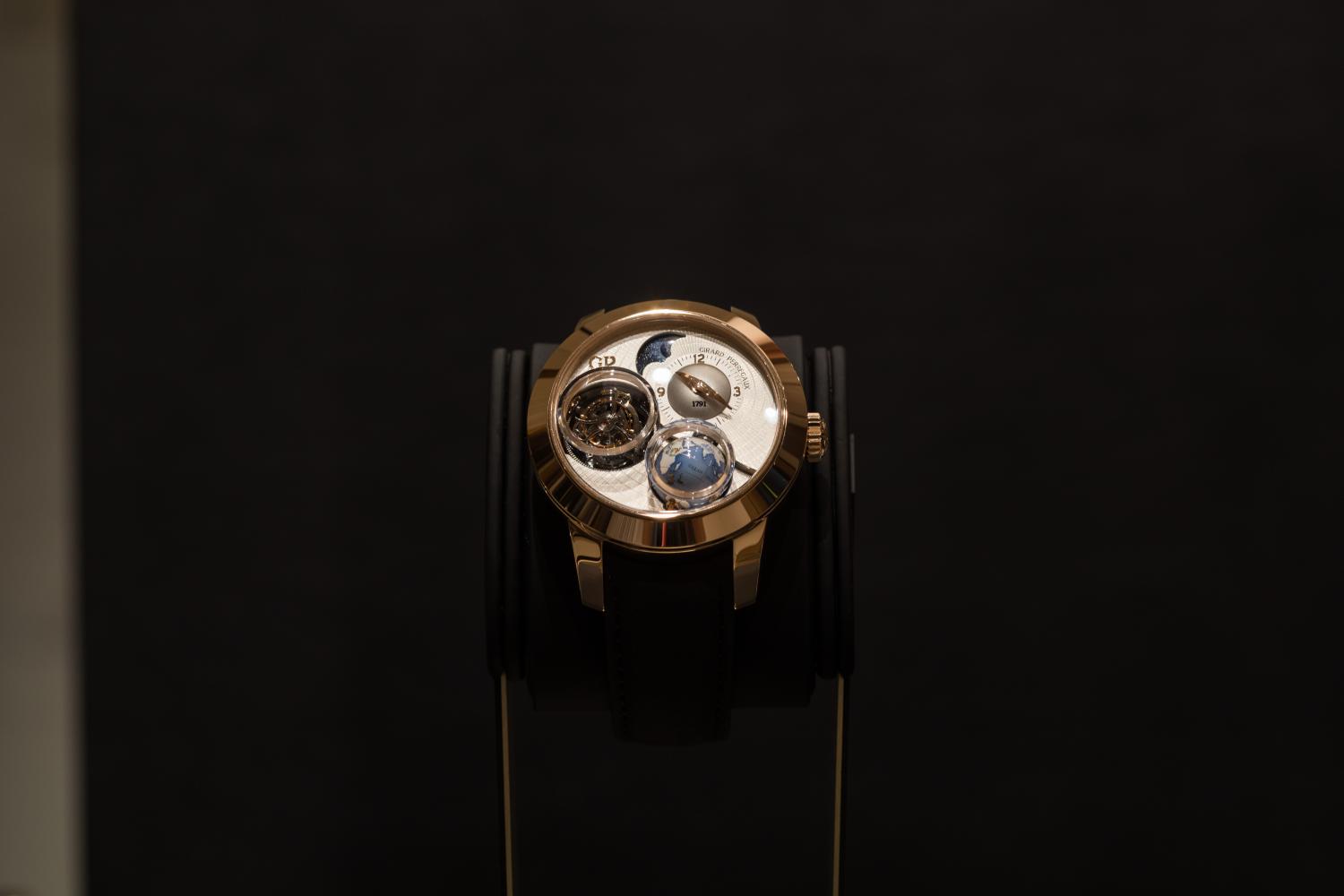
The virtual exhibition further illustrates the brand's mechanical mastery through models from the current collection such as Laureato Flying Tourbillon Skeleton, Minute Repeater Tri-Axial Tourbillon and Planetarium Tri-Axial Tourbillon.
Since the 1960s, the innovative spirit is nurtured at the in-house research and development department. Groundbreakers include the self-winding Gyromatic system, whose small dimensions allowed for the creation of automatic timepieces with a very slim silhouette that has been the brand's expertise since the late 18th century.
The epic haute horlogerie continues with a new Tourbillon with Three Flying Bridges (related story on P12) unveiled recently at Geneva Watch Days 2021. The not-to-be missed model is shown in the window display as an opener to the virtual exhibition, which can be viewed on the PMT The Hour Glass website until Sept 30.