Image Source: Shutterstock.com
Fayetteville, GA parents woke up this fall to an unprecedented shift that didn’t start in Georgia at all. In Volusia County, Florida, grocery managers quietly pulled baby food SKUs while staff shrugged and said, “new compliance.”
This wasn’t rumor. This was a hidden reality sliding into the 2025–2026 season through a quiet rollout and a legal loophole most families never see until the shelf goes bare. Virginia’s Baby Food Protection Act just changed the market—and it’s rippling south.
What Virginia Actually Did—And Why It Matters Everywhere
Virginia’s 2025 session locked in enforceable limits on heavy metals in infant and toddler foods, with 2026 compliance triggering immediate shelf removals for repeat violators. This wasn’t guidance. This was teeth. Products exceeding action thresholds for lead, arsenic, cadmium, or mercury lost retail eligibility in Virginia until reformulated and re-certified. National brands and private-label pouch lines failed. Retailers complied. Distribution followed the law, not the zip code.
The Enforcement Backbone No One Talks About
This move didn’t happen in isolation. States now borrow leverage from child-safety frameworks already on the books. Georgia’s O.C.G.A. § 19-7-5 and Florida Statute 39 codify mandatory reporting when children face harm. Regulators now treat contaminated food as exposure, not “quality control.” That legal posture matters. It explains why Virginia didn’t negotiate. It explains why wholesalers pulled inventory across state lines instead of risking liability.
Which Products Took the Hit—And How They Disappear
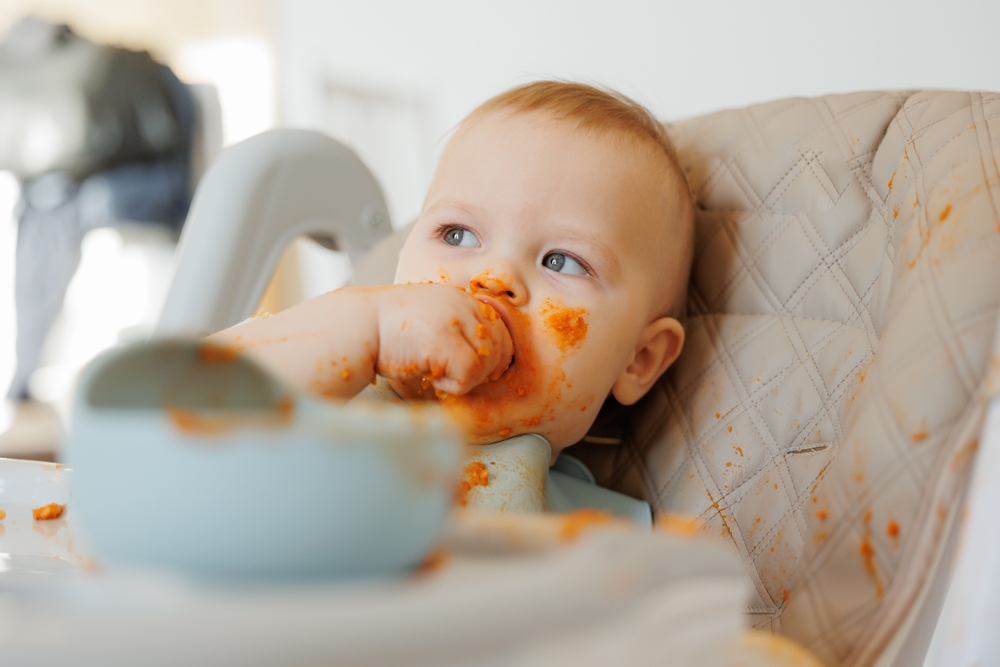
The ban didn’t target boutique jars. It hit mass-volume pouches, rice-based cereals, and mixed fruit blends that rely on high-risk, dangerous ingredients, such as cadmium and synthetic additives. Retailers removed entire brand lines when lots failed, not just single flavors. Parents noticed the gaps but missed the reason. That’s the design. Compliance failures vanish quietly to avoid panic and lawsuits.

Image Source: Shutterstock.com
The Hidden Cost Parents Are Paying
This law detonates budgets. Parents now chase “clean label” replacements that cost 30–60% more per ounce. Credit cards absorb the spread. Subscription boxes step in with premium pricing and zero transparency. Social capital erodes when daycare bans home-packed foods that don’t meet new standards. Ignore this, and you don’t just risk exposure—you hemorrhage money, time, and trust. This is high-stakes parenting in 2026, where the hidden costs of kids punish families who stay uninformed.
Why This Won’t Stay in Virginia
Distribution networks don’t localize reformulation. When one state enforces, everyone else inherits the outcome. Georgia and Florida parents already feel it. Fayetteville parenting groups are sounding the alarm. Volusia County stores are already thinner. This is the new baseline for 2026 School Policy conversations and Virginia parenting decisions nationwide.
It’s Time To Choose Your Side
So, it’s up to you. Think about this and tell us: do you want aggressive safety that shrinks choice and raises prices—or cheap abundance that gambles with your child’s future?
You May Also Like…
9 Baby Brands That Parents Are Quietly Boycotting
6 Baby Name Trends Making a Comeback From the 1970s
7 Boomer-Era Family Traditions That Lower Household Stress
How to Use December to Launch a Family Habit That Will Save Big in the New Year
Beyond The Label: 8 Everyday Products Dangerous For Babies
The post Virginia Law: The “Baby Food Protection Act” Just Banned These Brands from Shelves appeared first on Kids Ain't Cheap.