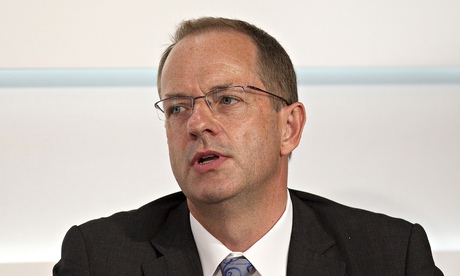
Sir Andrew Witty at GlaxoSmithKline hates big takeovers but loves to shuffle assets. The latest planned rejig is a spin-off of Viiv, the 80%-owned HIV unit that is currently making annual profits of about £1bn. Viiv may be given a separate listing next year in London, where it would shoot straight into the top 30 or 40 of the FTSE 100 index: the business could be worth £10bn-£15bn.
Can Viiv revive GlaxoSmithKline’s sickly share price? Not on its own. For a start, despite Viiv’s nailed-on FTSE 100 status, the unit is only a small part of GSK, which is worth almost £80bn. It contributes only 6% of group sales.
Nor is it a hidden gem, whatever Witty says about providing “greater visibility of the intrinsic value we see”. City analysts already have well-honed valuations of Viiv in their sum-of-the-parts spreadsheets. They also know that HIV, for global drug giants, will always be a relatively small therapeutic area.
So why bother spinning off Viiv? The plan makes more sense when seen as part of Witty’s wider reshaping of GSK. In April he announced a three-part deal with Novartis that is far more important. In short, GSK agreed to sell its oncology business to Novartis for $16bn, a tidy sum. It is also buying Novartis’s vaccines business for up to $7bn. And the pair are pooling their toothpastes, painkillers, etcetera into a joint venture in consumer products; GSK will own 70%.
The result is new-look GSK with only three main component parts – pharmaceuticals, dominated by respiratory products; vaccines; and consumer products. In that context, Viiv is a misfit – just as the departed Ribena and Lucozade were. Viiv has had a good run in partnership with Pfizer over the past four years, so why not flog a few shares and bank a billion or two?
In the medium-term, though, success or failure for Witty’s reign will be defined by GSK’s ability to replace Advair, its blockbuster respiratory product now facing generic competition and price pressures. That’s the factor that will improve sentiment among sceptical shareholders, who have suffered a falling share price and a long-running Chinese corruption saga.
On the respiratory front, GSK’s news was encouraging: it forecast an improvement in sales from 2016. That’s a significant commitment, as is the pledge to hold next year’s dividend since there had been worries that a cut was on the way. For now, Witty’s hold on the post of chief executive – the subject of much muttering – looks safe.