
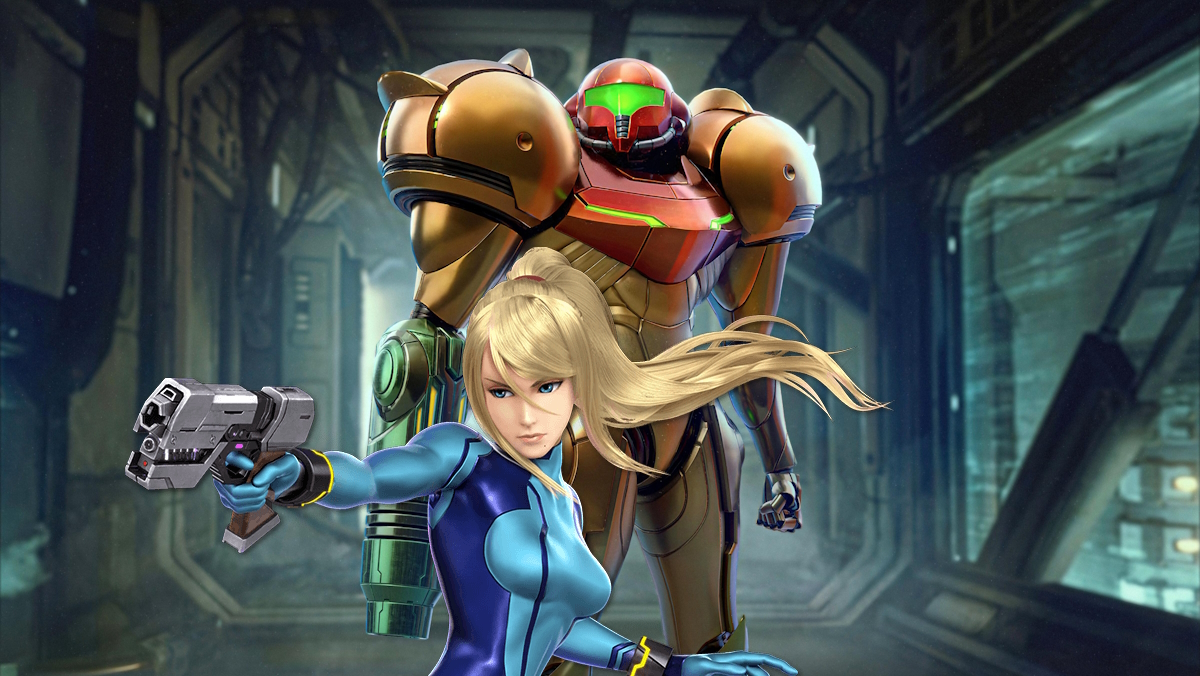
Metroid Prime 4 is coming out on December 4 for both the Nintendo Switch and Switch 2. The version for the new console is more expensive, which isn’t surprising since Nintendo Switch 2 games are launching at higher prices by default.
This is part of a larger price hike affecting Nintendo and the rest of the industry. Nintendo raised the price of its hardware this year, which slowed console sales, especially after the release of the more powerful Switch 2. Naturally, many players are frustrated to see new games pushing into the $70 to $80 range.
With Metroid Prime 4 being the first Metroid game caught in this wave, Destructoid spoke with Kynan Pearson, who worked on Metroid Prime 2 and Metroid Prime 3, to get his thoughts on why this is happening and why it’s probably not going away.
AAA games take literally a thousand people to make
Kynan, who has been in game development for years, pointed out how production costs have exploded. As an example, he used the credits for The Legend of Zelda: A Link to the Past, released in 1992 for the Super Nintendo. It had 41 names. Meanwhile, Tears of the Kingdom has more than 1,100 people mentioned in the credits, plus entire job categories that were split into subcategories since the 1990s, like “programmer” becoming 18 specialized roles.
“[Nintendo’s] development costs have significantly increased as well,” he analyzed, pointing out that Tears of the Kingdom and Breath of the Wild took “almost an entire console generation” to complete, even with a large team. “Luckily, they're selling crazy amounts of units of modern Zelda, but they're also releasing significantly fewer games over a generation, so the costs kind of level out.”
Games today require bigger teams, more designers, more programmers, more specialists, and years of development time. Even Tears of the Kingdom, built late in the Switch's lifecycle, took several years and enormous staffing. All of that means higher production costs, and those costs need to be recovered somehow.
“I worked on some games that were huge in scale, and their break-even points were ridiculous, absolutely ridiculous,” Kynan said, revealing that in some cases it would be impossible for these titles even to recoup their development cost.
Your backlog is part of the problem
But development cost is only part of the story. Kynan also points to something true for pretty much anyone reading this: our never-ending gaming backlogs.
I have a huge digital backlog on Switch, plus one or two physical games I’ve never touched. And that’s before even looking at my Steam library, which is full of stuff I got for free or on sale over the years. Right now, I’m playing Donkey Kong: Tropical Freeze on Switch and Mass Effect Trilogy on the Steam Deck, and I still have several other titles waiting. So when Metroid Prime 4 launches, I need to decide whether to buy it right away or if it joins the pile of games I already own and haven’t finished.
“Every game that comes out is competing with the entire historical back catalog of games that have ever been released because they're competing for time,” Kynan said. “They're competing with a lot more than we know at this point.”
This competition for time did not exist in the same way when A Link to the Past was released. Back then, it was competing with a small handful of SNES games. Today, thousands of games hit Steam every year, hundreds more arrive on consoles, and dozens of retro games are easy to access on the Switch. Everything is fighting for attention.
Players can only play so many games. That means each title sells fewer copies on average. And if your game sells fewer copies, the only way to recoup massive development costs is to increase the price per copy, which is why price hikes exist.
“There are just too many games, and there are not enough players demanding all of the games. So games need to stand out in some way, and they need to be profitable despite the escalating costs,” he concluded, pointing to the several game studios that have closed down recently.
Kynan made it clear that he wants games to be cheaper, but he also believes there is a legit reason companies are increasing prices, despite not being aware of their financials.
Adjusted for inflation, games in the 90s were far more expensive than today. For example, A Link to the Past cost around $50 in 1992, which equals roughly $115 today. That is more than Tears of the Kingdom and more than any Switch 2 game so far. So in that sense, games are cheaper. But this gets complicated when you factor in inflation, wages, and the general cost of living. If games are cheaper but people have less disposable income, the math feels the same in practice.
Making good games is the antidote to future price hikes
Ultimately, like a lot of things, games cost more to make, so they cost more to buy. For big productions like Metroid, Zelda, or Pokémon, that is probably going to change. If we want cinematic, high-production value games built for a global audience, we will have to pay a premium.
Smaller games show the contrast. Solo-dev hits like Megabonk and small indie teams like Hollow Knight: Silksong’s Team Cherry can still sell games for $10 to $20 because their costs are tiny in comparison.
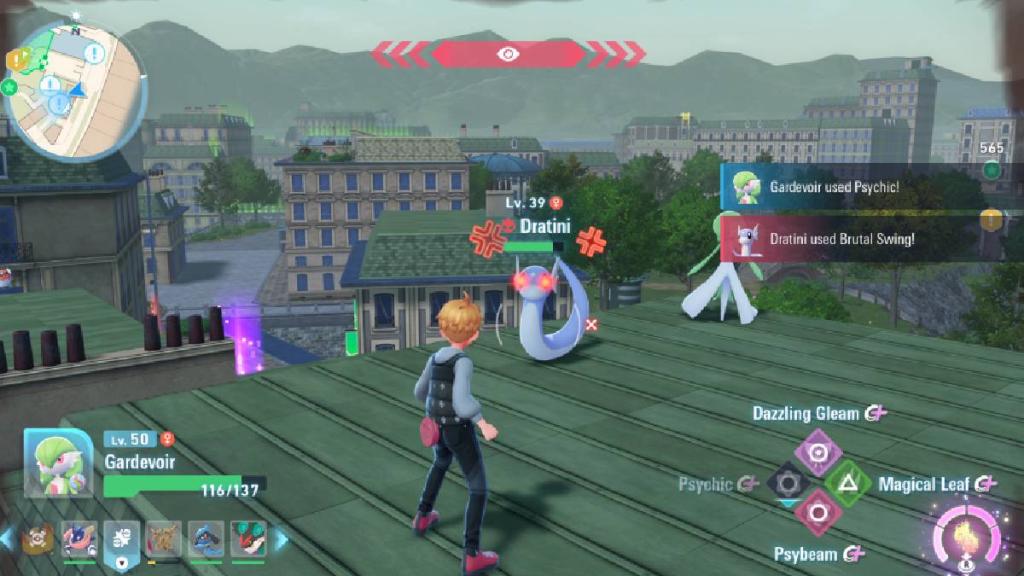
Nintendo, interestingly, reportedly keeps costs lower than most AAA publishers, with Pokémon games on the Switch costing roughly $20 million to develop. Even Metroid Prime 4, which has reportedly been restarted multiple times, is estimated at around $100 million. Still modest compared to modern mega-budget games that reportedly go over $200 million in development costs.
In Kynan’s view, Nintendo can get away with spending less since it focuses on nailing what matters: strong mechanics, rewarding feedback, and worlds where gameplay feels good.
In the end, developers are trying to make games that stand out among thousands, and players have to juggle expenses, time, and massive backlogs. It’s tough on both sides, but unless the entire economic model of gaming shifts, $70 to $80 games, especially for big franchises, are here to stay.
The post Video games should be cheaper, but ex-Metroid Prime dev breaks down why studios may have no choice appeared first on Destructoid.