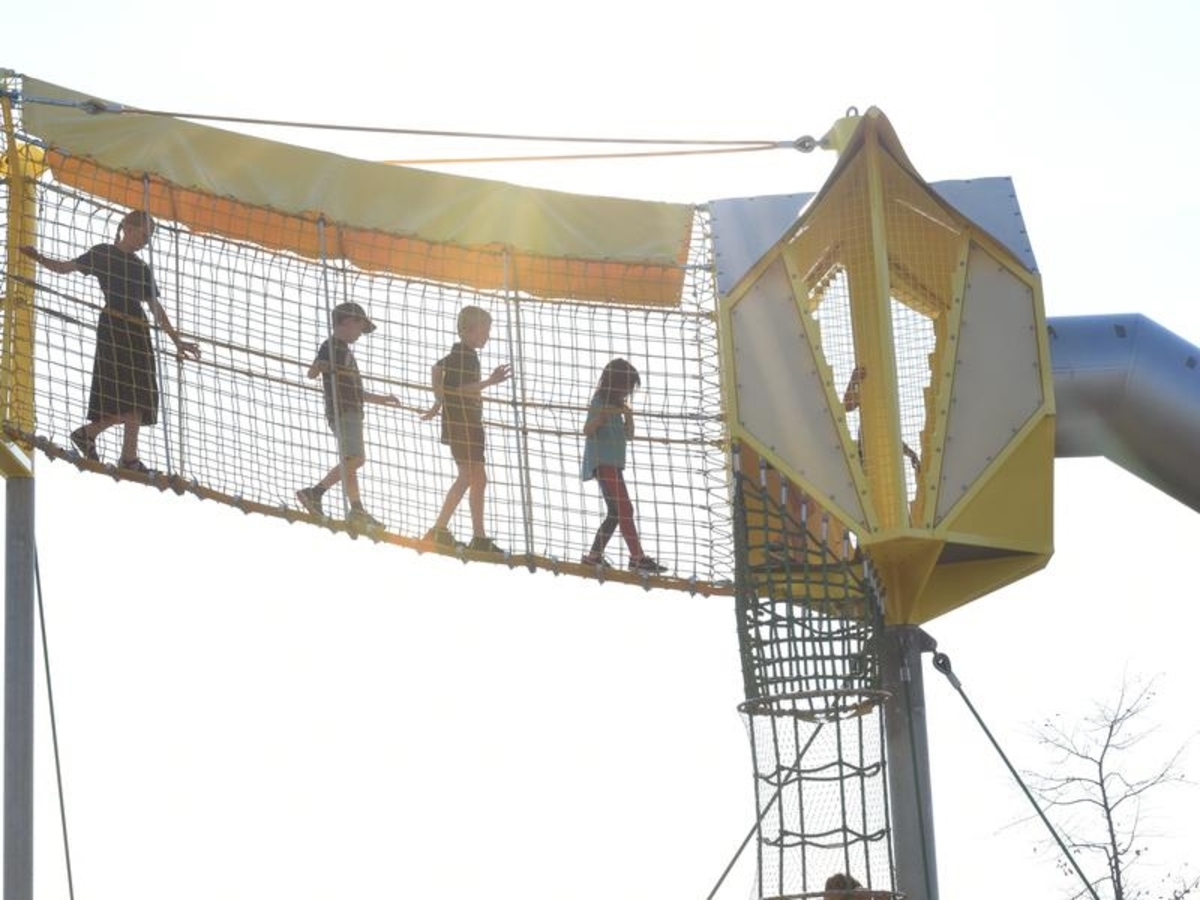
The Victorian government will spend $113 million to help children re-engage in the extracurricular activities they loved before the COVID-19 pandemic.
"This is making sure that our kids catch up on not just the academic things they have missed out on, but the socialisation, the resilience, the great outdoors, all of those other experiences," Premier Daniel Andrews told reporters on Sunday.
The "Positive Start" program will focus on students from government and low-fee non-government schools who have been most affected by COVID-19 school closures - as well as those who might otherwise be unable to participate in an outdoor education or camp program.
An investment of $84.3 million will deliver additional camps to benefit 81,200 students during school holidays and 2022 school terms, while $16.3 million will go to delivering more than 690,000 swimming and water safety lessons.
A further $12.4 million will provide access to a range of arts, sporting and cultural experiences at every government and low-fee non-government school in Victoria.
Victoria meanwhile added 980 new infections to its COVID-19 caseload on Sunday and recorded a further seven virus-related deaths.
The state is managing 15,433 active coronavirus cases. Some 299 virus patients are being cared for in Victorian hospitals, with 40 of them in ICUs and 16 requiring ventilation.
Health officials say COVID testers managed to process more than 65,000 results in the 24 hours to Saturday evening.
Victoria is now 91 per cent fully vaccinated for everyone aged 12 and over.
Up to 10,000 people protested in central Melbourne on Saturday, in the first mass demonstration since the Victorian government passed pandemic laws.
The crowd marched through Treasury Gardens shouting "Sack Dan Andrews" and "Freedom" and carried Eureka and national flags as well as Donald Trump placards.
In nearby Carlton, a counter-rally against far-right elements of the so-called "freedom protests" was also held.
There have been almost weekly demonstrations in Melbourne against vaccination mandates and pandemic laws, with concerns some protesters have neo-Nazi or far-right conspiracy group links.
The government's controversial new legislation, which passed parliament on Thursday, makes the premier and health minister responsible for declaring pandemics and making health orders.
It will replace the existing state of emergency on December 16 and makes Victoria the first state in Australia with pandemic-specific laws.