An independent investigation has branded Victoria police’s widespread practice of falsifying breath tests as an “ethical failure”.
The former police chief commissioner Neil Comrie’s inquiry was unable to determine exactly how many times police had manipulated breath test devices to falsely inflate the number of tests conducted.
According to an algorithm estimate, out of 17.5m tests conduct in the past five years, 1.5% or 250,000 breath tests were suspect. But the investigation found the algorithm was not reliable.
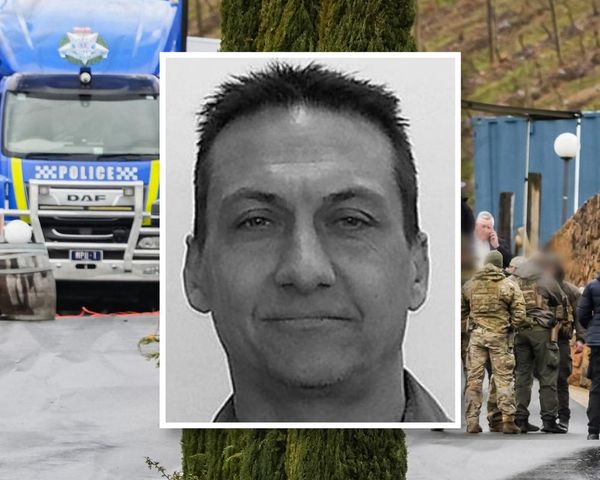
The assistant commissioner, Stephen Leane, said there was no suggestion that any drivers had been wrongly prosecuted and the practice had been a blight on the force’s otherwise world-leading road safety regime.
“We must take action to ensure that it can not happen again,” Leane told reporters in Melbourne.
Comrie’s report said accountability and governance of the breath testing regime was “lacking rigour” because there was limited collection and analysis of data and poor supervision of testing practices.
He made 23 recommendations including increased ethics training, more supervision, monthly audits of test figures and replacing devices with new tamper-proof technology.
The investigation found a major cause of the falsification was unachievable targets. In 2017 Victoria police ramped up its breath testing target from 3.2m to 4.5m, which was not based on any “credible scientific evidence or articulated strategy”. The increased figure represented the number of licence holders in Victoria.
The report said police had a “perverse” incentive to limit the number of drunk drivers netted because budget papers stipulated 99.5% of all breath tests should indicate compliance.
If there were more than 0.5% positive tests each year this was regarded as not meeting a budget performance outcome for breath testing.
Leane flagged police will work with the government to set more realistic targets for breath testing. “We need to get the balance right,” Leane said. He also acknowledged increased stress on frontline police in recent years and competing priorities.
The investigation found the practice was widespread across the state and new recruits had been introduced to the concept by experienced officers.
The Transport Accident Commission received an anonymous complaint about the issue in September 2017 and police announced the independent investigation in May last year.