Get all your news in one place.
100’s of premium titles.
One app.
Start reading
Reuters
Reuters
Environment
Mike Hutchings and Tim Cocks

Victoria Falls shrink to a trickle, feeding climate change fears

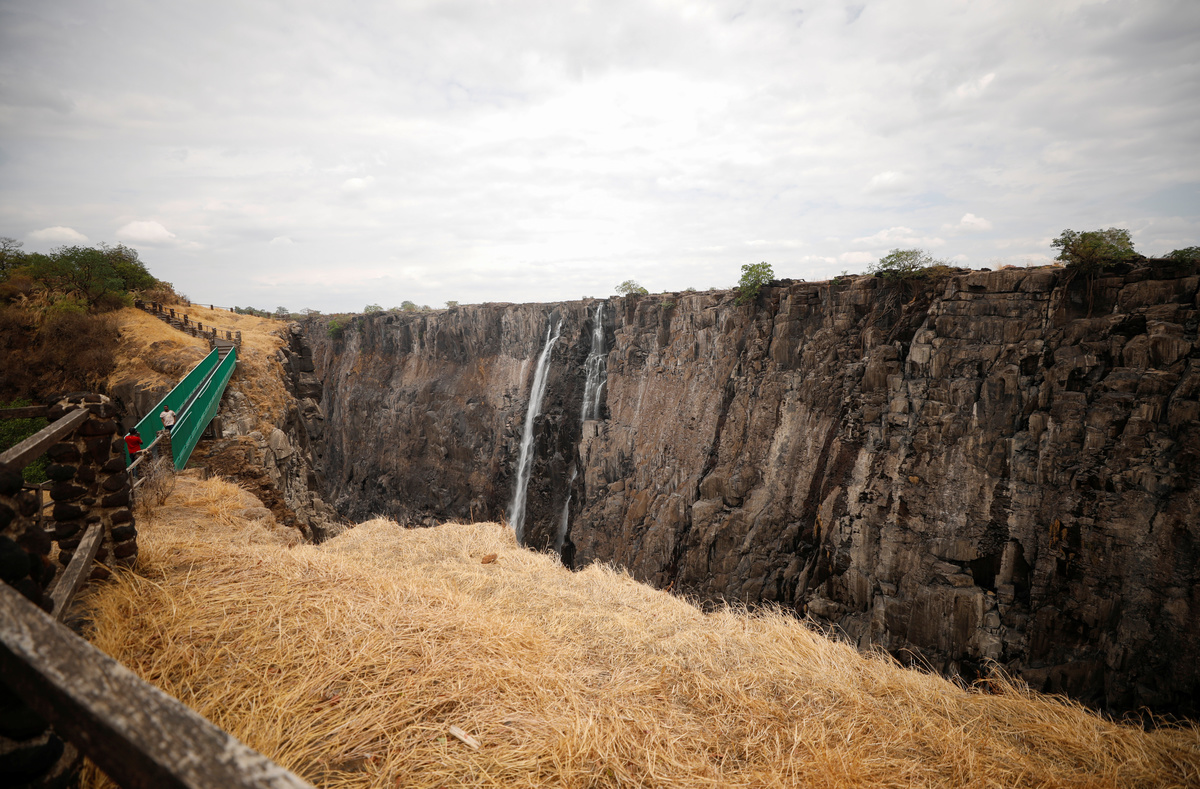
Visitors walk over a bridge as dry cliffs are seen along the parched gorge on the Zambian side of Victoria Falls, Zambia, following a prolonged drought, December 5, 2019. Picture taken December 5, 2019. REUTERS/Mike Hutchings

VICTORIA FALLS, Zambia (Reuters) - For decades Victoria Falls, where southern Africa's Zambezi river cascade down 100 metres into a gash in the earth, have drawn millions of holidaymakers to Zimbabwe and Zambia for their stunning views.

But the worst drought in a century has slowed the waterfalls to a trickle, fuelling fears that climate change could kill one of the region's biggest tourist attractions.
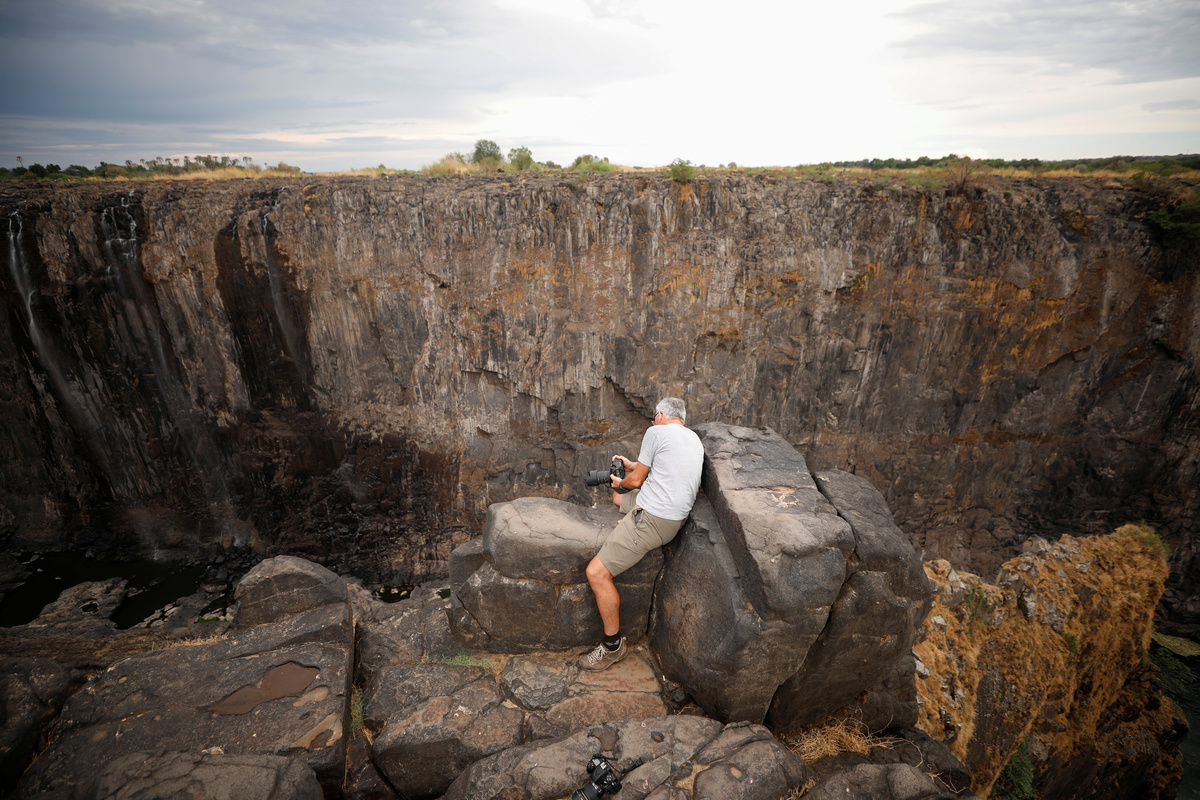
Visitors take pictures before dry cliffs following a prolonged drought at Victoria Falls, Zimbabwe, December 4, 2019. Picture taken December 4, 2019. REUTERS/Mike Hutchings

While they typically slow down during the dry season, officials said this year had brought an unprecedented decline in water levels.

"In previous years, when it gets dry, it's not to this extent. This (is) our first experience of seeing it like this," Dominic Nyambe, a seller of tourist handicrafts in his 30s said outside his shop in Livingstone, on the Zambian side.

"It affects us, because ... clients ... can see on the Internet (that the falls are low) .... We don't have so many tourists."
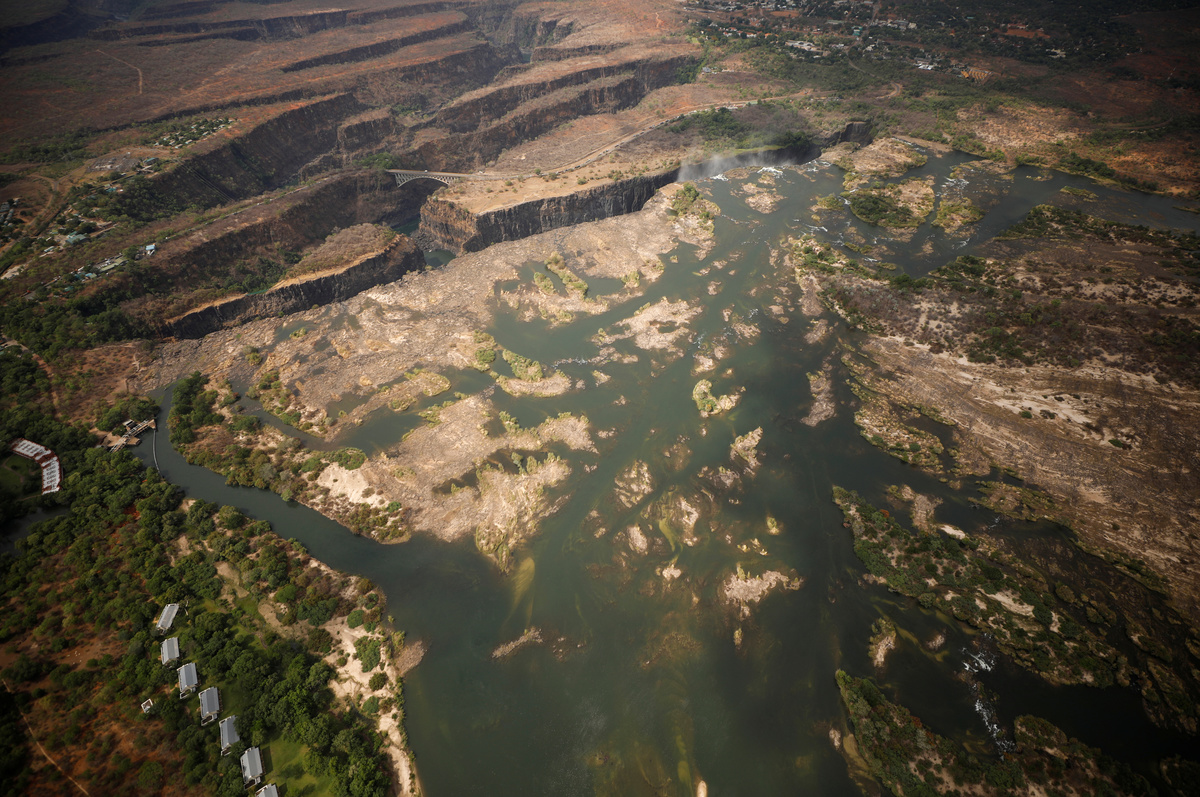
A dry section of the Zambezi river is seen above the gorge on the Zambian side of Victoria Falls, Zambia, following a prolonged drought, December 5, 2019. Picture taken December 5, 2019. REUTERS/Mike Hutchings

As world leaders gather in Madrid for the COP25 to discuss ways to halt catastrophic warming caused by human-driven greenhouse gas emissions, southern Africa is already suffering some of its worst effects -- with taps running dry and some 45 million people in need of food aid amid crop failures.

Zimbabwe and Zambia have suffered power cuts as they are heavily reliant on hydropower from plants at the Kariba Dam which is on the Zambezi river downstream of the waterfalls.

Stretches of this kilometre-long natural wonder are nothing but dry stone. Water flow is low in others.
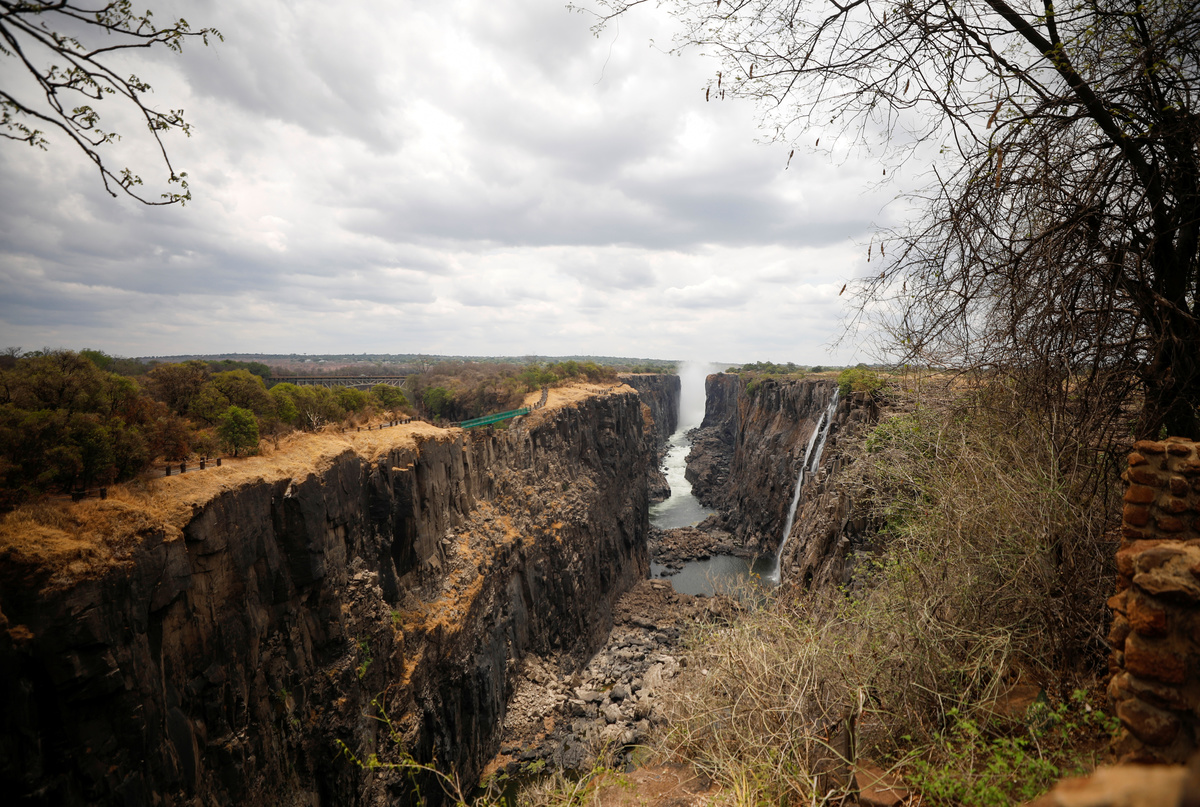
Spray rises up in the distance along the parched gorge on the Zambian side of Victoria Falls, Zambia, December 5, 2019. Picture taken December 5, 2019. REUTERS/Mike Hutchings

STARK REMINDER

Data from the Zambezi River Authority shows water flow at its lowest since 1995, and well under the long term average. Zambian President Edgar Lungu has called it "a stark reminder of what climate change is doing to our environment".
A dry section of the Zambezi river is seen above the gorge on the Zambian side of Victoria Falls, Zambia, following a prolonged drought, December 5, 2019. Picture taken December 5, 2019. REUTERS/Mike Hutchings

Yet scientists are cautious about categorically blaming climate change. There is always seasonal variation in levels.

Harald Kling, hydrologist at engineering firm Poyry and

a Zambezi river expert, said climate science deals in decades, not particular years, "so it's sometimes difficult to say this is because of climate change because droughts have always occurred".
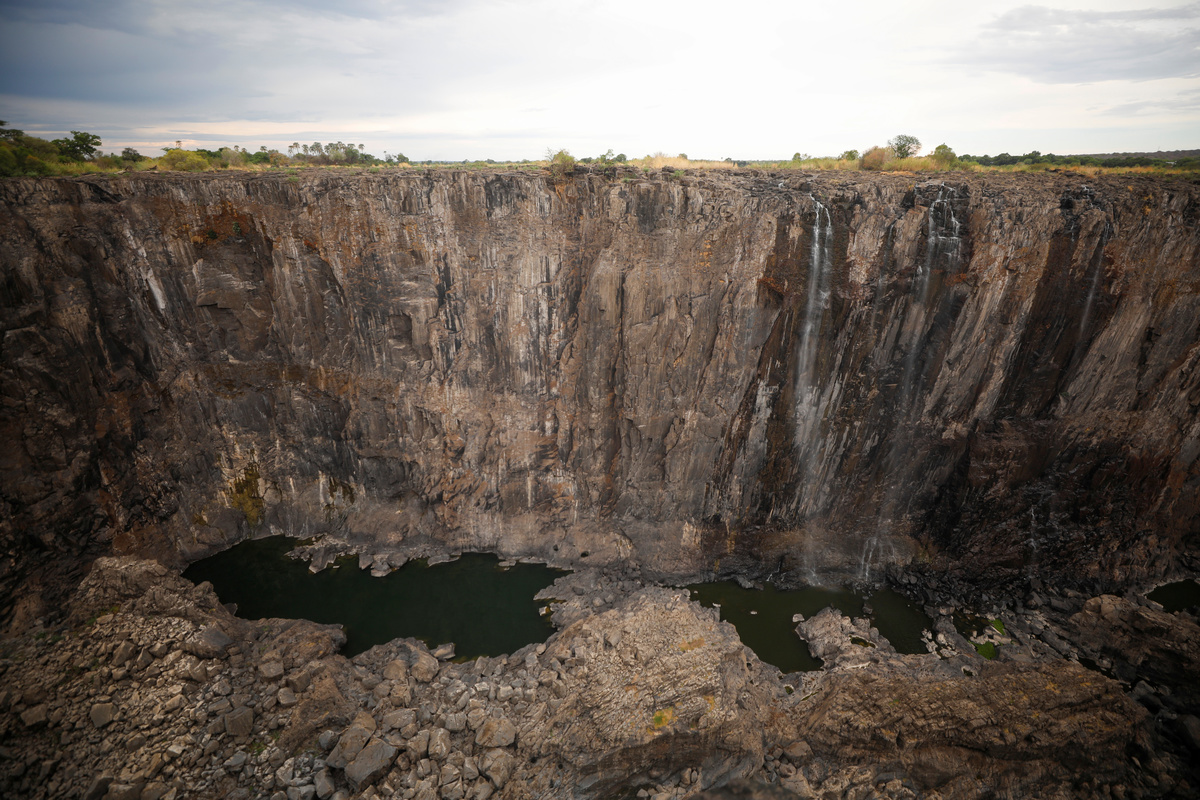
Dry cliffs are seen following a prolonged drought at Victoria Falls, Zimbabwe, December 4, 2019. Picture taken December 4, 2019. REUTERS/Mike Hutchings

"If they become more frequent, then you can start saying, ok, this may be climate change," he added.

He said early climate models had predicted more frequent dry years in the Zambezi basin, but that "what was surprising was that it (drought) has been so frequent" -- the last drought was only three years ago. As the river gets hotter, 437 million cubic metres of water are evaporating every second, he said.

In Livingstone this week, four tourists stared into a mostly dry chasm normally gushing with white water. German student Benjamin Konig was disappointed.
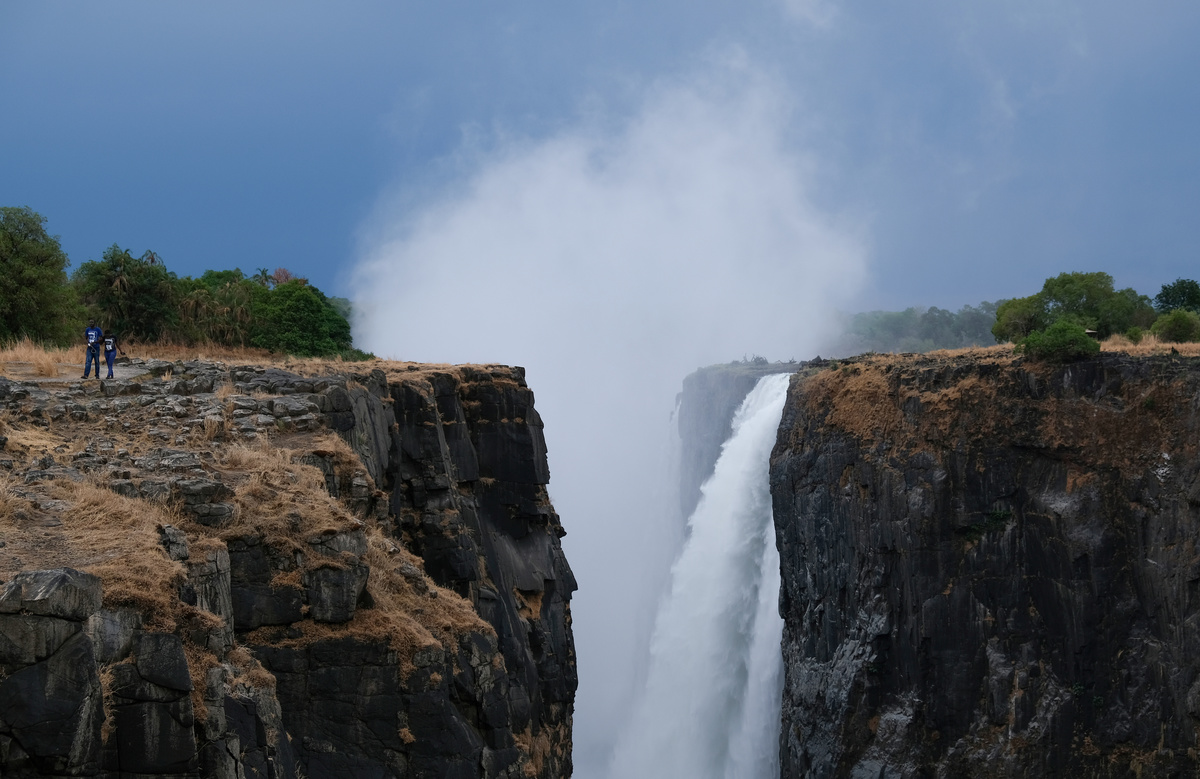
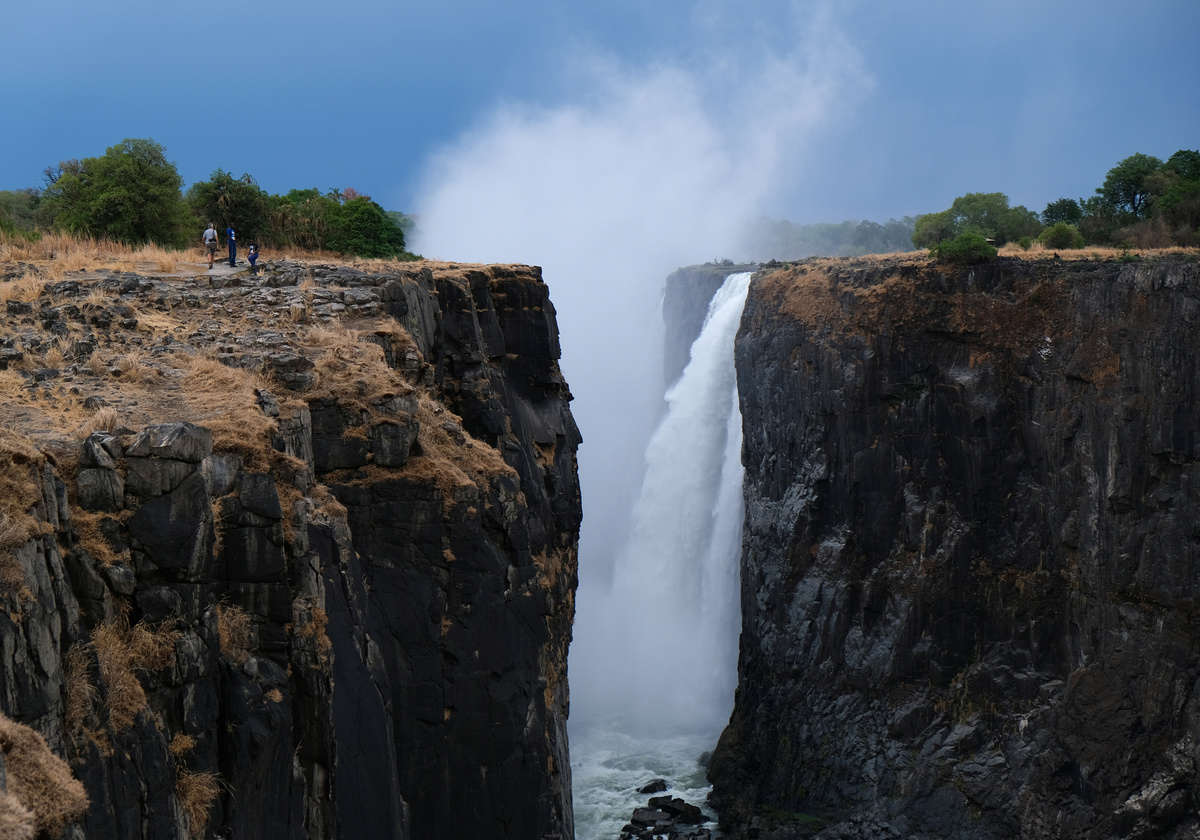
Visitors walk along a walkway as spray rises up from a flowing section of Victoria Falls, Zimbabwe, December 4, 2019. Picture taken December 4, 2019. REUTERS/Mike Hutchings

"Seems to be not much (water), a few rocky stones with a little water between it," he said.

Richard Beilfuss, head of the International Crane Foundation, who has studied the Zambezi for the past three decades, thinks climate change is delaying the monsoon, "concentrating rain in bigger events which are then much harder to store, and a much longer, excruciating dry season".
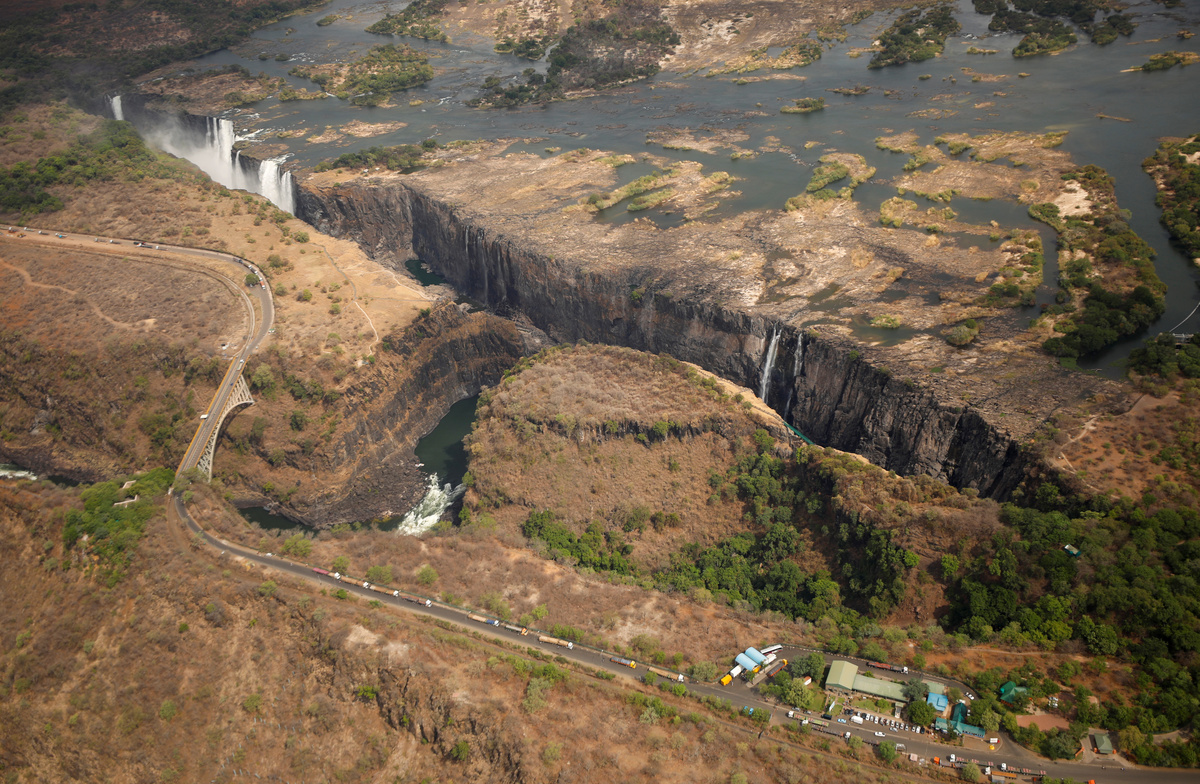
A dry section of the Zambezi river is seen above the gorge on the Zambian side of Victoria Falls, Zambia, following a prolonged drought, December 5, 2019. Picture taken December 5, 2019. REUTERS/Mike Hutchings

(This story corrects December 6 story to make clear Kariba dam is downstream, not upstream of the falls, paragraph 7)
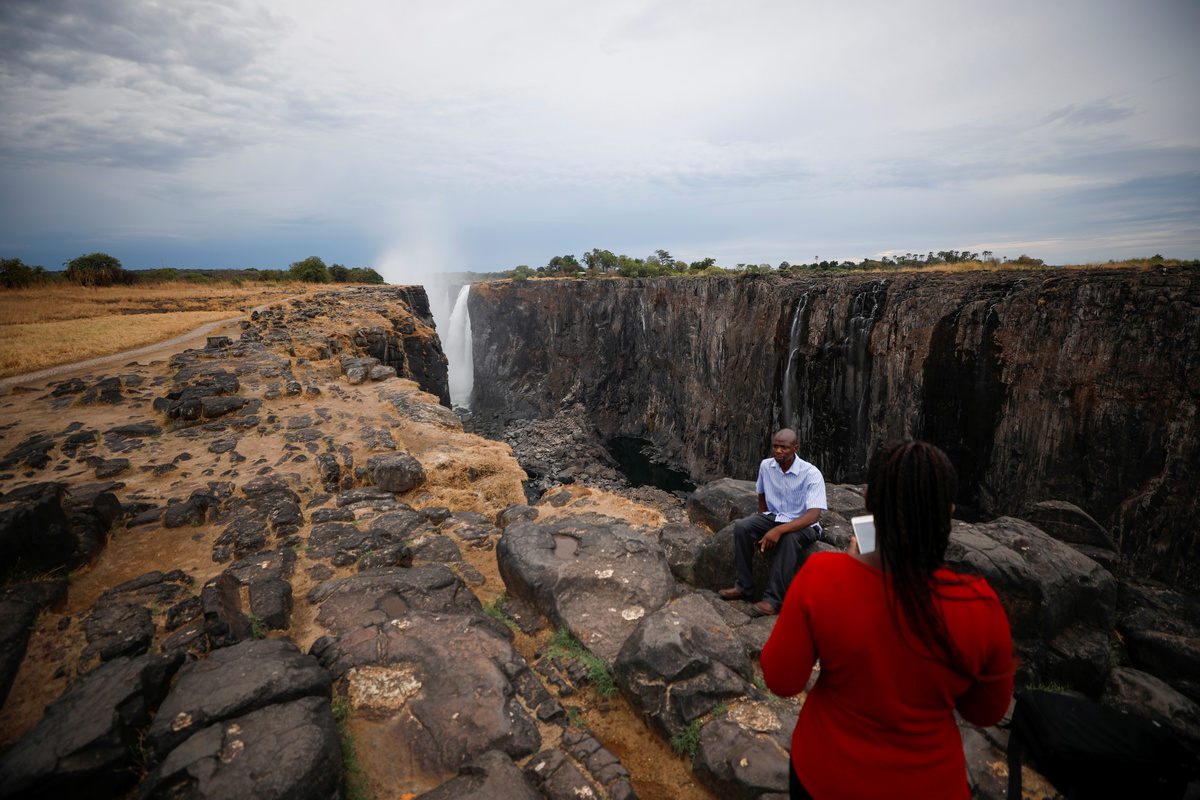
Visitors take pictures before dry cliffs following a prolonged drought at Victoria Falls, Zimbabwe, December 4, 2019. Picture taken December 4, 2019. REUTERS/Mike Hutchings

(Reporting by Mike Hutchings in Victoria Falls and Tim Cocks in Johannesubrg; additional reporting by Chris Mfula in Lusaka, Editing by Emelia Sithole-Matarise)
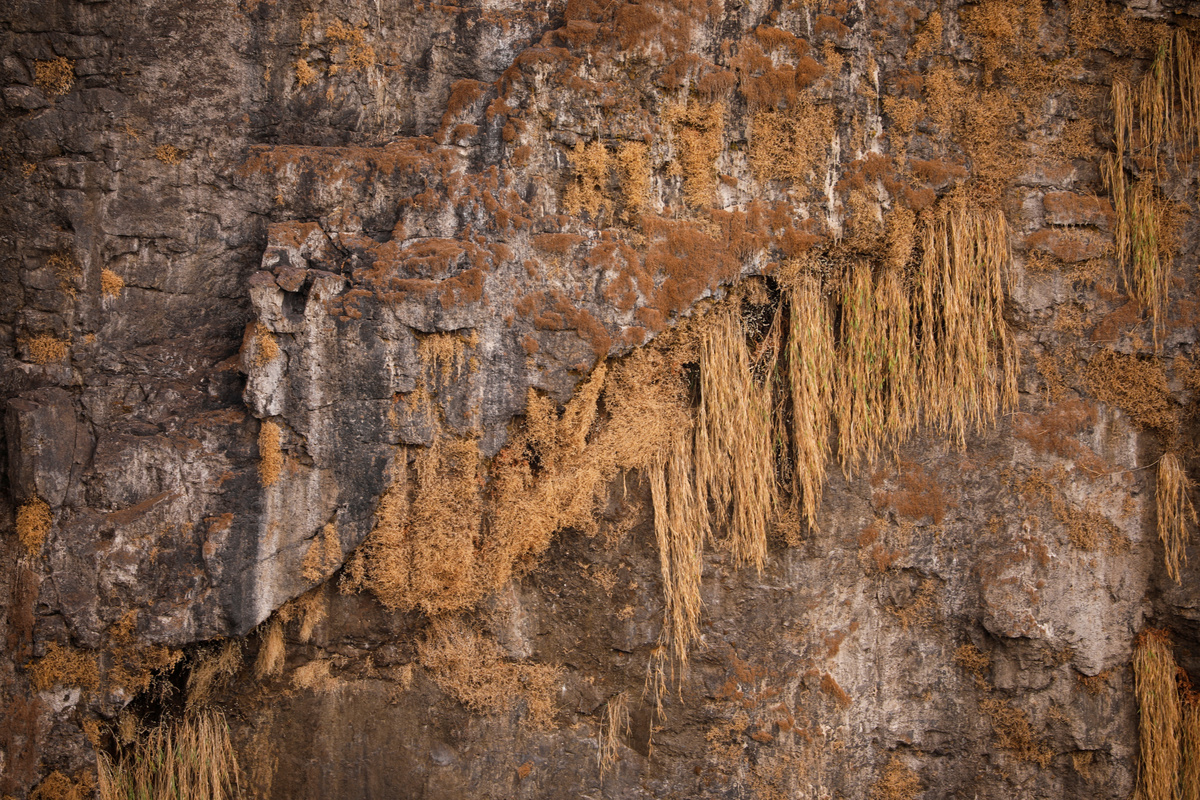
Dry cliffs are seen following a prolonged drought at Victoria Falls, Zimbabwe, December 4, 2019. Picture taken December 4, 2019. REUTERS/Mike Hutchings
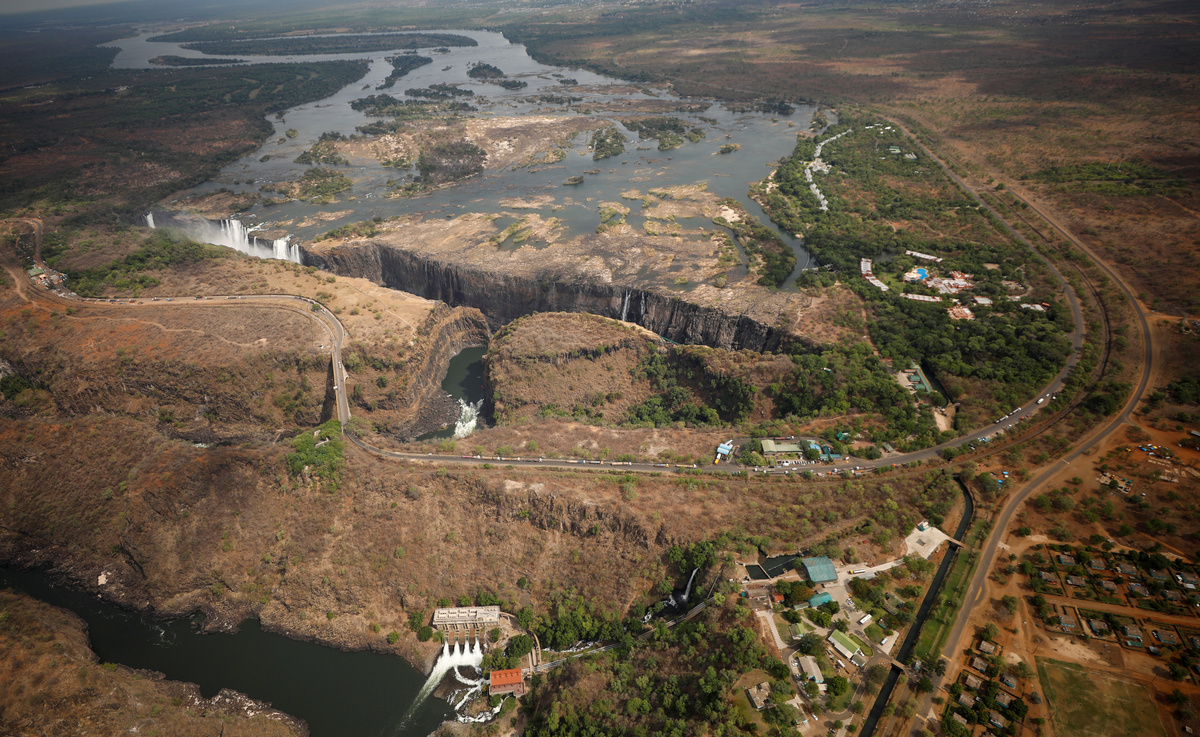
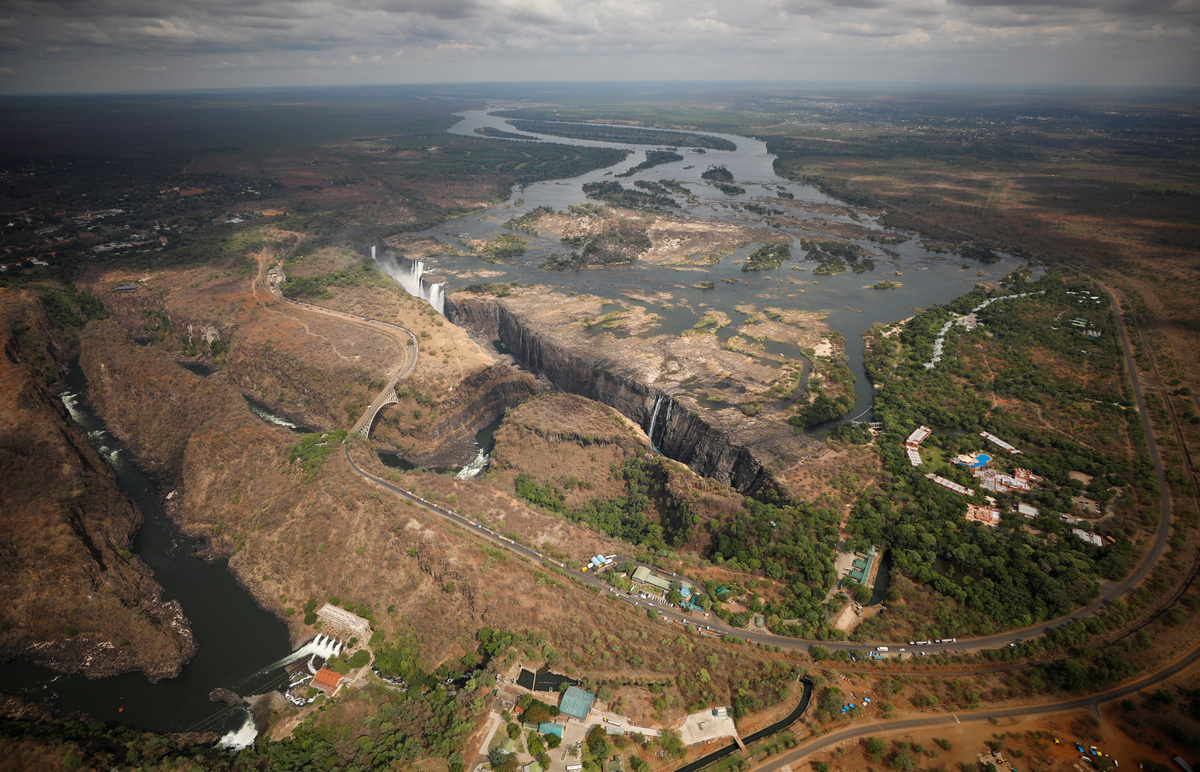
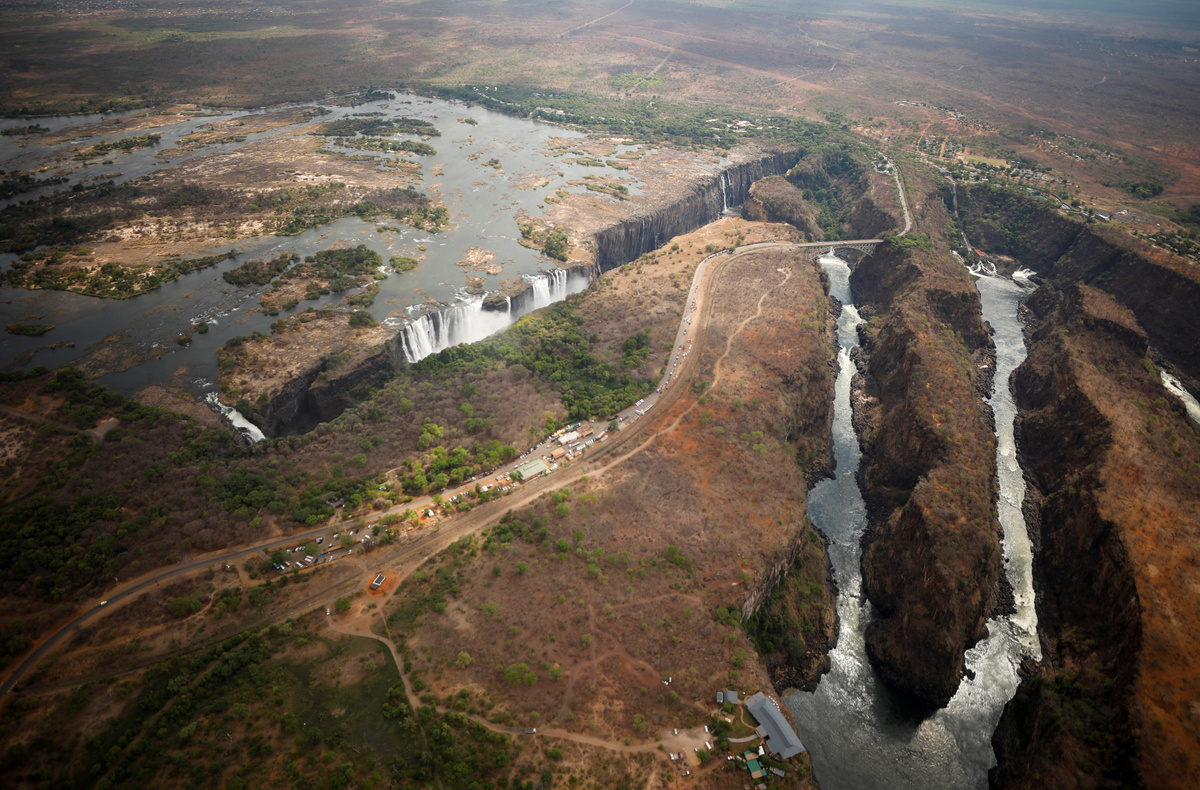
The Victoria Falls is seen from the air following a prolonged drought from the Zimbabwean side at Victoria Falls, Zimbabwe, December 5, 2019. Picture taken December 5, 2019. REUTERS/Mike Hutchings
A dry section of the Zambezi river is seen above the gorge on the Zambian side of Victoria Falls, Zambia, following a prolonged drought, December 5, 2019. Picture taken December 5, 2019. REUTERS/Mike Hutchings
Visitors walk along a walkway as spray rises up from a flowing section of Victoria Falls, Zimbabwe, December 4, 2019. Picture taken December 4, 2019. REUTERS/Mike Hutchings
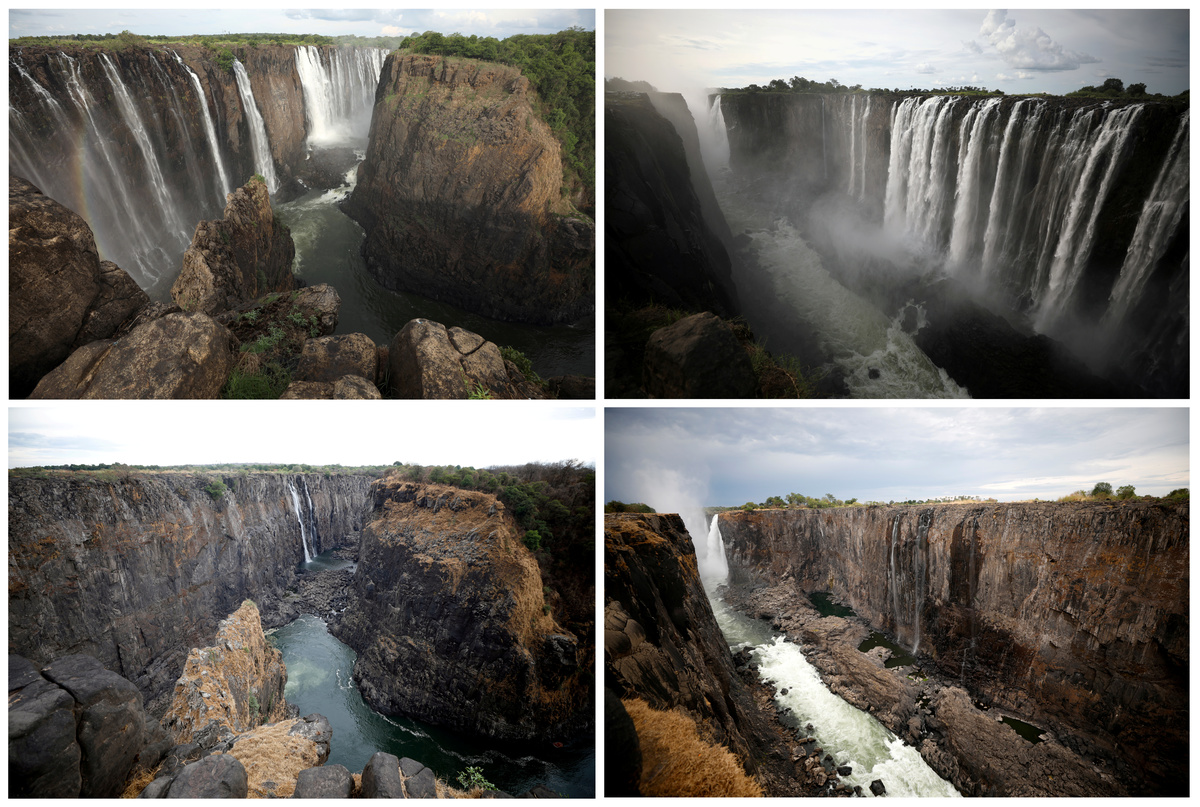
FILE PHOTO: A combination picture shows water flowing (top) and low-water levels after a prolonged drought (bottom) at Victoria Falls, Zimbabwe taken January 17, 2019 and December 4, 2019. REUTERS/Staff
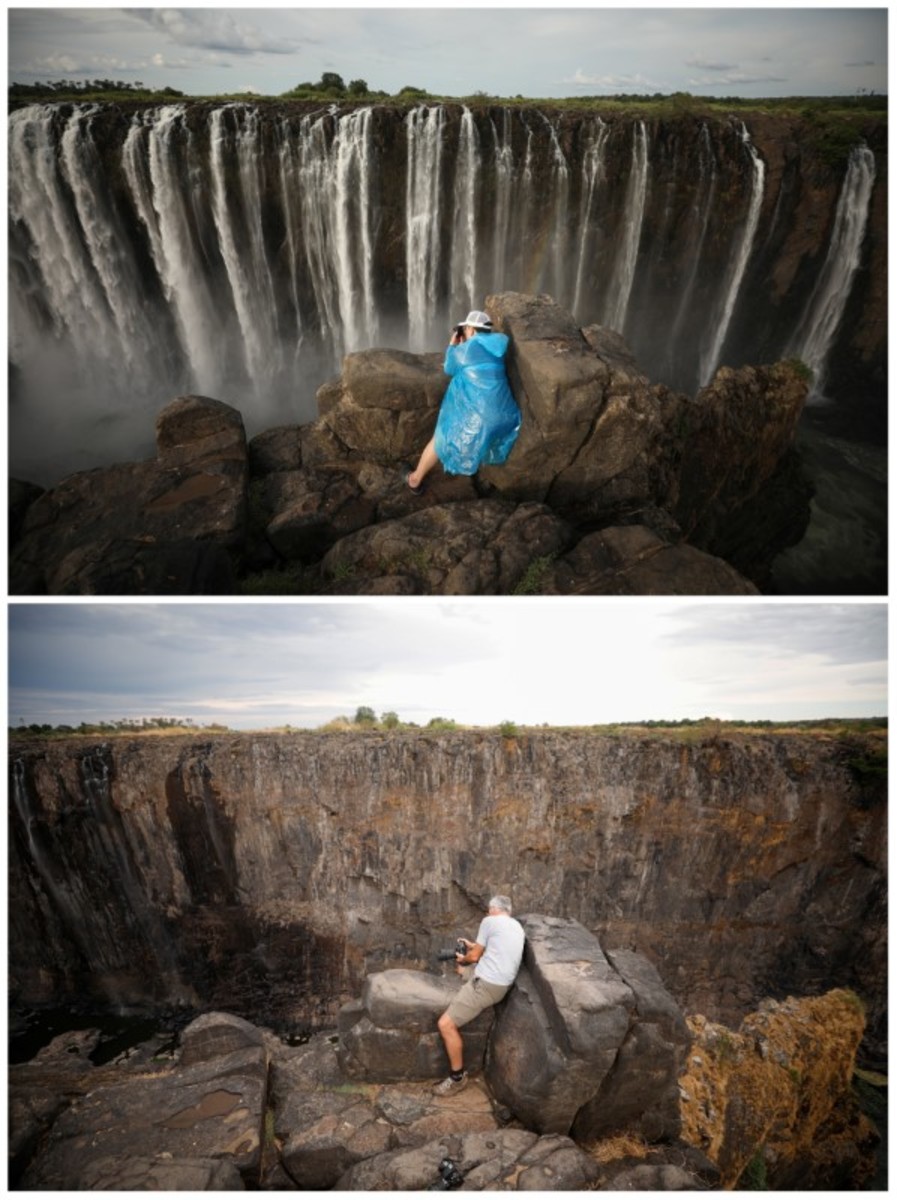
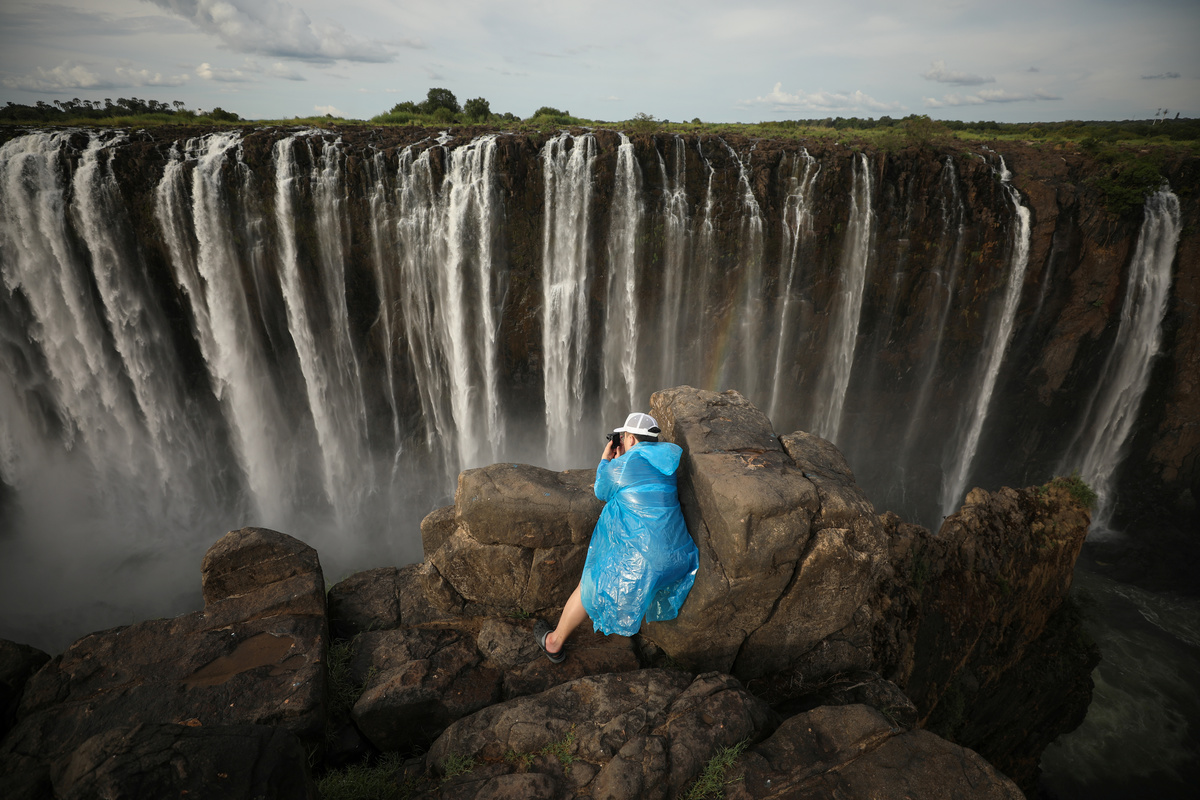
A combination picture shows visitors taking pictures in front of flowing water (top) and dry cliffs following a prolonged drought (bottom) at Victoria Falls, Zimbabwe taken January 17, 2019 and December 4, 2019. REUTERS/Mike Hutchings
A visitor takes pictures before flowing water at Victoria Falls, Zimbabwe, January 17, 2019. Picture taken January 17. REUTERS/Mike Hutchings
Sign up to read this article
Read news from 100’s of titles, curated specifically for you.
Already a member? Sign in here
Related Stories
Top stories on inkl right now
Our Picks
Fourteen days free
Download the app
One app. One membership.
100+ trusted global sources.