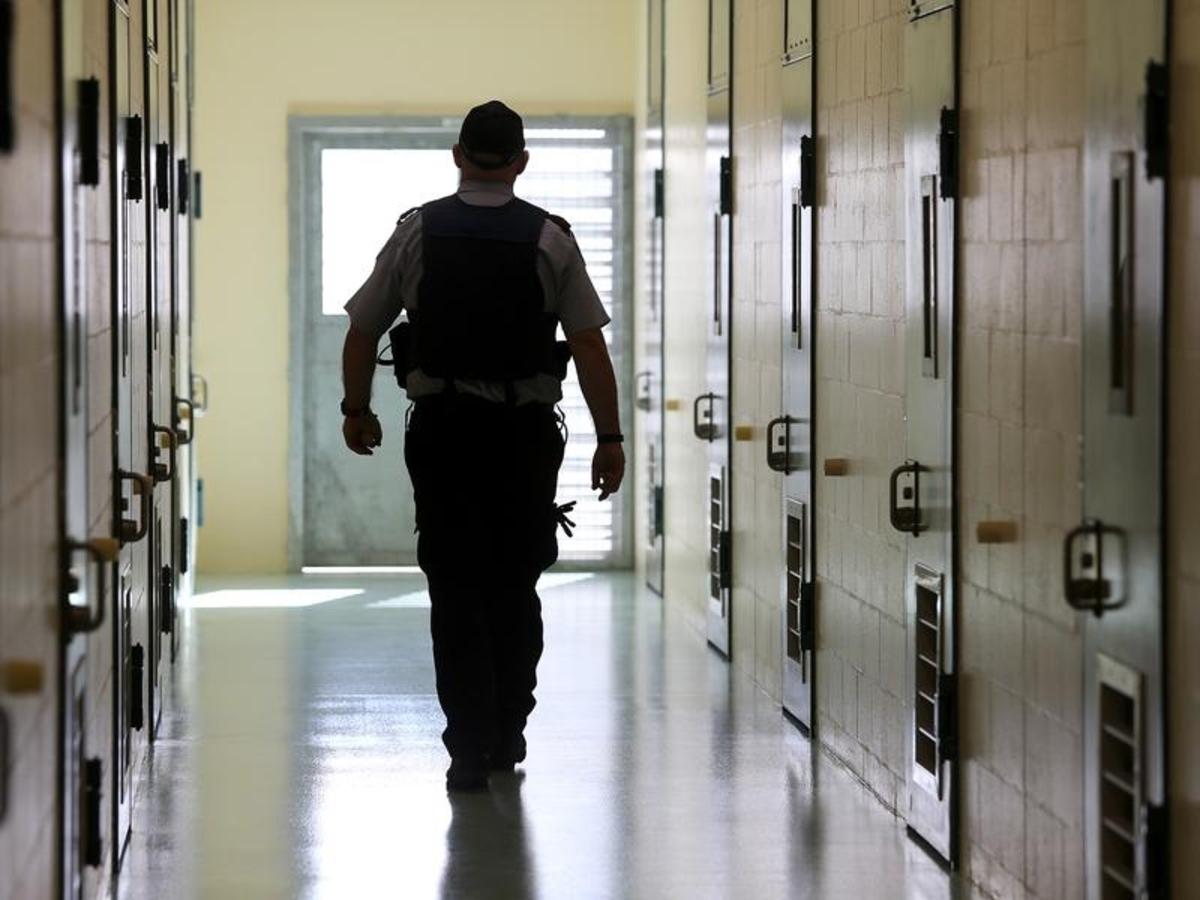
Victorian prisoners are still subject to secretive disciplinary hearings rife with potential unfairness, an independent report has found.
The 90-page Victorian Ombudsmen report released on Wednesday said undocumented pre-hearing discussions appear widespread and prisoners were often not given reasons for decisions or enough information about the charge.
It also identified a lack of discretion in escalating minor offences to a formal disciplinary hearing, placing an additional burden on staff and prisoners.
The prison disciplinary process deals with prisoners who break facility rules, with some 10,000 hearings a year taking place across Victoria's network of 14 prisons.
Ombudsman Deborah Glass said complaints to her office had continued despite most of her predecessor's recommendations from a 2011 report into the issue being accepted.
"Ultimately, while we found improvements in some areas since 2011, disciplinary hearings in Victorian prisons are still carried out 'in the dark' with insufficient scrutiny, oversight or transparency," she wrote in the report.
"While we observed some good practices and decisions, the potential for unfairness is still rife."
Examples included a prisoner officer reportedly reneging on a backroom offer to a prisoner whom he told would not be taken off methadone if he pleaded guilty, and the charging of a suicidal prisoner after he resisted a strip-search - despite him apologising the next day.
Prisoners found guilty of breaches can lose opportunities for parole and be stripped of other privileges including telephone calls, out-of-cell time, and contact visits with family.
Ms Glass noted prisoners found guilty of a breach currently had no right of review other than to apply to the Supreme Court.
"In what other system is someone directed to the Supreme Court when their alleged transgression has been judged by their keeper," she said.
Invoking the words of former South African president Nelson Mandela, who spent more than 27 years in jail, Ms Glass said a nation should not be judged by how it treats its highest citizens but its lowest.
"Fairness for prisoners may not be a popular subject, but the lack of it damages our reputation as a civilised society," she wrote.
She added Corrections Victoria had nothing to fear by adopting her six recommendations to improve fairness and transparency in what she described as a "notoriously opaque process".
Corrections Victoria has been contacted by AAP for comment.
VICTORIAN DISCIPLINARY PRISON HEARING RECOMMENDATIONS
*Develop an internal review mechanism for disciplinary hearings
*Establish a dedicated team responsible for conducting disciplinary hearings
*Implement a strategy to reduce minor offences proceeding to hearings
*Require hearing officers to record written reasons for disciplinary outcomes and make these available to prisoners upon request
*Implement measures to improve prisoner understanding and experiences of the disciplinary hearing process
*Investigate integrating disciplinary hearing processes and files into a centralised electronic records system
Lifeline 13 11 14
beyondblue 1300 22 4636


.png?w=600)