A new bill before Victoria's parliament could make it a crime to publish the names of dead rape victims in the state.
Changes to the Judicial Proceedings Reports Act being debated in the lower house on Wednesday, which if passed, will criminalise the naming of deceased sexual assault victims without a court's approval.
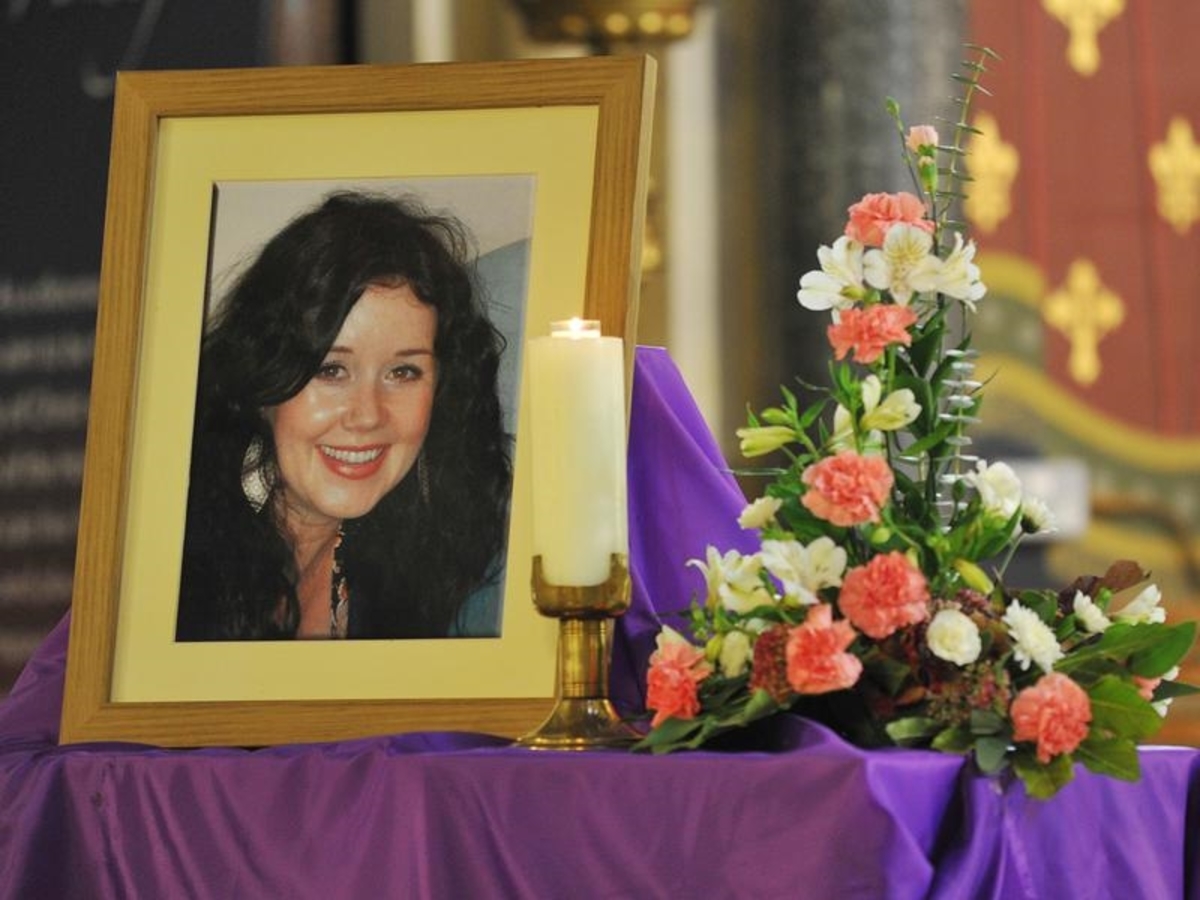
The proposed changes have come as a shock to grieving families, including the mother of Jill Meagher, who was raped and murdered in 2012.
"I am f***ing fuming that they have not even contacted any of the family," Edith McKeon posted on Facebook.
"Gillian would have been 38 next Saturday and would have been a brilliant mum. We will fight it."
The legislation seeks to fix laws enacted in February, which prevented living sexual assault survivors from speaking publicly and using their real names without a court order.
But the bill also clarifies existing, albeit largely ignored, laws that prevent the publication of identifying details after a victim's death.
"Currently, if a victim of sexual offending is deceased it is against the law for those details to be published or referred to publicly by family or the media," Attorney-General Jill Hennessy told reporters on Wednesday.
"This bill seeks to provide a process for members of the family who wish to put those details into the public domain."
Ms Hennessy said there were varying views among victim's families, with some not wanting such details made public.
"The view was that we needed to have a process for the differing views of families to be able to be considered before those matters are put into the public domain because of course, once those matters are put into the public domain you can't reverse that," she said.
Ms Hennessy said the government would pursue further reforms next year after consulting with families, which could minimise or remove the need for a court-based approval process.
The current changes before parliament are backed by the Law Institute of Victoria and Victoria's Director of Public Prosecutions Kerri Judd QC.
Ms Judd said the changes do not prevent families from identifying their loved ones.
"I have not sought to have this legislation enforced against victims and their families as it has not been in the public interest to do so," she said in a statement.
"I have sought to have the existing legislation enforced when reporting or anticipated reporting has led to distress to victims and their families."
Law Institute of Victoria co-chair Mel Walker said the purpose of the changes was to protect victims.
She said a person who carefully guarded their anonymity during their life should not have that right evaporate when they pass away.
"Identifying a deceased person as a victim of sexual assault is a complex issue. It is often in these sensitive and distressing circumstances that the need for robust judicial oversight is warranted," she said.
"The court must take into account the views of family members, who may present valid opposing opinions, to ensure that the release of highly sensitive material is properly considered and in the public interest."
The state's opposition is seeking to defer debate on the bill until the concerns of families of victims of crime are addressed.