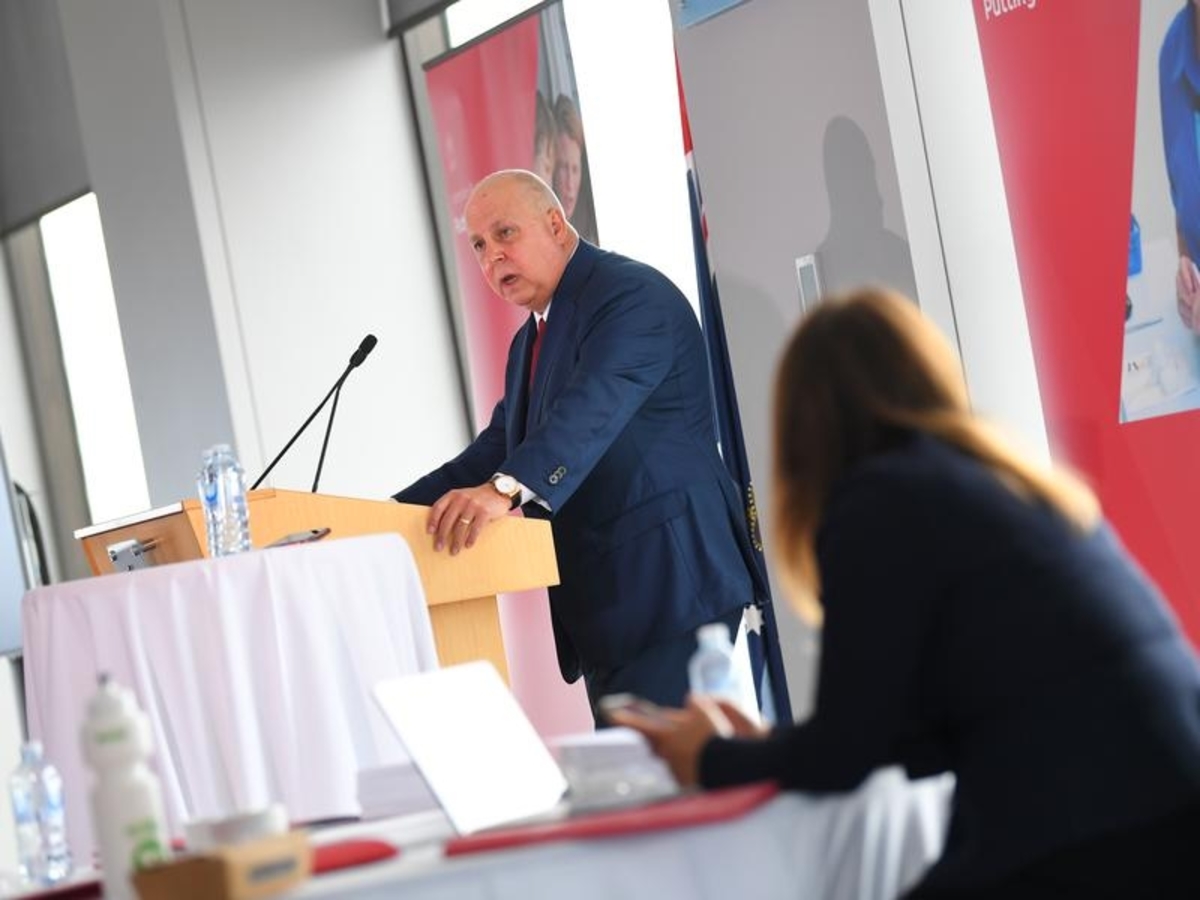
The Victorian government will spend $1.5 billion on further tax relief measures for businesses, home buyers and developers.
The 2020/21 budget, unveiled on Tuesday, includes a New Jobs Tax Credit, which will support small and medium-sized businesses that rehire staff, restore hours or create new jobs.
Under the plan, a business will have a tax credit of 10 cents for every dollar it increases taxable Victorian wages. The more businesses rehire staff and employ new workers, the less payroll tax they'll have to pay.
The relief measure will be available for two years, saving businesses an estimated $836 million and helping support 9400 people back into employment.
The government has already announced more than $3.5 billion in tax and fee relief since the start of the pandemic, including payroll tax deferrals for small and medium businesses until next financial year.
Building on this, the government will also increase the threshold for annual payroll tax from 2021/22. Up to 7000 extra businesses will be able to pay their payroll tax annually.
Those looking to buy a home will be able to receive a 50 per cent waiver on stamp duty for newly built or off-the-plan homes. Existing homes will be eligible for a 25 per cent waiver.
A 50 per cent stamp duty concession on the purchase of commercial and industrial properties will be brought forward to January 2021, in an effort to encourage more businesses to open, relocate or expand in Victoria.
Land tax discounts of up to 50 per cent will also be on offer for build-to-rent developments.
Some money will return to the coffers though, through a new distance-based levy for drivers of zero and low-emission light vehicles, to offset losses in fuel excise.
Electric cars will pay 2.5 cents per kilometre, while drivers of low-emission cars will be charged two.
It will cost the average driver between $260 and $300 each year.
More than $45 million is set aside in the budget to accelerate the adoption of the vehicles.