Vibrant Cape Verdean culture draws people to drab Lisbon outskirt
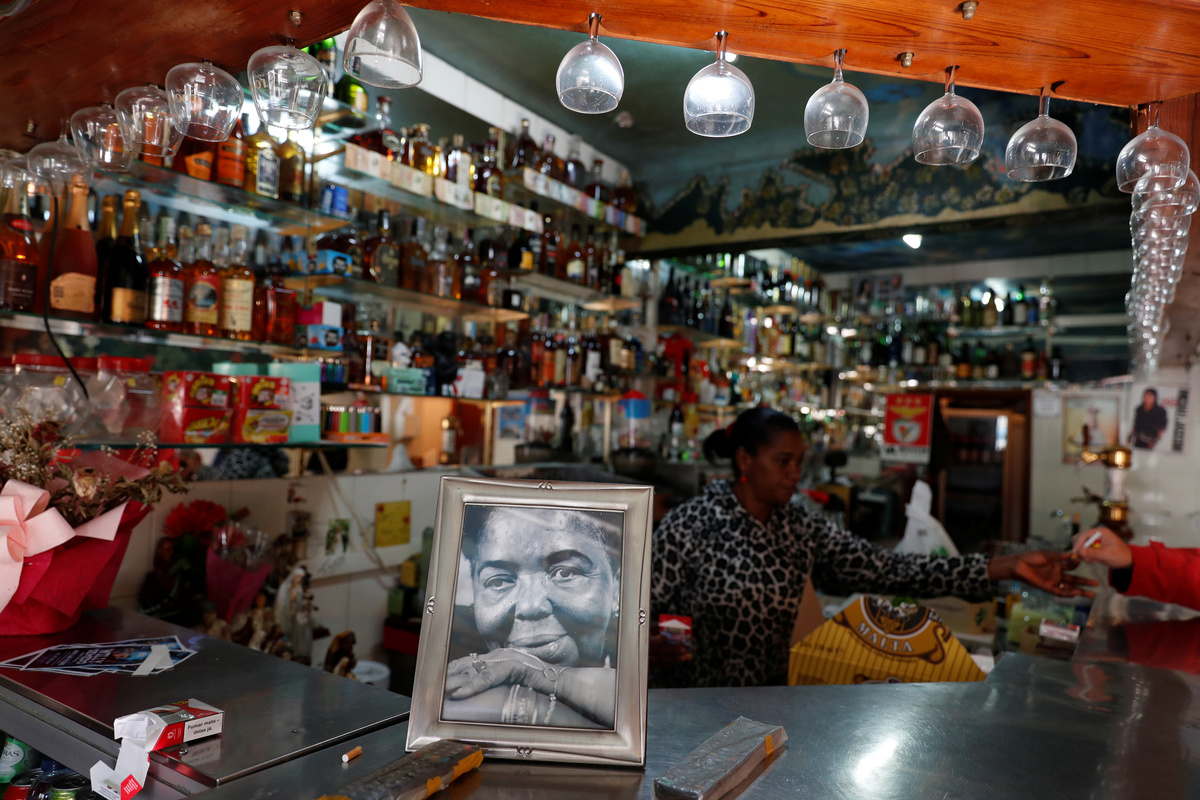
A photograph of Cape Verde's singing legend Cesaria Evora sits inside a restaurant in Cova da Moura neighbourhood in Lisbon, Portugal, November 23, 2018. REUTERS/Rafael Marchante
LISBON (Reuters) - Just a 20-minute drive from downtown Lisbon lies Cova da Moura, one of Portugal's poorest and most neglected neighborhoods, but whose immigrants from Cape Verde are transforming the area's image.
Long considered a no-go area by Lisbon residents, Cova da Moura is a warren of small streets where Cape Verdeans make up two-thirds of the 6,000 residents. They celebrate their home, a tiny archipelago off Africa's west coast, with music, food and street art - which tourists increasingly want to experience.
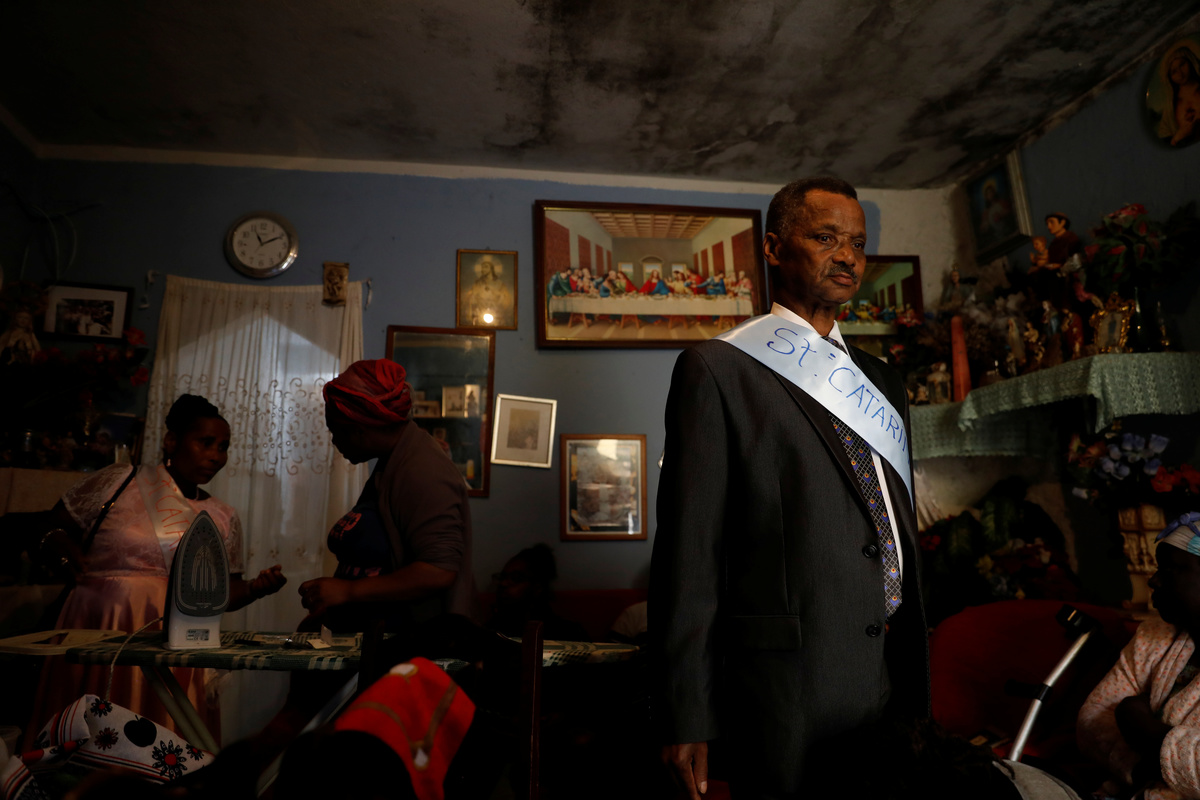
Now retired Evaristo Marques, 75, prepares at his house to celebrate the day of Santa Catarina in Cova da Moura neighbourhood in Lisbon, Portugal, November 25, 2018. Marques, who was born in Cape Verde's capital Praia, doesn't see himself living anywhere else in Lisbon. "People can say whatever they want about Cova da Moura but I will only leave this place when I'm dead," he said. REUTERS/Rafael Marchante
"Sometimes the only thing people know about Cova da Moura is the negative side," said Paulo Cabral, 36, who was born locally to Cape Verdean parents. "But that isn't the whole truth."
Sitting meters away from the tiny room where he grew up, Cabral, who now organizes tours of Cova da Moura, said contact with its people helps change perceptions.
He jokingly calls Cova da Moura a "more developed area" of Cape Verde.
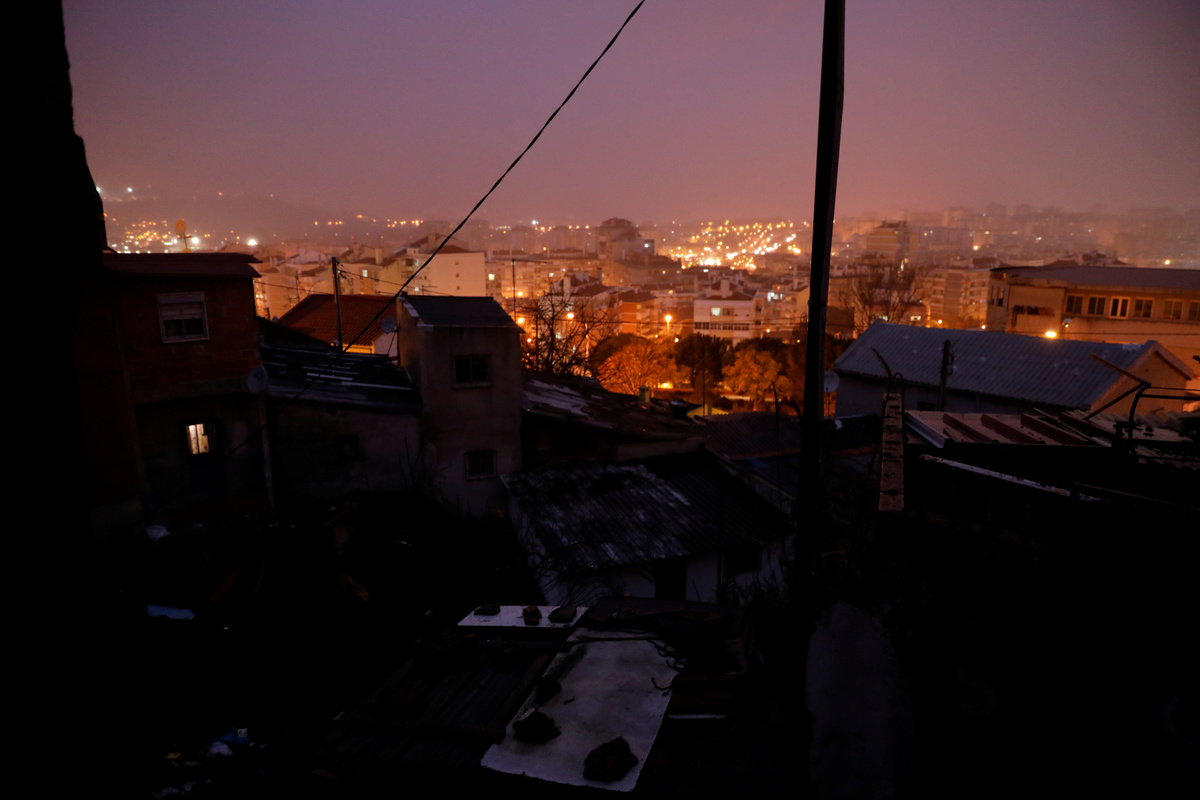
Lisbon is seen from Cova da Moura neighbourhood in Lisbon, Portugal, January 29, 2019. REUTERS/Rafael Marchante
"When you visit once you keep on coming back."
His tours cost 5 euros per person, and are most popular with tourists to Portugal, particularly from Germany. A typical Cape Verdean lunch on the tour costs 7.50 euros.
Cova da Moura's simple brick and concrete dwellings stretch across 16 hectares of hills on the outskirts of the capital.
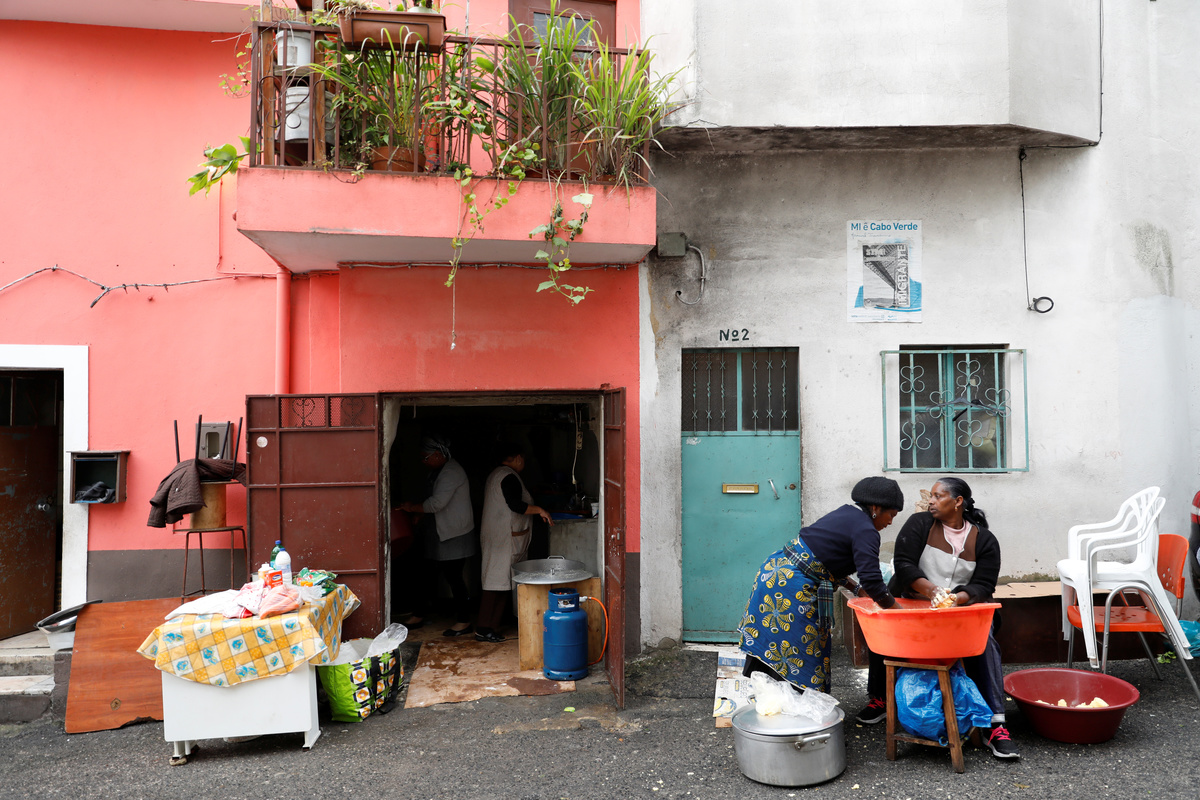
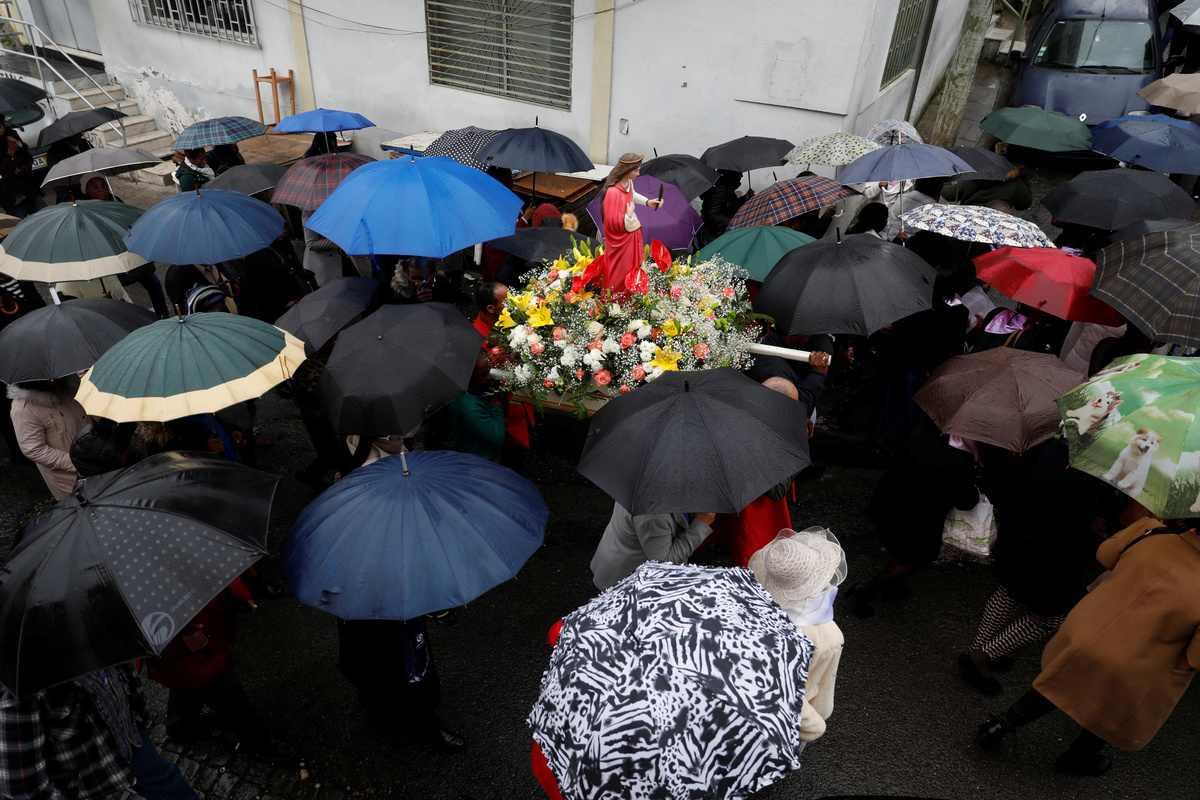
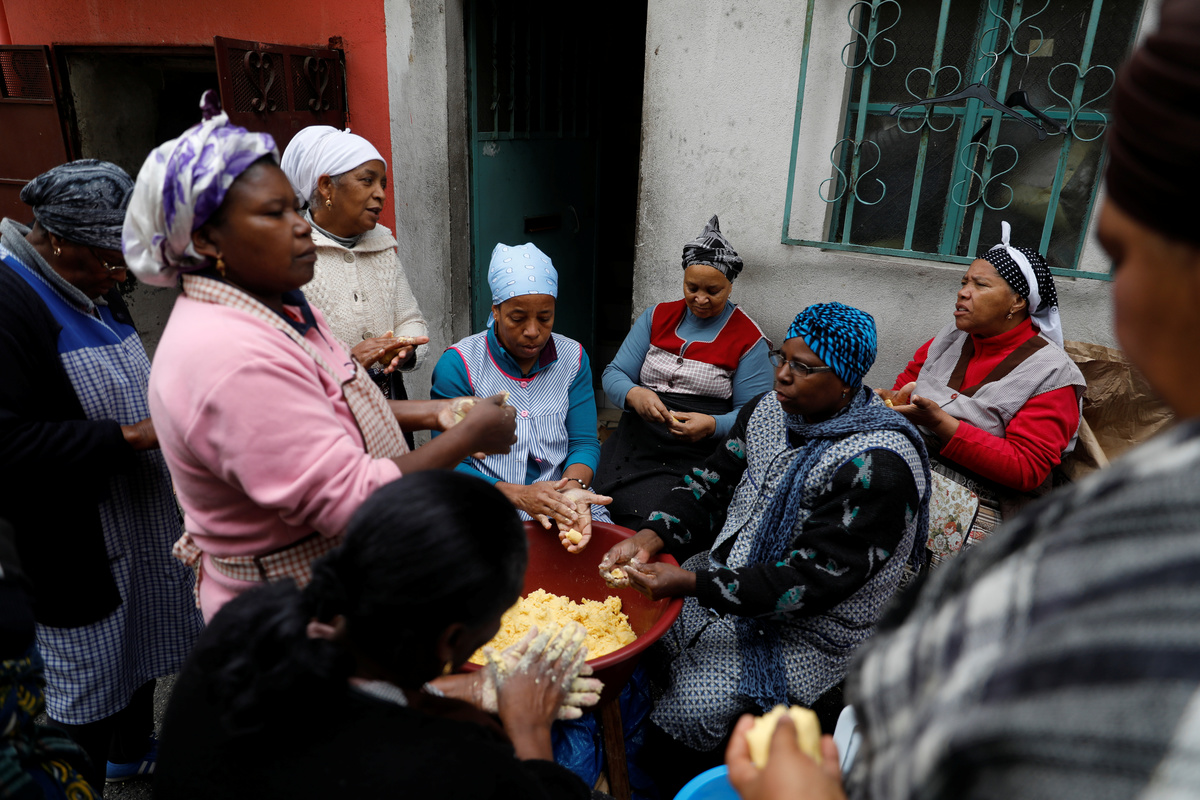
Women make balls with corn flour during the celebration of Santa Catarina at Cova da Moura neighbourhood in Lisbon, Portugal, November 25, 2018. Santa Catarina is one of the most important religious celebrations in Cape Verde and in Cova da Moura too. Every year locals attend a church service and take over the streets to celebrate the saint. Community parties are held afterwards. During the church service a choir sings religious songs in Cape Verdean Creole, a Portuguese-based Creole language widely spoken in the neighbourhood. REUTERS/Rafael Marchante
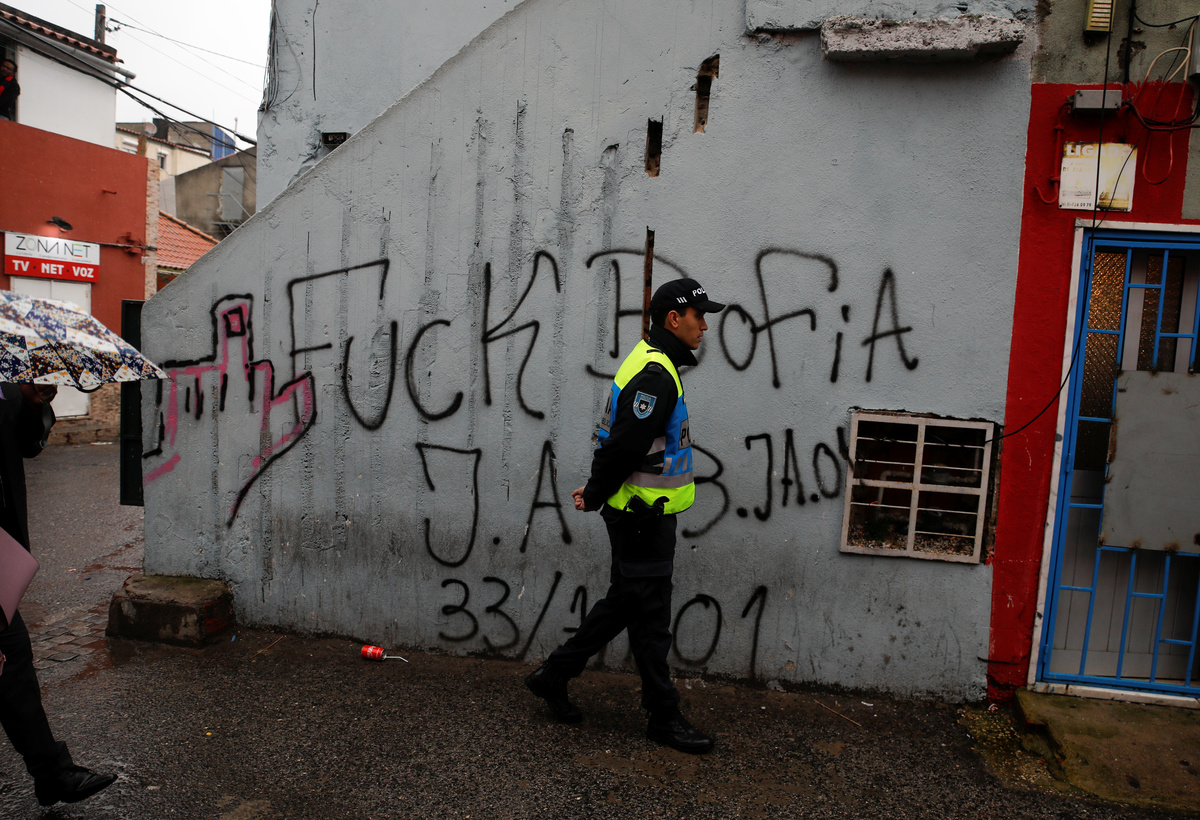
The area remains notorious within Portugal for its crime rate and a trial over alleged police brutality. Seventeen officers at a local police station have been charged with torture, kidnapping, falsifying reports and other crimes.
Police declined to comment as the trial is ongoing.
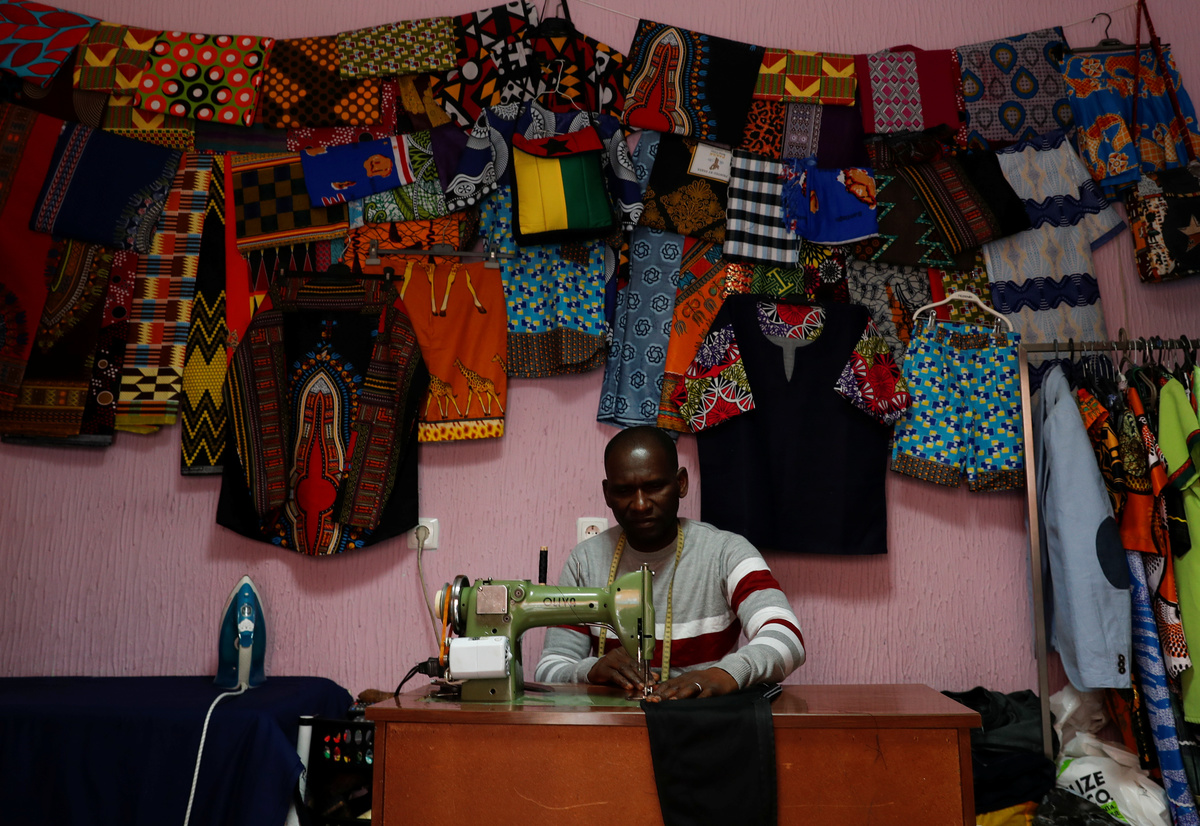
Idrissa Mane, 44, works at his sewing workshop in Cova da Moura neighbourhood in Lisbon, Portugal, November 23, 2018. Colourful patterns of African clothes can be spotted from outside Mane's store. "All materials come from Africa," he said. REUTERS/Rafael Marchante
MORNA MUSIC
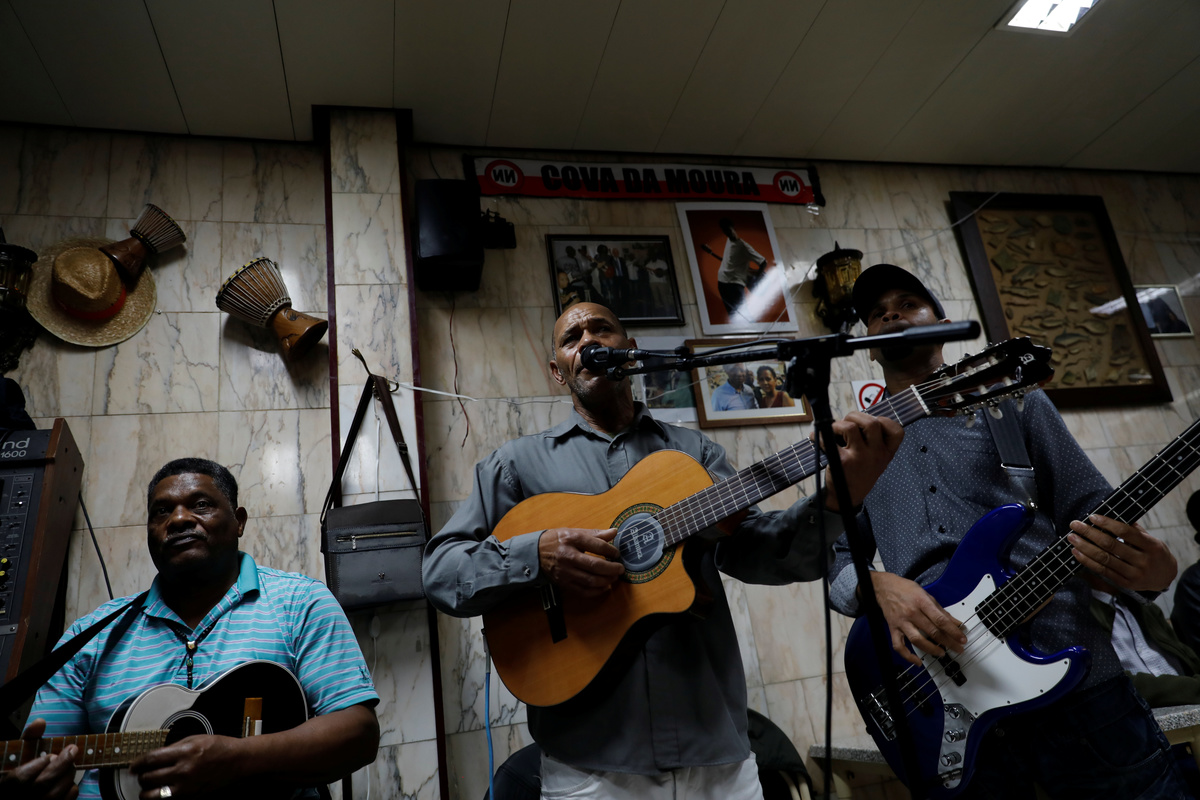
Of an evening, Cova da Moura is alive with African beats and melodies. One of the musicians is Francisco Fortes. A bricklayer by day, the 56-year-old's true passion emerges when he takes the stage at Coqueiro, one of the dozens of restaurants serving traditional food, to sing 'morna' ballads.
Made famous by Cape Verde's singing legend Cesaria Evora, 'morna' is a musical mainstay here. The more upbeat 'funana' and 'batuque' styles, which will feature in pop star Madonna's upcoming album, are also popular.
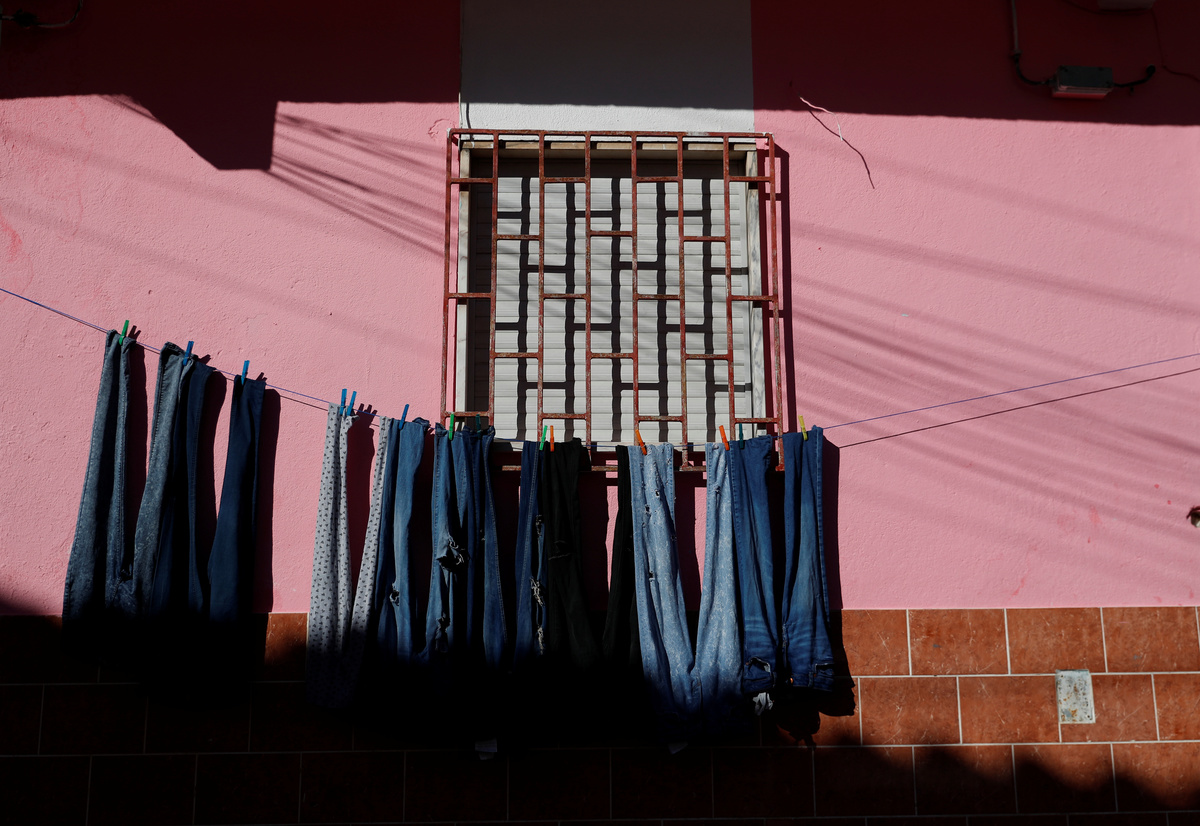
Laundry hangs outside a house in Cova da Moura neighbourhood in Lisbon, Portugal, November 23, 2018. REUTERS/Rafael Marchante
Madonna has had a home in Portugal since 2017.
"Living in Cova da Moura is just like living in Cape Verde," Fortes said as he ate a richly-flavored 'cachupa' stew.
In the streets, some named after Cape Verdean islands, graffiti paintings honor the country's heroes, such as Amilcar Cabral, who fought against Portuguese colonial rule.
Rapper Timor Young Smoke, 27, poses for a portrait as he has a drink with his friends in Cova da Moura neighbourhood in Lisbon, Portugal, December 1, 2018. Timor has a successful career as a rapper and, among other things, uses his music to highlight social issues, including police violence. REUTERS/Rafael Marchante
Now retired, 75-year-old Evaristo Marques, who was born in Cape Verde's capital Praia, doesn't see himself living anywhere else. "People can say whatever they want about Cova da Moura but I will only leave this place when I'm dead," he said.
People like Evaristo started settling in Cova da Moura in the 1960s, but it was only in 1974, when the "Carnation Revolution" ended Portugal's dictatorship, that the neighborhood became a hub for migrants coming from the former colonies in Africa.
Migrants built illegal sheds and basic infrastructure, but there was no running water, sewage or electricity. Now sturdy two- or three-storey houses have replaced wooden shacks and the muddy streets have been paved. Poverty is still visible, with most residents employed as construction and domestic workers.
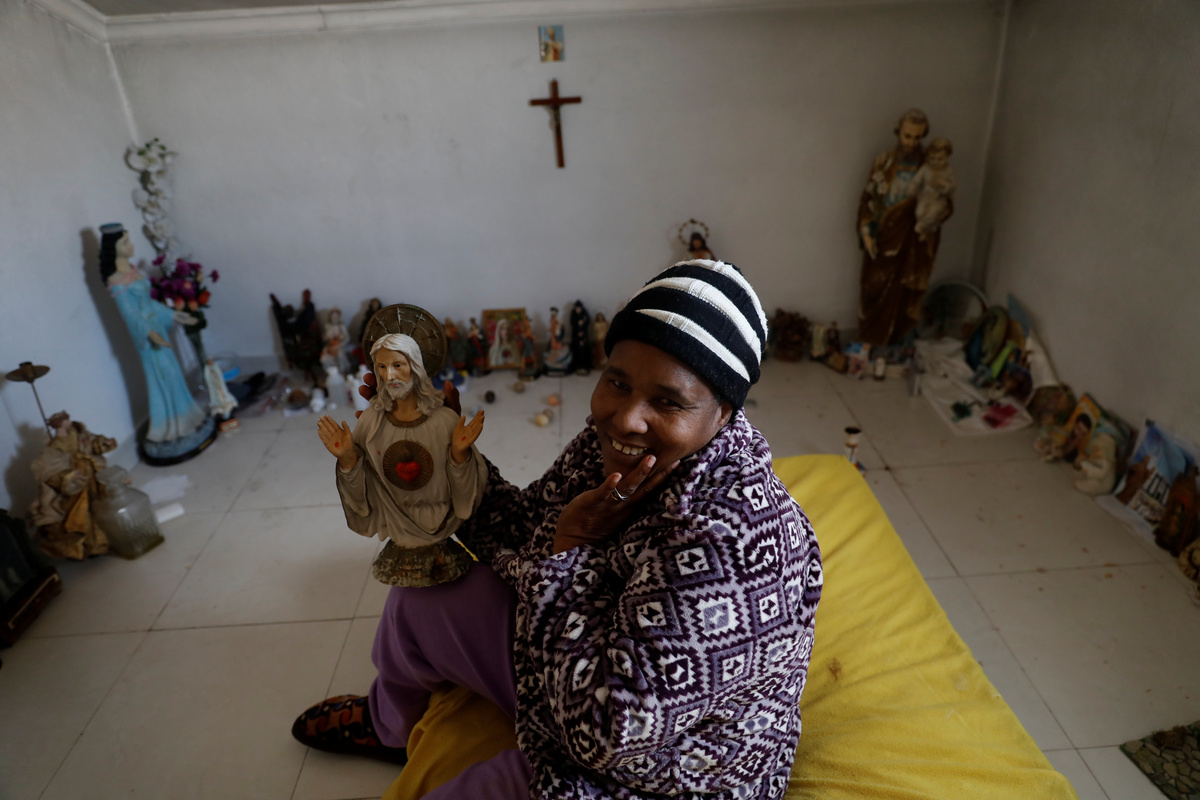
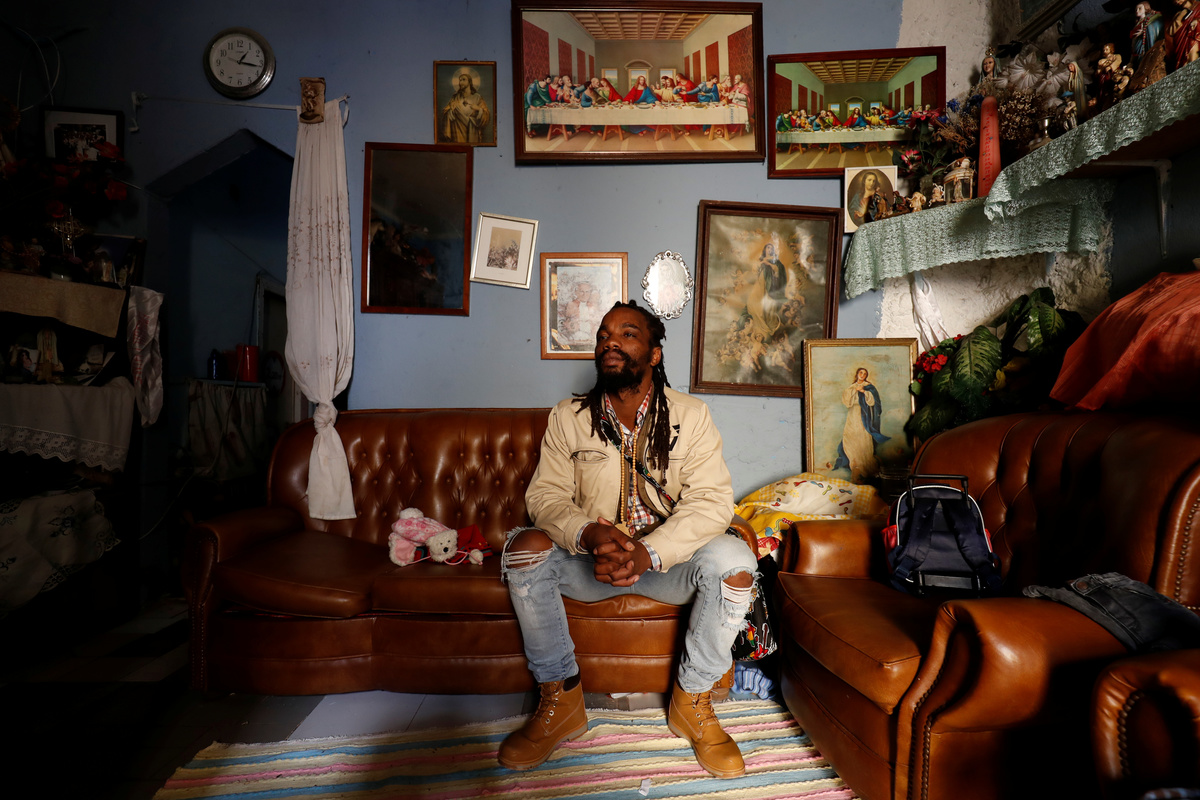
Dulce Fernandes poses with her Catholic figures for a portrait in her room in Cova da Moura neighbourhood in Lisbon, Portugal, December 13, 2018. "I always have a smile on my face even though I'm sick," Dulce said. She has problems in her knees, which makes it hard for her to walk. Dulce came to Portugal in 2000. "I moved to Portugal to seek a better life, there were no jobs in Cape Verde. I have four children, without a father. I'm a strong woman," she said. Like many other residents in Cova da Moura, Dulce collects Catholic saints. Cape Verde is a predominantly Catholic country. In her tiny house she also has plants she uses for medical purposes, something prevalent in the neighbourhood, just like in Cape Verde. Dulce said she was evicted from her previous home in another similar neighbourhood in Lisbon, which is being destroyed to make space for a new urban development. REUTERS/Rafael Marchante
A 2017 United Nations report found that those from former colonies living in Portugal are among the poorest and are deprived in terms of access to adequate housing.
"People may be poor here but they have big hearts and preserving culture is part of who we are," Cabral said.
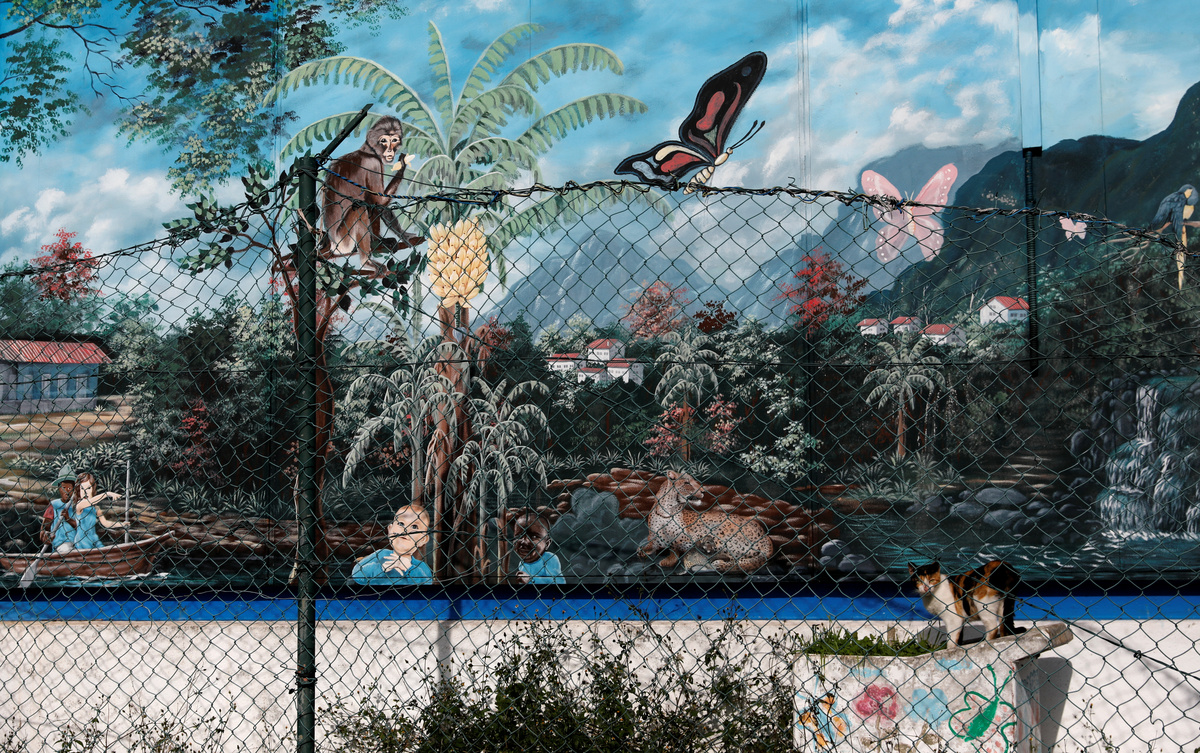
A cat stands next to a graffiti wall in Cova da Moura neighbourhood in Lisbon, Portugal, December 1, 2018. REUTERS/Rafael Marchante
Click on https://reut.rs/2YqdEQl for a related photo essay.
(Reporting by Catarina Demony; Additional reporting by Rafael Marchante and Miguel Pereira; Editing by Andrei Khalip and Alexandra Hudson)
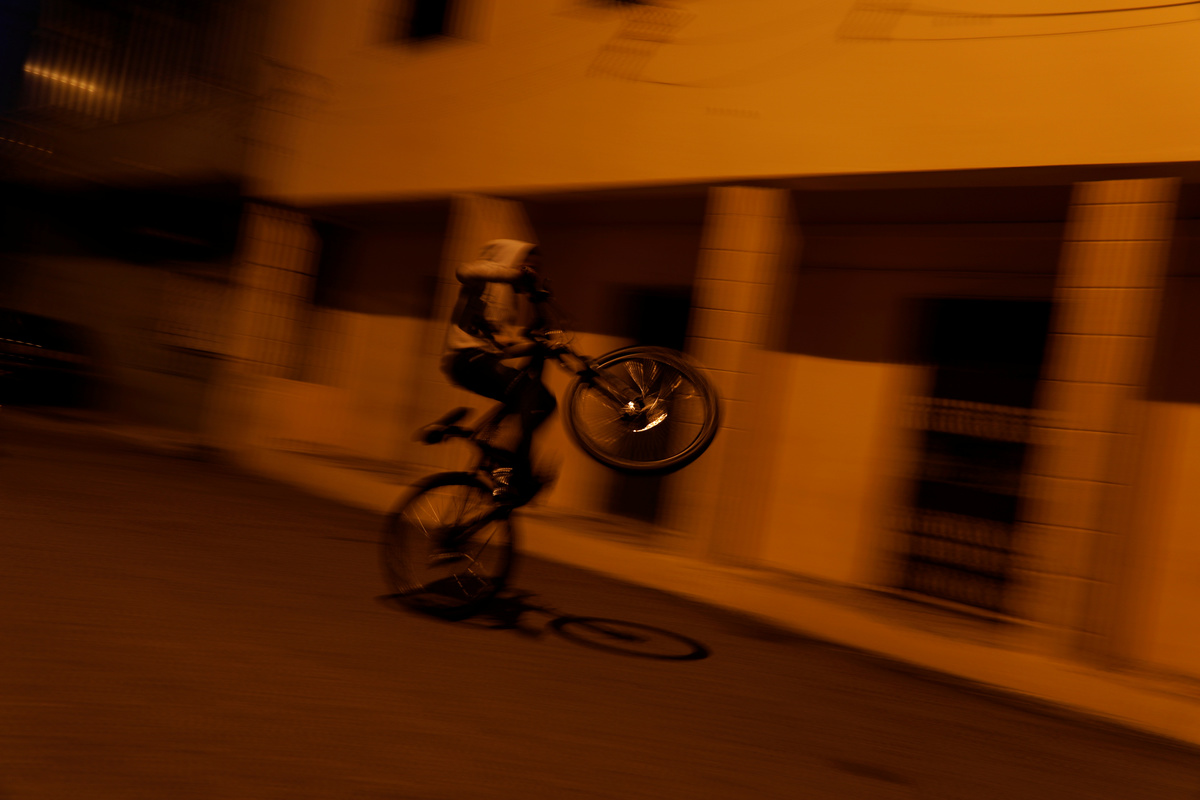
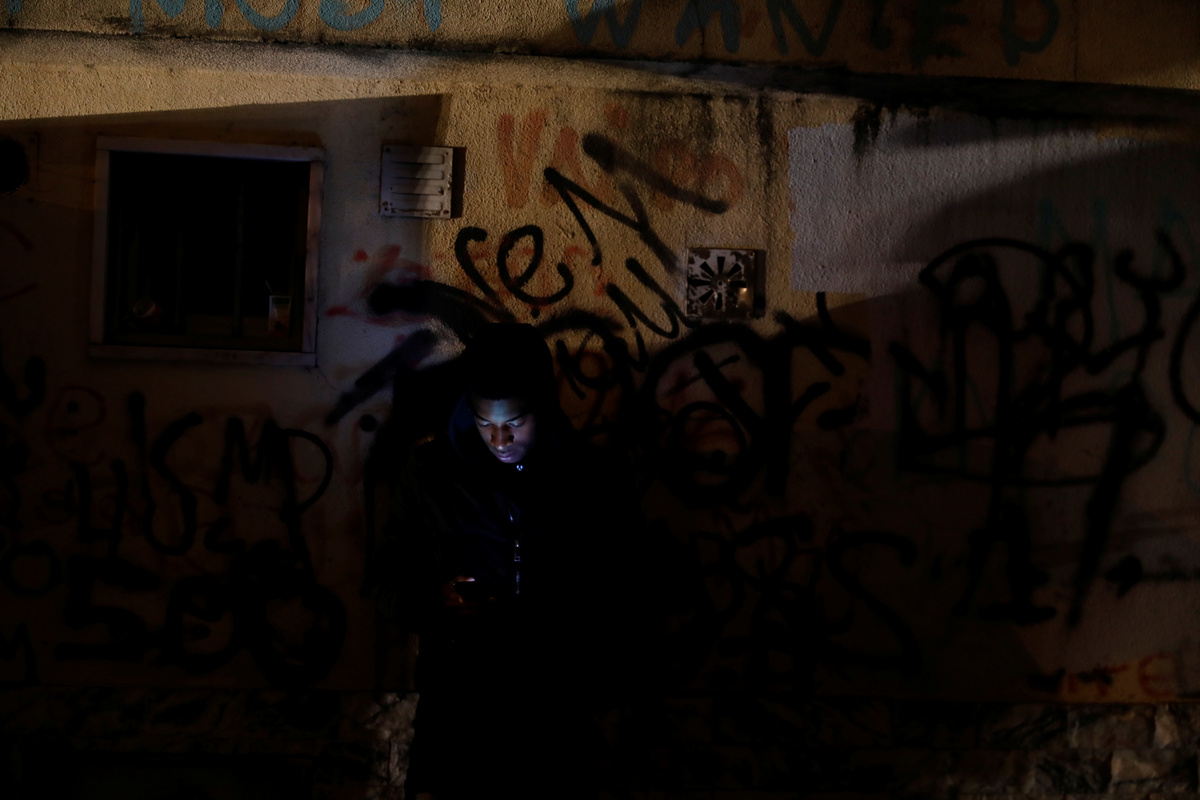
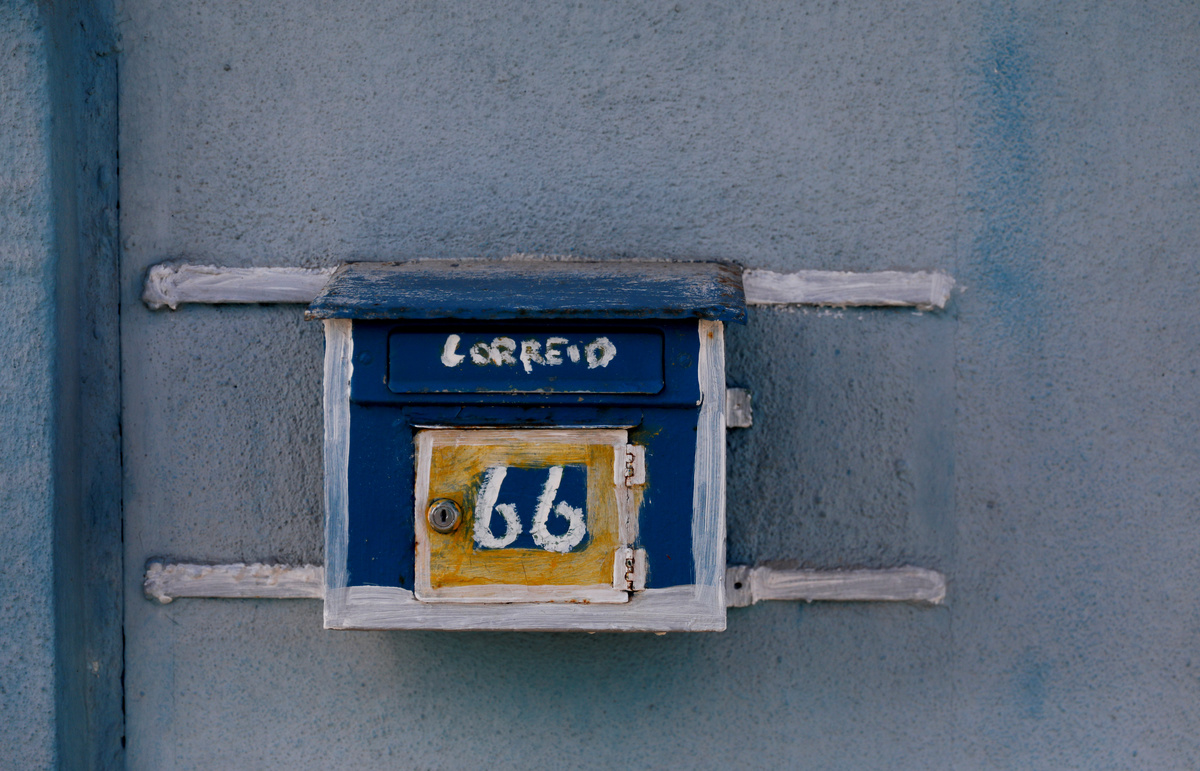
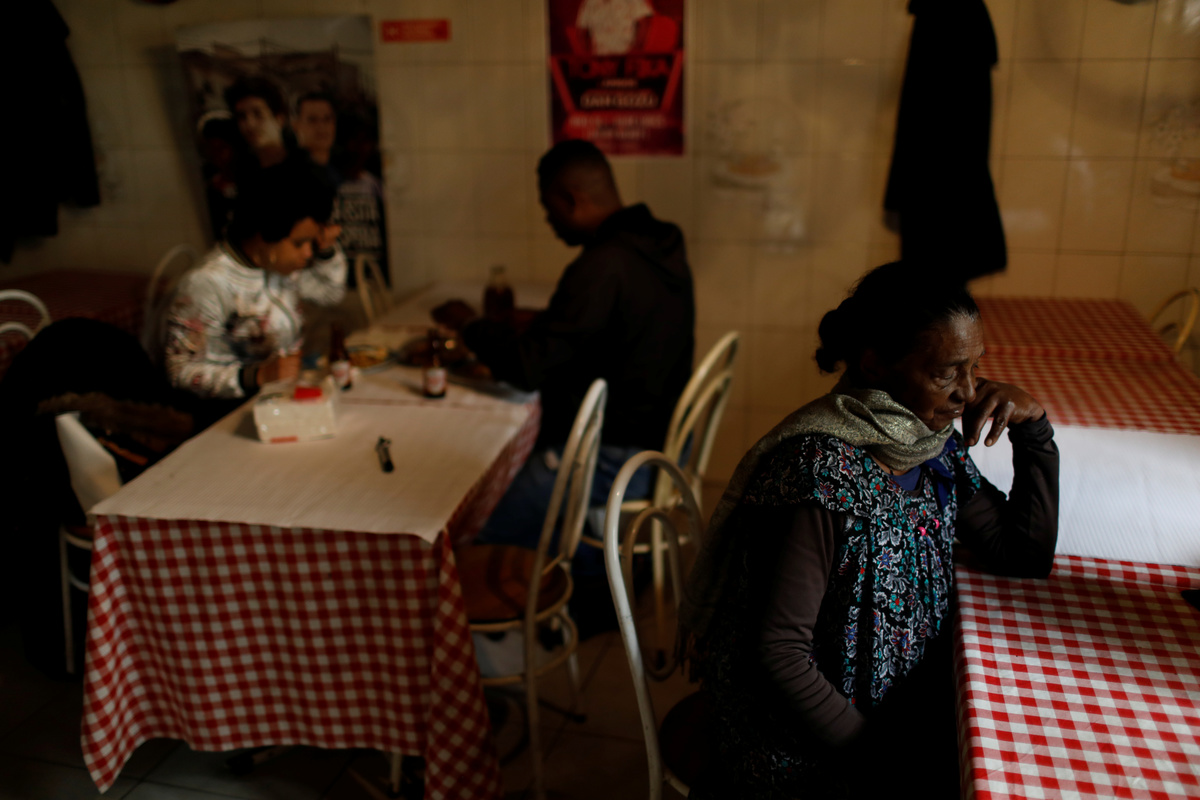
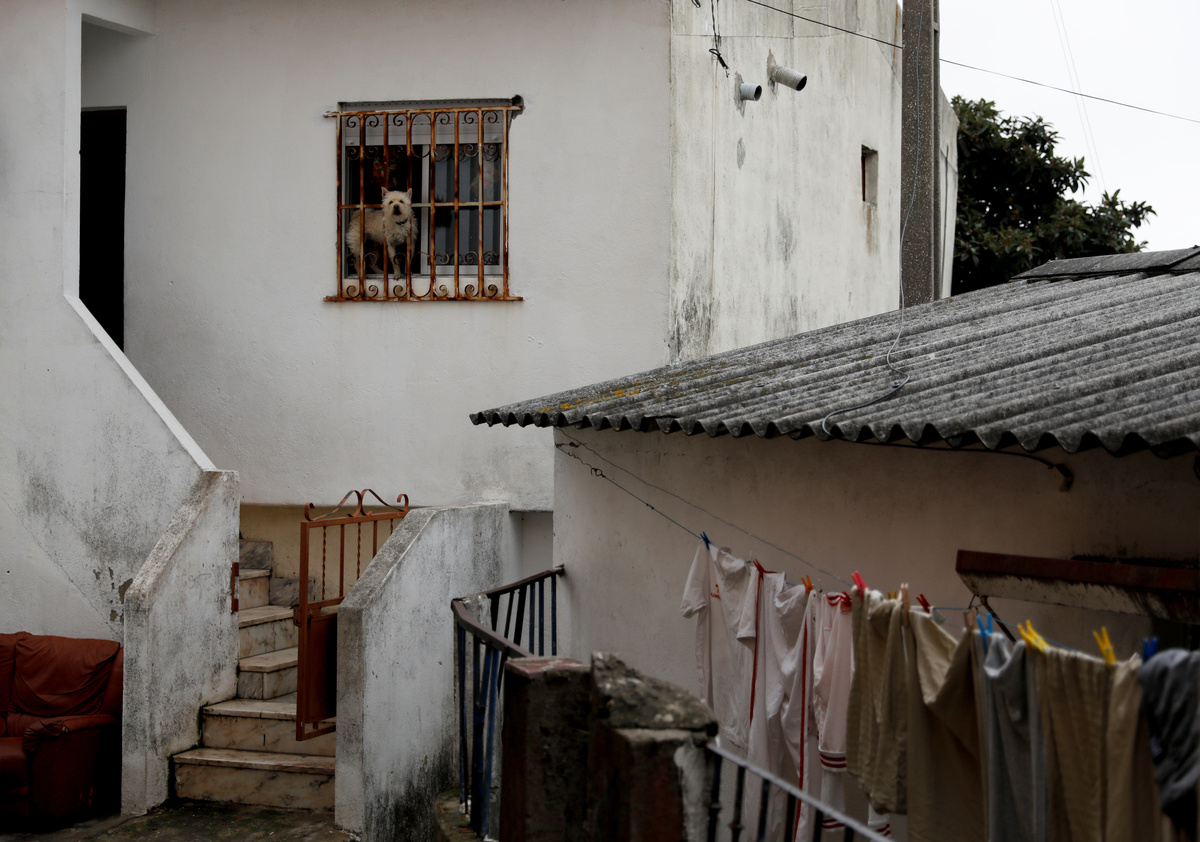
Paulo Cabral, 36, born in Cova da Moura neighbourhood to Cape Verdean parents, sits on a sofa at his father's house in Cova da Moura neighbourhood in Lisbon, Portugal, November 23, 2018. "Sometimes the only thing people know about Cova da Moura is the negative side," said Cabral "But that isn't the whole truth." Cabral organises tours of Cova da Moura. "When you visit once you keep on coming back," he said. "People may be poor here but they have big hearts and preserving culture is part of who we are." REUTERS/Rafael Marchante A boy rides a bicycle on a street in Cova da Moura neighborhood in Lisbon, Portugal, January 23, 2019. REUTERS/Rafael Marchante Residents attend a procession during the celebration of Santa Catarina in Cova da Moura neighbourhood in Lisbon, Portugal, November 25, 2018. Santa Catarina is one of the most important religious celebrations in Cape Verde and in Cova da Moura too. Every year locals attend a church service and take over the streets to celebrate the saint. Community parties are held afterwards. During the church service a choir sings religious songs in Cape Verdean Creole, a Portuguese-based Creole language widely spoken in the neighbourhood. REUTERS/Rafael Marchante A man checks his phone on a street in Cova da Moura neighbourhood in Lisbon, Portugal, January 23, 2019. REUTERS/Rafael Marchante A postbox hangs on a street in Cova da Moura neighbourhood in Lisbon, Portugal, December 1, 2018. REUTERS/Rafael Marchante People dance inside Coqueiro, one of the dozens of restaurants in the Cova da Moura neighbourhood, in Lisbon, Portugal, December 1, 2018. REUTERS/Rafael Marchante Cape Verdean musician Francisco Fortes, 56, plays guitar inside Coqueiro, one of the dozens of restaurants in the Cova da Moura neighbourhood, serving traditional Cape Verdean food, in Lisbon, Portugal, December 16, 2018. "Living in Cova da Moura is just like living in Cape Verde," Fortes said. REUTERS/Rafael Marchante Cape Verdean cook Benvinda Mendes, 73, locally known as Totta, takes a break as costumers eat at her restaurant in Cova da Moura neighbourhood in Lisbon, Portugal, December 13, 2018. Mendes was born in the Cape Verdean island of Santa Catarina. There she was a construction worker, building roads and other infrastructures. In the 1980s she moved to Portugal seeking a better life Ð for her and her family - but when she got to Cova da Moura there was no running water or other basic services. Now, she runs a family restaurant in the neighbourhood and dances the traditional 'batuque', a music genre and dance style from Cape Verde that she learned with her late mother. 'Batuque' is set to feature in Madonna's upcoming new record. REUTERS/Rafael Marchante Women make balls with corn flour during the celebration of Santa Catarina in Cova da Moura neighbourhood in Lisbon, Portugal, November 25, 2018. Santa Catarina is one of the most important religious celebrations in Cape Verde and in Cova da Moura too. Every year locals attend a church service and take over the streets to celebrate the saint. Community parties are held afterwards. During the church service a choir sings religious songs in Cape Verdean Creole, a Portuguese-based Creole language widely spoken in the neighbourhood. REUTERS/Rafael Marchante A police officer walks during the celebration of Santa Catarina at Cova da Moura neighbourhood in Lisbon, Portugal November 25, 2018. Santa Catarina is one of the most important religious celebrations in Cape Verde and in Cova da Moura too. REUTERS/Rafael Marchante A dog stands in a window of a house in Cova da Moura neighbourhood in Lisbon, Portugal, January 29, 2019. REUTERS/Rafael Marchante
Sign up to read this article
Read news from 100's of titles, curated specifically for you.