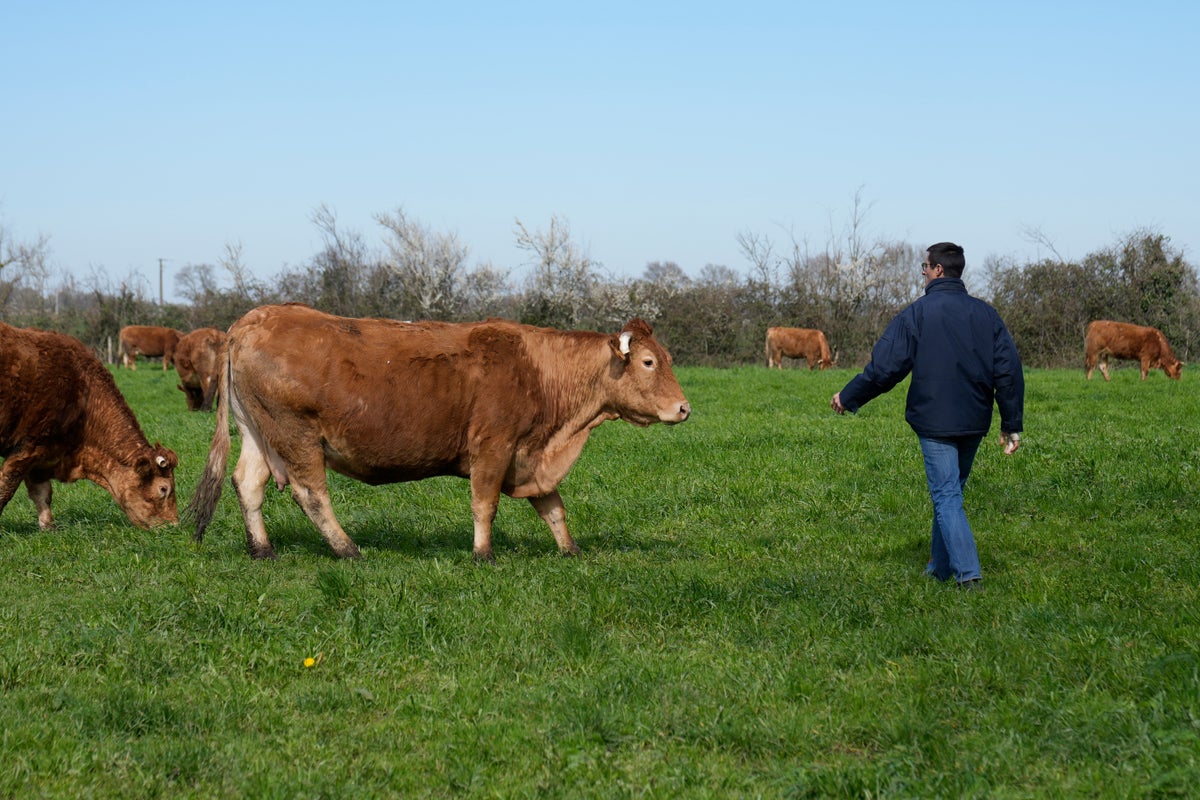
When rural vets in Northern Ireland are sent to check on farm animals, they will now be encouraged to have health-related conversations with their owners as well, in a bid to tackle cancer inequalities in rural communities.
During their continuous training, which they must update each year, vets will now learn about human health so they can carry out conversations with farmers and offer them advice.
Veterinary associations have teamed up with Macmillan Cancer Support charity and the Farming Community Network (FCN) as part of a project that aims to raise awareness of cancer symptoms in rural communities.
Barry O’Boyle, a dairy farmer from County Antrim, said the initiative should help change some farmers’ tendency not to want to take up doctors’ time, according to the BBC.
He said: “They feel it’s maybe not important enough, but it’s always better to get checked out if you do feel you’re not yourself,” the broadcaster reported. “We’re happier to talk about our animals’ health than our own.”
Mr O’Boyle’s father, who was also a farmer, died shortly after receiving a cancer diagnosis. “It was an aggressive form of cancer my father had but, who knows, possibly if symptoms had been caught earlier, it might have helped a small bit,” he said.
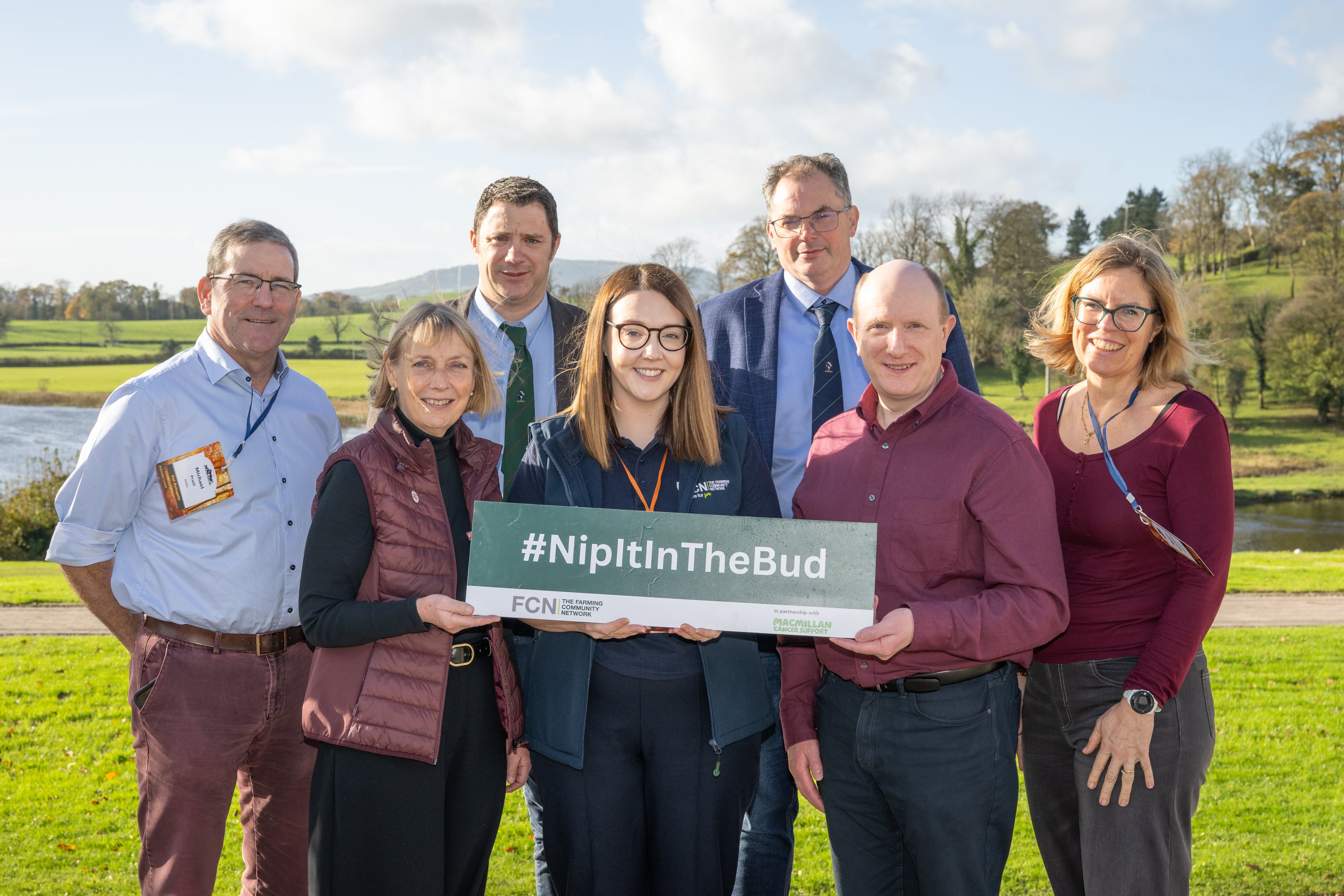
The FCN and Macmillan Cancer Support charity are trying to remind farmers to “nip it in the bud” and get checked for cancer as early as possible.
Caitriona Crawford, FCN’s Northern Ireland national manager, said farmers and those living in rural communities may not prioritise their health due to a lack of time or a lack of access to available services. As a result, she said some symptoms of cancer, including prolonged pains, tiredness and fatigue, can go overlooked.
She said: “The support provided by both veterinary associations will undoubtedly help us encourage farming families to be more aware and ultimately save lives from a curable and treatable disease if diagnosed and treated at the early stages.”
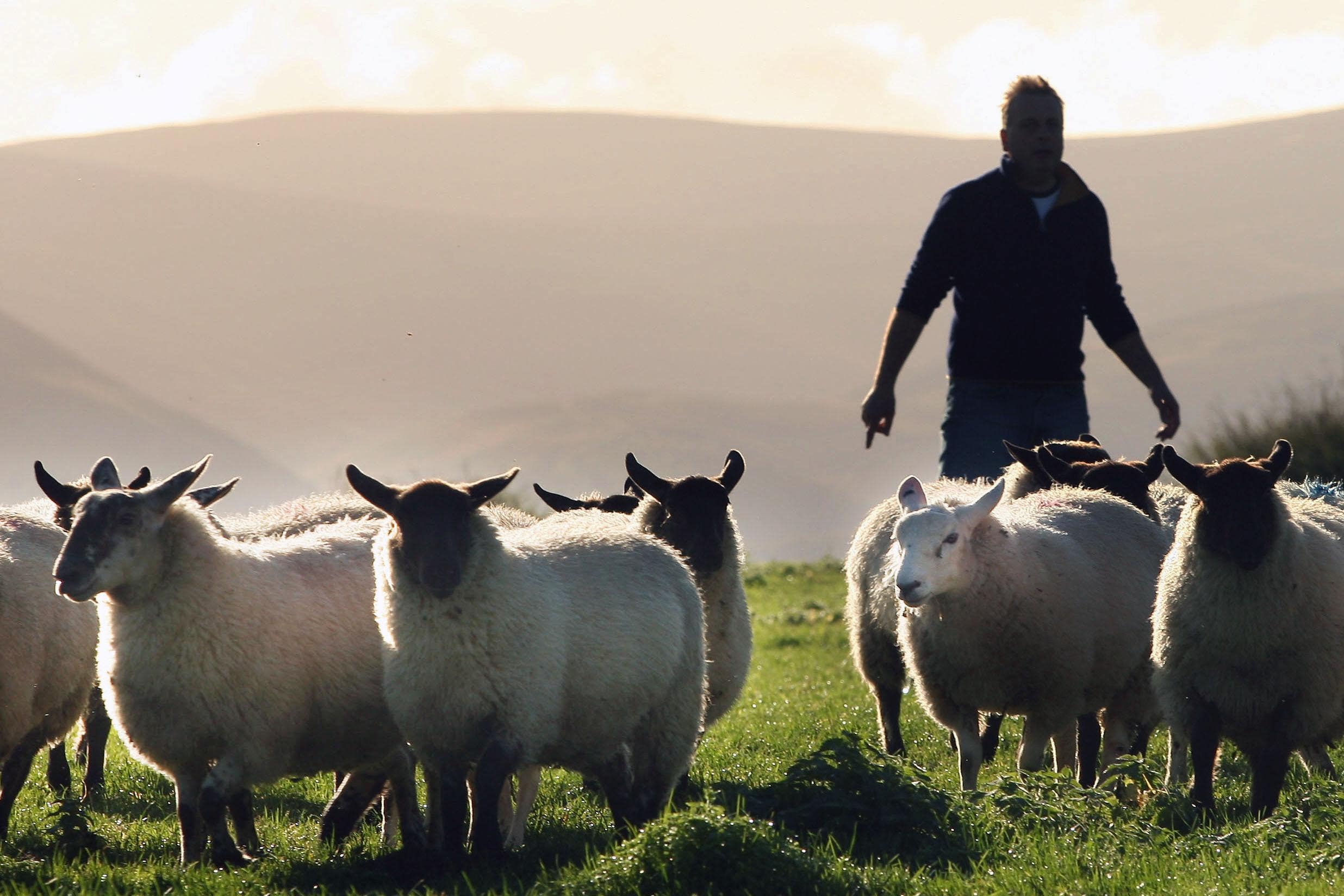
According to research from Newcastle University, people living in rural communities often have more advanced cancer when they are diagnosed, and are 5 per cent less likely to survive.
Sarah Christie, the national lead for Northern Ireland at Macmillan Cancer Support, said: “Cancer can disrupt your whole life. And it can be made much worse simply because of who you are or where you live.
“Rural communities face unique challenges in accessing information and support, which is why partnerships like this are so vital.”