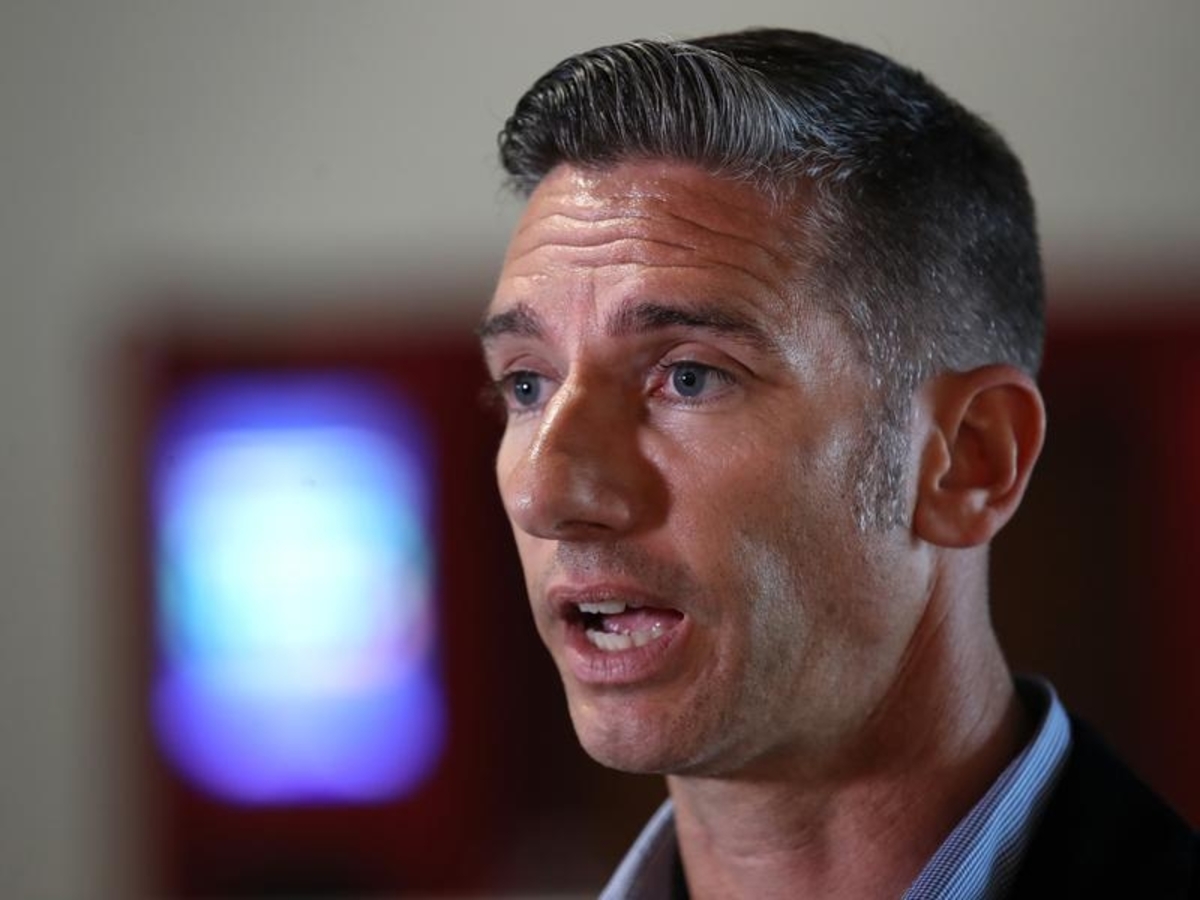
A former seaman who had to retrieve the dead bodies of asylum seekers says many in his crew sacrificed their mental health to save lives, only to be forced to hand over survivors to refugee "prisons".
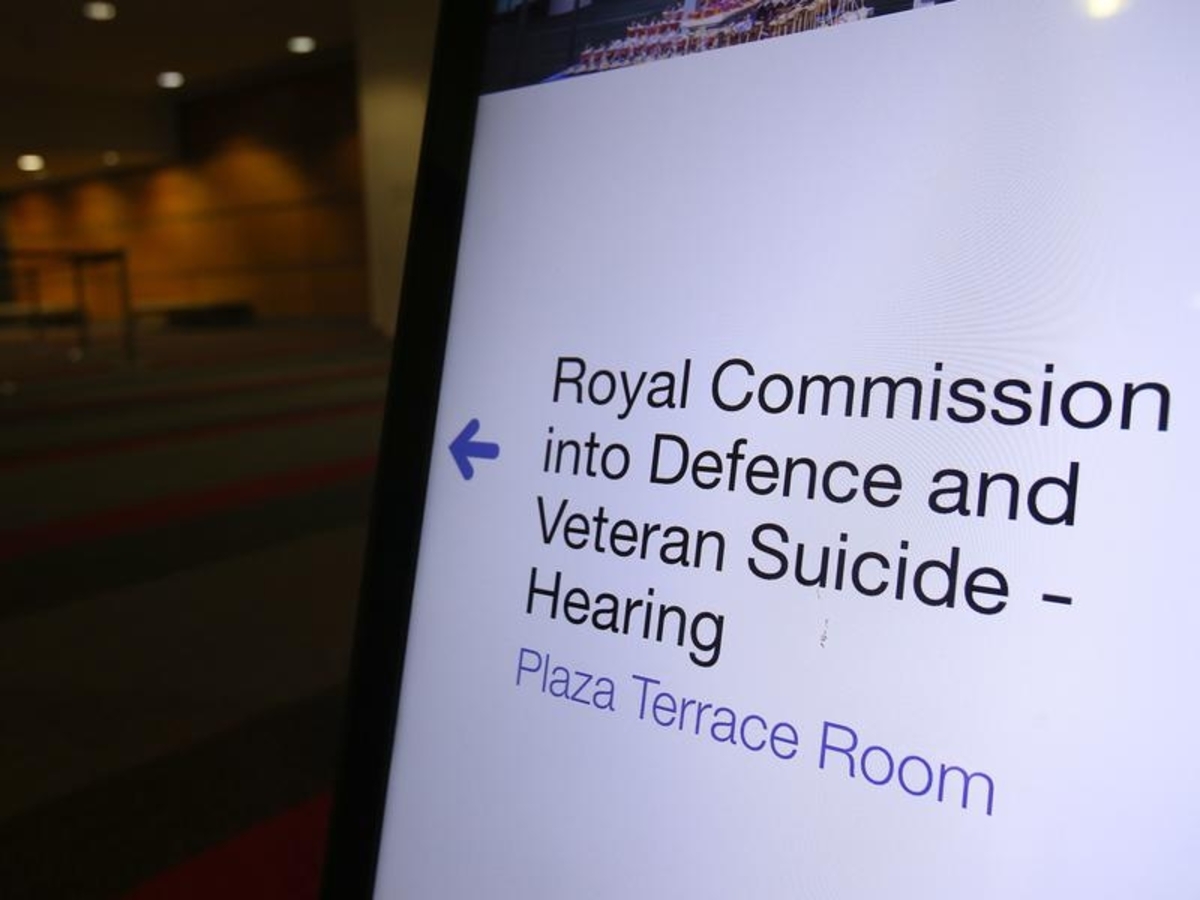
The seaman, identified as Witness BR2, told the Royal Commission into Defence and Veteran Suicide that he had been with the navy for less than a year when he was deployed on Operation Resolute.
Their mission, he said on Thursday, had been to intercept "suspect" vessels off Australia's north coast.
He and his fellow crewmen soon realised they were being used in a political "power move" to target so called "queue jumpers". But following orders caused an overwhelming sense of guilt and anger.
"It became a lot more than I think just doing your job," he told the commission.
"You cared for these people that you were saving.
"To know that these people were going to refugee camps as a political power move sort of felt like a bit of a kick in the guts."
Witness BR2 told the commission once back on shore he and many others on the crew continued to be tormented by what they witnessed at sea.
He said the first time he and his crew mates saw dead bodies in the water they were forced to abandon them because "it was untenable due to ... the decay of a body at sea after time".
"I remember one of my mates saying, 'I think that is a doll in the water'. It was actually a baby. "
On another occasion he had been moving a dead Somalian woman from the sea, and her child became so distressed he had to comfort him because his father was in shock.
"I was a pretty ignorant 21-year-old kid, thinking that these people don't deserve to come here because why are they jumping the queue," he said.
"That changed pretty quickly meeting these people. These people ... are some of the most genuine people I've ever met."
The commission heard after 12 months at sea Witness BR2 had started drinking at dangerous levels as he struggled daily with suicidal thoughts.
He said drug and alcohol abuse was rampant in the navy, but no-one ever admitted to mental health problems for fear of being medically discharged.
When he was finally diagnosed with PTSD five years later, he was discharged as medically unfit, despite being "a high flyer" at the peak of his career.
He told the commission ten years on he still worries about what had become of the Indonesian and Somalian refugees he rescued after they were put in "a prison ashore".
"We put so much on the line ... sacrificed a lot of our own mental health ... essentially to be lied to."
The commission also heard evidence from another veteran on Thursday, former soldier Lee Bailey, who was deployed overseas three times, including in Afghanistan.
Mr Bailey told the commission it was after his tour of Iraq in 2007 he first noticed he had become an aggressive, rigid, very serious person "who didn't see a lot of humour in things".
"I remember when somebody jumped the queue once at Movie World and it nearly came to fisticuffs," he said. "It's Movie World."
"I realise looking back on it, I reflect that I became a ... very, very intense person."
The commission heard when Mr Bailey left the military voluntarily after his tour of duty in Afghanistan in 2013 he had completely ignored all the offers of support from defence.
"As far as I was, all I needed to do was make it back alive from Afghanistan and every day for the rest of my life would be brilliant," he said.
"I didn't really know anything about MyGov or paying taxes or administering a household. I just thought I was going to be on easy street once I was out."
Mr Bailey said it was only after he left that his mental health seriously deteriorated to the point he was suicidal and finally diagnosed with PTSD.
The support of fellow veterans, he said, had since been critical to his recovery.
He now works as a mentor with Trojan Trek, a peer support group that runs wilderness treks for veterans in crisis.
Lifeline 13 11 14
Open Arms 1800 011 046