In our every day life, we are surrounded by precious metals. Silver is in sticking plasters, gold in mobile phones and platinum in exhaust fumes.
Veolia has a clear focus on promoting the transition to a circular economy – with waste recovery central to this. One area it is pioneering is the extraction of precious materials from a variety of sources, with the pharmaceutical industry offering rich pickings.
Platinum is present in a range of drugs used to treat cancer. Last year scientists at Veolia’s hazardous waste facility in Ellesmere Port recovered 1.8kg of platinum worth over £40,000, from 1.6kg of out-of-date cancer drugs and 452kg of liquid waste.
Additionally, Veolia is researching methods to reclaim gold from medical applications including pacemakers, insulin pumps and pregnancy-testing kits. It is also looking at ways of recovering silver from sticking plasters, burns dressings and treatments for stomach ulcers.
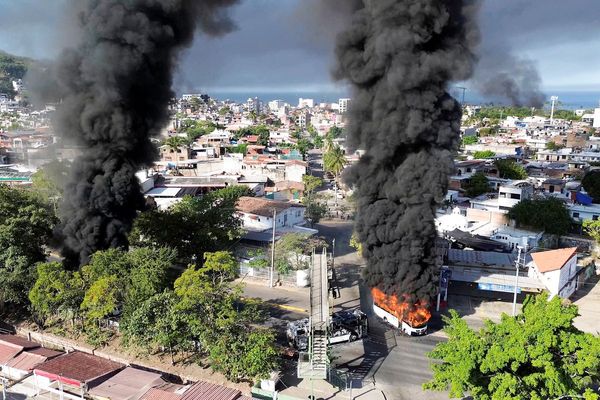
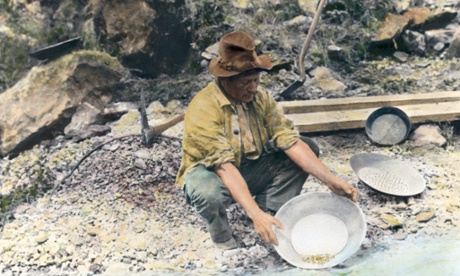
Another hidden world of precious metals is street sweepings. In the past most of it was considered only suitable for landfill because of the mix of dust, leaves, stones, cans and plastic bottles. This has all changed now. Veolia has created a technology at its Ling Hall plant in the Midlands that can sort the different materials using sieves, conveyors and washing as if panning for gold. For example, cans and bottles can go for recycling and stones for restoration work on landfill sites.
When the remaining dust is tested scientists find not only traces of platinum but also rhodium and palladium, which is a rare metal. These metals are used in catalytic convertors to transform the harmful pollutants in vehicle emissions into carbon dioxide, nitrogen and water vapour. Minute quantities are blown out in exhaust fumes and end up on our streets.
The process of extracting precious metals from recovered waste has relied on the development of procedures that have to be reliable and commercially viable. They also have to meet strict sustainability criteria so the environmental impact of recovery is significantly lower than mining the materials in the first place. Recovered materials must also meet the exacting specifications required from industry.
It is an approach that has financial benefits. For Veolia, its revenue from the circular economy and resource efficiency now represents over 20% of its business. Over £150m is generated by selling materials extracted from what is deemed waste. And yet despite growing the business, the company has remained net carbon positive.