Venezuelans build new life in Spain, fret for homeland
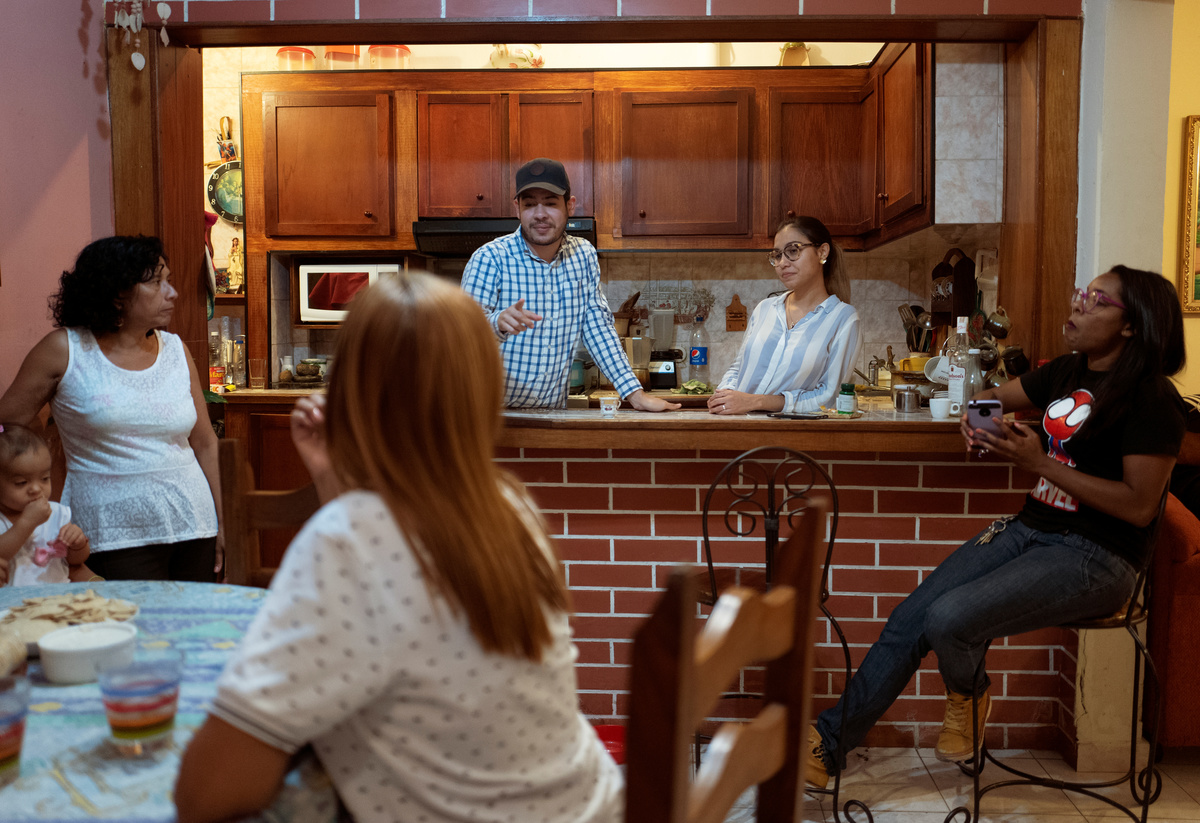
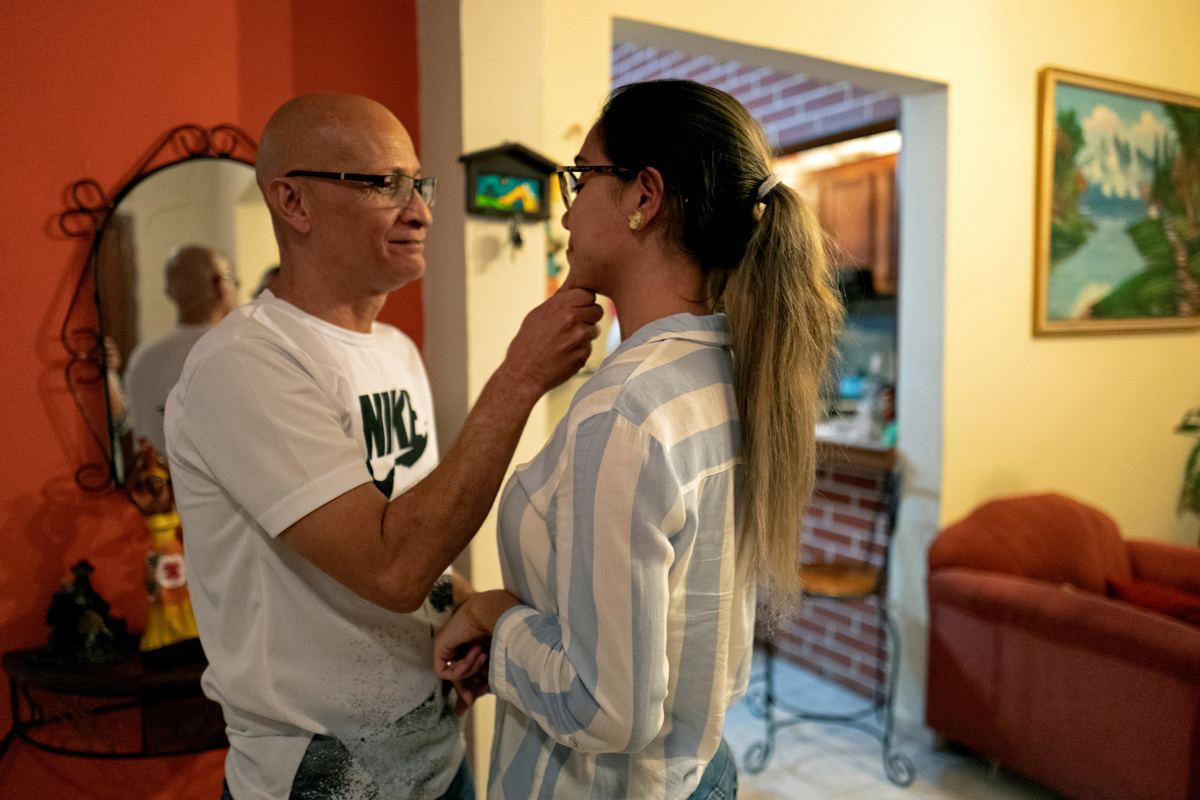
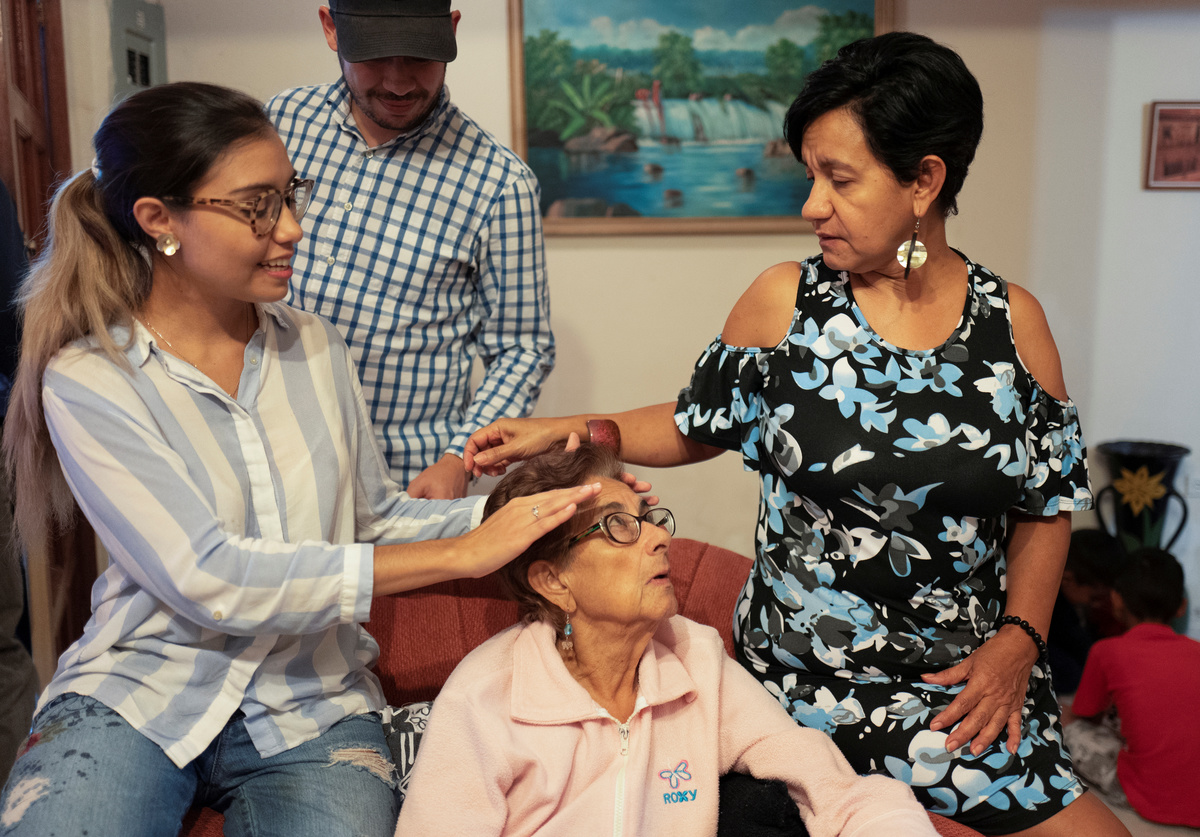
Arelis Morales, 30, and Jose Martinez, 31, spend time with Arelis's family during a goodbye gathering at her grandmother's house in Cotiza, Caracas, Venezuela January 12, 2019. REUTERS/Ana Maria Arevalo Gosen
XINZO DE LIMIA, Spain (Reuters) - Until January, Jose Martinez and his wife Arelis Morales were in the eye of Venezuela's political storm: he worked for an opposition leader, she advised human rights groups.
But after years of opposing President Nicolas Maduro's increasingly repressive leftist government - including 2017 protests that ended with 125 deaths - they decided to put family life first.
Winter trees are illuminated by the street lights in Barcelona, Spain, February 19, 2019. REUTERS/Ana Maria Arevalo Gosen
"The main reason for leaving was that we want to have children," Martinez, 31, told Reuters, from the rural town of Xinzo de Limia in Spain's Galicia region where they left to live with relatives.
"It hurts, but we have to move on. How could we expose a child to everything that goes on in Venezuela?"
The exodus of more than 3 million Venezuelans from an imploding economy, crime-ridden streets and constant political violence, is a well-known phenomenon, especially the flood of lower-income migrants around Latin America.
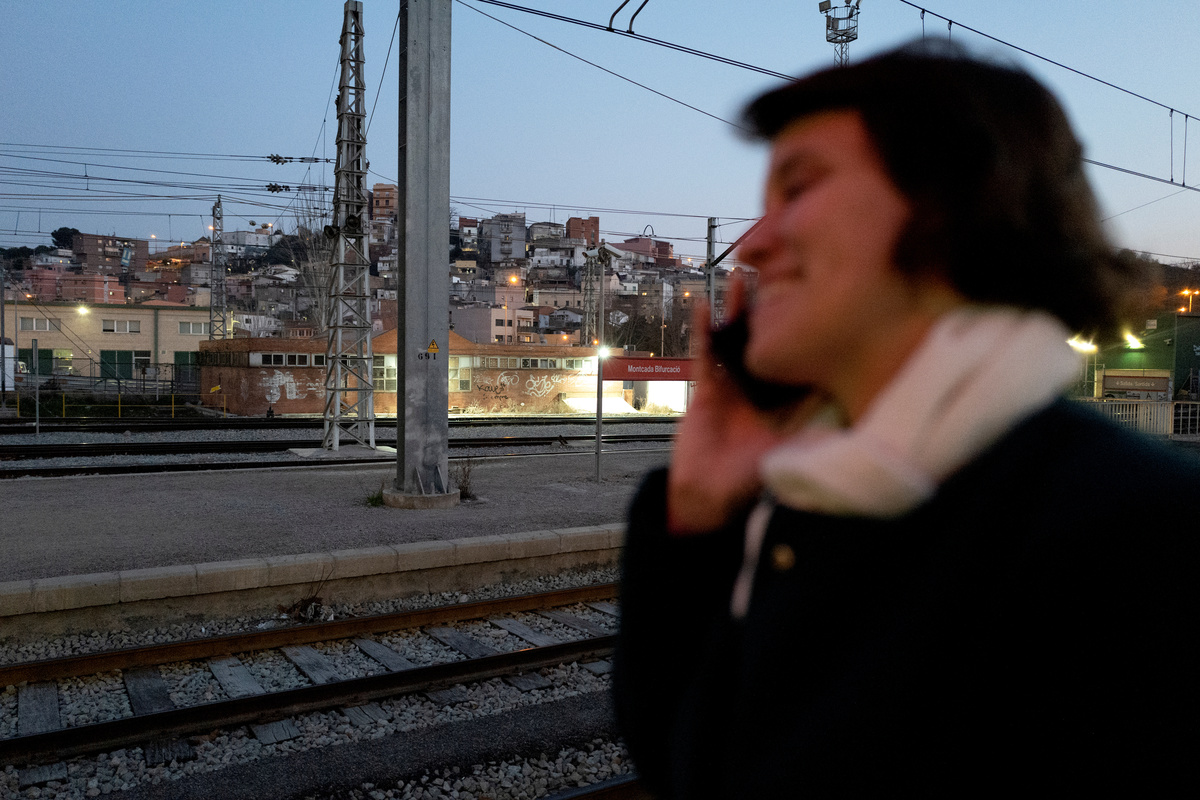
Mariana Elias, 27, waits for a train to go home, at the station in Barcelona, Spain, February 21, 2019. REUTERS/Ana Maria Arevalo Gosen
There has been less attention paid to middle-class professionals who, though enjoying more resources, also face agonizing dilemmas, often giving up years of training and work.
Martinez, a coordinator in the party of opposition leader Maria Corina Machado, suffered depression last year. But he is recovering in Xinzo de Limia and reinventing himself as a photographer, doing documentary and wedding work.
His wife Morales, 30, wants to stay working in human rights, while seeking to have a baby. "We gave everything we could for the country until my body literally said: 'I cannot take this anymore'," she said, saying stress stopped her getting pregnant.
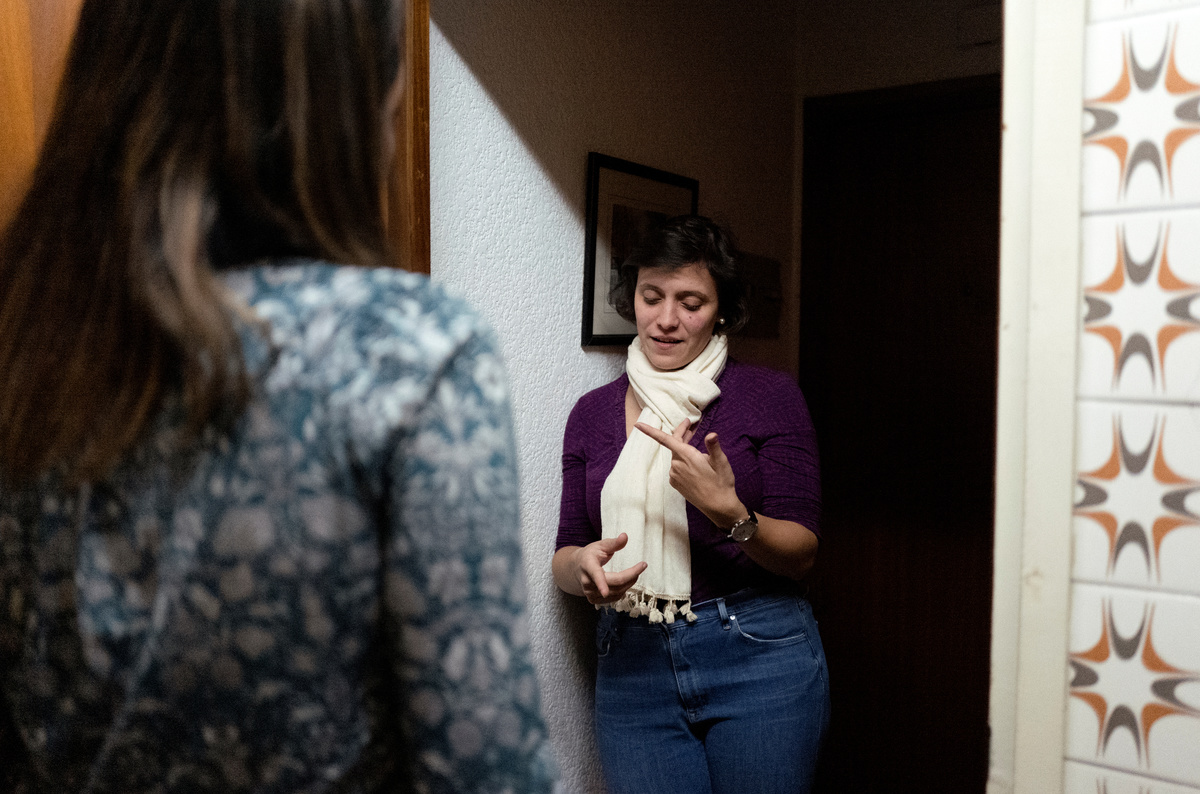
Mariana Elias, 27, talks about her day with her older sister in Barcelona, Spain, February 21, 2019. REUTERS/Ana Maria Arevalo Gosen
Both are encouraged by recent events in Venezuela, where congress leader Juan Guaido invoked the constitution to assume the interim presidency after declaring Maduro's 2018 reelection illegitimate, galvanizing the opposition and earning Western recognition.
The couple hope to move back if Maduro loses power.
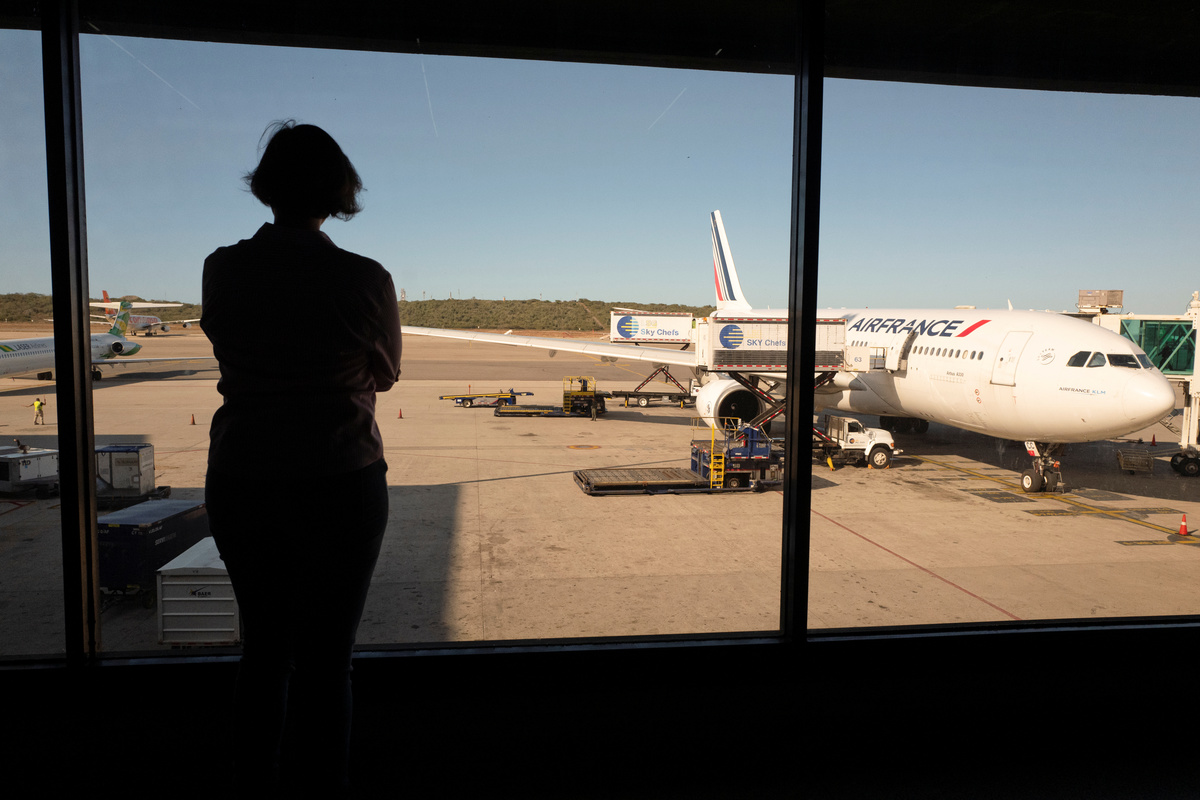
Mariana Elias, 27, looks out the airport window before her flight to Spain at the Simon Bolivar International Airport, La Guaira, Venezuela, January 14, 2019. REUTERS/Ana Maria Arevalo Gosene
PROFESSIONAL DREAM
Thousands of Venezuelans have moved to Spain in recent years, many reconnecting with roots after waves of immigration in the opposite direction following the 20th century World Wars.
According to official data, Venezuelans living in Spain rose to 109,880 by mid-2018, up nearly 19,000 in the previous six months. Those figures probably do not include many dual nationality citizens who also moved, people like Mariana Elias.
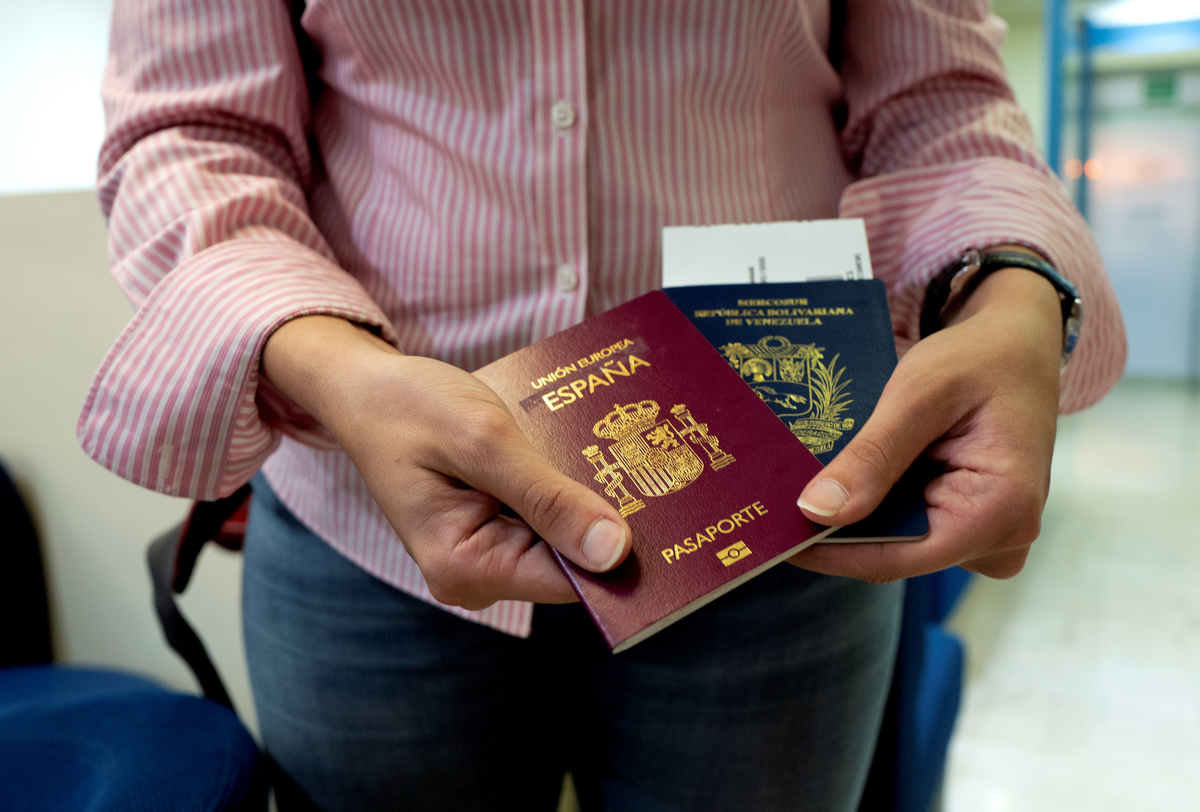
Mariana Elias, 27, shows her Venezuelan and Spanish passports at the Simon Bolivar International Airport, La Guaira, Venezuela, January 14, 2019. REUTERS/Ana Maria Arevalo Gosen
Before moving to Barcelona in January, Elias spent years in Caracas doing two degrees in chemical and production engineering, helping to pay her way with work as a teacher.
She protested on the streets against Maduro, was faculty student council president at Simon Bolivar university, and felt the chaos of Caracas close up when robbed on three occasions.
Her reason for moving to Barcelona was straightforward: "My job ambitions. As I really prepared myself academically, I wanted to have the opportunity in the long-term to progress and upgrade. I wasn't able to see that in Venezuela right now."
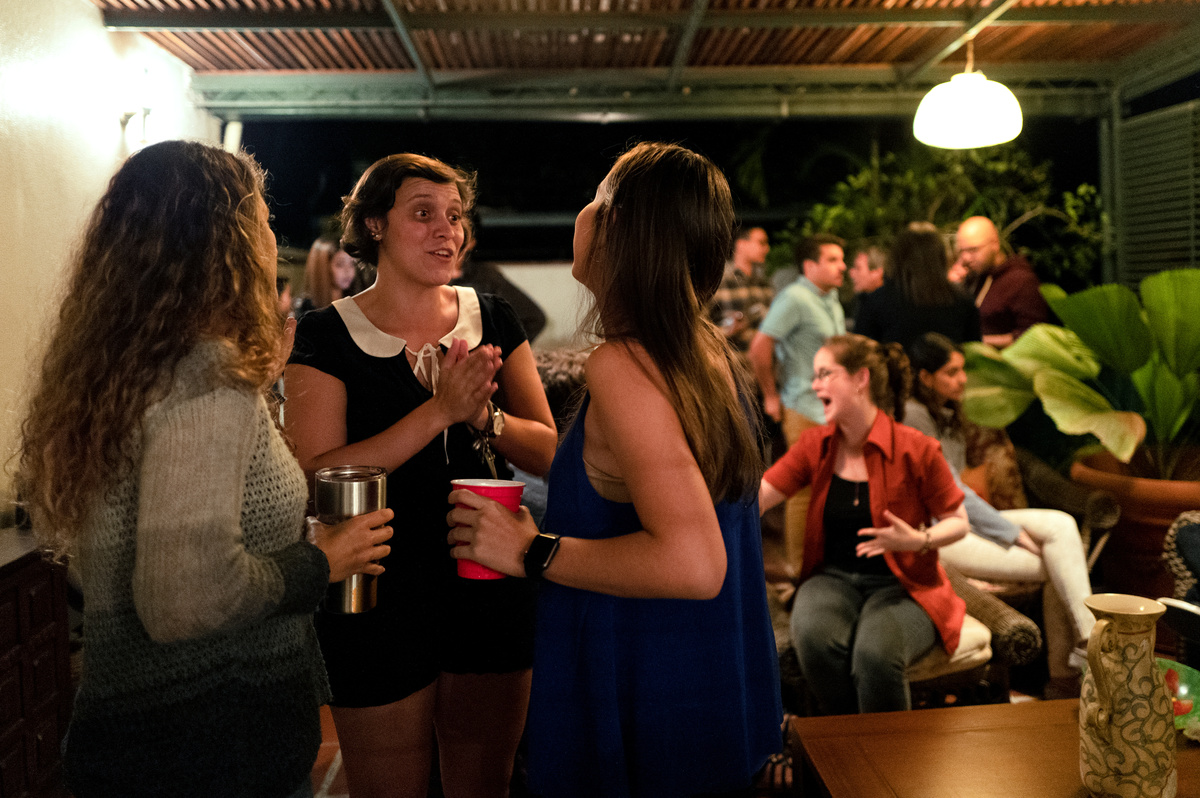
Mariana Elias, 27, and her friends gather for a goodbye party at her house in Caracas, Venezuela, January 12, 2019. REUTERS/Ana Maria Arevalo Gosen
Elias, 27, wants to find a job in engineering, but for now has started at a British company organising conferences. In Spain she enjoys basic services such as public transport that her compatriots can no longer take for granted.
"In Venezuela I would never take public transport unless I had no other choice. I would pray and ask all the deities to make me invisible so I wouldn't get robbed," said the bubbly, bilingual Elias, adding she had no plans to return home any time soon.
She enjoys Venezuelan traditions with compatriots in Spain.
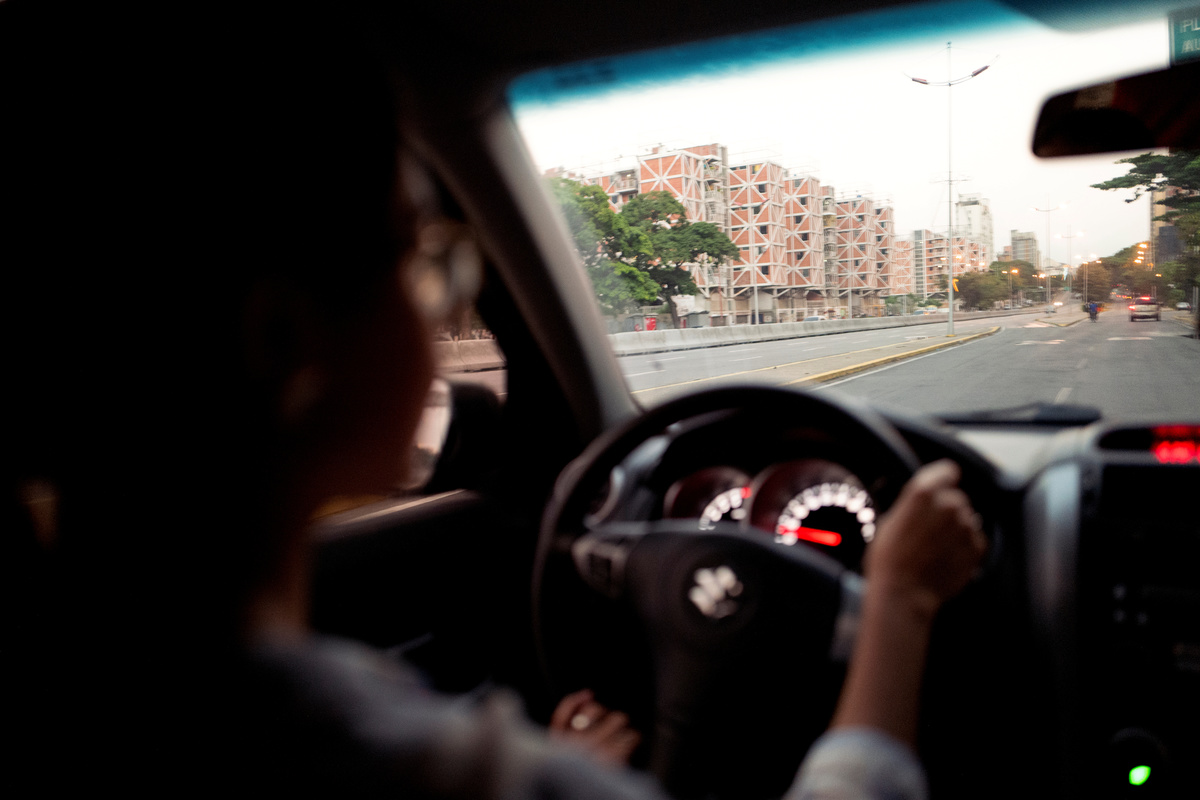
Arelis Morales, 30, drives past 'Mision Vivienda' a housing project in the center of Caracas after a goodbye gathering at her grandmother's house, in Caracas, Venezuela, January 12, 2019. REUTERS/Ana Maria Arevalo Gosen
"The Venezuelans I know are all trying to work and make ends meet. But we meet up to talk about our country and to eat 'arepas'," she said, referring to the cornmeal flatbread staple.
"I am not able to leave Venezuela out of my mind, never."
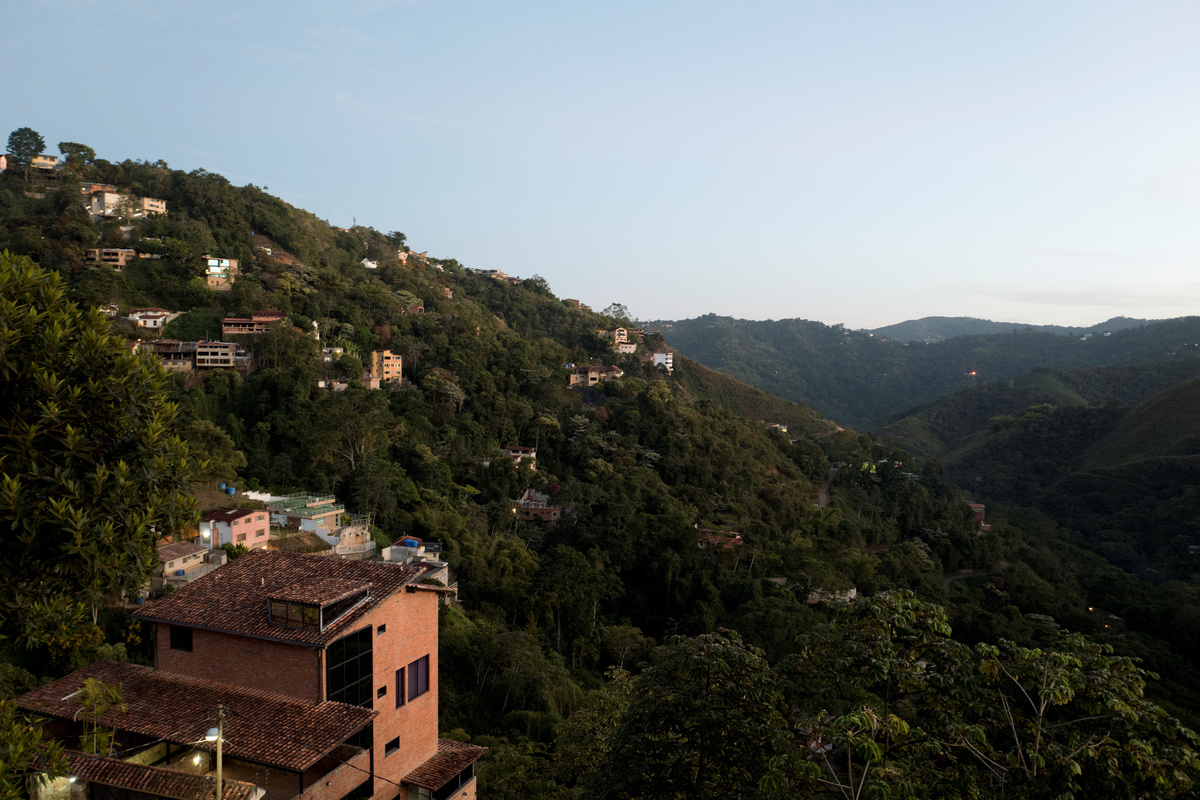
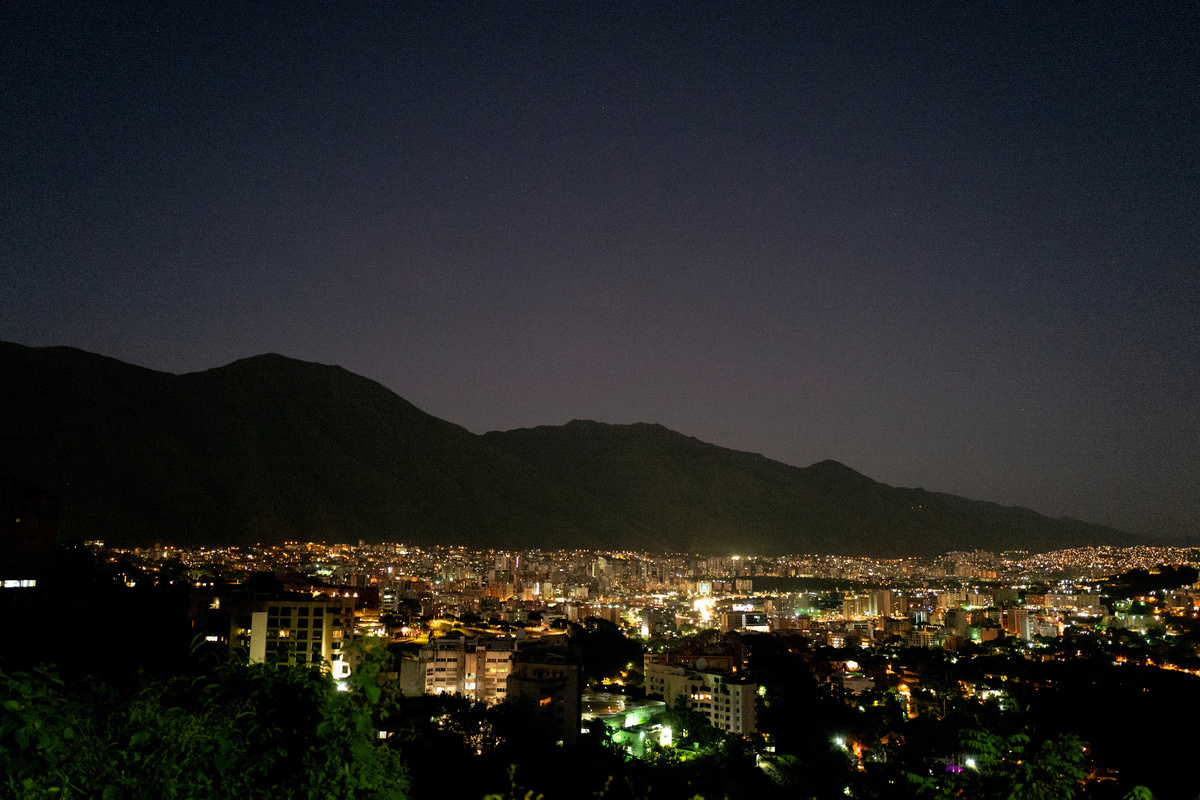
A view of the mountains of la Union, the neighborhood where Jose Martinez, 31, and Arelis Morales, 30, lived in Caracas, Venezuela, January 9, 2019. REUTERS/Ana Maria Arevalo Gosen
(Additional reporting by Andrew Cawthorne in England; Paul Day in Madrid; Writing by Andrew Cawthorne; Editing by Gareth Jones)
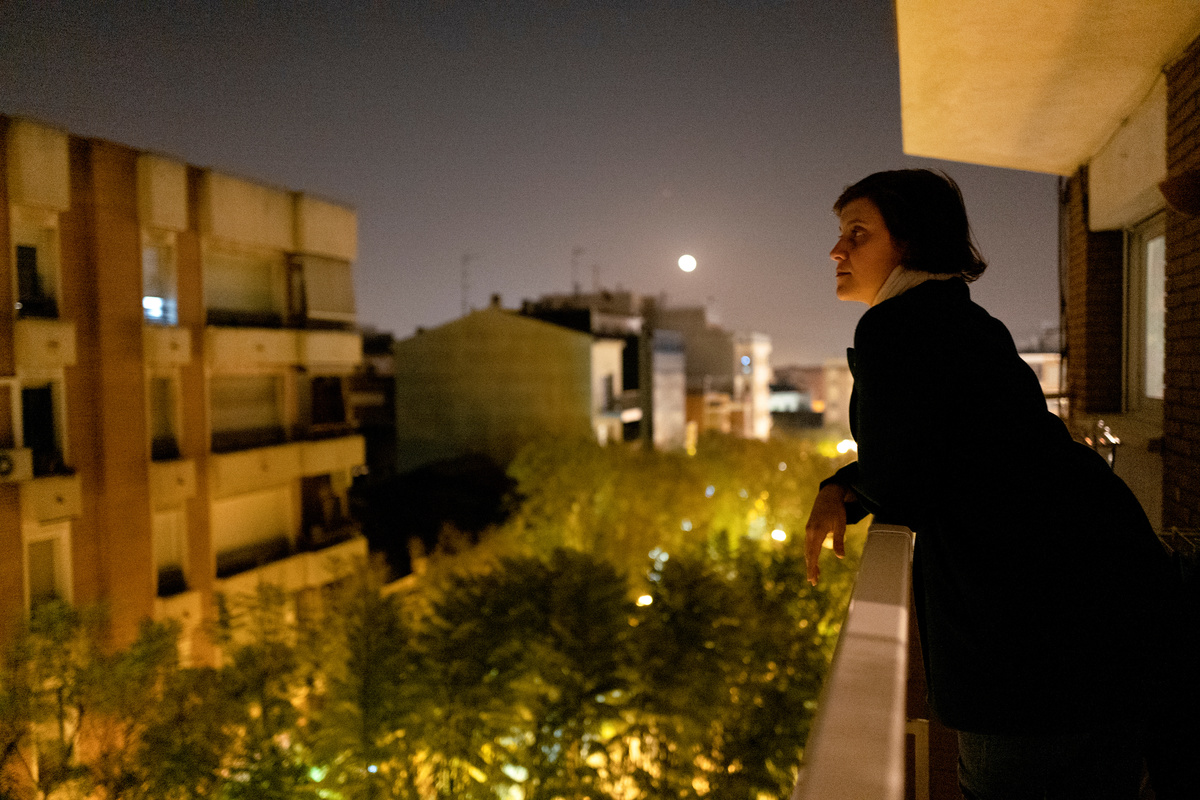
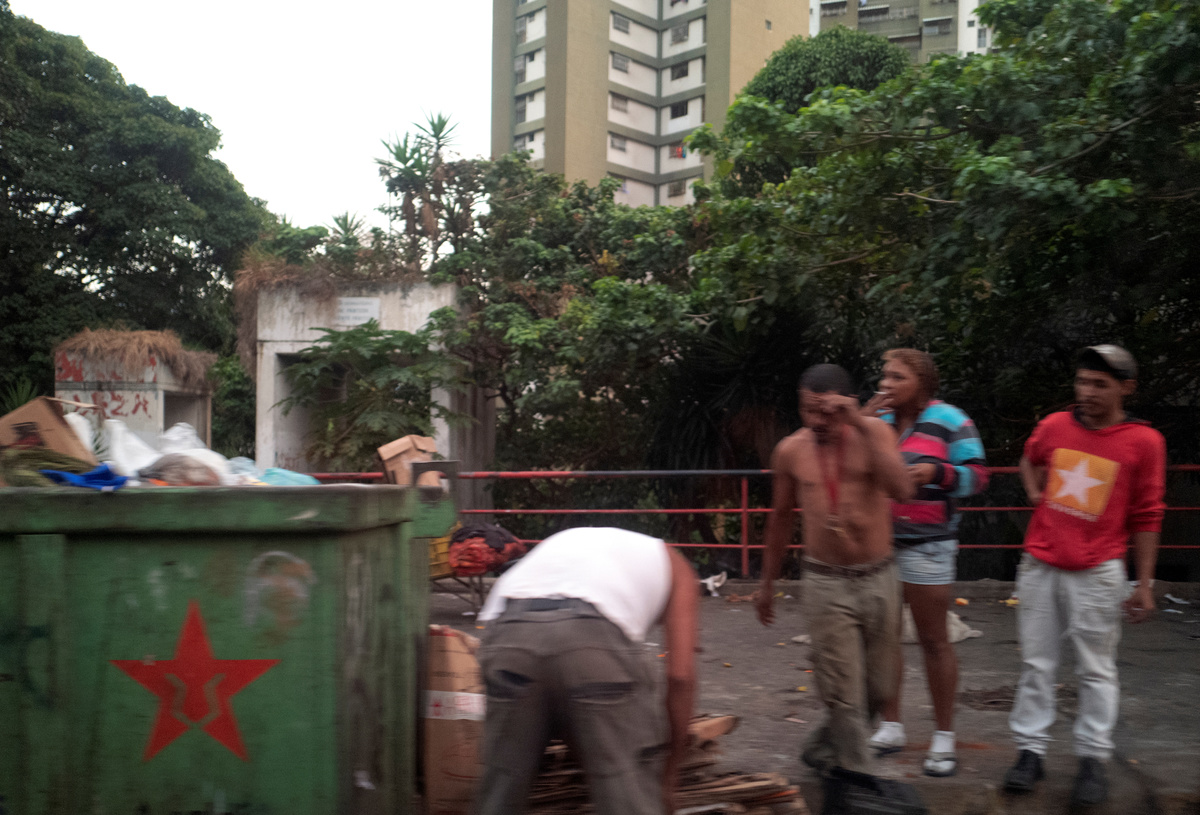
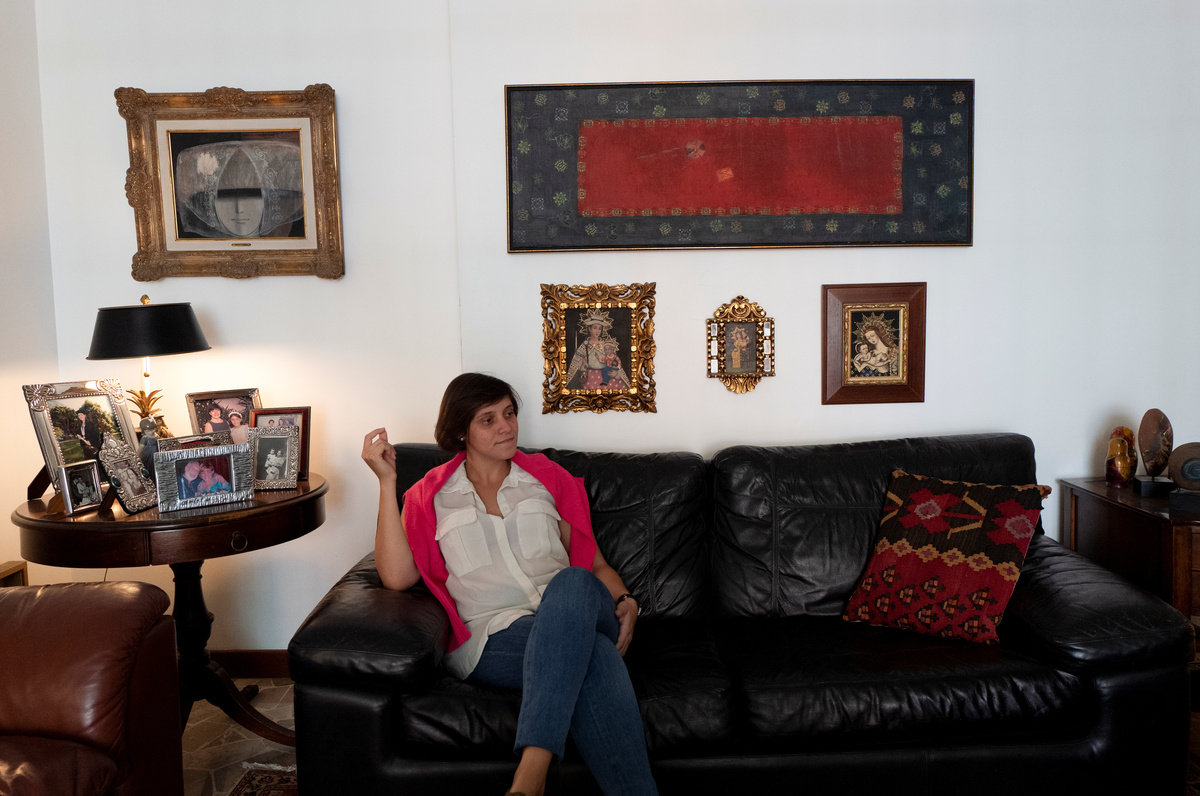
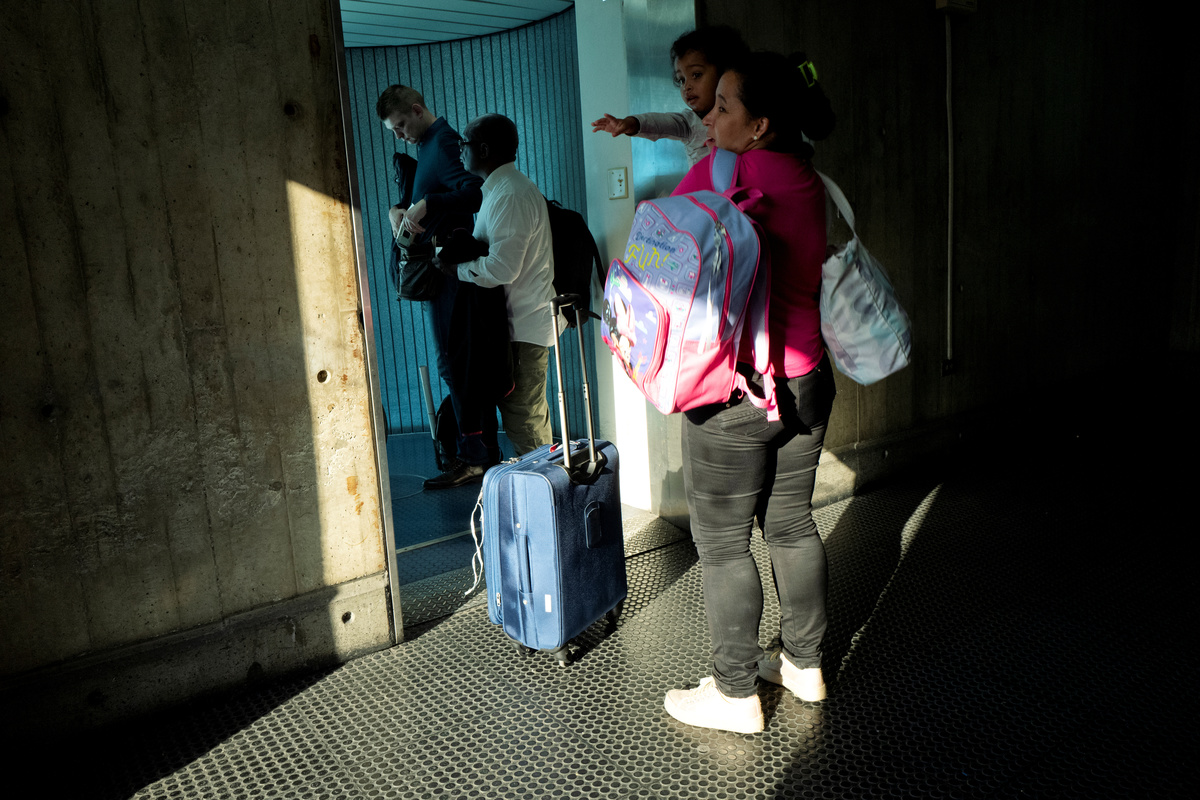
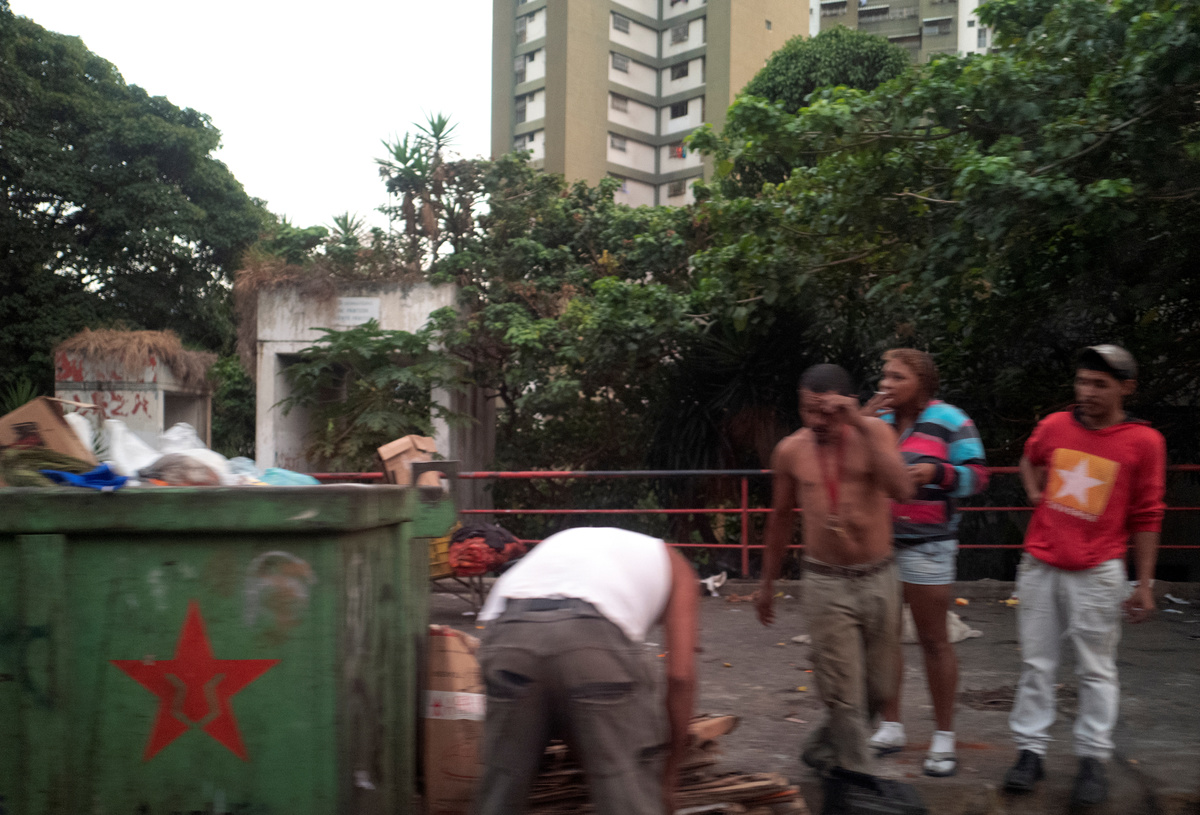
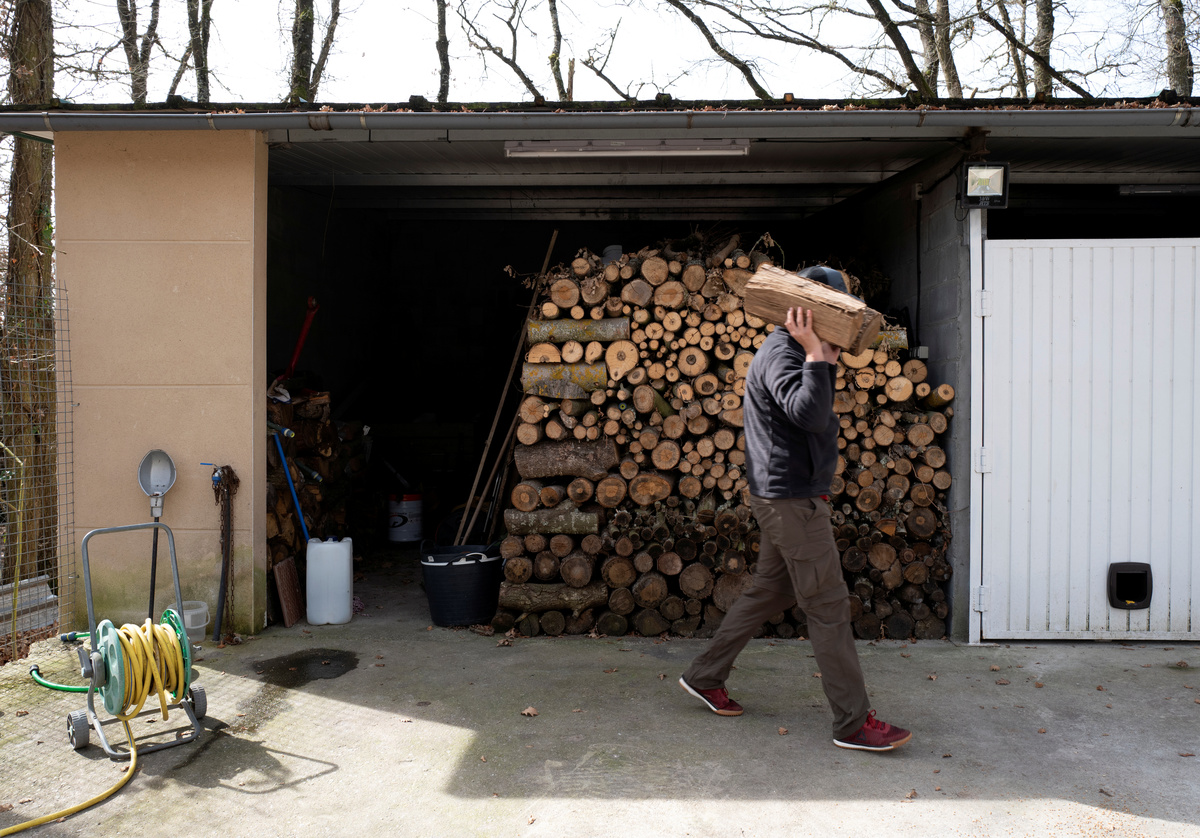
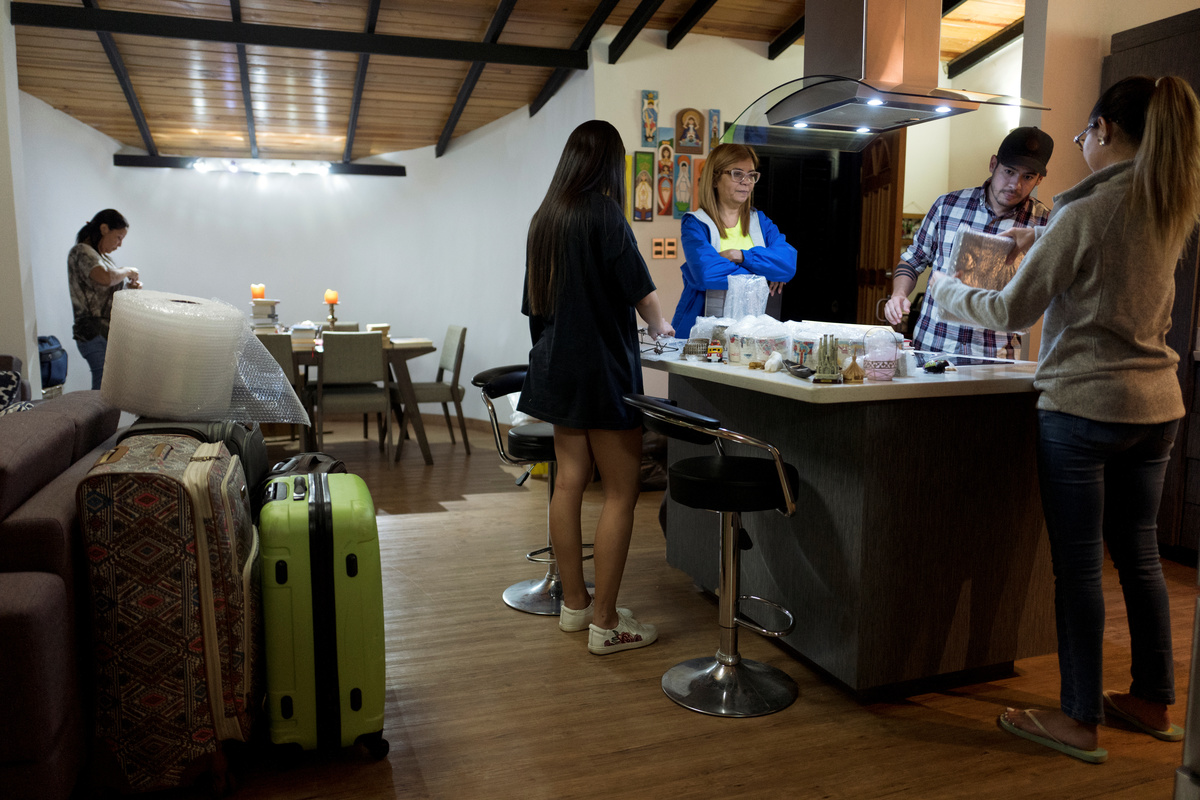
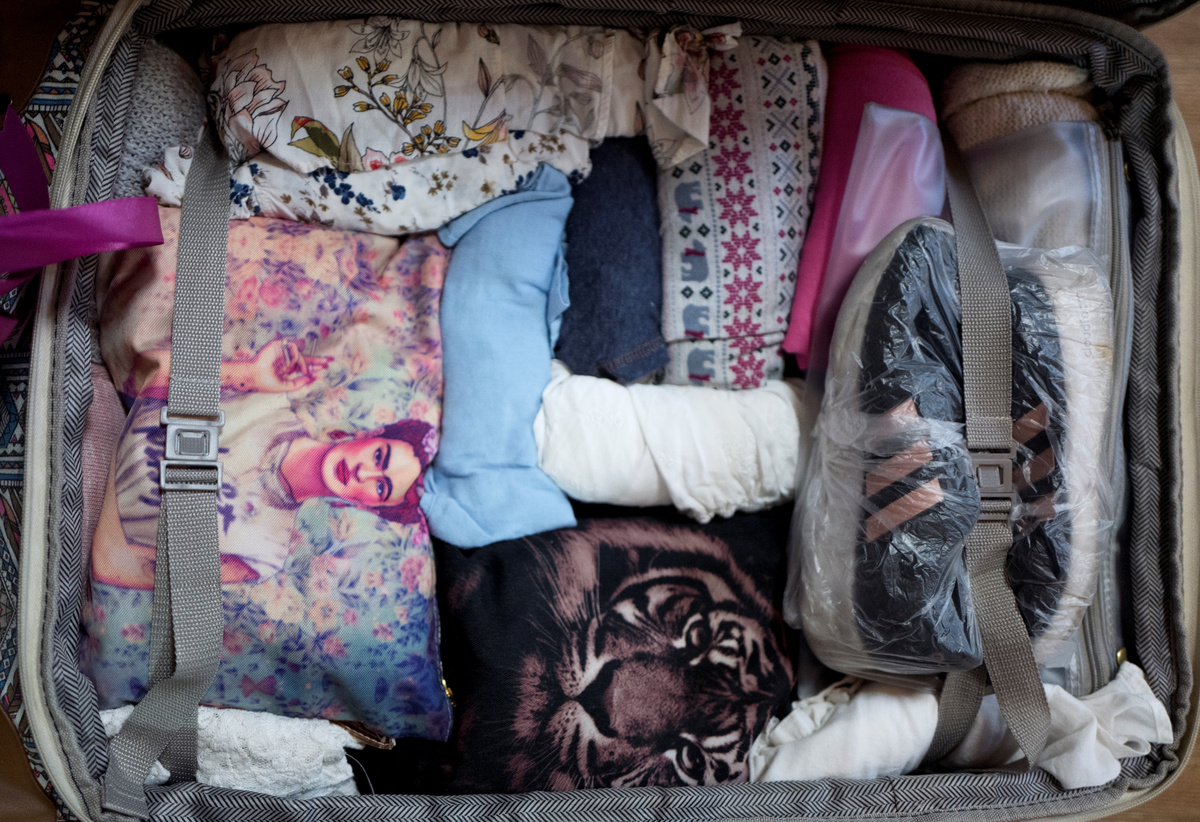
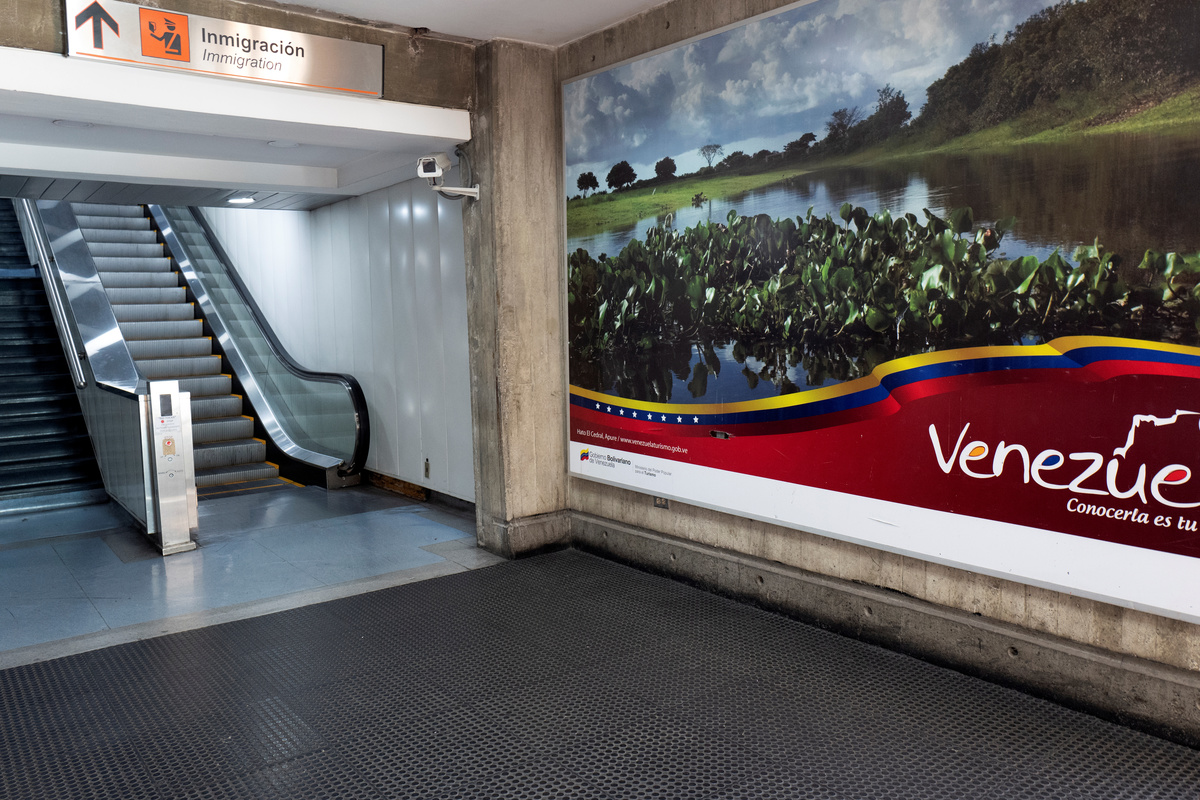
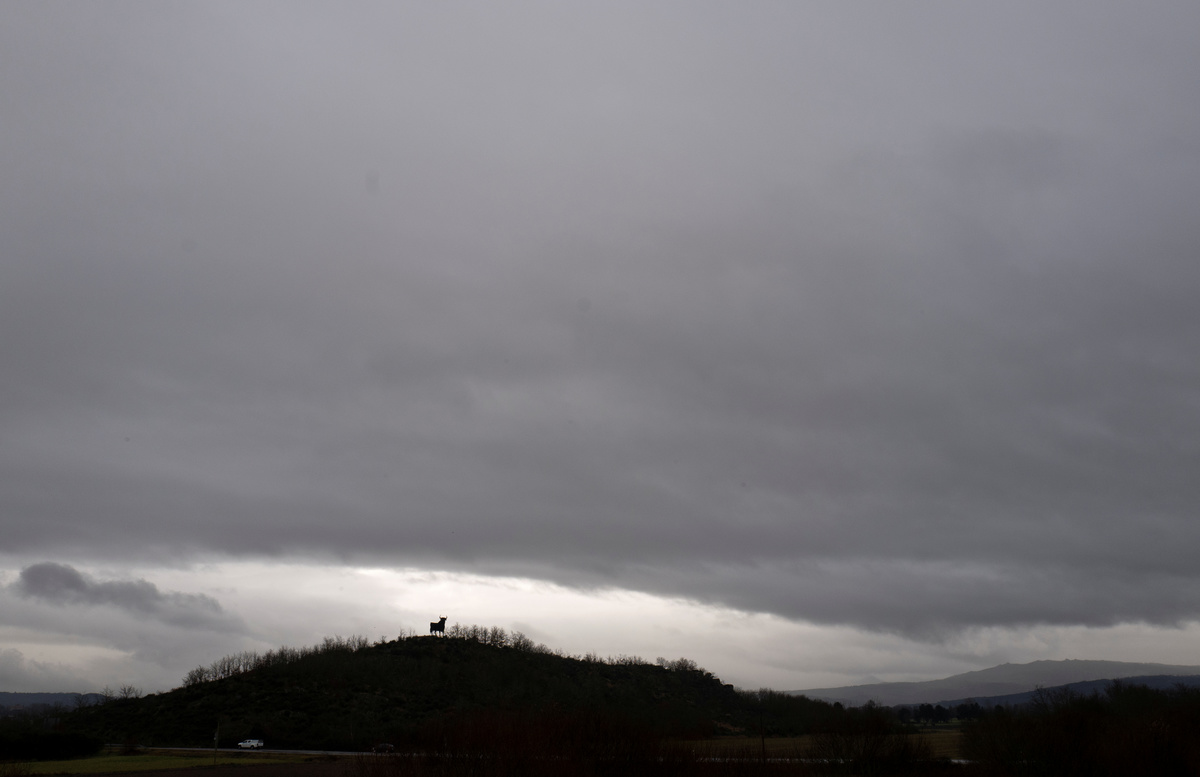
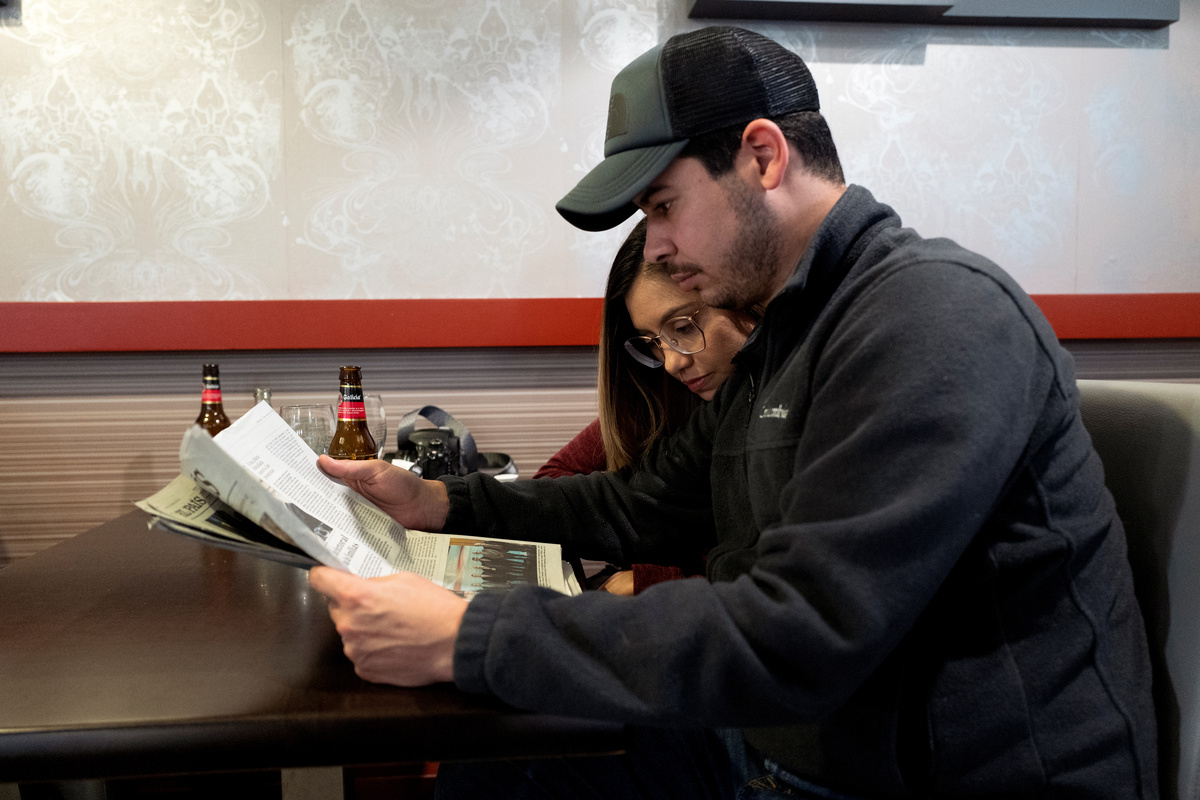
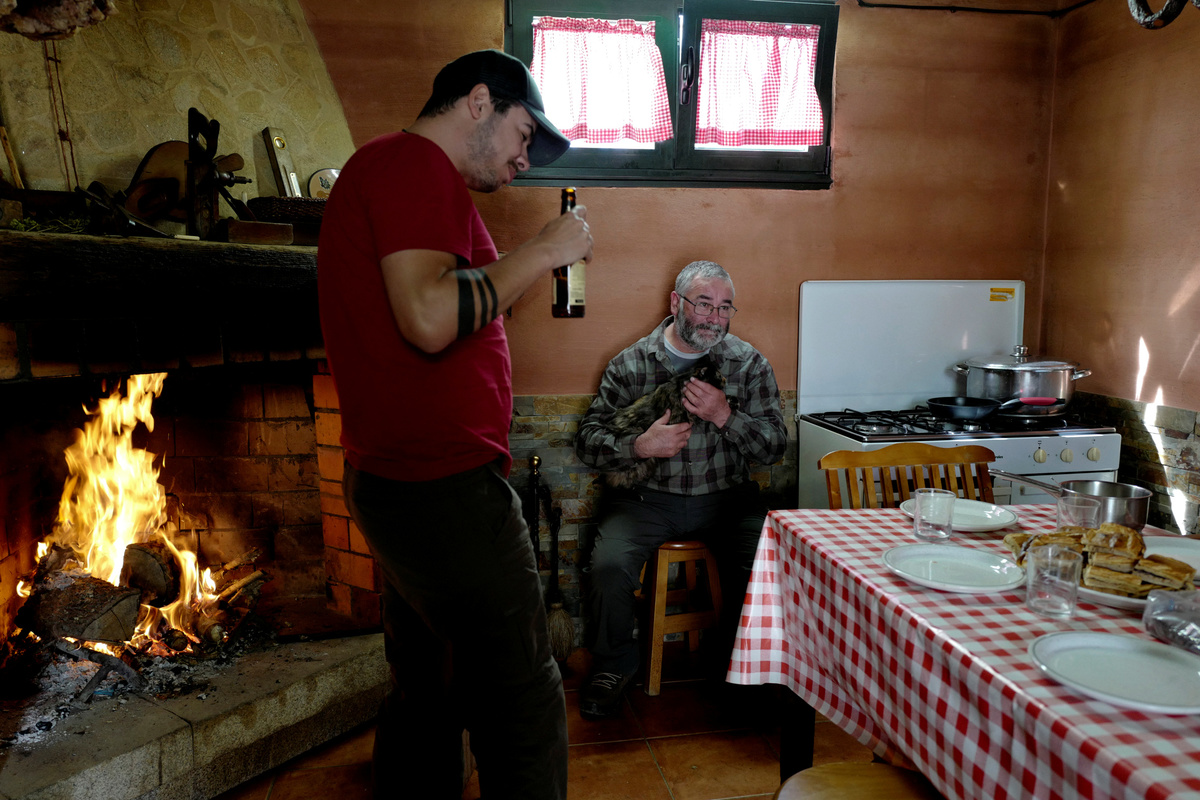
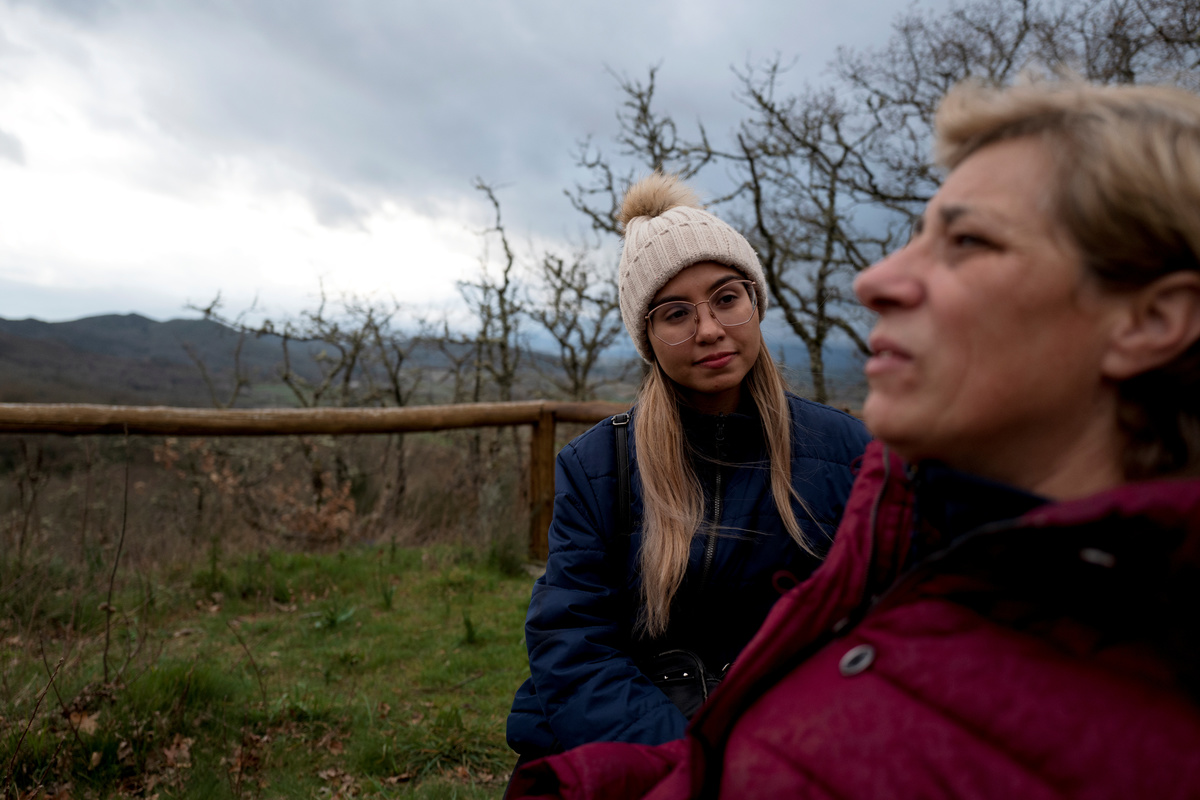
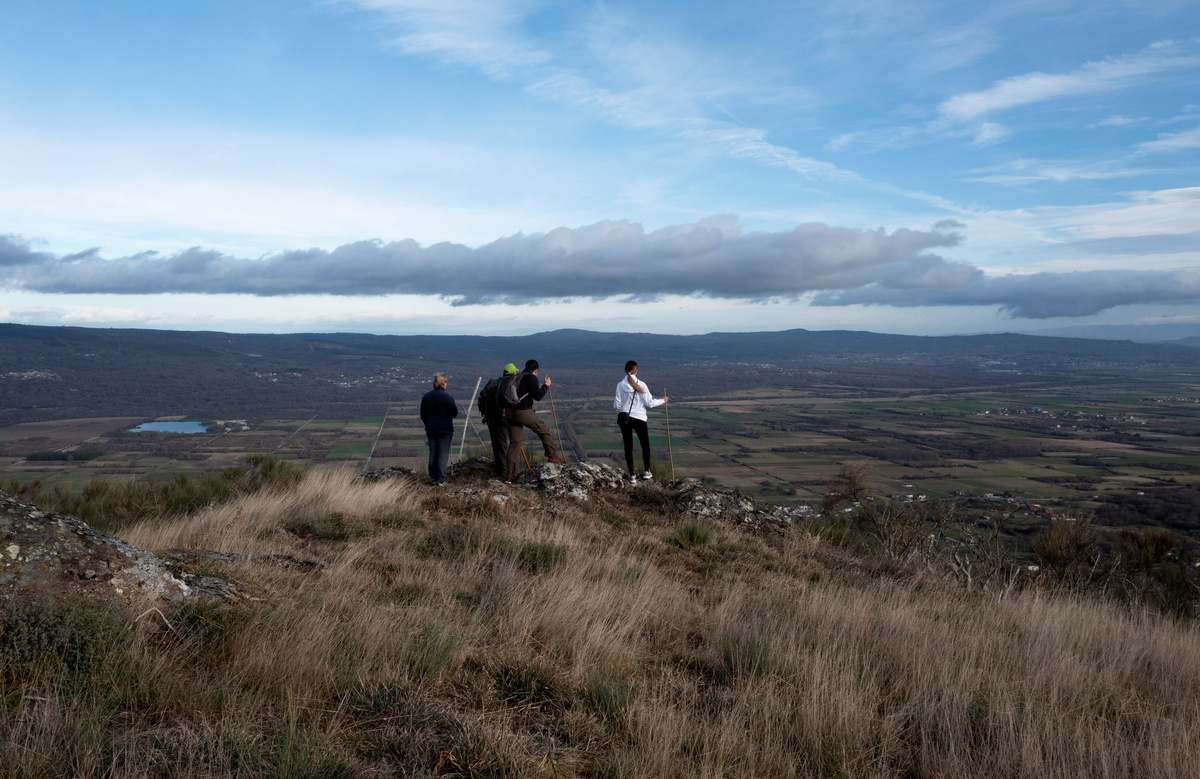
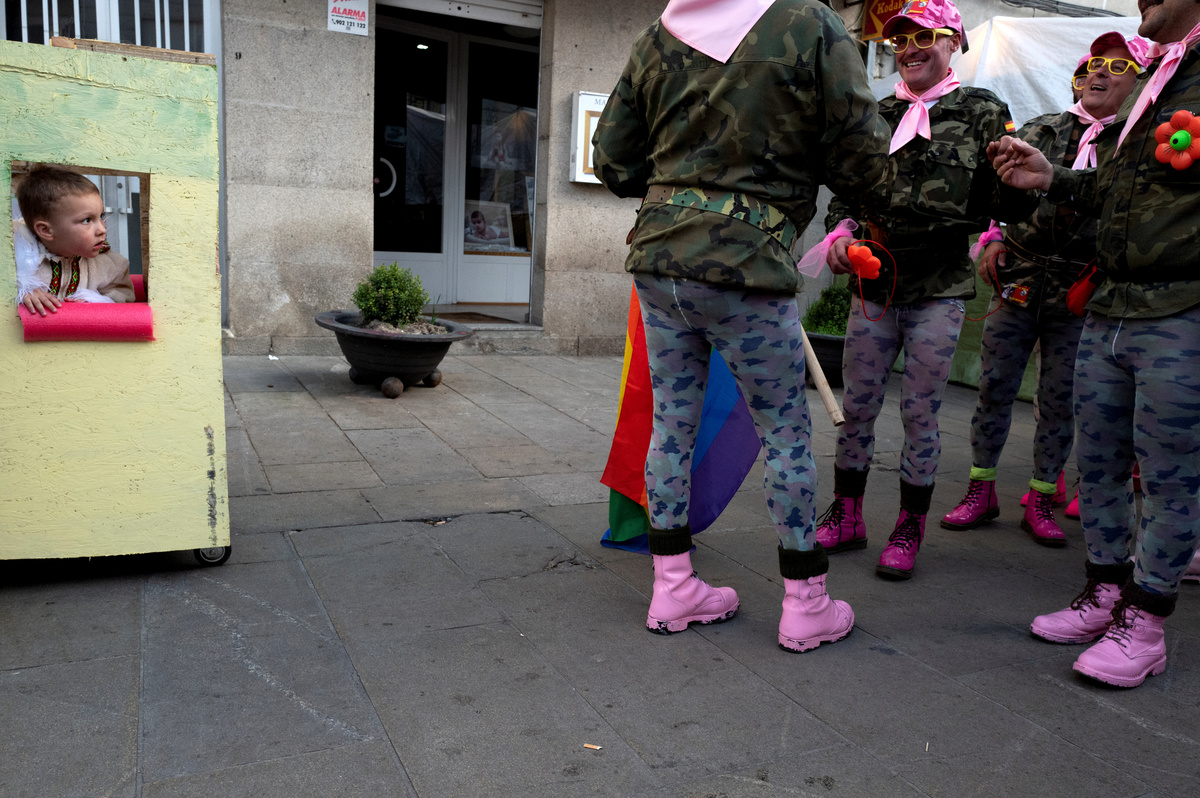
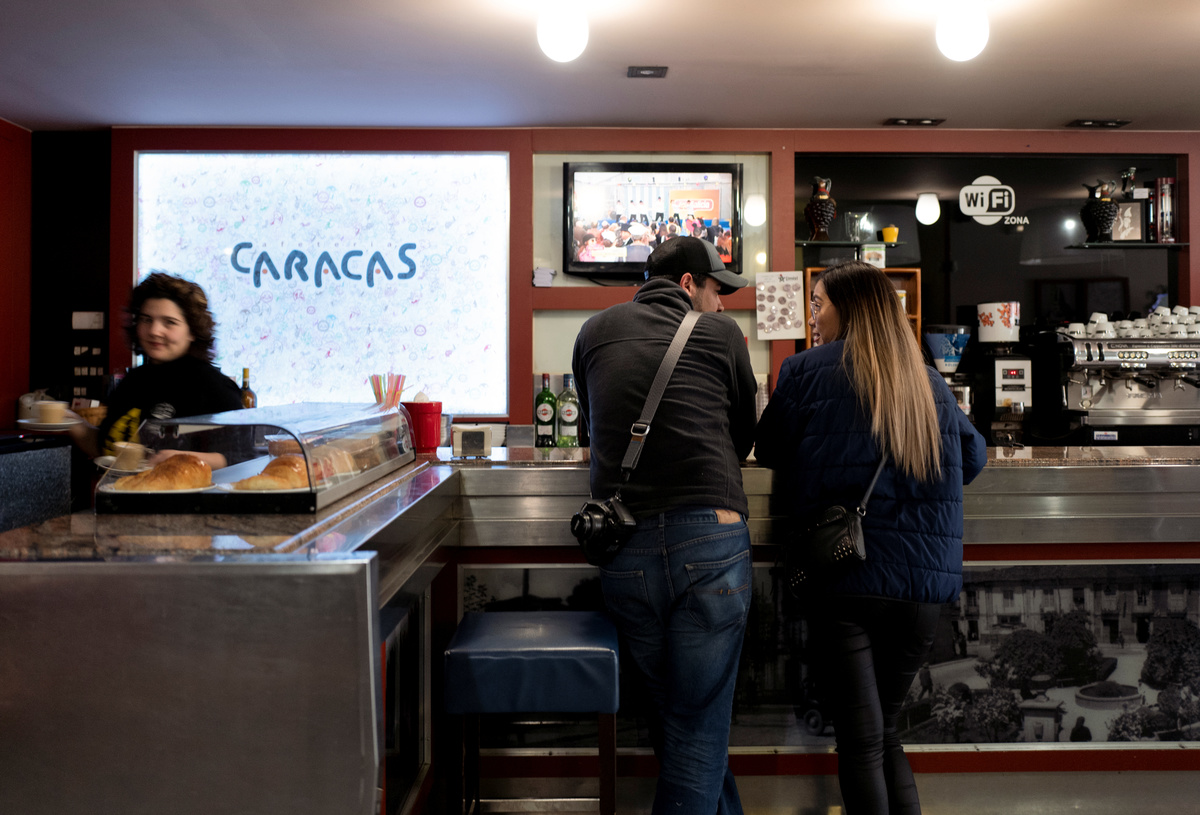
Mariana Elias, 27, looks out from the balcony at her new house in Barcelona, Spain, February 21, 2019. REUTERS/Ana Maria Arevalo GosenMariana Elias, 27, shops for a red wine and other goods at the supermarket near her apartment in Barcelona, Spain, February 21, 2019. REUTERS/Ana Maria Arevalo Gosen A group of people searching for goods in a garbage is seen through Arelis's car window, in Caracas, Venezuela, January 12, 2019. REUTERS/Ana Maria Arevalo Gosen Mariana Elias, 27, poses for a portrait at her home in las Mercedes, an east side neighborhood in Caracas, Venezuela, January 10, 2019. REUTERS/Ana Maria Arevalo Gosen A group of passengers, including a mother with her child wait to board at the Simon Bolivar International Airport, La Guaira, Venezuela, January 14, 2019. REUTERS/Ana Maria Arevalo Gosen A group of people searching for goods in a garbage is seen through Arelis's car window, in Caracas, Venezuela, January 12, 2019. REUTERS/Ana Maria Arevalo Gosen Jose Martinez, 31, carries wood for the fire to warm up his new home in Xinzo de Limia, Spain, March 3, 2019. REUTERS/Ana Maria Arevalo Gosen Jose Martinez, 31, meets with friends from his photography course to say goodbye at a bar in el Hatillo, Caracas, Venezuela, January 11, 2019. REUTERS/Ana Maria Arevalo Gosen Arelis Morales, 30, spends time with her uncle before she moves to Spain in Cotiza, Caracas, Venezuela, January 12, 2019. REUTERS/Ana Maria Arevalo GosenJose Martinez, 31, and Arelis Morales, 30, are helped by Arelis's mother, aunt and friend, to pack their bags and help to seal everything they are not taking to Spain, in Caracas, Venezuela, January 9, 2019. REUTERS/Ana Maria Arevalo Gosen Clothes and shoes belonging to Arelis Morales, 30, are packed into a suitcase for her move to Spain, in Caracas, Venezuela, January 9, 2019. REUTERS/Ana Maria Arevalo Gosen An advert promoting tourism in Barinas, a city in Venezuela, is displayed at the Simon Bolivar International Airport, La Guaira, Venezuela, January 14, 2019. REUTERS/Ana Maria Arevalo Gosen Arelis and Jose Martinez, 31, attend a goodbye gathering with her family at her grandmother's house in Cotiza, Caracas, Venezuela, January 12, 2019. REUTERS/Ana Maria Arevalo GosenA view of Caracas at night taken from Valle Arriba, a neighborhood located in the east of the city, with Avila mountain in the background, Venezuela, December 12, 2018. REUTERS/Ana Maria Arevalo GosenA billboard-sized figure of a bull, known as an "Osborne bull" is seen from the highway towards Xinzo de Limia, Spain, January 19, 2019. REUTERS/Ana Maria Arevalo Gosen Jose Martinez, 31, and Arelis Morales, 30, read about the situation in Venezuela, in Spanish newspapers at a bar called 'Caracas' in Xinzo de Limia, Spain, March 2, 2019. REUTERS/Ana Maria Arevalo Gosen Arelis Morales, 30, walks to the 'fiesta de la matanza' (butchering fiesta) organised by Jose's uncles in Xinzo de Limia, Spain, March 2, 2019. REUTERS/Ana Maria Arevalo GosenAfter lighting the fire, Jose Martinez, 31, and his uncle enjoy a break before lunch at their home in Xinzo de Limia, Spain, March 3, 2019. REUTERS/Ana Maria Arevalo Gosene Arelis Morales, 30, and her husband Jose's aunt talk at the Monasterio de Trandeiras, Xinzo de Limia, Spain, March 3, 2019. REUTERS/Ana Maria Arevalo Gosen Jose Martinez, 31, Arelis Morales, 30, and Jose's uncles look at the view during a two-hour hike in the mountains in Castelaus, Spain, March 3, 2019. REUTERS/Ana Maria Arevalo GosenA woman carries balloons during the carnival of Xinzo de Limia, in Spain, March 2, 2019. REUTERS/Ana Maria Arevalo Gosen A child watches the gay parade march during the carnival in Xinzo de Limia, Spain, March 2, 2019. REUTERS/Ana Maria Arevalo Gosen Jose Martinez, 31, and Arelis Morales, 30, wait to order at the counter of the bar 'Caracas' in Xinzo de Limia, Spain, March 2, 2019. REUTERS/Ana Maria Arevalo Gosene
Sign up to read this article
Read news from 100's of titles, curated specifically for you.