CARACAS, Venezuela �� Venezuela's Supreme Court said early Saturday that the country's most renowned political prisoner, opposition leader Leopoldo Lopez, was transferred from military prison to house arrest after three years.
Lopez, who has serving a sentence of about 14 years for allegedly inciting violence in protests against President Nicolas Maduro, left the Ramo Verde prison outside Caracas, a court statement said. Lopez, 46, was granted the transfer on humanitarian grounds, based on health considerations and "indications of serious irregularities" in the proceedings related to the case, according to the statement.
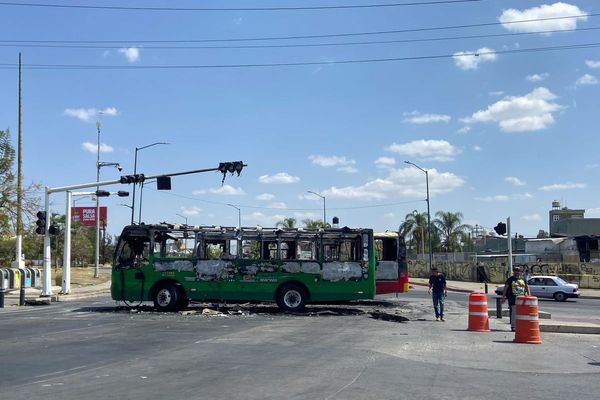
The announcement came after almost daily anti-government protests in Venezuela in which 90 people died since April.
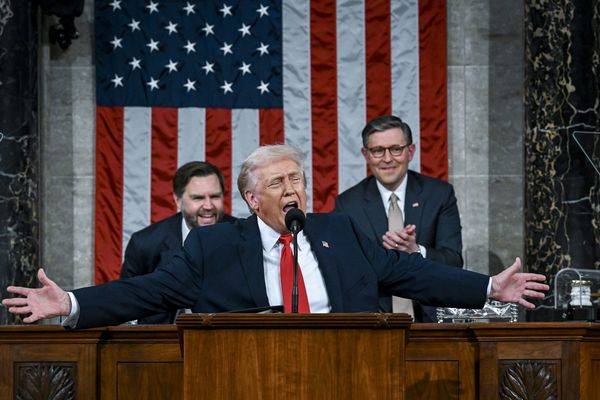
Lopez has become a symbol for rights groups and foreign governments, which have said his detention �� including stints in solitary confinement �� was evidence of the Maduro government's disregard for human rights and due process. The release of Lopez and dozens of other jailed activists and politicians has been a demand by Maduro's opponents. In February, U.S. President Donald Trump called for the "immediate" release of Lopez after a meeting with his wife, Lilian Tintori.
Human rights groups that have condemned Lopez's incarceration were quick to welcome his release.
The release opens a window for "national reconciliation" and brings Venezuela closer to a democratic exit from its "serious crisis," Secretary General Luis Almagro of the Organization of American States, wrote on Twitter.
Despite increasing pressure at home and abroad to call elections, Maduro has called for a constituent assembly at the end of this month, which could upend the country's institutional structure. The assembly aims to rewrite Venezuela's constitution, stoking fears that it may do away with the election calendar entirely.
Lopez, one of the Venezuelan government's most strident critics, has denied encouraging violence in the 2014 unrest, which became known as "The Exit." The demonstrations dragged on for months after his incarceration and triggered a violent crackdown by the government.
����
(Nathan Crooks contributed to this report.)