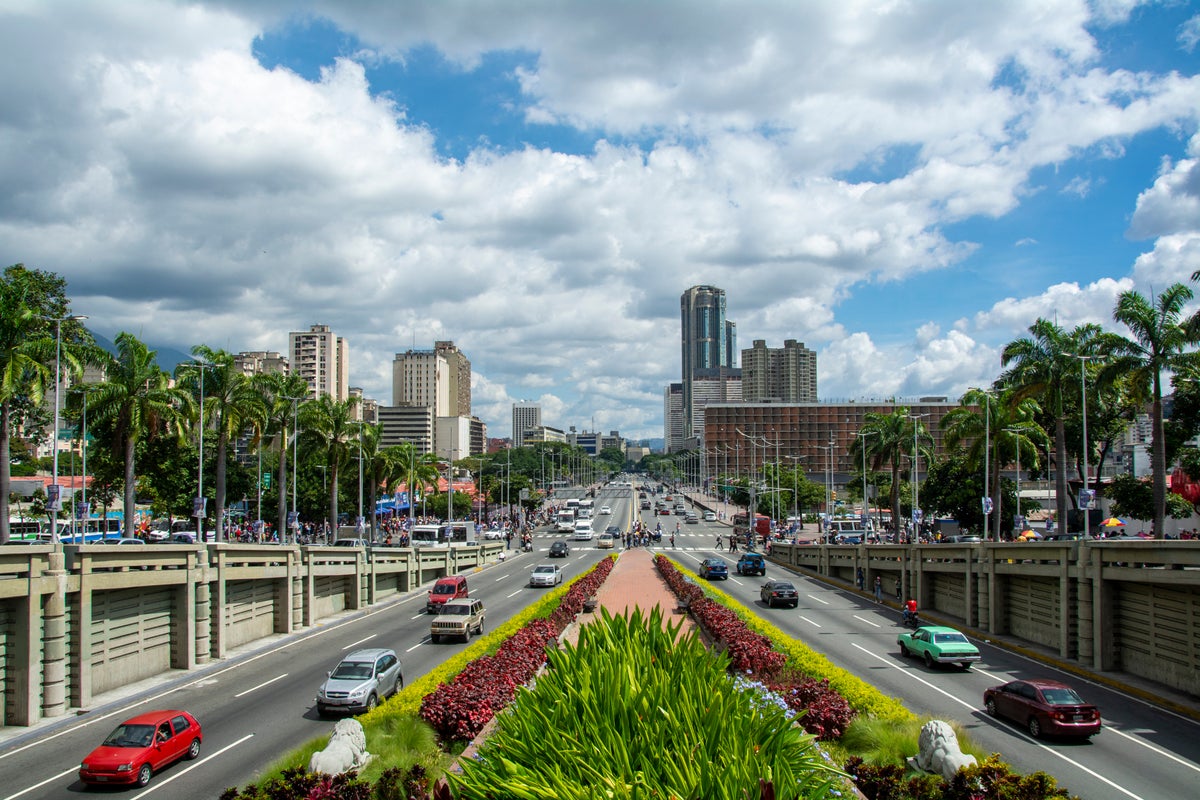
First stop, Venezuela: that was the traditional route for British travellers to Latin America in the early 1990s. The national airline of the oil-rich nation was Viasa. It offered cheaper fares than any other carrier between the UK and pretty much anywhere in Latin America, from Cuba to Chile.
As an additional enticement, the airline threw in a stopover at its hub in Caracas at no extra charge. Some passengers opted for a day or two on a Caribbean beach (the hotels at Caracas airport begin almost as soon as the runway ends), while others spent weeks exploring Venezuela. In the latter camp: Lyn Hughes, founding editor of Wanderlust magazine.
"My late husband Paul and I were on a Viasa flight all those years ago, at the end of 1992,” she recalls. “On that trip we were exploring Ecuador, Colombia and Venezuela, which is where we first conjured up the idea for Wanderlust.
“Venezuela was the last part of that journey – a very memorable month or two. I remember being up in the mountains and getting down to planning what this new travel magazine was going to be.
Lyn was “completely wowed” by Venezuela: trekking in the mountains, exploring the Orinoco Delta, visiting local communities (“I had some really memorable cultural encounters”) and winding down on deserted white-sand beaches.
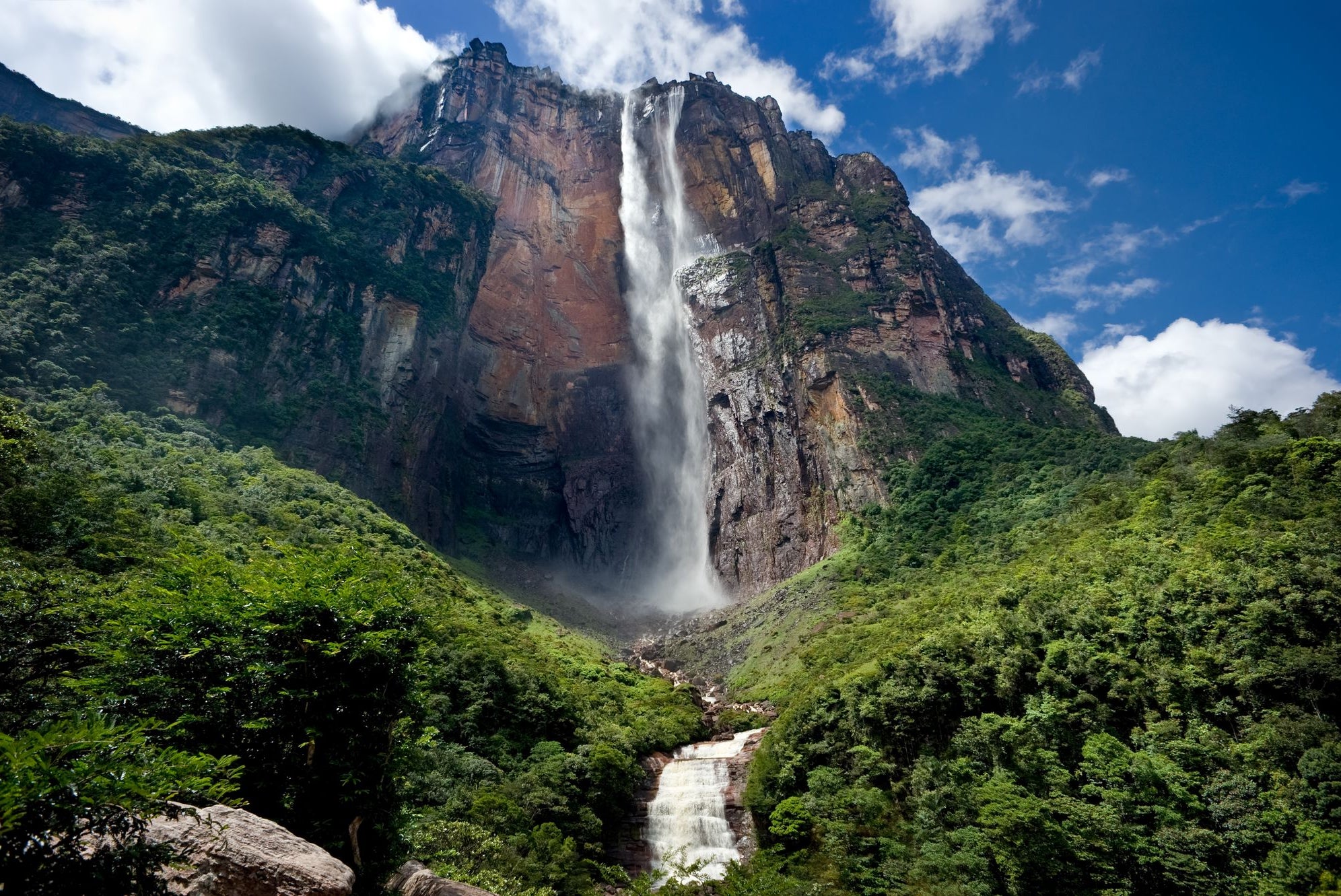
“You also had the flat‑top mountains – the tepuis – which are extraordinary. One of them in particular was becoming quite well known at the time because of all the talk about the ‘Lost World’ on its summit. But in reality, there are so many of these flat‑top mountains where you genuinely feel like an explorer.
“Venezuela just seemed to have everything that someone interested in travel could possibly want,” Lyn says.
While adventurous backpackers explored the interior, Margarita Island – Venezuela’s leading Caribbean isle – became a mass-market package holiday destination and a regular stop for British and US cruise ships. But the economic implosion of Venezuela and increasing risk sent the tourism boom into reverse.
The leading UK specialist, Journey Latin America, has not run holidays to Venezuela since 2014.
Even before the US operation of 3 January, in which more than 100 people died. the Foreign Office warned against travel to the beleaguered nation. The final travel advice for 2025 said: “Venezuela has one of the highest murder rates in the world. Armed robbery, mugging, carjacking and burglary are all very common and often accompanied by extreme violence.”
The risk of armed robbery, said the FCDO, began immediately upon arrival at Caracas airport.
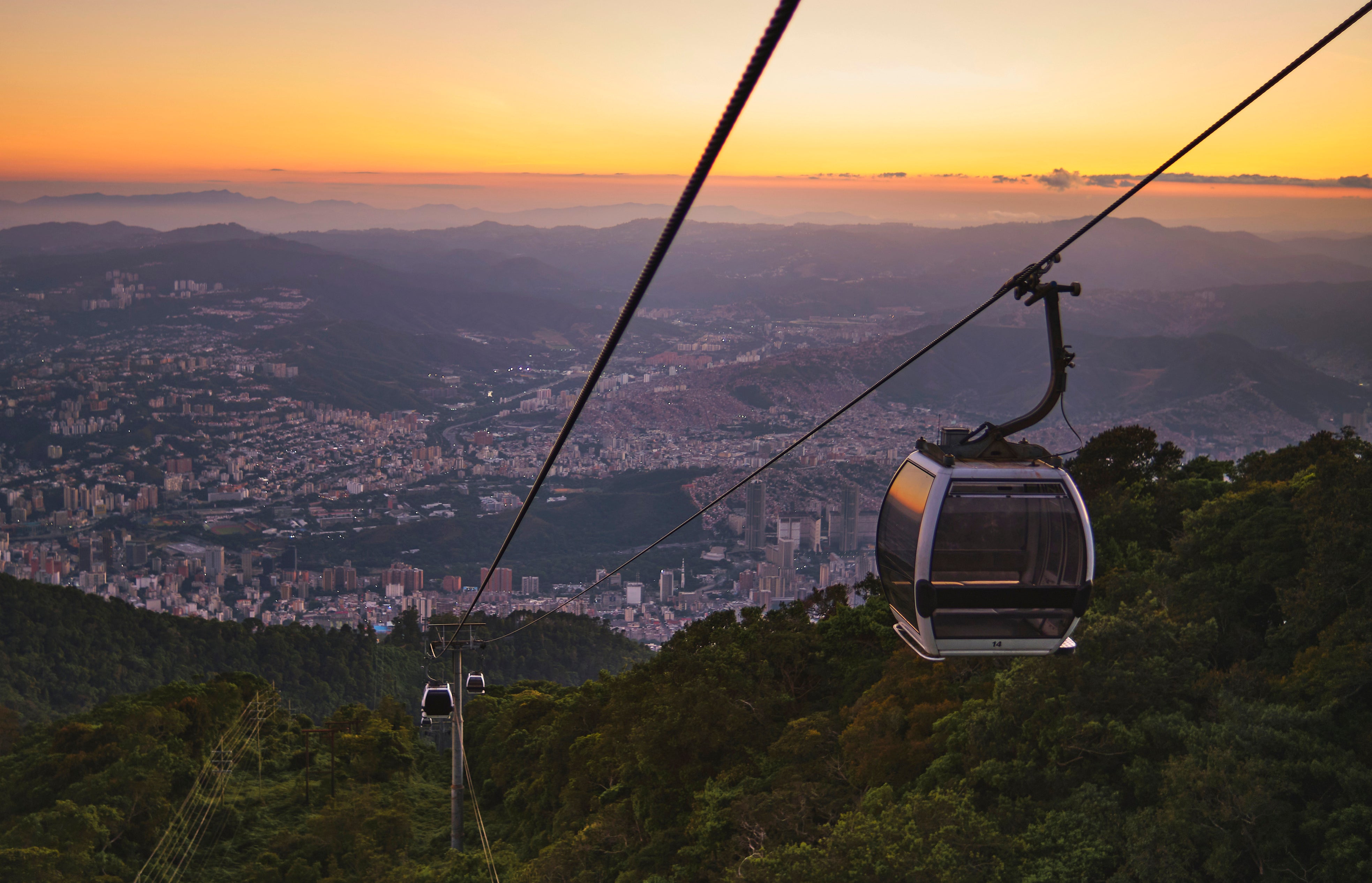
The US State Department was even more graphic in its travel advice for Venezuela: warning American citizens of “extreme danger” in the nation, and urging anyone planning to visit to “prepare a will”.
Yet Sir Michael Palin survived while making his excellent TV series for 5: “The journey was a real adventure, tough but rewarding,” he told me last year.
Venezuela’s immediate future looks fragile, with the dangers for the British intensified since the extraction of President Nicolas Maduro. “You should have a ‘personal emergency plan’, including practical steps for leaving the country or staying safe during a crisis, that does not depend on support from the UK government,” the Foreign Office now warns.
But the travel industry is ever-optimistic, despite the uncertainty created by Donald Trump’s Venezuelan venture.
“I felt this was a country that deserved so much more,” recalls Lyn Hughes. “It deserved to be better known.”
Journey Latin America’s managing director, Sarah Bradley, says: “We sincerely hope that stability and peace return to Venezuela as soon as possible, so that its people can once again thrive, and so that this remarkable country can one day welcome visitors back to experience its extraordinary natural beauty and cultural richness under safer and more hopeful circumstances.”
Tens of millions of Venezuelans should be living peacefully and prosperously in a nation of immense oil wealth.
Once Venezuela is safe to visit, tourism can help rebuild a country that has suffered so much. Even though Viasa went bust three decades ago, I can’t wait to return.
Simon Calder, also known as The Man Who Pays His Way, has been writing about travel for The Independent since 1994. In his weekly opinion column, he explores a key travel issue – and what it means for you.
Will the entry-exit system wipe out our travel history?
Facial scans and social media checks: Simon Calder on what UK travellers need to know for 2026
Explore the majesty of Cádiz and the Costa de la Luz
All the countries currently on the Foreign Office ‘do not travel’ list
Holidaymakers stranded as Caribbean-bound planes turned around mid-flight