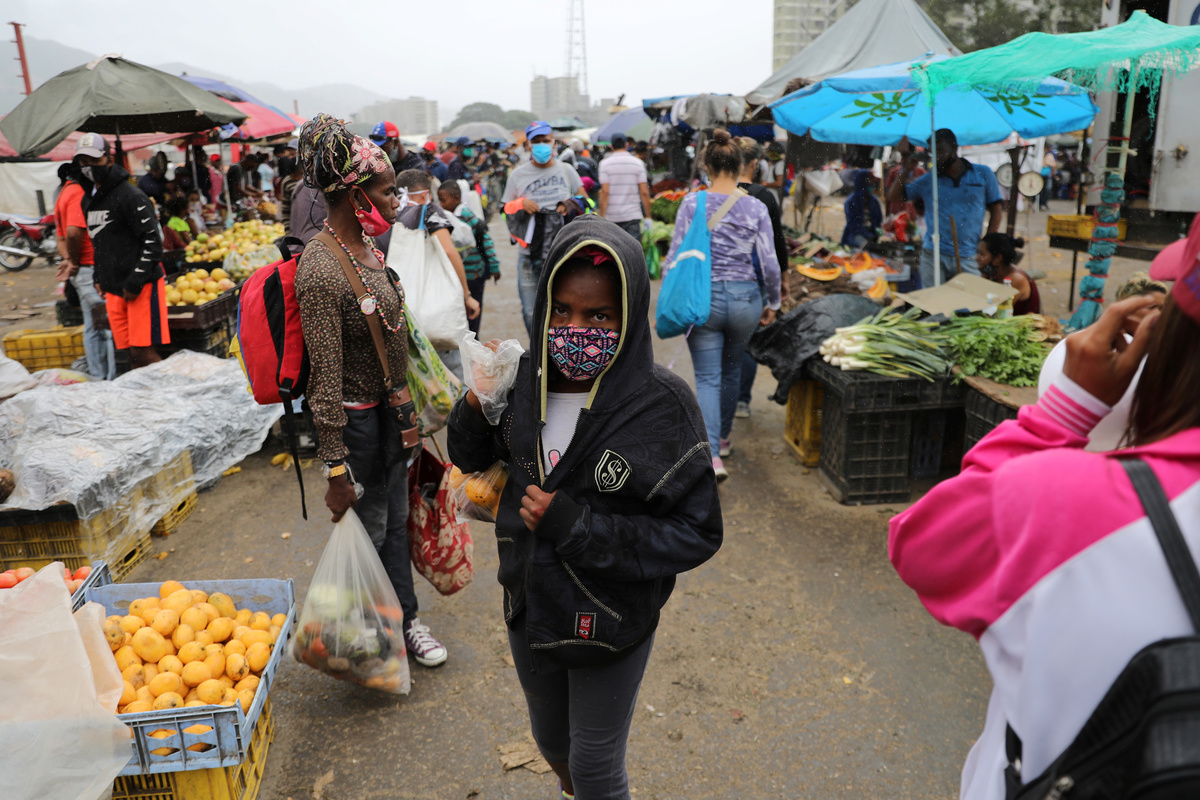
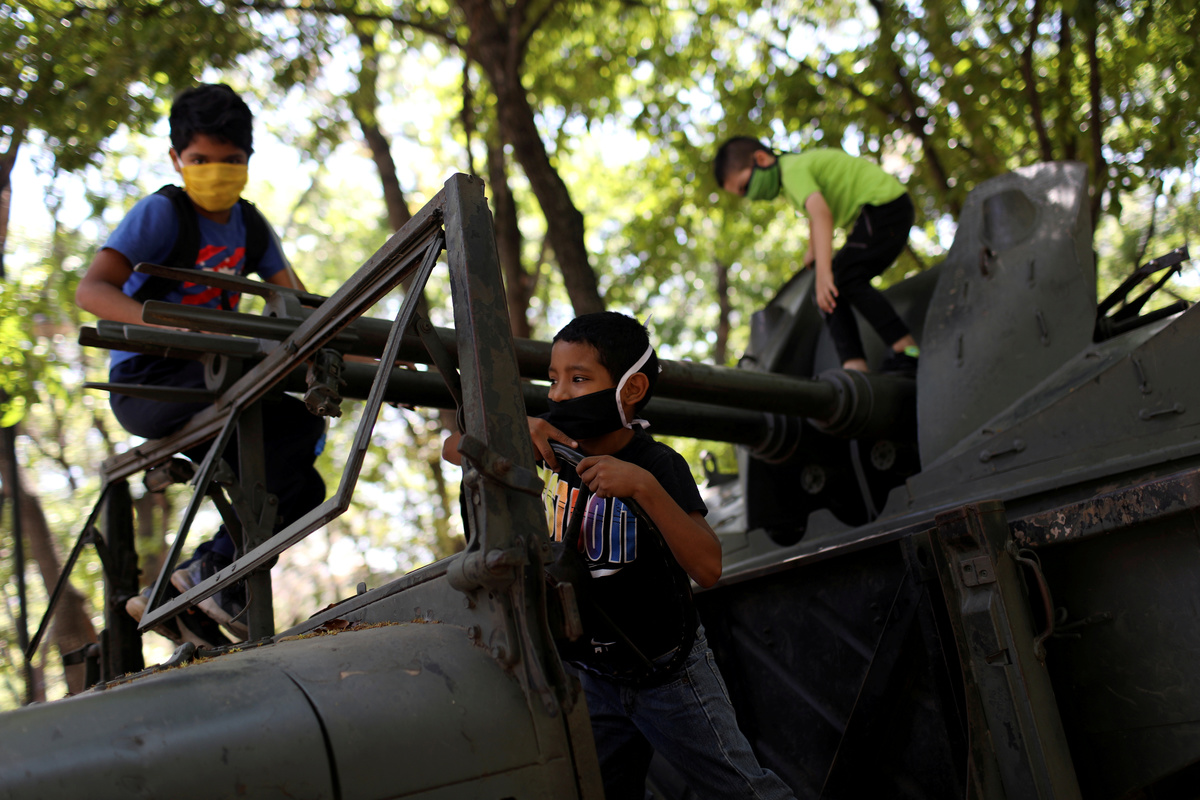
Over five months of quarantine due to the COVID-19 pandemic in Venezuela has led to an increase in anxiety and depression in some children, a non-governmental organization said Tuesday.
Cecodap, a group focused on child and adolescent rights, said that in the first six months of 2020 it gave 1,458 consultations in 18 of Venezuela's 23 states. In all of 2019 it gave 1,115 consultations.
Anger, sadness and uncertainty are other common emotions children expressed, said Abel Saraiba, a psychologist who coordinates Cecodap's psychological services. "We have a complex humanitarian emergency on top of a pandemic (...) the combination of these factors produces a deterioration in living conditions," he added.
Venezuelan authorities have reported 20,754 confirmed cases of COVID-19 and 180 deceased.
Since March 17, when quarantine measures were first imposed, Saraiba has seen a pointed increase in the amount of children with depression and anxiety. In February, around 9% of the children he saw had expressed depression and anxiety, increasing to 31% in June.
Confinement, lack of interaction with other children, not having regular internet connection, or, in some cases, no television, have led to behavioral changes that parents sometimes respond to with physical violence, the group said in the report.
According to Saraiba, Venezuela has no statistics on young people's mental health, making it hard to understand the scope of the problem, which he says the government has not prioritized in its pandemic response.
The information ministry did not respond to an immediate request for comment.
(Reporting by Shaylim Valderrama; Writing by Sarah Kinosian; Editing by Vivian Sequera and David Gregorio)




.jpg?w=600)