CARACAS/WASHINGTON (Reuters) - Venezuelan President Nicolas Maduro faced growing regional pressure on Sunday after his troops repelled foreign aid convoys, with the United States threatening new sanctions and Brazil urging allies to join a "liberation effort".
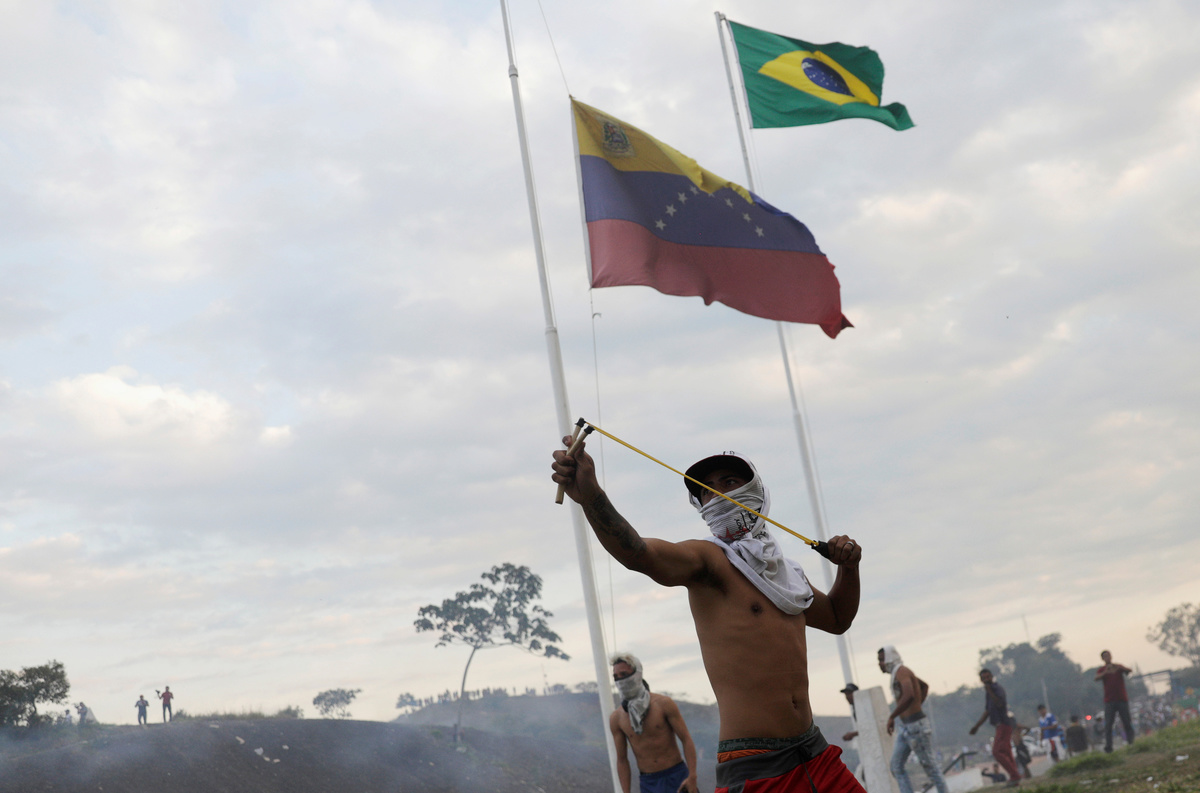
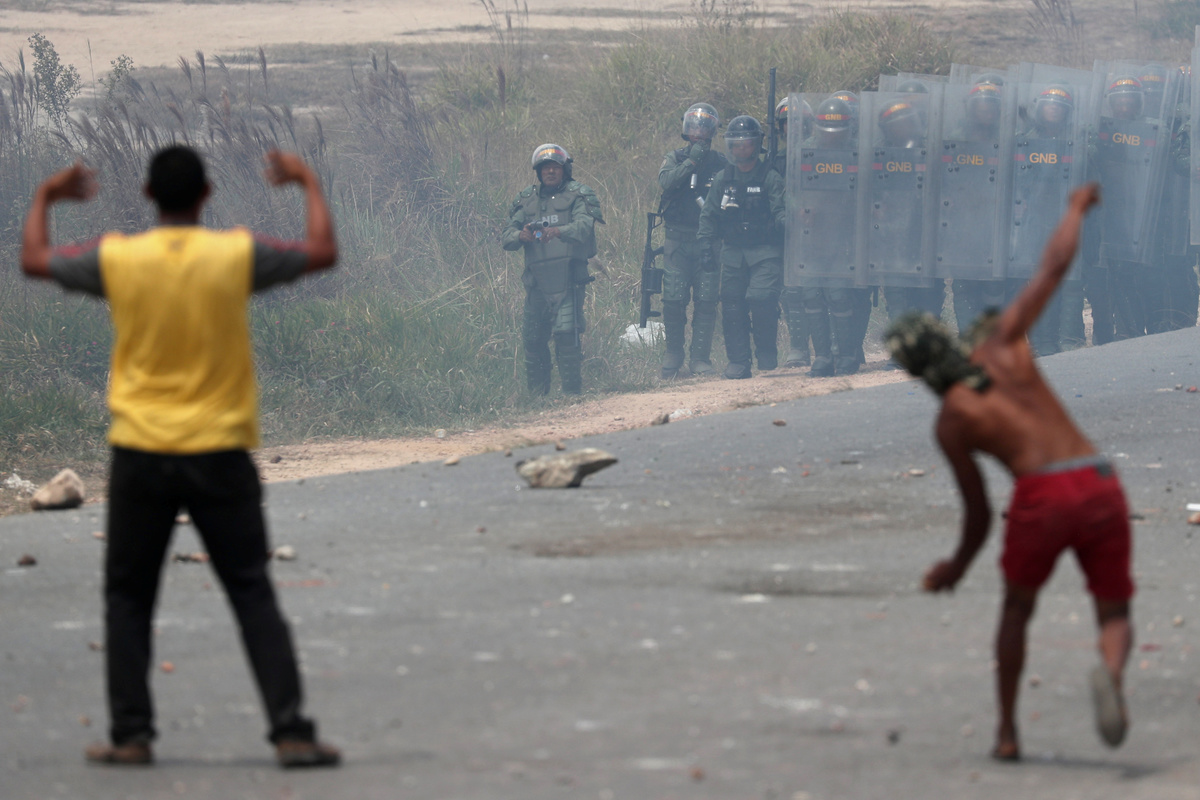
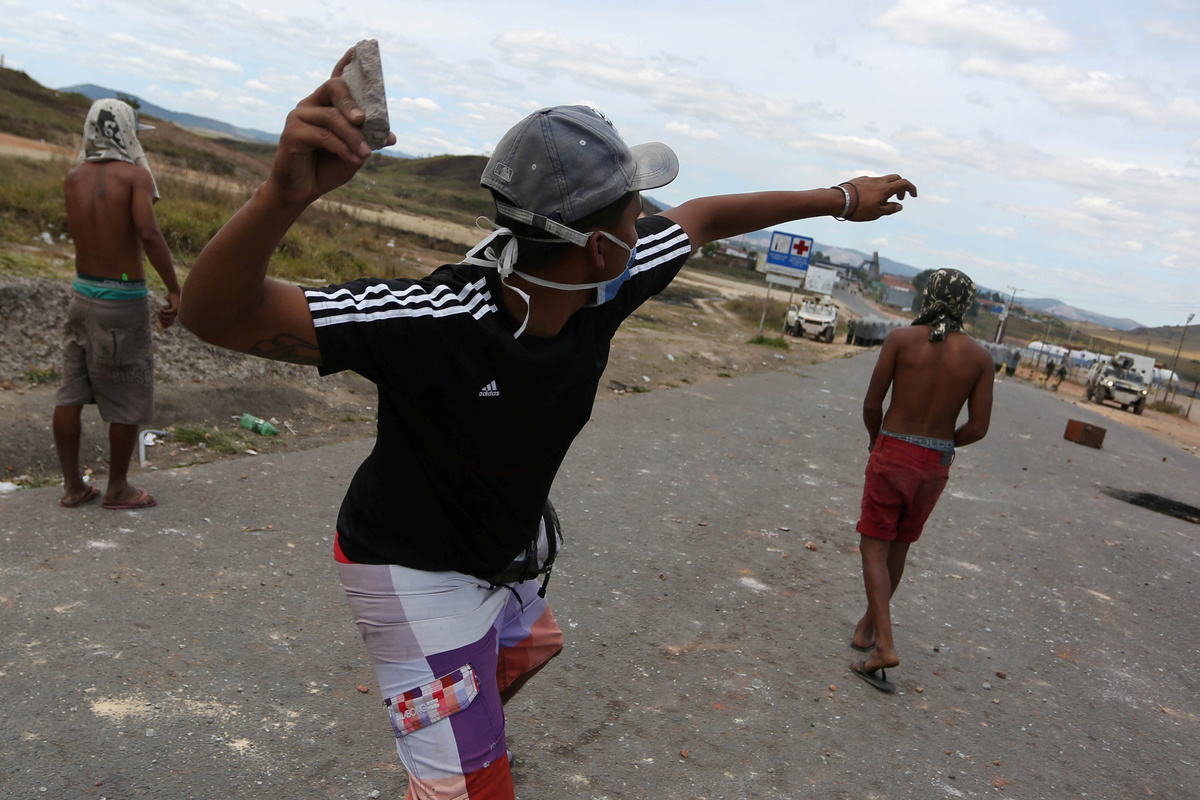
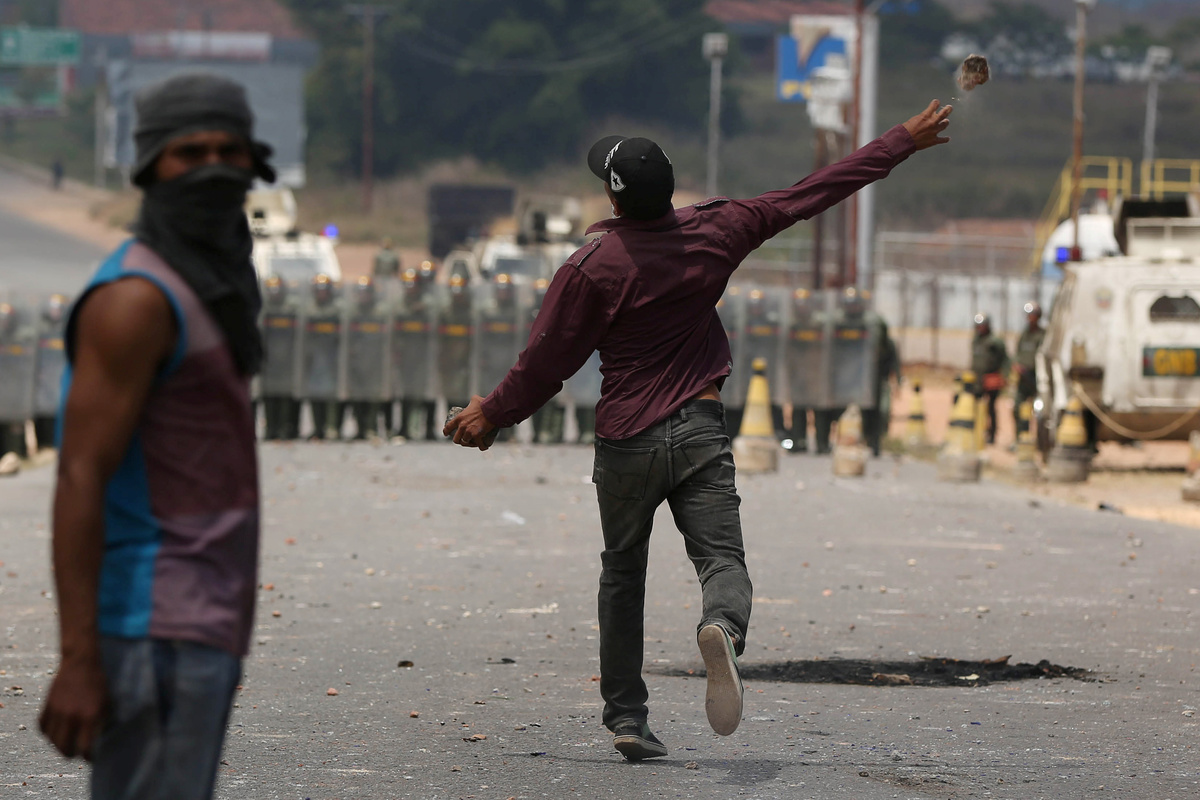
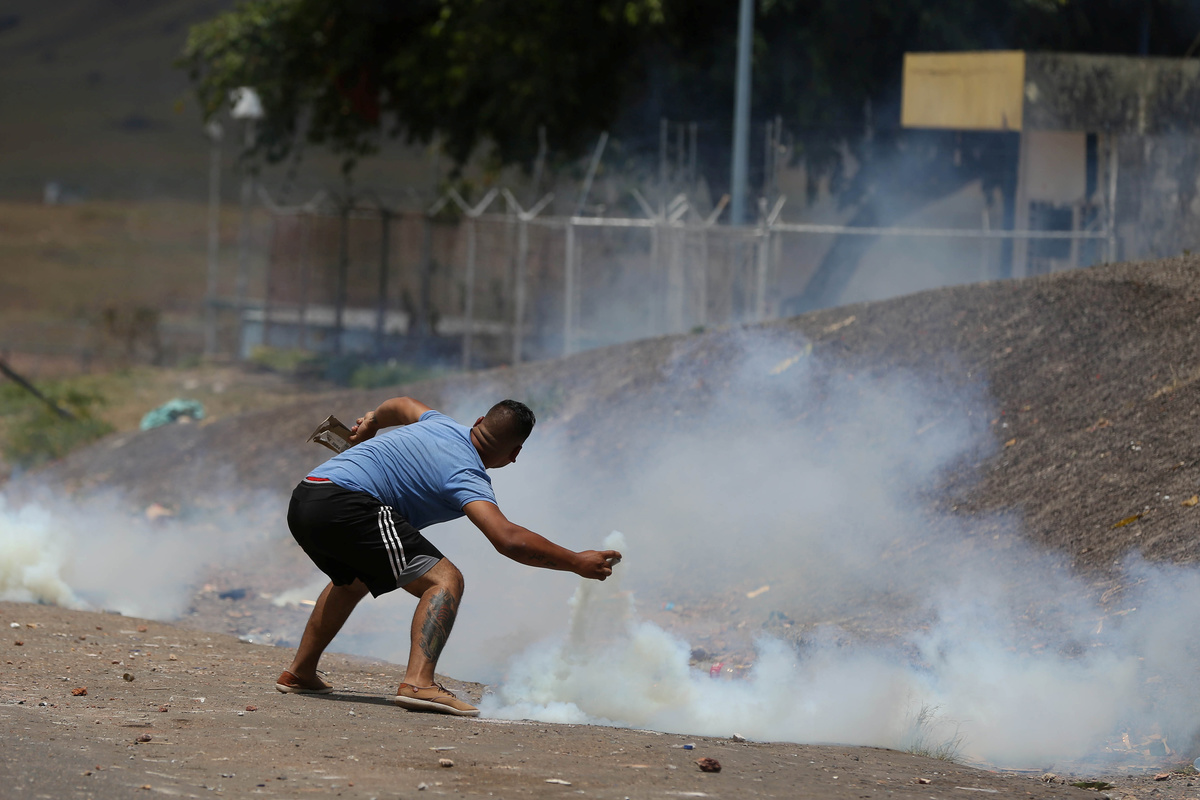
Violent clashes with security forces over the opposition's U.S.-backed attempt on Saturday to bring aid into the economically devastated country left almost 300 wounded and at least three protesters dead near the Brazilian border.
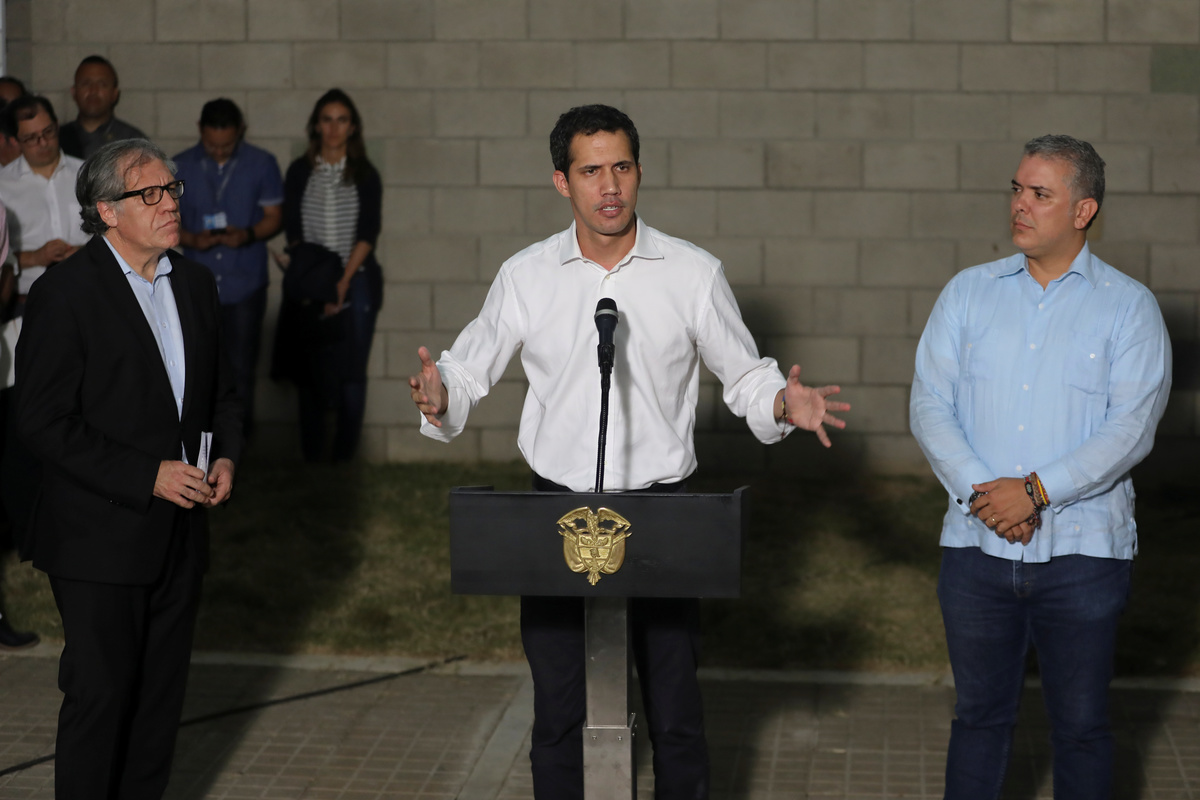
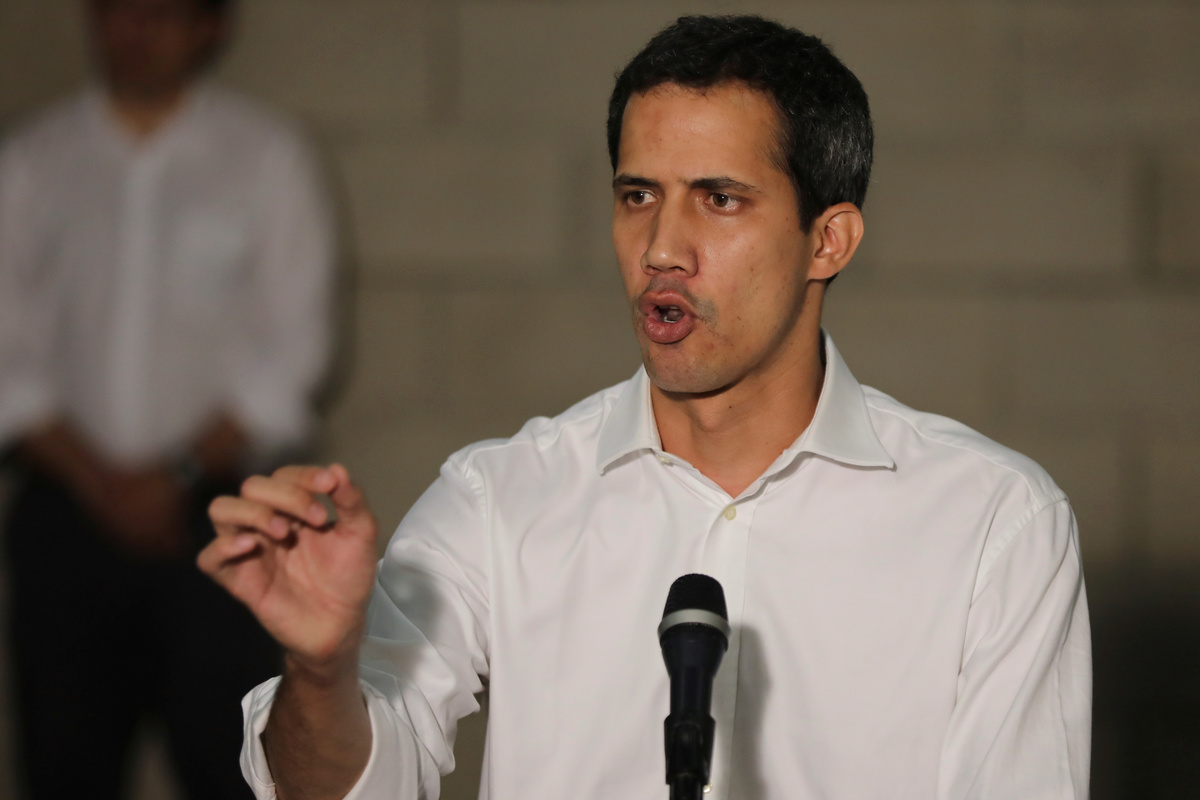
Juan Guaido, recognised by most Western nations as Venezuela's legitimate leader, urged foreign powers to consider "all options" in ousting Maduro, ahead of a meeting of the regional Lima Group of nations in Bogota on Monday that will be attended by U.S. Vice President Mike Pence.
Pence is set to announce "concrete steps" and "clear actions" at the meeting to address the crisis, a senior U.S. administration official said on Sunday, declining to provide details. The United States last month imposed crippling sanctions on the OPEC nation's oil industry, squeezing its top source of foreign revenue.
"What happened yesterday is not going to deter us from getting humanitarian aid into Venezuela," the official said, speaking with reporters on condition of anonymity.
Brazil, a diplomatic heavyweight in Latin America which has the region's largest economy, was for years a vocal ally of Venezuela while it was ruled by the leftist Workers Party. It turned sharply against Venezuela's socialist president this year when far-right President Jair Bolsonaro took office.
"Brazil calls on the international community, especially those countries that have not yet recognised Juan Guaido as interim president, to join in the liberation effort of Venezuela," the Brazilian Foreign Ministry said in a statement.
Colombia, which has received around half the estimated 3.4 million migrants fleeing Venezuela's hyperinflationary economic meltdown, has also stepped up its criticism of Maduro since swinging to the right last year.
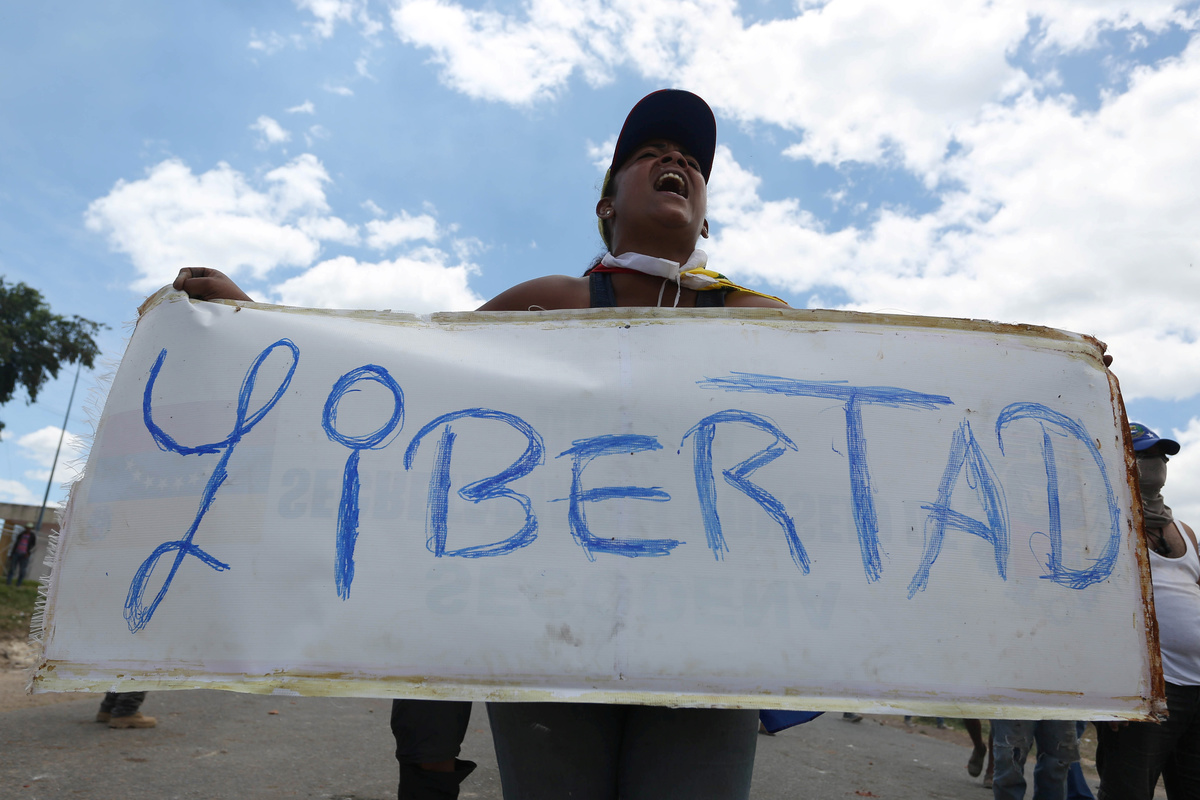
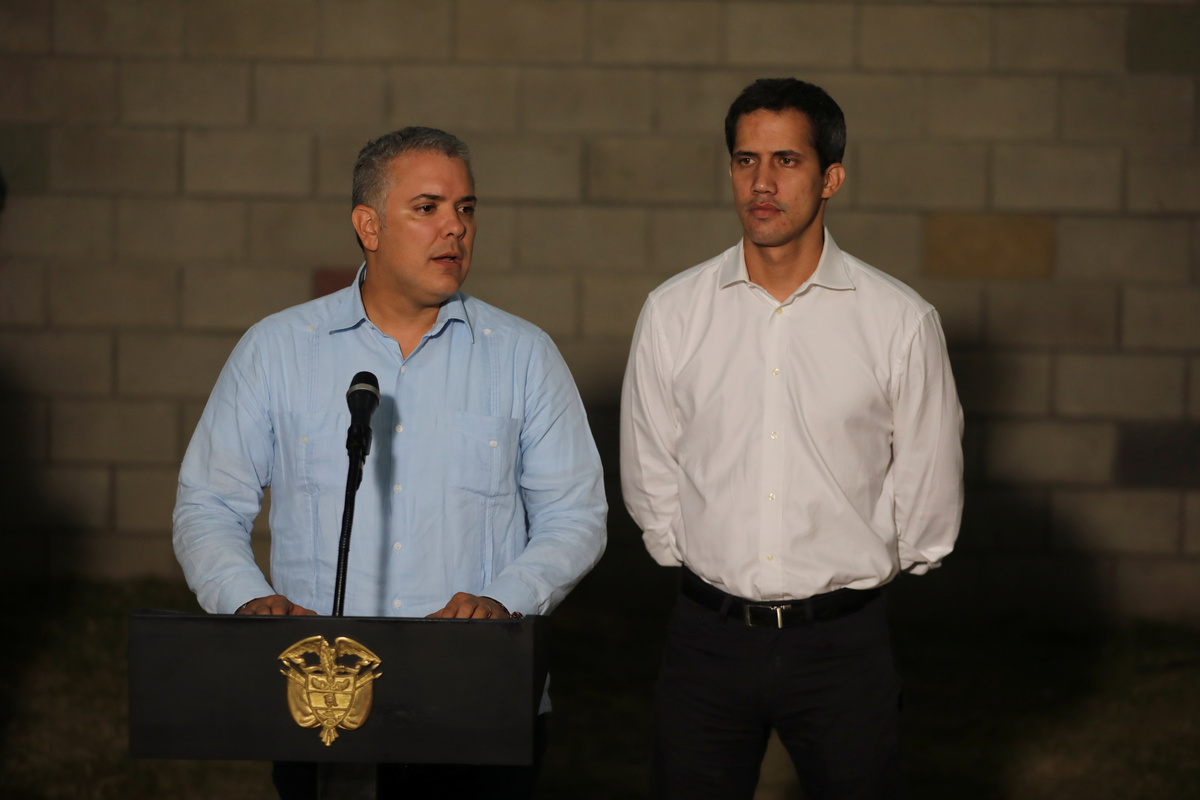
President Ivan Duque in a tweet denounced Saturday's "barbarity", saying Monday's summit would discuss "how to tighten the diplomatic siege of the dictatorship in Venezuela."
Maduro, who retains the backing of China and Russia, which both have major energy sector investments in Venezuela, says the opposition's aid efforts are part of a U.S.-orchestrated coup.
His information minister, Jorge Rodriguez, during a Sunday news conference gloated about the opposition's failure to bring in aid and called Guaido "a puppet and a used condom."
Cuban President Miguel Diaz-Canel said on Sunday that Venezuela, the Caribbean island's top ally, was the victim of U.S. imperialist attempts to restore neoliberalism in Latin America.
SMOULDERING BORDER AREAS
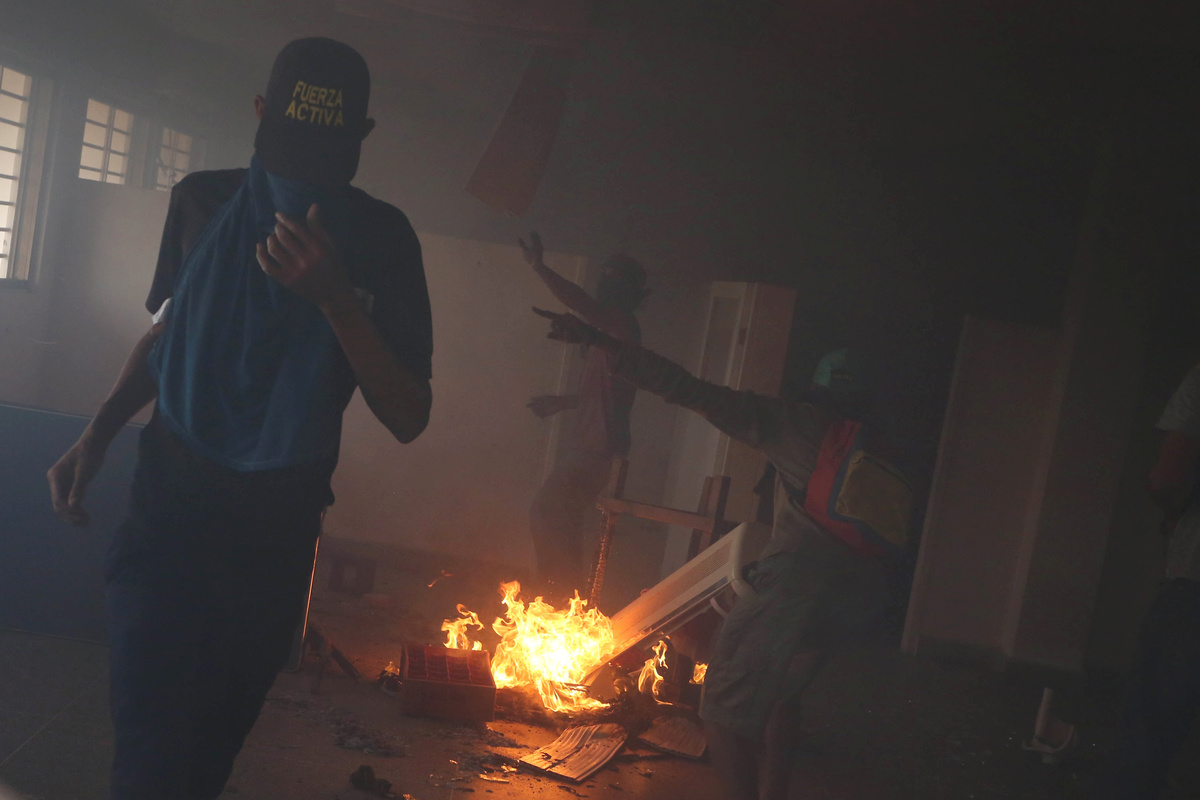
Trucks laden with U.S. food and medicine on the Colombian border repeatedly attempted to push past lines of troops on Saturday, but were met with tear gas and rubber bullets. Two of the aid trucks went up in flames, which the opposition blamed on security forces and the government on "drugged-up protesters."
The opposition had hoped troops would balk at turning back supplies so desperately needed by a population increasingly suffering malnutrition and diseases.
Winning over the military is key to their plans to topple Maduro, who they argue won re-election in a fraudulent vote, and hold new presidential elections.
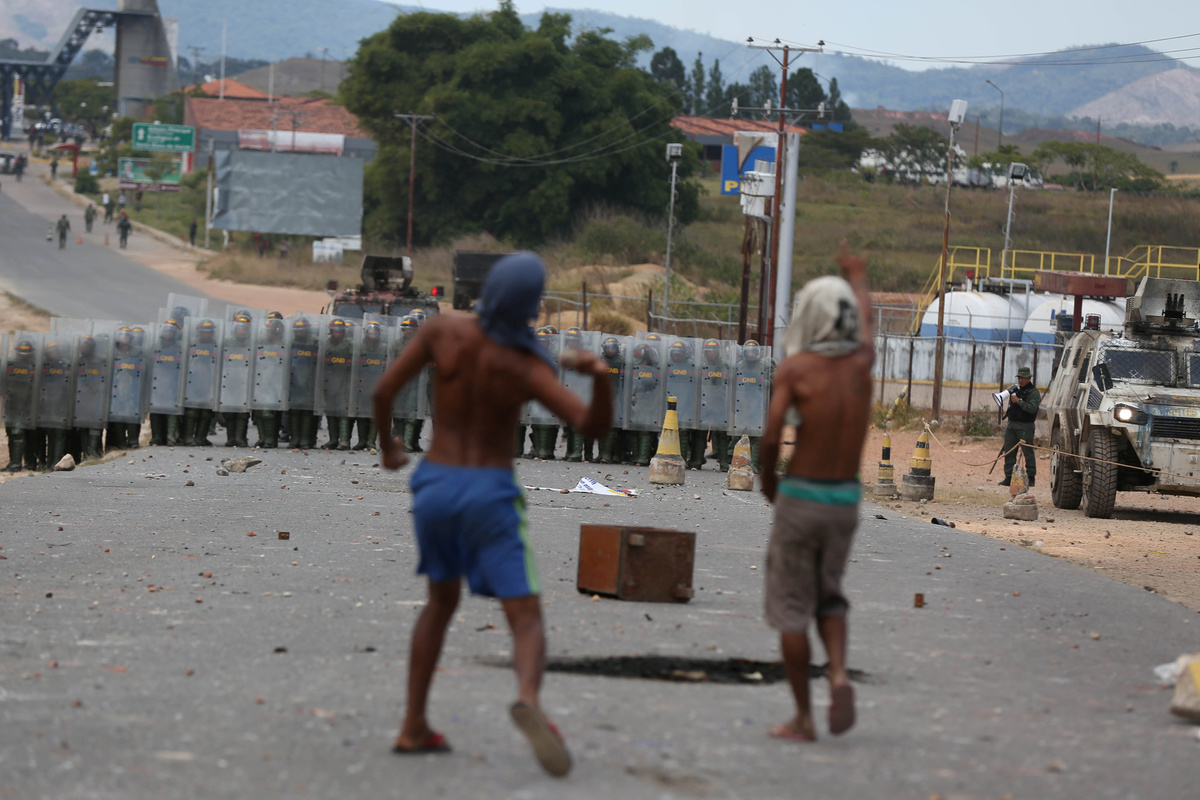
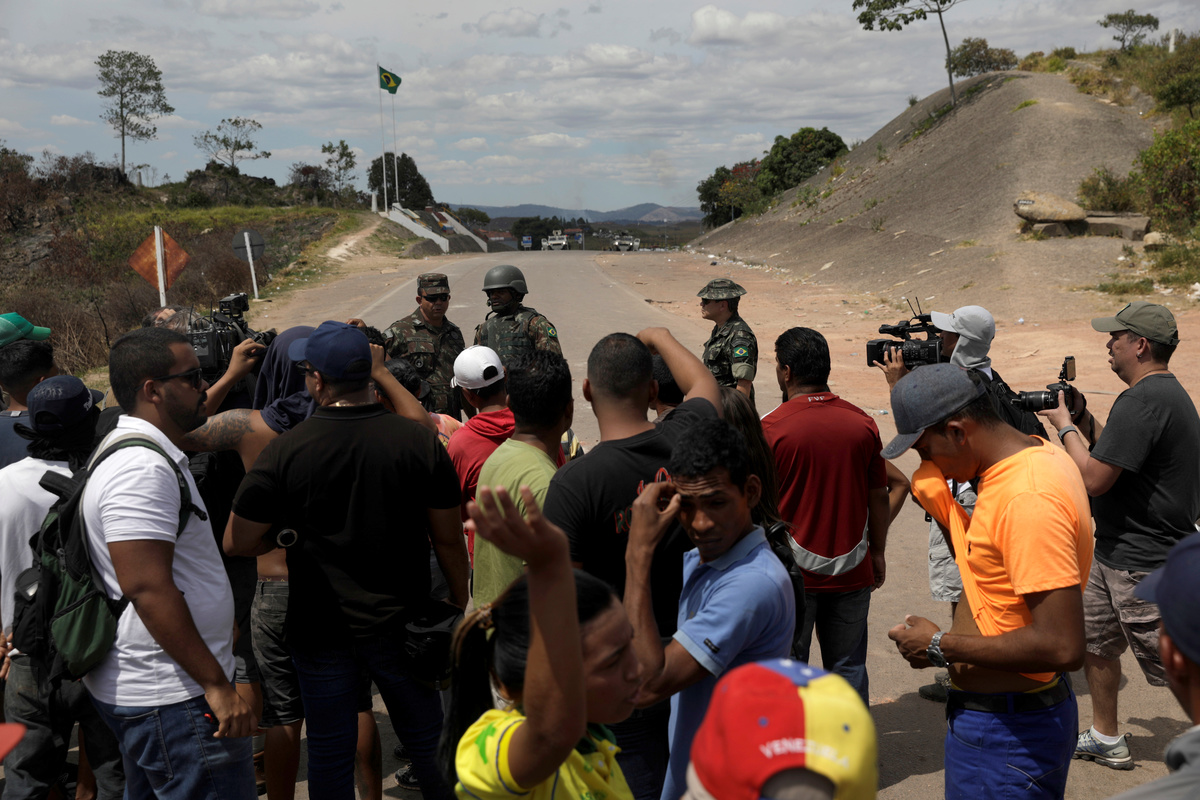
Though some 60 members of security forces defected into Colombia on Saturday, according to that country's authorities, the National Guard at the frontier crossings held firm. Two additional members of Venezuela's National Guard defected to Brazil late on Saturday, a Brazilian army colonel said on Sunday.
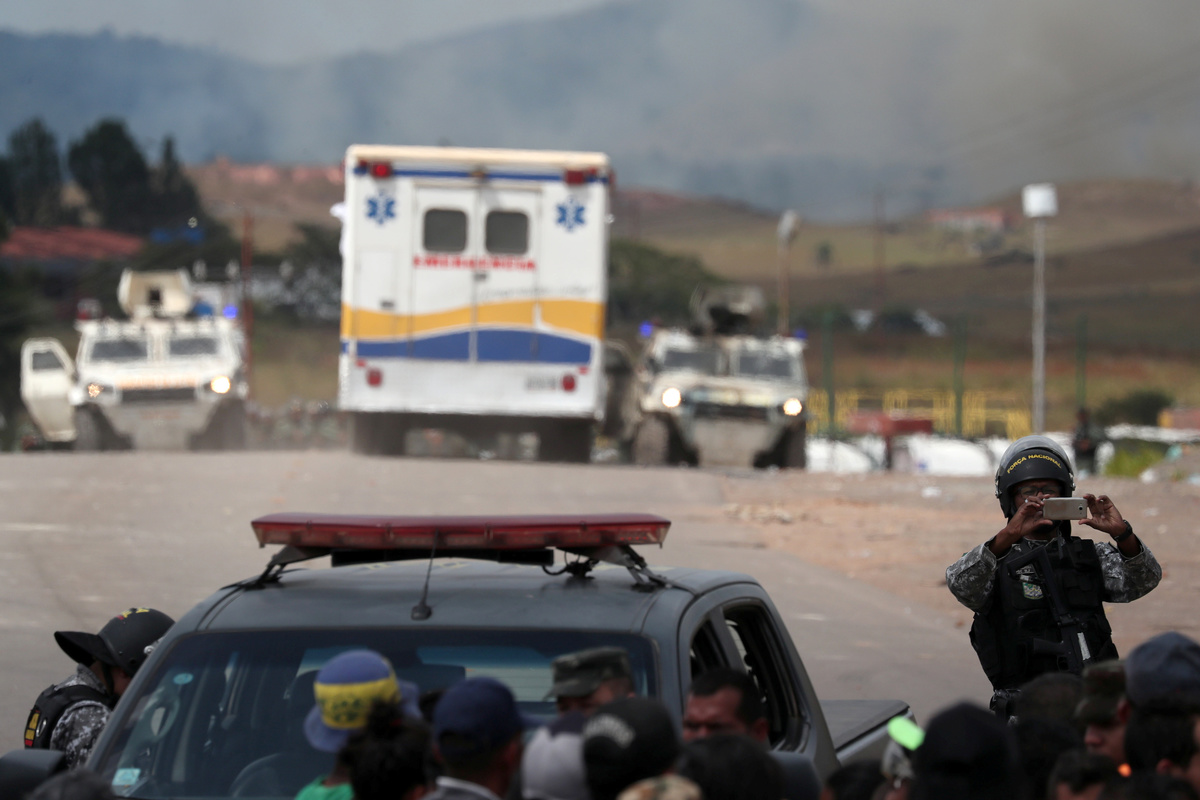
The Brazilian border state of Roraima said the number of Venezuelans being treated for gunshot wounds rose to 18 from five in the past 24 hours; all 18 were in serious condition. That was the result of constant gunbattles, which included armed men without uniforms, throughout Saturday in the Venezuelan town of Santa Elena, near the border.
The Venezuelan Observatory of Violence, a local crime monitoring group, said it had confirmed three deaths on Saturday, all in Santa Elena, and at least 295 injured across the country.
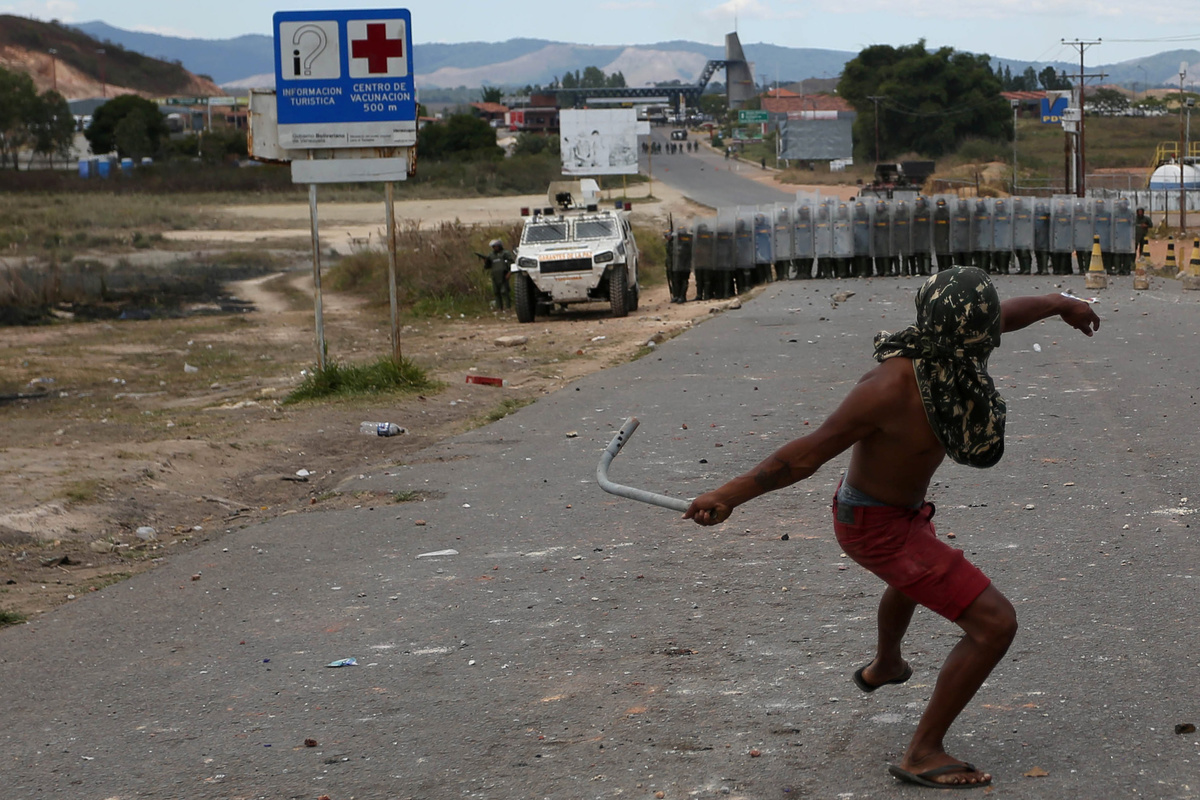
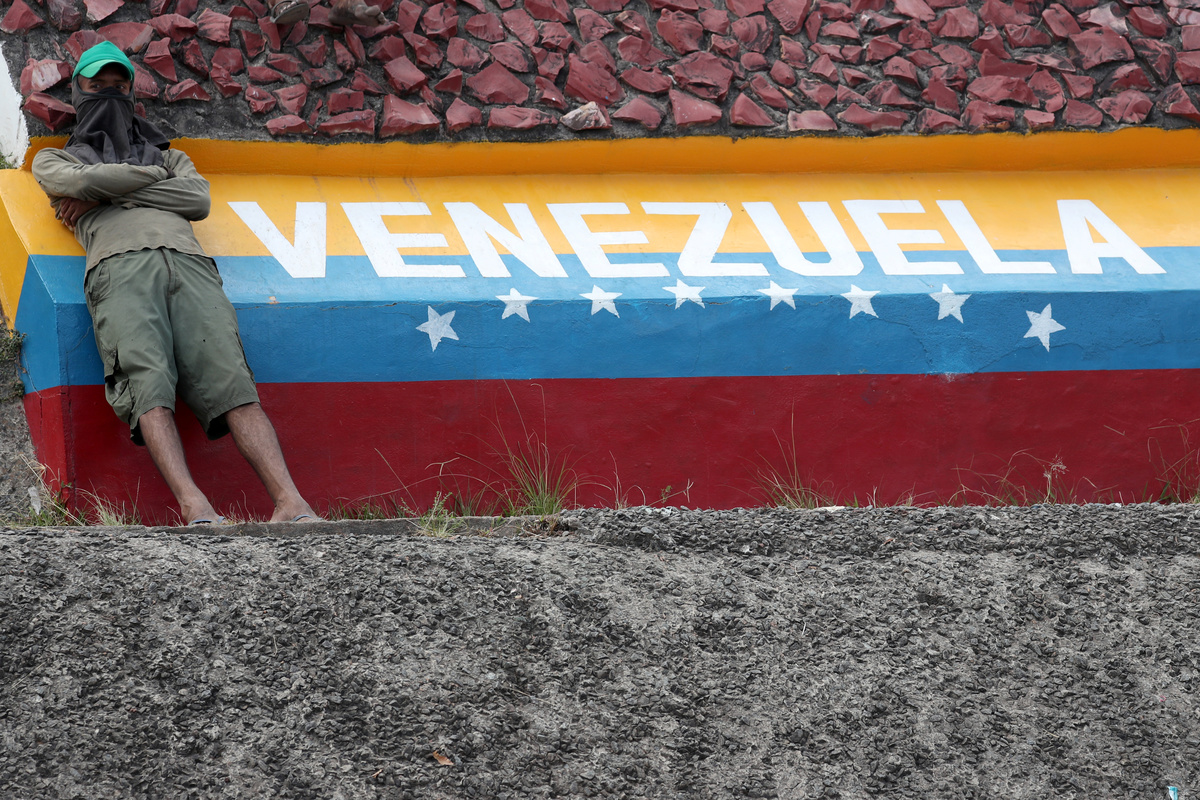
In the Venezuelan of Urena on the border with Colombia, streets were still strewn with debris on Sunday, including the charred remains of a bus that had been set ablaze by protesters.
During a visit to a border bridge to survey the damage, Duque told reporters the aid would remain in storage.
"We need everything they were going to bring over," said Auriner Blanco, 38, a street vendor who said he needed an operation for which supplies were lacking in Venezuela. "Today, there is still tension, I went onto the street and saw all the destruction."
MILITARY INVASION?
U.N. Secretary-General Antonio Guterres appealed on Sunday for "violence to be avoided at any cost" and said everyone should lower tensions and pursue efforts to avoid further escalation, according to his spokesman.
But U.S. Senator Marco Rubio, an influential voice on Venezuela policy in Washington, said the violence on Saturday had "opened the door to various potential multilateral actions not on the table just 24 hours ago".
Hours later he tweeted a mug shot of former Panamanian dictator Manuel Noriega, who was captured by U.S. forces in 1990 after an invasion.
President Donald Trump has in the past said military intervention in Venezuela was "an option," though Guaido made no reference to it on Saturday.
The 35-year old, who defied a government travel ban to travel to Colombia to oversee the aid deployment, will attend the Lima Group summit on Monday and hold talks with various members of the European Union before returning to Venezuela, opposition lawmaker Miguel Pizarro said on Sunday.
"The plan is not a president in exile," he said.
(Reporting by Angus Berwick, Sarah Marsh, Brian Ellsworth and Vivian Sequera in Caracas; Roberta Rampton in Washington; Additional reporting by Ricardo Moraes and Pablo Garcia in Pacaraima, Brazil; Ana Mano in Sao Paulo; Nelson Bocanegra in Cucuta, Colombia; Anggy Polanco in Urena and Mayela Armas in San Antonio, Venezuela; Ginger Gibson in Washington; Editing by Daniel Flynn, Jeffrey Benkoe, Lisa Shumaker and Jonathan Oatis)