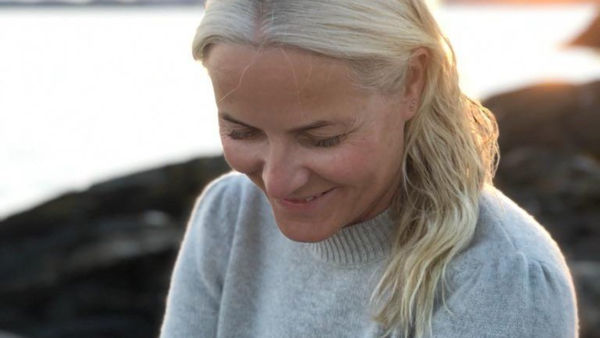
Leo Varadkar and Arlene Foster met on Saturday to discuss a cross-border approach to combatting coronavirus.
With mass gatherings including sporting events and concerts to be banned across the UK from next weekend, pressure was growing on Northern Irish leaders to close schools in line with the move south of the border.
The caretaker taoiseach and first minister met in Armagh as part of a wider delegation involving Ireland’s chief medical officer, who has been acting on Irish as well as EU modelling.
The meeting came as the leader of the Catholic church in Ireland called on Northern Irish leaders to close all schools. He told Stormont’s education minister, the Democratic Unionist party’s Peter Weir, that “we need to fight this virus together”.
Also at the meeting were Ireland’s deputy prime minister Simon Coveney, the health minister, Simon Harris, and his Stormont counterpart, Robin Swann.
The World Health Organization is recommending that people take simple precautions to reduce exposure to and transmission of the coronavirus, for which there is no specific cure or vaccine.
The UN agency advises people to:
- Frequently wash their hands with an alcohol-based hand rub or warm water and soap
- Cover their mouth and nose with a flexed elbow or tissue when sneezing or coughing
- Avoid close contact with anyone who has a fever or cough
- Seek early medical help if they have a fever, cough and difficulty breathing, and share their travel history with healthcare providers
- Avoid direct, unprotected contact with live animals and surfaces in contact with animals when visiting live markets in affected areas
- Avoid eating raw or undercooked animal products and exercise care when handling raw meat, milk or animal organs to avoid cross-contamination with uncooked foods.
Despite a surge in sales of face masks in the aftermath of the coronavirus outbreak, experts are divided over whether they can prevent transmission and infection. There is some evidence to suggest that masks can help prevent hand-to-mouth transmissions, given the large number of times people touch their faces. The consensus appears to be that wearing a mask can limit – but not eliminate – the risks, provided it is used correctly.
Many countries are now enforcing or recommending curfews or lockdowns. In the UK any household where a person develops a fever or a new continuous cough are recommended to self-isolate for 14 days.
They met under the framework of the north-south ministerial council set up under the Good Friday agreement to promote consultation and cooperation across the island.
The Stormont assembly was holding firm on the UK approach on Thursday when Varadkar announced, in an address to the nation from Washington, that schools would close.
Splits emerged, however, between Foster and her deputy first minister, Michelle O’Neill, on Friday.
O’Neill, who is also Sinn Féin’s Northern Ireland leader, called for schools to be closed. “Now is the time for action” and Northern Ireland should “err on the side of caution,” she said.
Arriving in Armagh for the meeting Varadkar said the issue was complicated because of the two jurisdictions, but that the virus did not respect borders. O’Neill said the meeting was about people, not politics.
Nine new coronavirus cases were recorded in Northern Ireland on Friday, bringing the total to 29. Three were community transmissions, the first recorded.
Twenty new cases were reported in the republic, the second highest daily jump bringing the total to 90.
Harris said on Friday that he had spoken to the UK health secretary, Matt Hancock, before the announcement about the schools closure.
More details of Ireland’s contingency planning emerged on Saturday. It is looking for 10,000 beds for its worst-case scenario with the possibility of using hotel rooms, student accommodation halls and military sites.
Dublin is also looking at releasing hundreds of prisoners as the Irish Prison Service warned of the significant challenges it faced containing the spread of the virus.