Valve is working with major chipmakers including Intel, AMD and Nvidia to expand SteamOS beyond the Steam Deck, aiming to establish it as a serious alternative to Windows for PC gaming.
For decades, Windows has remained the undisputed leader in PC gaming, backed by a vast ecosystem of drivers, tailored hardware, and proprietary anti-cheat software. According to the Steam Hardware & Software Survey for May 2026, Windows commands a staggering 93.85% market share among Steam users, while Linux trails at 3.99% and macOS stands at 2.16%.
SteamOS, built on Linux and developed by Valve, is designed specifically for gaming. Its key strength lies in Gaming Mode, which boots directly into the Steam library and delivers a console-like experience similar to Steam Deck. At the same time, Desktop Mode retains the flexibility of a traditional PC, allowing users to install additional software and perform general computing tasks.
Until recently, newer versions of SteamOS were largely centred around Steam Deck, making installation on standard PCs difficult due to driver limitations, hardware compatibility issues and a setup process that remained unfriendly for average users. However, the latest SteamOS 3.8.10 update suggests Valve is actively broadening support, with early compatibility improvements for newer Intel and AMD platforms and next-generation Steam Machine-style hardware.'
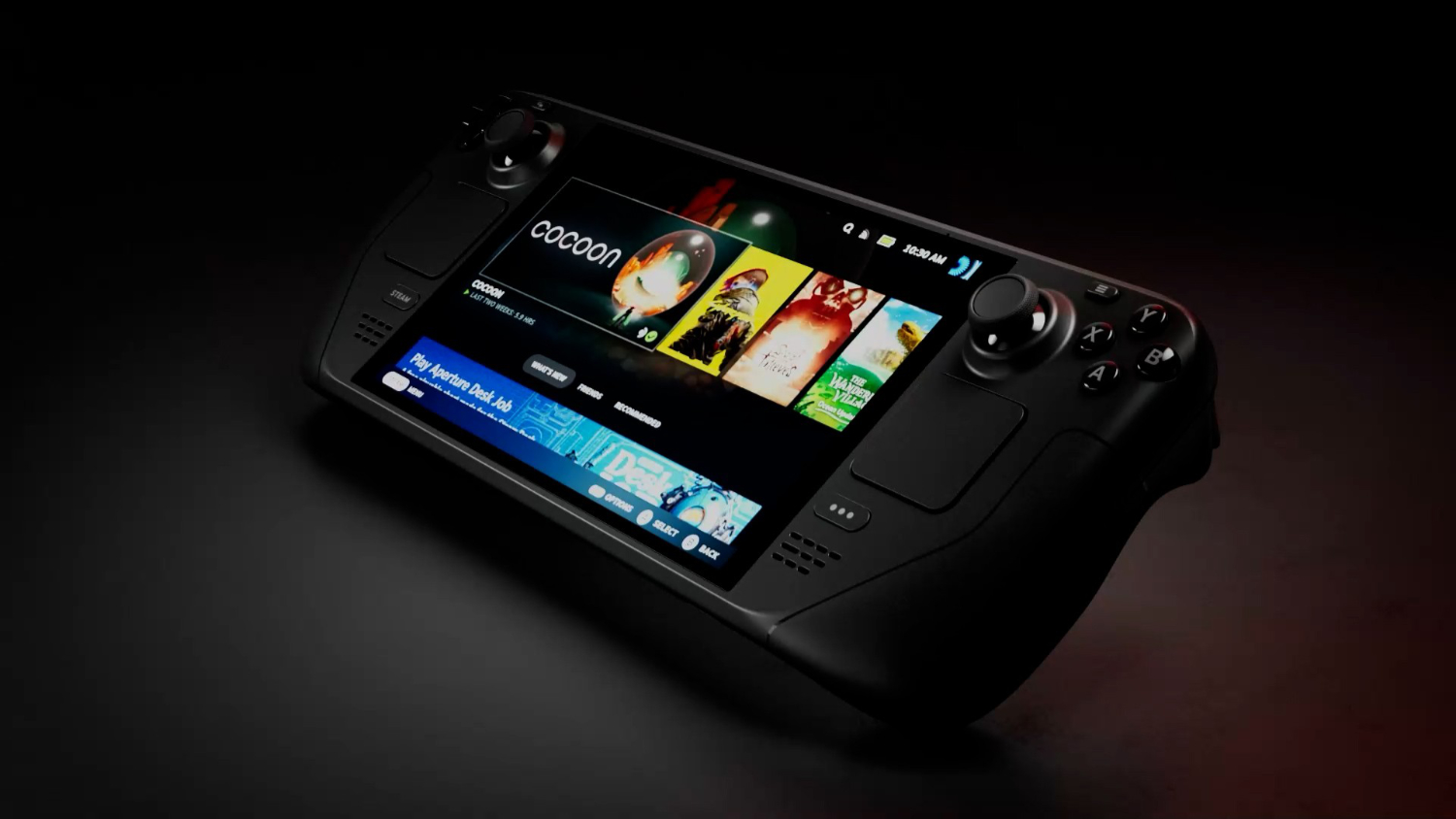
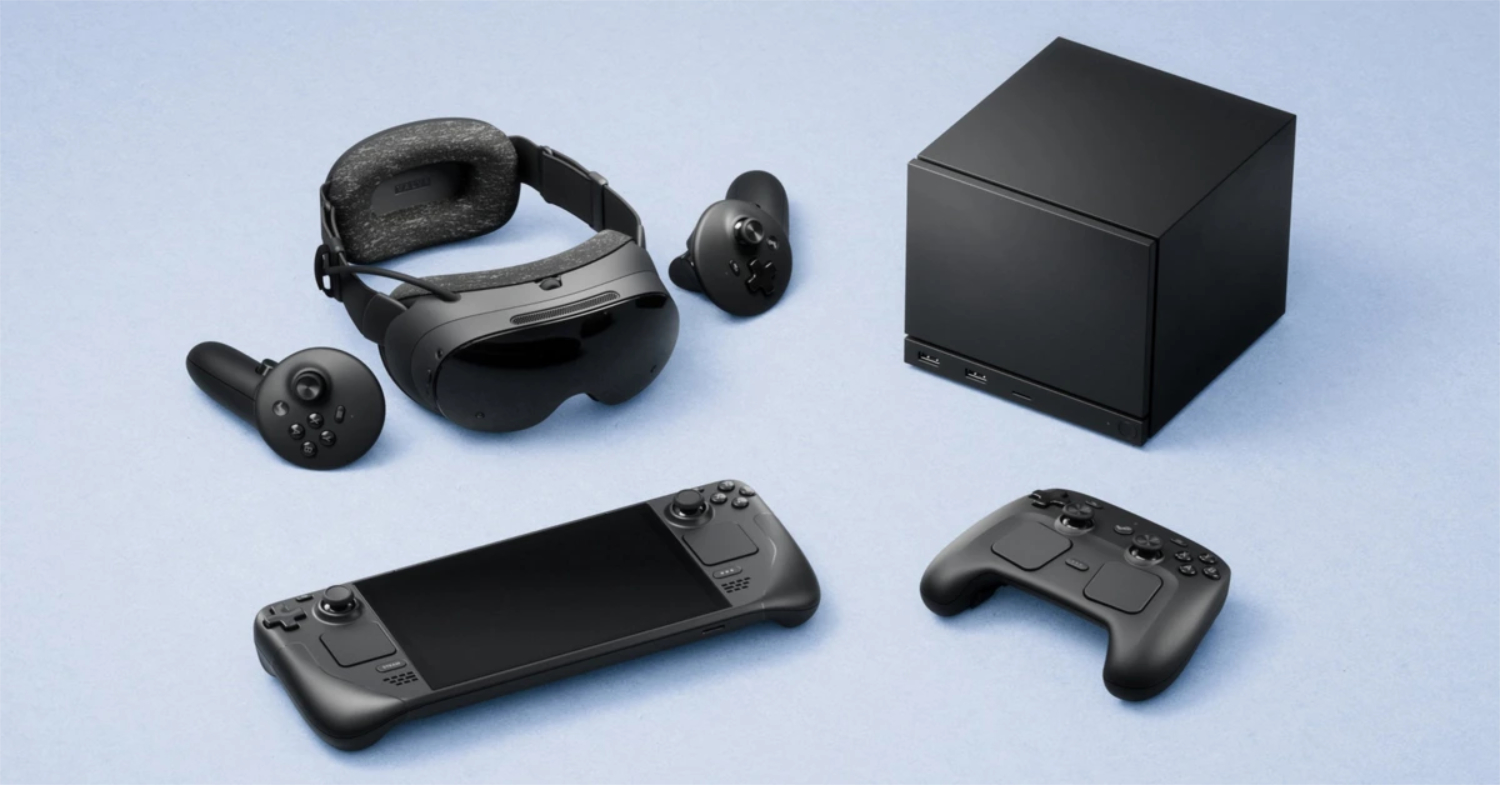
One of the most significant developments is Valve’s push towards a do-it-yourself gaming PC ecosystem. Users may soon be able to assemble a machine using standard components such as a motherboard, CPU, RAM, SSD and graphics card, then install SteamOS to create a dedicated home gaming system that boots straight into Gaming Mode, effectively turning a PC into a console-like device.
According to The Verge, Valve confirmed that from SteamOS 3.8 onward, users can build PCs that function similarly to the original Steam Machines, delivering an experience close to Steam Deck when connected to a monitor. Some limitations remain, including incomplete HDMI-CEC support and less convenient dual-boot installation.
AMD currently appears to be the best fit for SteamOS, largely due to its mature Linux graphics drivers and strong open-source support, which makes integration easier for Valve. This is one reason why Steam Deck and many handheld gaming devices running SteamOS tend to perform particularly well on AMD hardware.
Intel is also becoming increasingly important to Valve’s plans. The company is reportedly working with Intel at the graphics stack level to improve SteamOS compatibility, especially for handheld gaming devices such as the MSI Claw and future platforms based on Intel Panther Lake. This could expand options for gamers seeking alternatives to Windows-based handheld devices.
Nvidia remains the most challenging platform. Valve said it is working closely with Nvidia and has established a dedicated team focused on driver support. However, Nvidia’s proprietary Linux drivers remain more complex to integrate, particularly because SteamOS uses an immutable system architecture that makes low-level modifications harder than on traditional Linux distributions. Full support is therefore unlikely to arrive this year.
SteamOS stands out not simply as another operating system, but as one designed for gaming from the ground up. Features such as shader pre-compilation, controller management, Steam Input, cloud saves and smoother game switching offer a streamlined experience without the background processes and system overhead commonly associated with Windows.
Despite growing momentum, SteamOS is not yet ready to replace Windows for all users. Some online games still rely on anti-cheat systems that require native Windows support, while many professional applications, enterprise tools and specialised software remain tied to Windows. Even so, Valve’s push could mark the start of a new competitive era in PC gaming, giving users a genuine alternative, especially those wanting a machine that powers on and goes straight into gaming without the complexity of a full desktop operating system.
Source: TechSpot, The Verge, Valve, PC Gamer, Tom’s Hardware