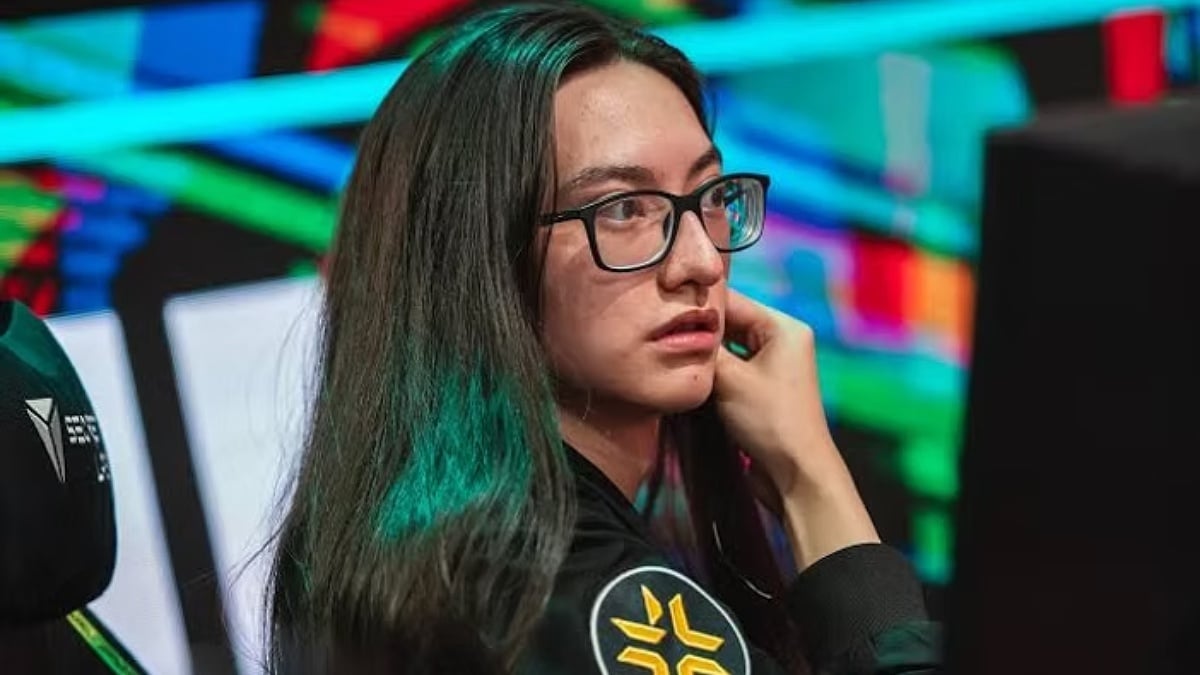
VALORANT pro and ex-Apeks player, Ava “florescent” Eugene, has been cleared of misconduct under Riot’s Global Code of Conduct and is once again fully eligible to compete in all Riot events.
VALORANT Esports NA posted an update on X on March 30, where Riot confirmed that its investigation did not find a violation of the Esports Global Code of Conduct in relation to the allegations against florescent.
Riot said it reviewed publicly available materials and information submitted directly to the company before reaching its conclusion.
As a result, the publisher will not be issuing any penalties, and florescent remains eligible to compete in Riot-sanctioned events. However, Riot did also note: “If new material information emerges, this matter may be revisited.”
The ruling effectively closes a chapter that began in May 2025, when a detailed document accusing the pro of sexual assault and emotional abuse toward a woman known as Brick, spread across social media.
Who is Brick and how her story came out
Brick is florescent’s former partner. The pro dated her in late 2022 and 2023, and then remained in contact into early 2024. Brick’s allegations first reached the public through a statement posted by Marceline “karie” Carson, a retired Game Changers player.
Brick later followed up with her own, longer document, where she laid out her version of the relationship and the alleged assault in much more detail. Across those statements, Brick says she felt pressured into sexual acts, her verbal refusals and expressions of pain were ignored.
She has not publicly revealed her real name, and she refers to herself only as “Brick” to protect her privacy and safety.
How the case unfolded and what the decision means for Florescent’s career
The allegations first gained traction when a longtime acquaintance of Brick published a lengthy document and accompanying screenshots, alleging that florescent pressured Brick after she had communicated she did not want to be intimate, and later continued despite repeated expressions of pain and discomfort.
The document also alleged a broader pattern of behavior, including manipulation, boundary-pushing, and the use of self-harm threats to maintain control.
Within days, Riot acknowledged the situation via the official VCT account, calling the accusations “extremely serious” and stating it would cooperate with law enforcement and consider how the situation might affect the unnamed player’s eligibility.
Florescent publicly denied all allegations of sexual assault, and said she had sought legal counsel while stepping away from the pro scene.
Riot’s March 30 update is focused on competitive eligibility rather than a verdict on the relationship between florescent and Brick.
Their conclusion clears the way for a possible return to VCT. Riot itself underlined that the case could be reopened if new evidence surfaces, leaving some uncertainty around how stable this resolution really is.
How florescent’s case compares to Sinatraa’s suspension
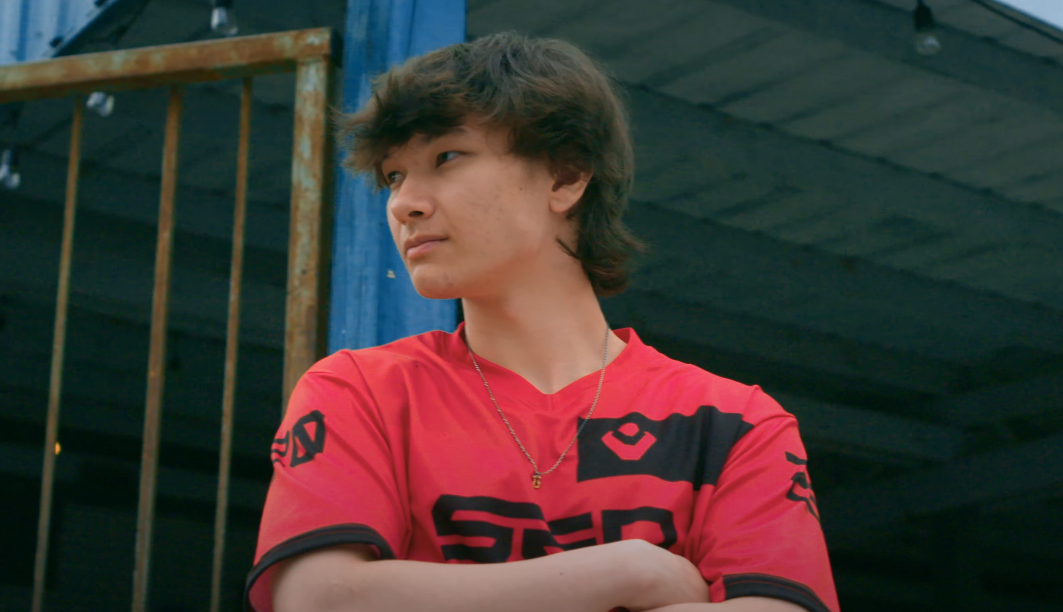
This ruling has immediately reignited comparisons to Jay “sinatraa” Won, the former Sentinels star who was suspended for six months in 2021 after being accused of sexual misconduct by a former partner.
In sinatraa’s case, Riot said its investigation was “inconclusive” but still handed down a suspension and required him to complete professional conduct training.
By contrast, Riot’s review of the allegations against florescent ended with no competitive penalties at all, and an explicit statement that she remains eligible to play.
VALORANT community reaction
Some fans argue that clearing florescent without punishment while sinatraa remains effectively sidelined sends mixed signals. One user commented under Riot’s X post, “Ohhh but Sinatraa gets banned mmmmm makes sense.”
To this, another user clarified, “Ppl spamming what abt sinatraa not realizing he was never banned and has been allowed to compete by Riot for 5 years now.”
Another user feels Riot should’ve been more public regarding sinatraa being unbanned from competitive, like they did with florescent this time, “For all the people saying Sinatra isn’t unbanned are wrong but there is one thing that makes no sense. Why didn’t VALORANT clarify that Sinatra was “innocent” like they did with flor. Sinatra wasn’t the one who wasn’t cooperative it was the “victim” which proves Sinatras innocent.”
Another user chimed in by saying how sinatraa’s name was dragged through the mud by the community, which led him to decide staying away from competitive would only help from getting more backlashes. “Everyone saying the humble king isn’t banned and just choosing not to compete is somewhat wrong. He, as a player, might not be banned, but his name got tarnished so bad that he basically never going to compete in T1. Idk what’s going on with Ava situation but if people are drawing comparisons then I’m assuming it’s somewhat similar.”
In other news, Emiru has responded to Mizkif’s defamation lawsuit, claiming her allegations are “emotional truth.”