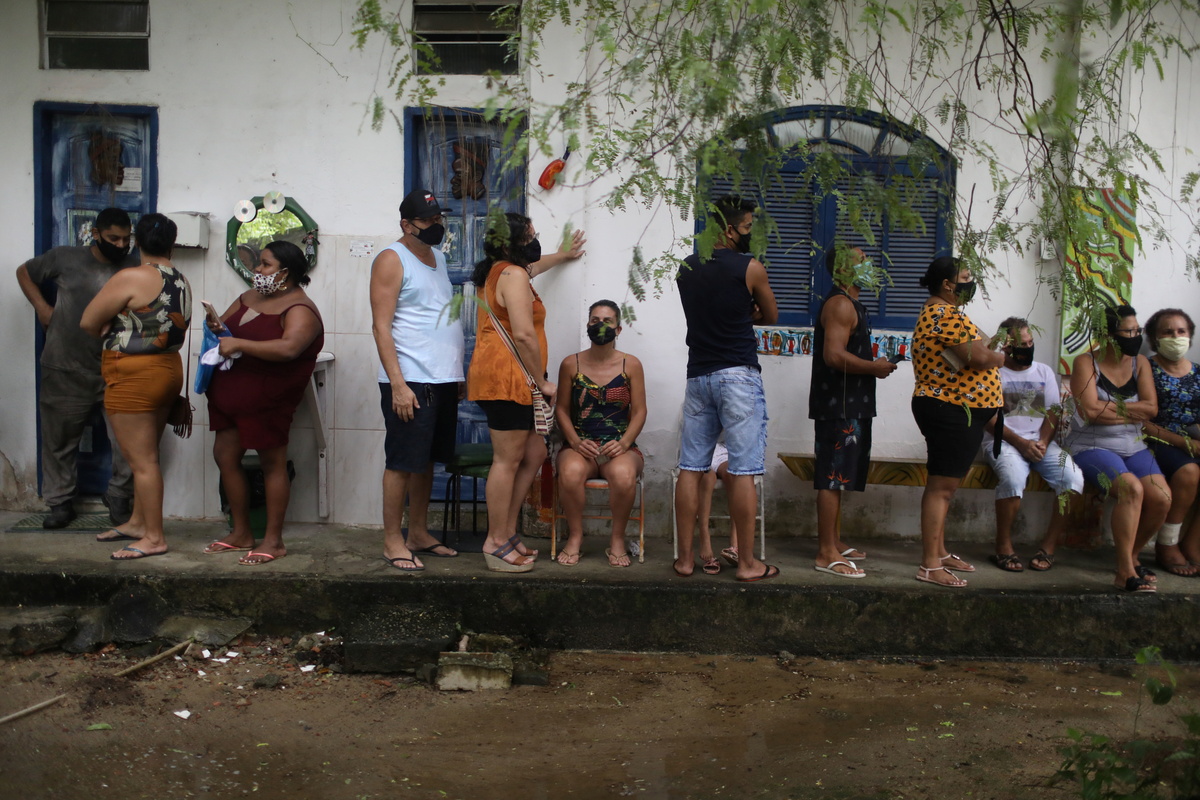
A ray of hope reached a community descended from runaway slaves outside Rio de Janeiro this week as it received its first doses of COVID-19 vaccine after a long fight for recognition at a time when Brazil has become the epicenter of the coronavirus pandemic.
The community in Mage, 50 kilometers (30 miles) from Rio, is known as a "quilombo," a settlement founded by people who escaped from slavery and now inhabited by Brazilians of African heritage who maintain traditions stemming from their roots.
"It was a constant, daily fight, without sleep," Ana Beatriz Bernardes Nunes, vice president of the Association of Quilombola Communities in Rio de Janeiro, said of the struggle to get the government to include the communities among priority groups for vaccination, alongside Brazil's indigenous peoples.
"Today, after many deaths, we are vaccinating our community," she added.
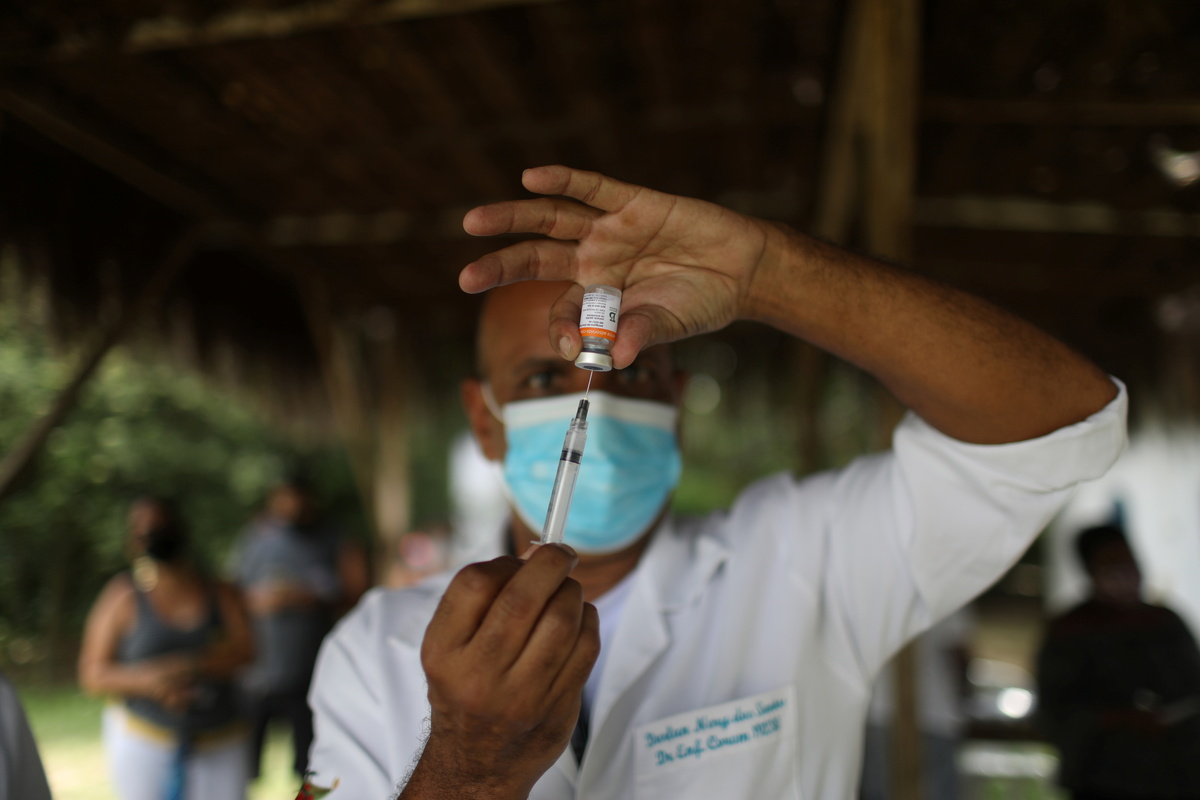
Under a thatched roof, by an open patch of grass used for religious ceremonies, a doctor drew vials from a cooler and inoculated the masked group that gathered.
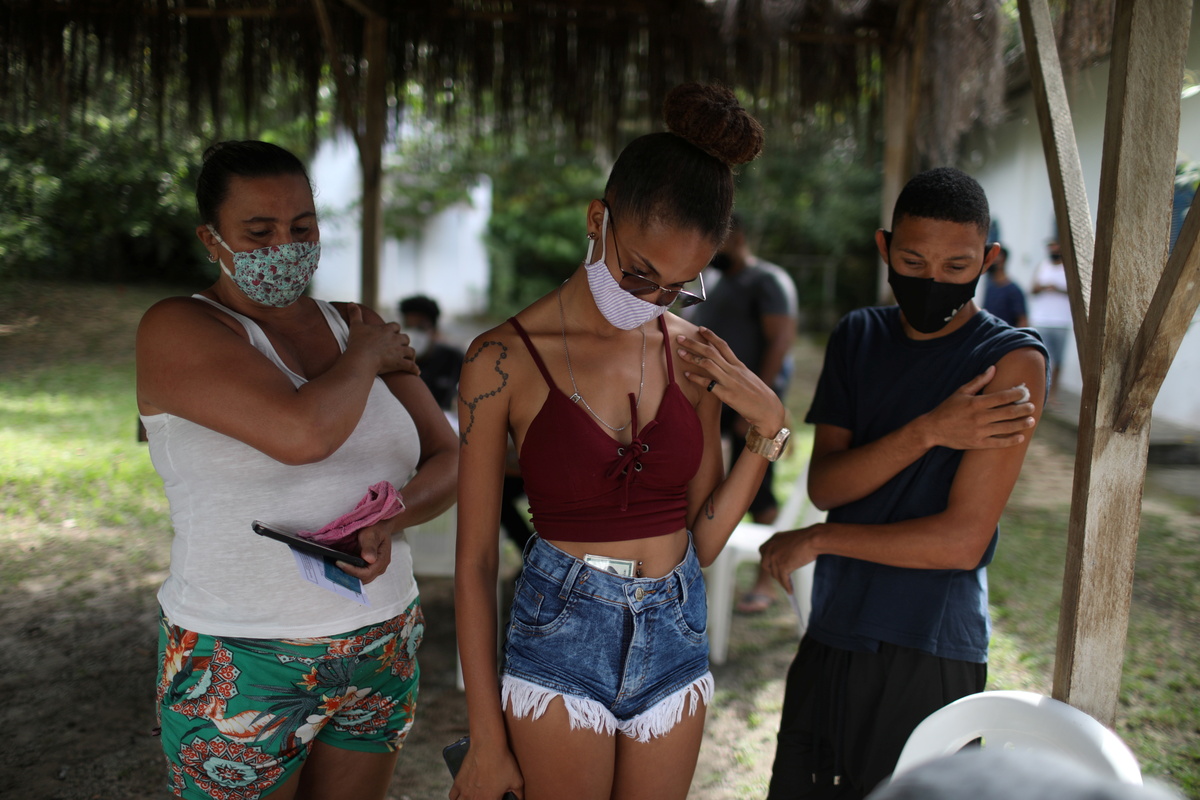
Across Brazil there are over 3,000 quilombos, according to the Palmares Cultural Foundation, which promotes Afro-Brazilian history and culture. Brazil's vaccination plan estimates there are more than 1 million people living in these communities.
Brazil was the last place in the Americas to abolish slavery, eradicating it in 1888. By then, at least 4 million people had been taken from Africa and forced to work on sugar plantations and throughout the economy.
Most of their descendants in quilombos still live below the poverty line, with difficult access to healthcare, making them particularly vulnerable to COVID-19.
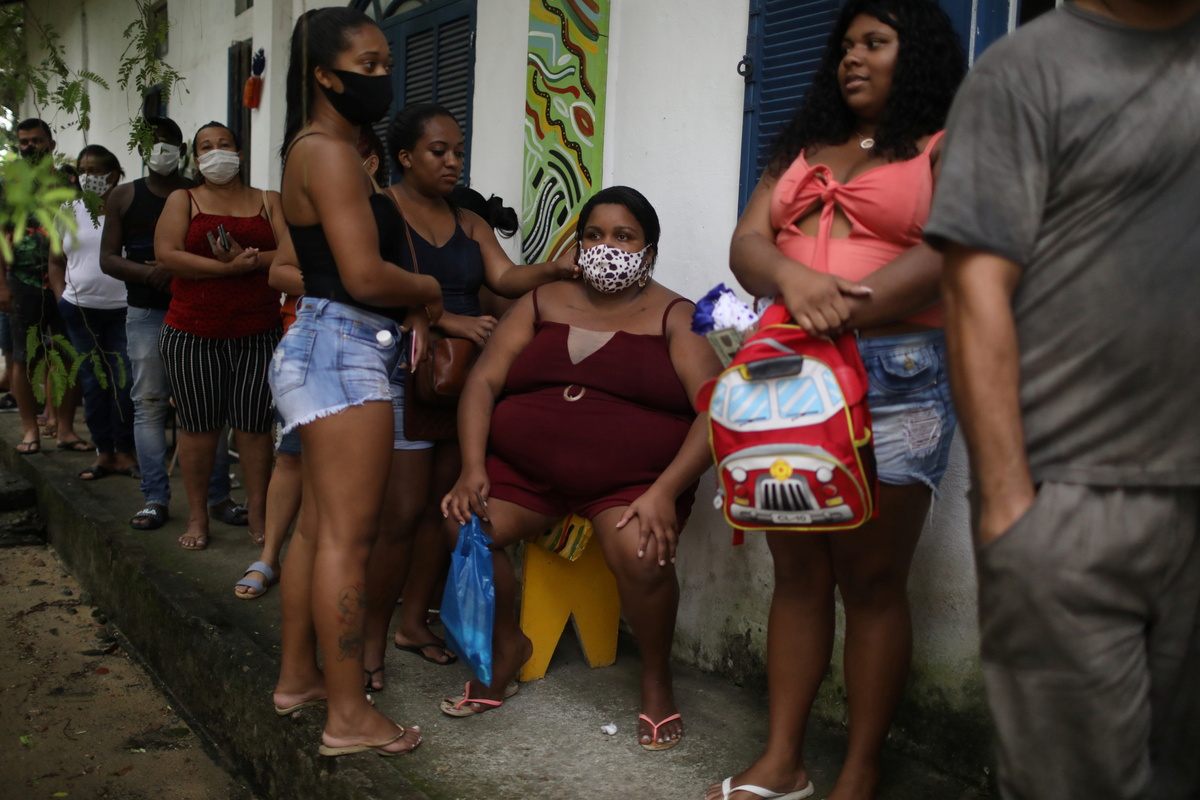
The latest COVID-19 wave driven by more contagious coronavirus variants is ravaging Brazil, with daily deaths exceeding 4,000 for the first time this week. The total death toll in Latin America's largest country has risen above 340,000 and may eventually pass the United States to become the world's highest, according to some experts.
President Jair Bolsonaro has opposed lockdowns, saying the cost to jobs is worse than the lives lost to the virus, but has recently come around to show more support for vaccines.
Brazil's mass vaccination program got off to a slow start after the country failed to move quickly to secure vaccine supplies. Less than 15% of the adult population has received a first dose.
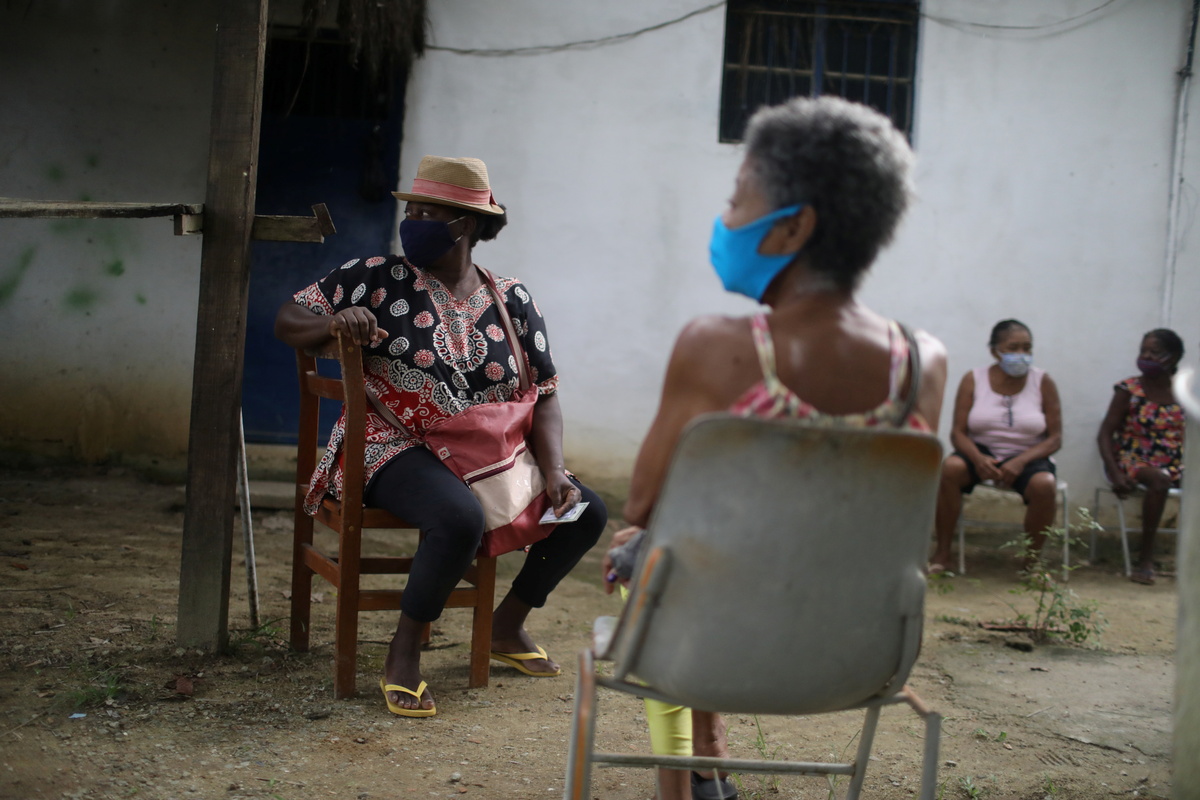
The country has vaccinated about 12% of the priority population living in quilombos under the national immunization plan, according to the Health Ministry.
For Paulo Jose dos Reis, leader of the Mage quilombo, the vaccinations mean the worst might be over.
"It gives us hope that there are better days ahead," he said.
(Reporting by Pilar Olivares; Editing by Bill Berkrot)