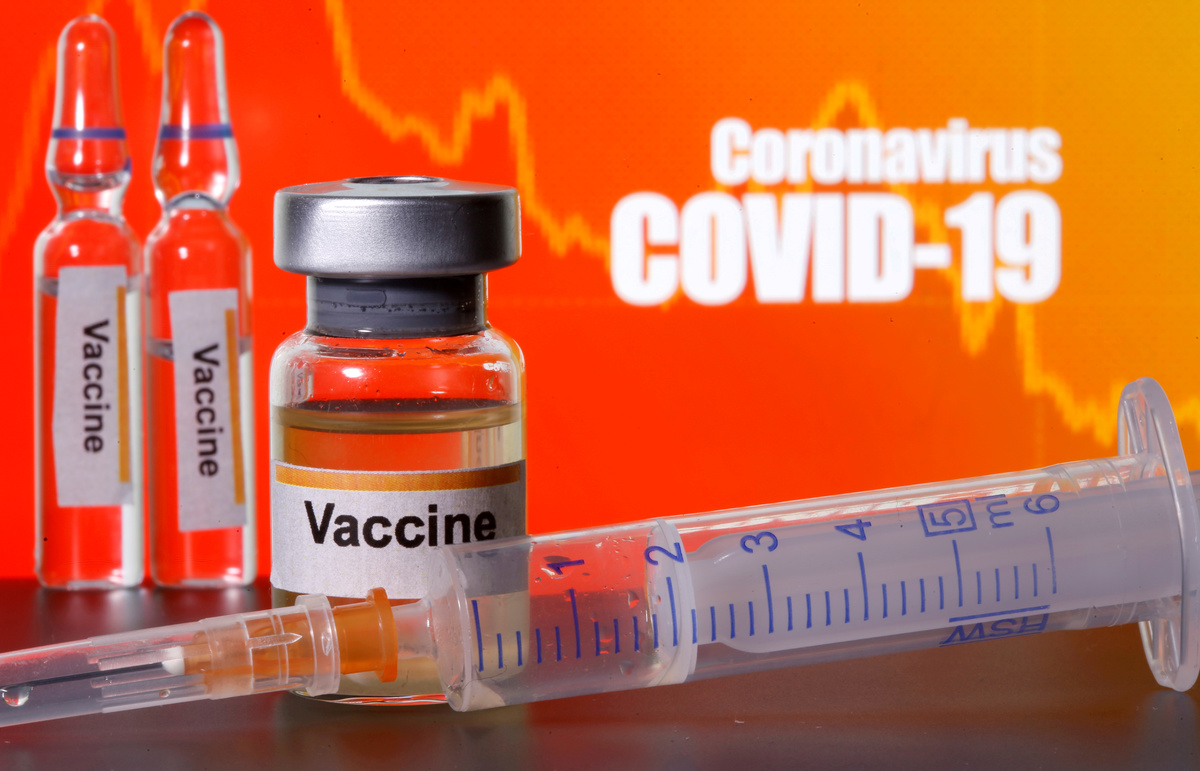
An 80% uptake of a COVID-19 vaccine may be needed to protect communities from the novel coronavirus, but volatile levels of misinformation and vaccine mistrust could undermine efforts to tackle the pandemic, British scientists said on Tuesday.
A report by scientific institutions the British Academy and the Royal Society found that, in part due to circulating misinformation and behavioural factors, around 36% of people in Britain say they are either uncertain or very unlikely to agree to be vaccinated against COVID-19.
It said an "open dialogue" is critical to building public support for COVID-19 vaccination, and called for a "frank conversation" to manage public expectations that life will not immediately get back to normal when vaccines arrive.
"Vaccines and vaccination are two very different things. To achieve the estimated 80% of uptake of a vaccine required for community protection, we need a serious, well-funded and community-based public engagement strategy," said Melinda Mills, an Oxford University professor and expert in demographic science who led the report.
Opinion polls carried out before and during the COVID-19 pandemic across many countries show that confidence in vaccines is volatile, and that political polarization and online misinformation are likely to affect rates of uptake.
"We must learn from lessons of history and move away from the one-way provision of information and instead generate an open dialogue that addresses misinformation and does not dismiss people's real vaccine concerns and hesitancy," Mills said.
The report also said governments should plan now for a "phased and ethical" vaccine deployment based on transparent principles that are "sufficiently debated with the public to build understanding".
It recommended priority groups should include health and care workers and other high-risk occupations such as teachers, bus drivers and retail workers, as well as vulnerable groups in crowded situations such as the homeless and people in prisons.
(Reporting by Kate Kelland, editing by Estelle Shirbon)