ABC South East SA: Todd Lewis
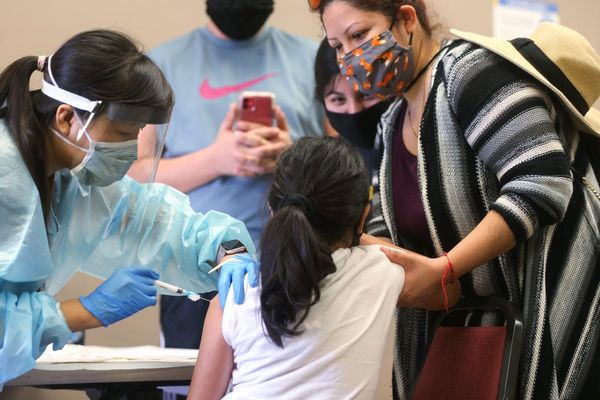
)Indigenous health workers in Mount Gambier have been among the first in South Australia to receive the AstraZeneca vaccine in Phase 1b of the national roll-out.
Ten staff at Pangula Mannamurna Aboriginal Corporation were selected to receive the vaccine on Monday.
Outreach worker Catherine Bulner was the first of the group to roll up her sleeve and get the jab.
She said she felt privileged to be the first South East Indigenous community member to get vaccinated.
"I'm pretty fortunate to have it done in an Aboriginal community-controlled health service.
Follow the lead
Ms Bulner encouraged others to do the same to allow life to return to normal.
"It's unknown, but there's plenty of information out there that can tell you all about it, if you need to make an informed decision before," she said.
Transport worker Peter Brennan was also vaccinated and said it would provide him with a lot more confidence when conducting his work duties.
ABC South East SA: Todd Lewis
)"I have transported a couple of times in the past to the COVID stations and I have been very wary of it, I was gowned up and everything," he said.
"Now, having this, I'll feel a lot more relaxed and secure."
'Closing the gap'
Indigenous members of the public were expected follow the lead on Tuesday, with Pangula Mannamurna medical clinic allocating four hours for vaccinations of South East community members.
Clinic manager Belinda Myers said it was important that Aboriginal and Torres Strait Islander people were recognised so early in the vaccination roll-out plan.
ABC South East SA: Todd Lewis
)"It's recognition that sometimes Aboriginal people come with a heap of comorbidities and there are lots of things that can go wrong.
"They do suffer from chronic diseases more than the other communities."
She said she hoped members of the Indigenous community would feel comfortable to receive the vaccine.
"We're going to be doing 15-minute appointments so that community and patients have the opportunity to ask the doctor any questions.
"We just want to make sure everyone knows that it is safe, that it's available, that it's free, and that we're here to support them in any way they need."