Amazon plans to significantly reduce the number of packages it ships through the U.S. Postal Service as the agency struggles to stay afloat financially.
USPS’s biggest customer has scaled back the number of packages it sends through the service and intends to slash that number by at least two-thirds this fall, Amazon sources told The Wall Street Journal.
Nearly 15 percent of packages delivered by USPS in 2025 came from Amazon, providing some stability for the agency, which has long operated at a loss and is running out of cash, U.S. Postmaster General David Steiner told Congress Tuesday.
In January, USPS began accepting proposals to use its last-mile delivery network through an auction process that was meant to raise funds. Amazon has relied heavily on USPS’s last-mile service to reach customers in remote and rural areas.
The last mile of delivery is the most expensive part of the shipping process, accounting for up to 53 percent of a shipment’s total cost, according to the Association for Supply Chain Management.
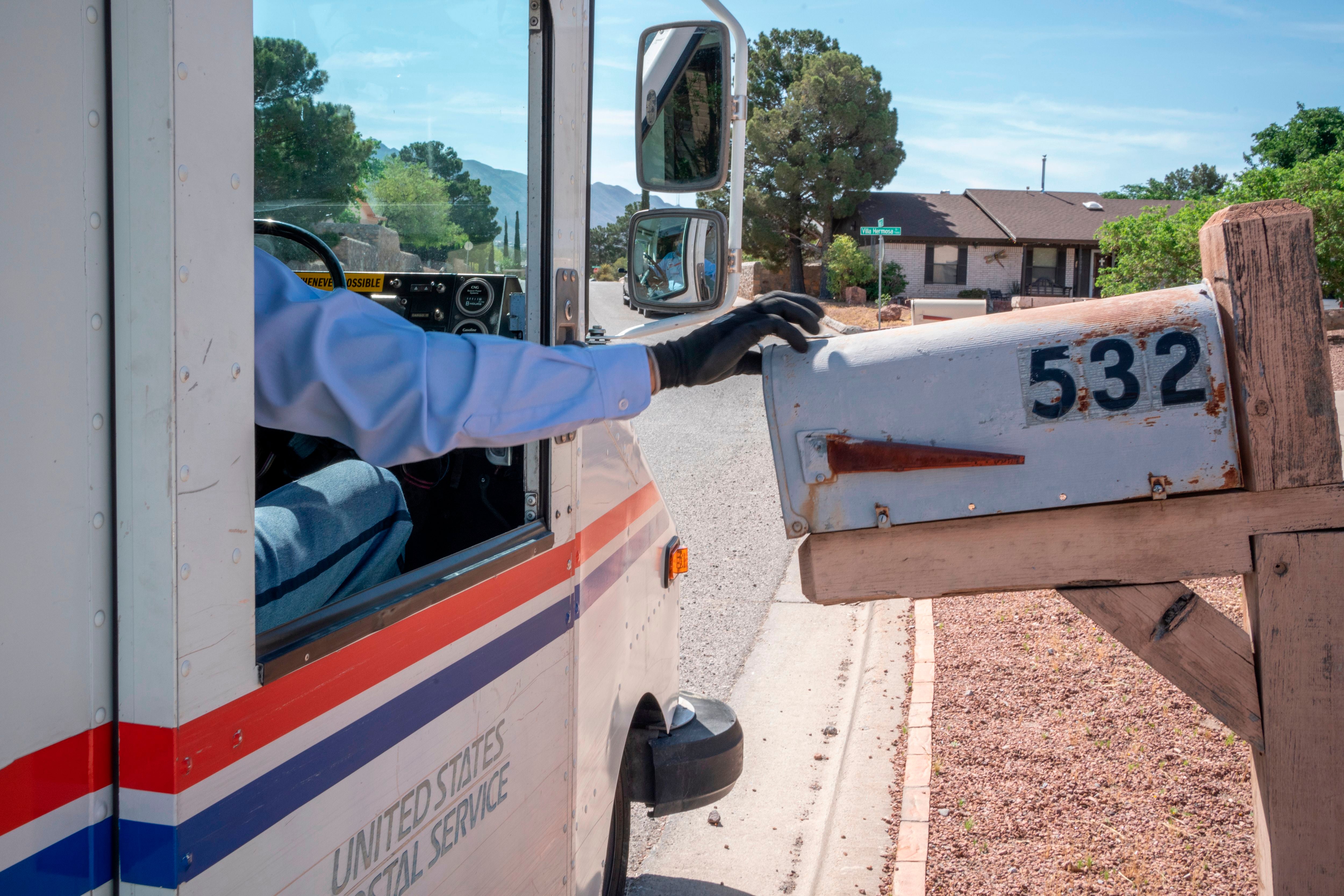
Amazon said last year it was “surprised” that the USPS wanted to have an auction for the last-mile service, and was evaluating other options. Amazon and USPS’s contract is set to expire this October.
“We negotiated with [the Postal Service] in good faith for over a year to try and reach a deal that would bring them billions in revenue and believed we were heading toward an agreement, when the USPS abruptly walked away at the 11th hour and introduced the auction concept,” an Amazon spokesperson told the WSJ this week.
“While we’ve submitted a bid and hope to continue our partnership, even at the reduced level we now have to prepare to meet our customers’ delivery needs regardless of the outcome of the auction,” the spokesperson added.
Amazon said it submitted a bid and hopes “to continue our partnership, even at a reduced level,” but noted it now had to prepare to meet customers’ delivery needs “regardless of the outcome of the auction.”

Amazon announced last April that it is investing over $4 billion to expand its rural delivery network. The move will create over 100,000 jobs and allow Amazon to deliver over a billion more packages each year, the company said.
The company delivered 6.7 billion packages in 2025, while USPS delivered 6.6 billion, according to data from ShipMatrix, a parcel-analytics firm. FedEx and UPS have also cut back on the number of packages they deliver for Amazon to focus on more profitable parcels, according to the report.
USPS received bids from more than 20 companies to use its last-mile service, which brings packages from 18,000 post offices and delivery hubs to their final destination.
Each bid included an estimated number of packages expected to ship through USPS and the price each company is willing to pay for this access.
Steiner, who leads USPS, said during a congressional hearing Tuesday that the agency would “run out of cash” in about a year. The agency reported a net loss of $9 billion in 2025.
Steiner asked lawmakers to consider lifting restrictions on the agency’s ability to raise prices for stamps and other services.
“I am a firm believer that the market should set the rates. And the market isn’t setting the rates,” Steiner said.
USPS has reported net losses of $118 billion since 2007 as first-class mail, which brings in the most money, has dropped to the lowest volume since the 1960s.
During Tuesday’s hearing, Steiner said reducing deliveries to five days a week would save the agency about $3 billion a year.
Closing smaller post offices in remote areas would also save $840 million, but Steiner noted those ideas “may not be palatable to Congress or the American public.”
Chinese rival to retail giant Amazon launches in the UK
Jimmy Kimmel’s Oscars slap at Melania Trump sends White House into a meltdown
Trump’s DHS nominee shredded by GOP senator in confirmation hearing: Live updates
Gabbard praises Trump as intelligence chiefs testify about global threats: Live
Trump can’t get spelling ‘Straight’ in post bashing US allies over Hormuz refusal
Most popular dog breeds in US revealed as ‘amusing’ pooch breaks into top five