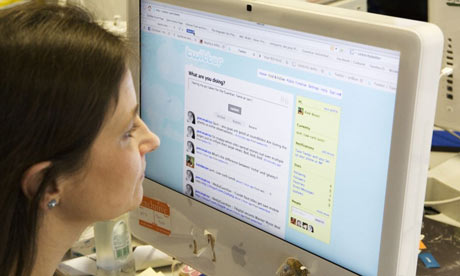
By being active in social media you can enhance your professional reputation, expand your network of contacts, and be the first to hear about job opportunities.
Use online networking to build relationships with people you couldn't otherwise reach face-to-face, to share information, and participate in discussions. You can bypass job boards and connect with companies directly, using your contacts to uncover hidden job opportunities.
LinkedIn
The biggest and best-known professional networking site, LinkedIn is used by job seekers and recruiters looking for candidates. Join for free, and set up your profile.
You can fill in as much info as you like about yourself (including education and work history) to make your profile as complete as possible. From there, you can import your contacts from your email provider, and send out invitations to connect with people you know.
You can also search through LinkedIn to find people you know (ex-colleagues for example) and invite them to connect with you. The idea is you only connect with people you trust and know.
If you find an interesting vacancy, check if you know anyone working at the company, such as your direct contacts, or people your contacts know — your second/third degree contacts. This is especially useful if you're finding it hard to return to work after redundancy.
LinkedIn is a great way of exploring your contacts and their list of contacts and of getting an 'in' to companies where you wouldn't otherwise have one.
Think of your LinkedIn profile as an online CV, so include relevant keywords. If you have one, link to your blog. Have your blog listed in the 'My Websites' section. Join (professional) groups that are relevant to what you are interested in and be active in them - post and answer questions, also link to other people in the group.
Twitter
Send 140-character updates (tweets) to people who are following you, and receive updates from people you're following, such as recruiters, industry leaders, or people in your target companies. Twitter helps you build visibility, stay up-to-date with industry news and establish personal relationships before applying for a job or attending an interview.
LJFil in the forums posted: "You never know when your work will be picked up. Recently I picked up a freelancer on Twitter because I liked his tweets."
Use hashtags such as #media or #IT London to search Twitter for contacts.
To make the most of Twitter, write a descriptive bio of 160 characters. Include relevant keywords, as these are searchable. Add your location, upload a photo and put a link to your blog or LinkedIn profile and make sure your Twitter URL is on your email signature or blog.
Twitter is like an after-work get-together. Anyone can join the conversation, so reply to tweets and RT (retweet = forward) to pass on useful snippets of information. Tweets appear in Google searches, so don't tweet anything company-sensitive, inappropriate, or mundane.
Facebook is also a good way of keeping in contact with friends who might be able to help you find a job.
Many companies also have 'fan' pages, where you can find out about company news or vacancies. If you're using Facebook primarily to stay in touch with friends, check your privacy settings to avoid revealing anything too personal.
Writing a blog helps you establish professional credibility. Comment on industry news and developments; and provide tips and best-practice articles to position yourself as an expert in your field.
Many blog as part of a strategy to increase online presence and 'personal brand' and blogging is one way of showing off your expertise to peers, industry leaders, and so on.
You don't need much technical expertise to start a blog, and publishing tools like Blogger allow you to create an account, choose a name, then a template. Commenting on related blogs helps you gain visibility and connections. Make the most of this by putting your blog url on business cards, your email signature, CV and LinkedIn profile.
Write about something you're passionate about. If your heart's not in it, then your lack of enthusiasm will come across to your readers. It needn't be navel-gazing or necessarily a rant. Have a look at other blogs and work out what it is about them that you like. Are they funny, pithy, informative, contain good images, or have an interesting design? Include these elements in your blog too, if you think it will help you to find your voice. .... But blogging is a long-term option. You need to keep going to get results.