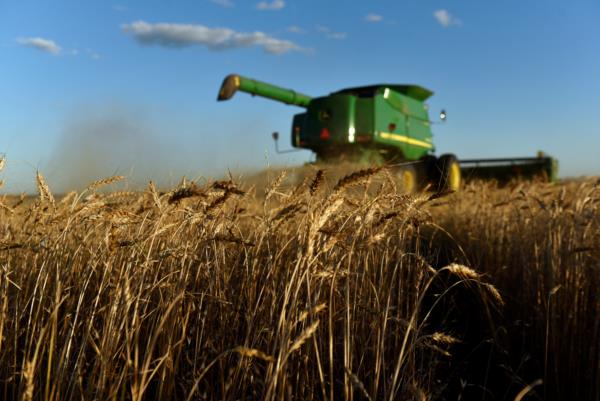
Wheat farmers in the USA are currently grappling with challenging crop economics due to an oversupply of grain in the market. This surplus has led to a bleak outlook for many farmers who are struggling to make ends meet.
The oversupply of wheat has resulted in a decrease in prices, making it difficult for farmers to generate sufficient income from their crops. This has put a significant strain on the financial stability of many farming operations across the country.
In addition to the low prices, farmers are also facing increased competition from foreign markets, further exacerbating the economic challenges they are facing. The global market for wheat is highly competitive, with countries like Russia and Canada emerging as strong competitors in the industry.
Furthermore, unpredictable weather patterns and natural disasters have also impacted wheat production in the USA, leading to lower yields and further adding to the financial burden on farmers. Droughts, floods, and other extreme weather events have become more frequent, posing a threat to the stability of crop yields.
To address these challenges, farmers are exploring various strategies to improve their crop economics. Some are diversifying their crops to reduce reliance on wheat, while others are investing in technology and innovation to increase efficiency and productivity.
Government support and subsidies are also crucial for many farmers to stay afloat during these difficult times. Policy interventions and financial assistance can provide much-needed relief to farmers struggling with the economic pressures of oversupply and low prices.
In conclusion, the current state of wheat farming in the USA is marked by significant economic challenges stemming from oversupply, low prices, competition from foreign markets, and unpredictable weather patterns. Farmers are facing a tough road ahead, but with strategic planning, innovation, and support, they can navigate these difficulties and work towards a more sustainable future for the industry.