When it comes to voting in the United States, there are several key requirements that individuals must meet in order to participate in elections.
First and foremost, individuals must be U.S. citizens to vote in federal elections. While some areas allow non-citizens to vote in local elections, federal elections are reserved for citizens only.
Another important requirement is that voters must be at least 18 years old on or before Election Day. Some states do allow 17-year-olds who will turn 18 by Election Day to participate in primaries.


Registering to vote is also a crucial step in the process. In most states, individuals must register before a specified deadline to be included on the voter rolls. However, it's worth noting that North Dakota stands out as the only state that does not require voter registration.
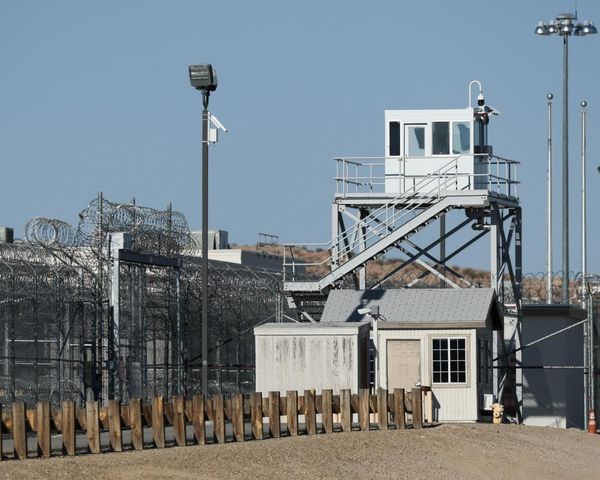
There are certain restrictions on who is eligible to vote in the U.S. Individuals who are noncitizens, convicted of a felony, currently incarcerated for a crime, have certain mental disabilities, or reside in U.S. territories may face limitations on their voting rights. These restrictions can vary from state to state.
Debates have arisen in Congress over whether these restrictions amount to voter suppression, particularly for marginalized groups. The ongoing discussions highlight the importance of ensuring that voting rights are protected and accessible to all eligible individuals.