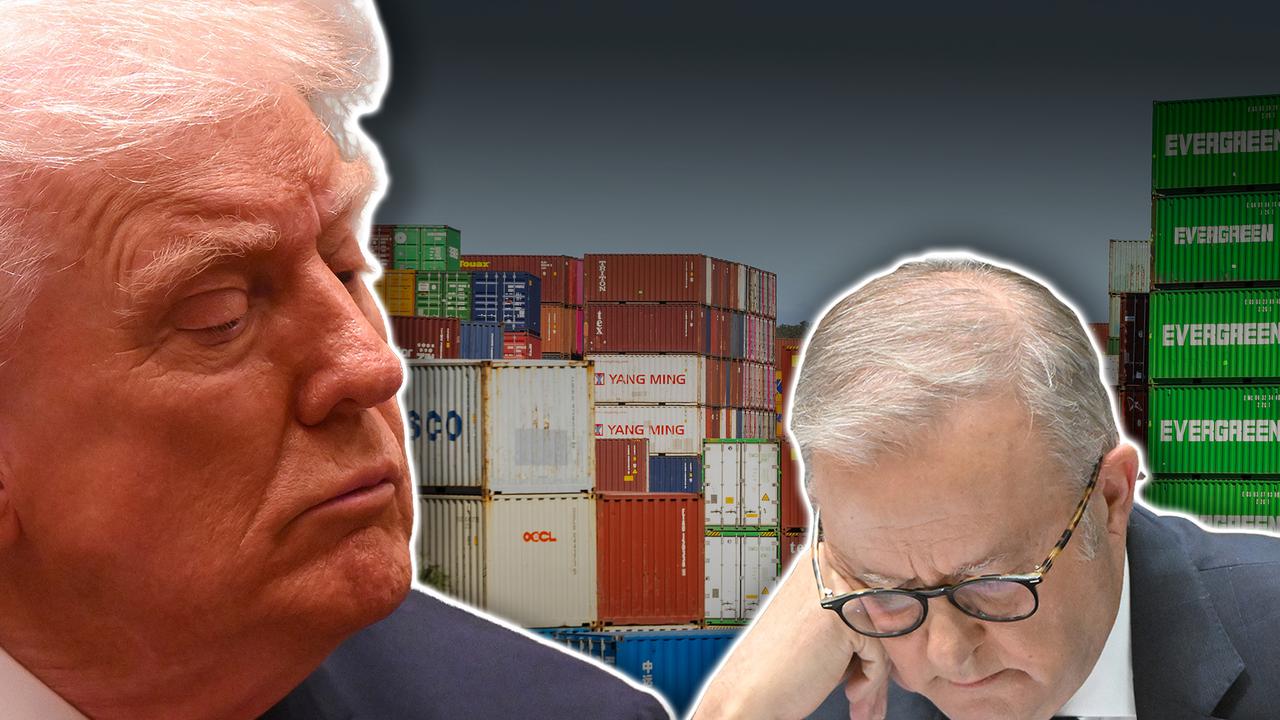
Higher US tariffs could put a billion-dollar impost on Australian exports as the nation's trade minister insists the planned hike isn't linked to modern slavery concerns.
The Trump administration announced plans in June for a new 12.5 per cent tariff on dozens of countries it says are failing to crack down on goods made with forced labour.
Modelling from EY showed the changes could impose $1.6 billion a year in costs on Australian exports and cause the nation to lose relative tariff advantages over competitors.
The proposed tariff was made public by US trade representative Jamieson Greer as part of an investigation into what Washington says were unfair trade practices by 60 countries.
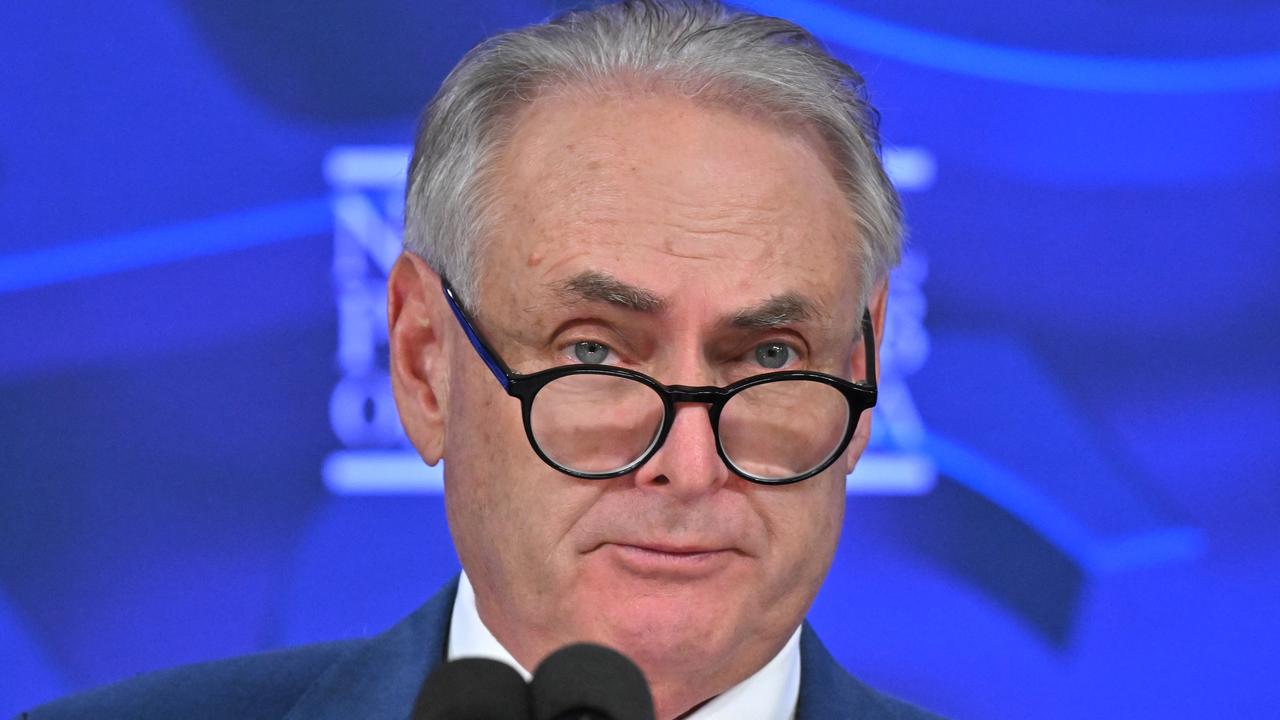
Trade Minister Don Farrell suggested the reason given by the US for the plan was not accepted by Australia.
"I don't see the two as being linked, as such," he said when asked if he would negotiate with the US about its claim Australia does not adequately address slavery in its supply chains.
"We have a range of mechanisms to deal with this in Australia, and we use those mechanisms to do our level best to end modern slavery."
The US Supreme Court in February ruled that President Donald Trump's sweeping global tariffs, imposed unilaterally, were unconstitutional.
He then brought in a temporary 10 per cent global tariff, to remain in place until July 24. Some Australian exports, like beef and gold, are now exempt.
Senator Farrell said the higher 12.5 per cent rate could be in place for several days at the same time as the existing 10 per cent duty.
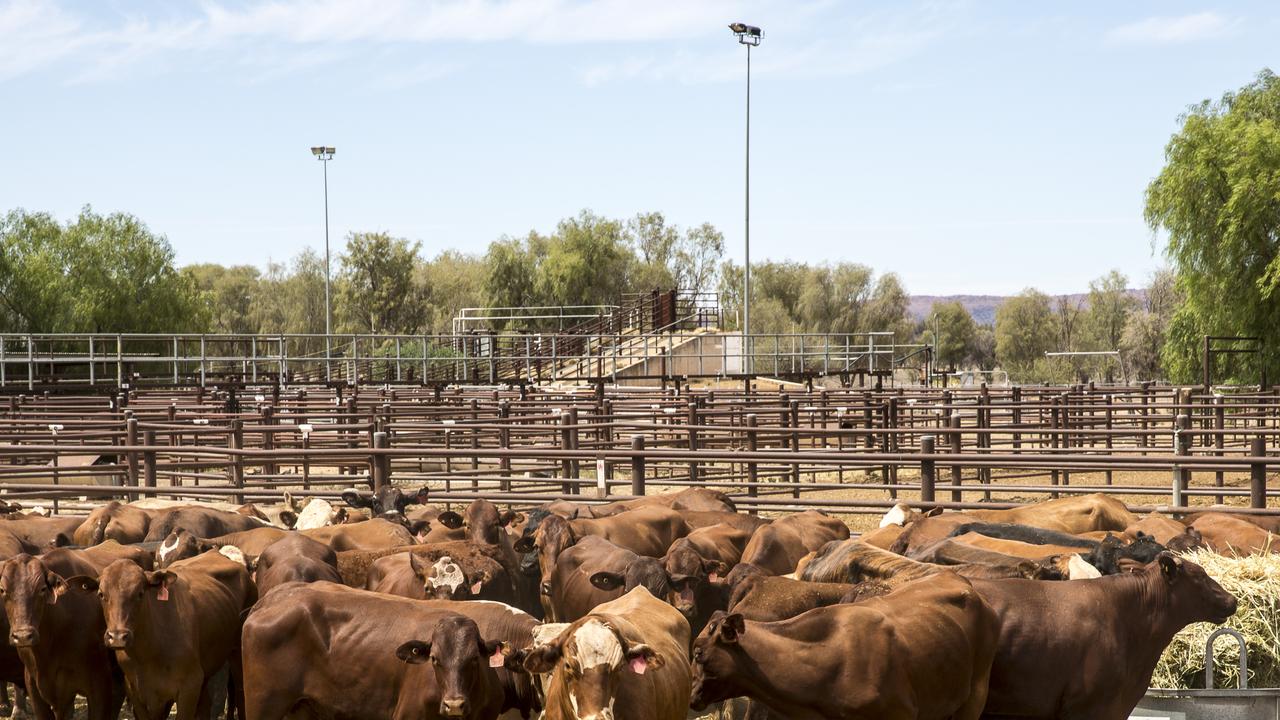
The US did not intend to enforce both tariffs at once, he said, so goods were likely to be subject to either the 12.5 or 10 per cent levy during the transition period, but there was little clarity as to which.
Australia is among 45 countries facing the higher 12.5 per cent rate, along with India, Japan, China, South Korea, Brazil and Switzerland.
Another group, which would include Britain, the European Union and Canada, would face a 10 per cent duty.
"Thirteen countries and the European Union are proposed to have a 10 per cent rate and Australia is not one of them, meaning we are going backwards when it comes to US market access," EY global tread leader Luke Branson said.
''Unfortunately for Australian exporters ... they will need to plan for these additional costs and begin yet another round of challenging commercial discussions with their US domestic customers.''
The US has opened channels for feedback on the plan until July 6 and Australia has put forward a bid for an exemption from the imposte.