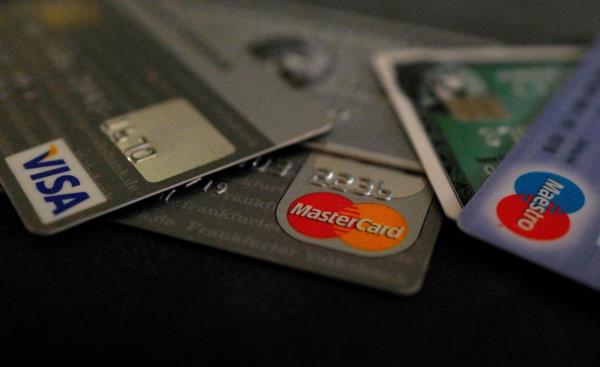
The US Supreme Court is currently considering a case that could have significant implications for the debit card industry. The case revolves around a challenge to the 'swipe fee' rule, which regulates the fees that merchants must pay to banks for processing debit card transactions.
At the heart of the matter is whether merchants should be allowed to challenge the Federal Reserve's interpretation of the rule. The Federal Reserve sets the maximum fee that banks can charge merchants for processing debit card transactions, a fee that is passed on to consumers in the form of higher prices.
The case has attracted attention from both sides of the debate. Merchants argue that the current rule allows banks to charge excessive fees, cutting into their profits. On the other hand, banks contend that the rule strikes a balance between ensuring fair compensation for their services and promoting competition in the debit card market.
The outcome of this case could have far-reaching consequences for consumers, merchants, and banks alike. If the Supreme Court allows merchants to challenge the 'swipe fee' rule, it could lead to changes in how debit card transactions are processed and fees are set.
For now, the industry is eagerly awaiting the Supreme Court's decision on whether to hear the case. The implications of this decision could reshape the landscape of the debit card industry and have a lasting impact on how transactions are conducted in the United States.