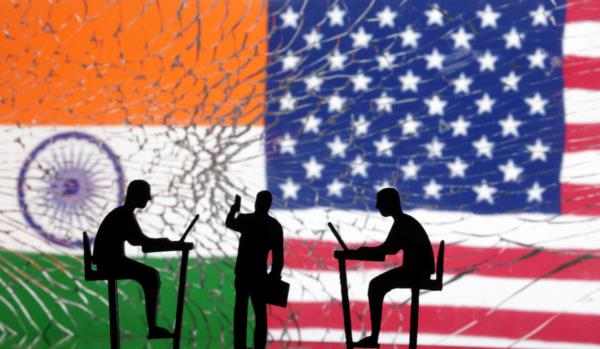
In a recent development, the United States has been reported to have lobbied New Delhi to reverse its laptop rules, which have been deemed unfavorable by the U.S. government. The U.S. expressed its dissatisfaction with India's policies, particularly in the laptop sector, labeling them as a misstep.
The U.S. has been pushing for a change in India's regulations regarding laptops, highlighting concerns over the impact on American companies operating in the country. The U.S. argued that the current rules were detrimental to the interests of U.S. businesses and hindered their operations in India.
According to sources, the U.S. engaged in diplomatic efforts to persuade India to reconsider its laptop policies. The U.S. government emphasized the importance of a more conducive regulatory environment that would benefit both Indian and American companies.
India's laptop rules have come under scrutiny for their restrictive nature, which has raised concerns among foreign investors and businesses. The U.S. has been vocal about the need for a more open and transparent regulatory framework that fosters a competitive market environment.
As the discussions between the U.S. and India continue, the outcome remains uncertain. However, the U.S. government's efforts to influence a reversal of India's laptop rules underscore the importance of regulatory alignment between the two countries.