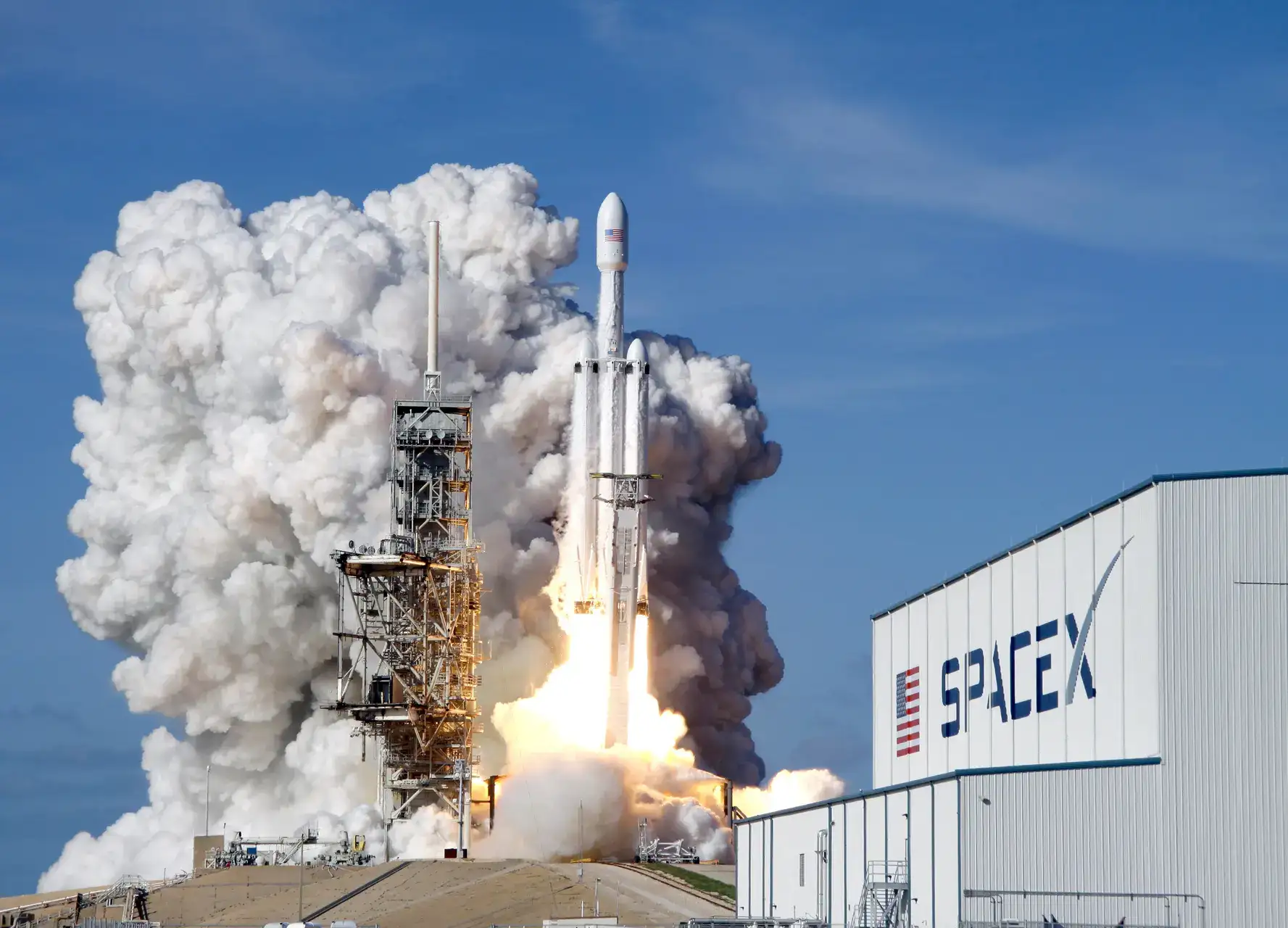
The blockbuster stock market debut of Elon Musk-led SpaceX is prompting a broader debate among index providers, asset managers, and financial advisers over how benchmark indexes should adapt to the arrival of mega-cap newly listed companies.
According to Reuters, the listing of SpaceX has highlighted a long-standing tension in index construction: whether providers should adhere strictly to established inclusion rules or modify them to better reflect major shifts in market composition. The issue has gained prominence as a new wave of high-profile listings, including potential offerings from AI leaders such as Anthropic and OpenAI, is expected to reshape equity markets.
Reuters reported that differing approaches by major index providers have already emerged. The Nasdaq moved quickly to include SpaceX in the Nasdaq-100, while S&P Dow Jones Indices have so far refrained from adding the company to the S&P 500. The contrasting decisions are expected to reinforce perceptions of the Nasdaq as a benchmark that embraces higher-growth, higher-volatility companies, while the S&P 500 maintains a more conservative approach.
Market participants told Reuters that the differing methodologies could lead to increasingly divergent performance between major benchmark indexes, particularly if large AI-related companies continue to come to market at lofty valuations. Investors who allocate capital through index-tracking mutual funds and exchange-traded funds may therefore experience significantly different risk and return profiles depending on the benchmark they choose.
SpaceX had reportedly sought faster inclusion in major benchmarks ahead of its public listing, recognizing the substantial demand that index membership can generate. Index-linked funds often purchase shares automatically when a company joins a benchmark, creating additional buying pressure and boosting visibility among institutional investors.
Reuters noted that the stakes are particularly high for the S&P 500 because of the enormous amount of capital tied to funds tracking the index. The three largest S&P 500 exchange-traded funds collectively manage more than $3 trillion in assets, far exceeding the roughly $600 billion invested in the largest Nasdaq-100 tracking funds.
The debate also reflects broader concerns about the risks associated with megacap technology and artificial intelligence companies. While rapid inclusion of newly listed firms can provide investors with early exposure to emerging market leaders, it can also increase portfolio volatility and valuation risk. Reuters reported that recent academic research found that fast-tracked IPOs tend to outperform comparable offerings prior to index inclusion but surrender a significant portion of those gains shortly afterward.
Despite the differing approaches, both major benchmarks remain heavily exposed to technology and AI-driven themes that have fueled equity market gains in recent years. However, some investors and market observers caution that the growing concentration of market value in a handful of high-profile technology companies could leave passive portfolios more vulnerable to sharp corrections if enthusiasm surrounding the AI sector fades.
As additional AI giants prepare for potential public listings, Reuters reported that the debate over index methodology is likely to intensify, with investors paying closer attention to how benchmark providers balance innovation, market representation, and risk management.