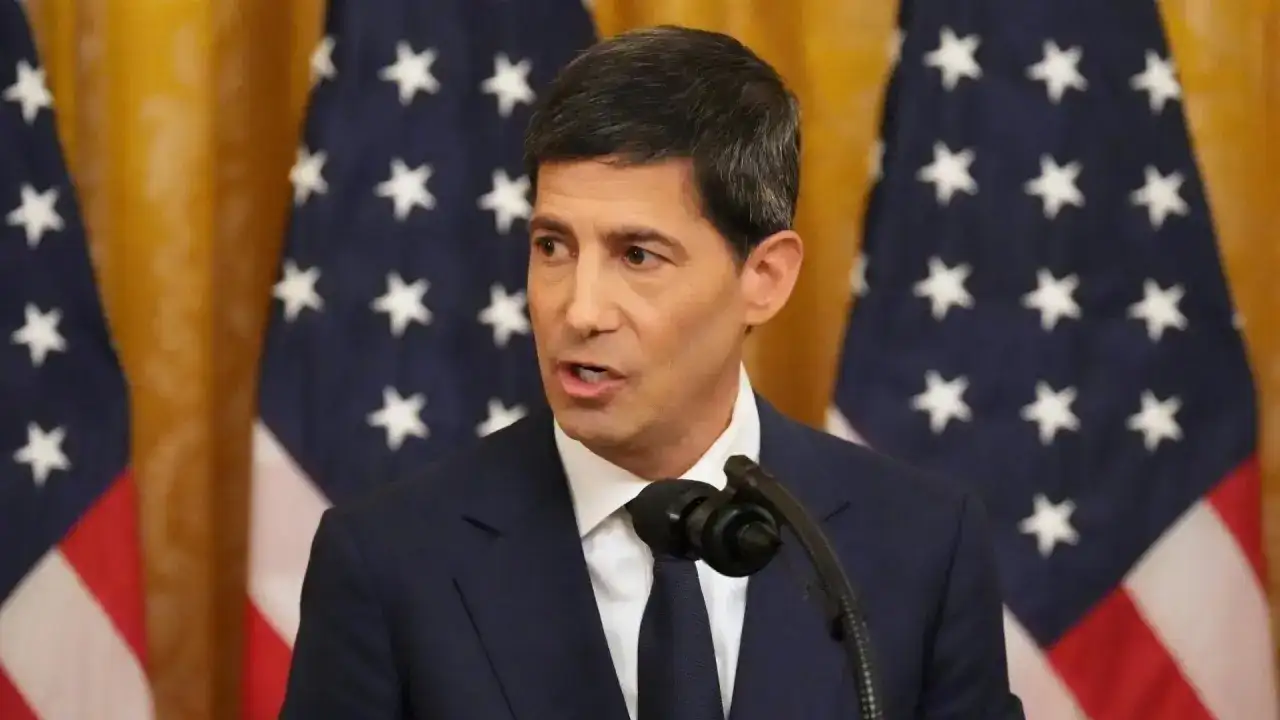
Federal Reserve Chairman Kevin Warsh is pushing for a more cautious communication approach on monetary policy, maintaining that the central bank remains committed to bringing inflation down while avoiding clear signals on what actions could trigger a change in interest rates, according to Reuters.
According to Reuters, Warsh’s stance has created a contrast with several other Fed policymakers who have openly shared their views on inflation risks, interest rates and the likely path of monetary policy. The divergence comes as the central bank faces fresh uncertainty from rising fuel costs linked to renewed Middle East tensions and inflationary pressures tied to the rapid expansion of artificial intelligence investment.
Warsh Focuses on Data, Avoids Policy Signals
During testimony before the House Financial Services Committee and the Senate Banking Committee this week, Warsh repeatedly highlighted concerns over inflation remaining above the Fed’s target. However, he stopped short of outlining specific conditions that would prompt the central bank to raise or cut interest rates.
Reuters reported that Warsh emphasized the importance of evaluating the Fed’s available tools, including interest rates and the balance sheet, while assessing changes in the economy before making policy adjustments.
Warsh has also been working to reshape the Fed’s communication strategy, arguing that policymakers should provide fewer signals to markets and allow economic data to guide expectations. He has convened several expert-led task forces to examine possible changes to the way the central bank conducts monetary policy and communicates decisions.
Inflation Risks From AI and Geopolitical Tensions
The Fed chair has pointed to artificial intelligence-driven investment as a factor that could influence price pressures. He suggested that AI-related developments could contribute to higher measured prices over the coming year, though the broader impact on inflation would depend on how monetary policy responds.
Economists have questioned whether Warsh’s approach provides enough clarity on how the Fed intends to tackle inflation. Analysts said uncertainty over his preferred policy response has made it difficult to predict the central bank’s next move.
Other Fed Officials Offer Clearer Views
While Warsh has avoided detailing his reaction function, several Fed officials have been more direct about their policy preferences.
Fed Governor Lisa Cook said policymakers should continue monitoring inflation trends but warned that risks from AI investment, tariffs and Middle East tensions could keep inflation elevated. She indicated that further action could be necessary if progress toward lower inflation slows.
New York Fed President John Williams offered a more optimistic assessment, saying inflation remains too high but showing confidence that price pressures could ease in the coming quarters. He described current monetary policy as being appropriately positioned.
Fed Governor Christopher Waller said he would need to see several months of improving inflation data before becoming confident that inflation is moving sustainably toward the Fed’s 2% target.
Markets Seek More Guidance Ahead of Fed Meeting
The Fed is scheduled to meet again in less than two weeks, with additional policy meetings planned before the end of the year. More comments from policymakers are expected before the central bank enters its pre-meeting communication blackout period.
Warsh has encouraged investors to focus on economic data rather than statements from individual policymakers. His approach differs from other Fed officials, who believe transparency about their economic outlooks helps markets understand potential policy moves.
The debate highlights a broader challenge for the Federal Reserve: balancing clear communication with the flexibility needed to respond to rapidly changing economic conditions. As inflation risks evolve, investors will closely watch upcoming data releases and signals from Fed officials for clues on the future direction of interest rates.