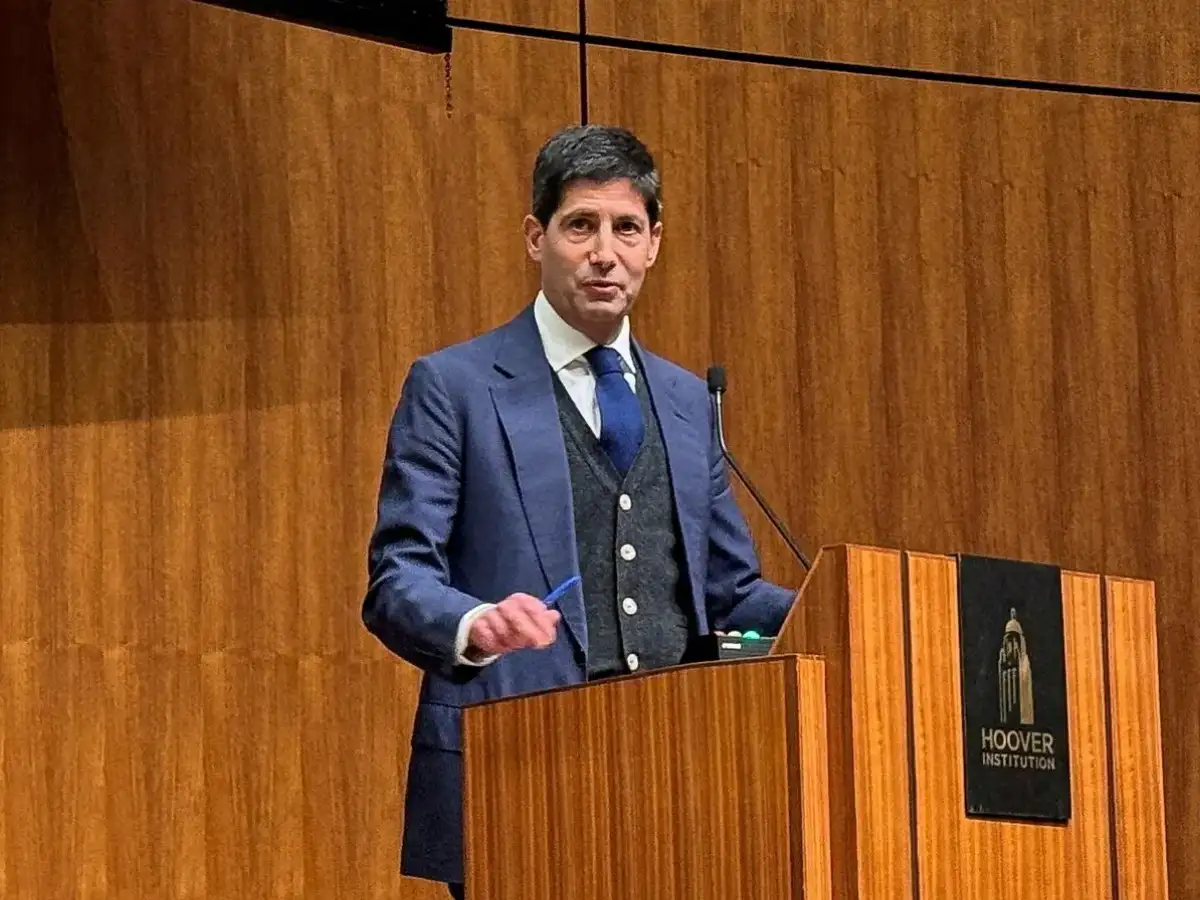
Incoming Federal Reserve chief Kevin Warsh could face significant hurdles in his push to reduce the U.S. central bank’s role in financial markets, as rising federal debt and weakening demand advantages for U.S. Treasuries complicate efforts to shrink the Fed’s balance sheet, according to analysts and economists cited by Reuters.
Reuters reported that Treasury yields climbed sharply on Friday, reflecting mounting investor concerns over inflation following the escalation of the U.S. conflict with Iran. The yield on the 2-year Treasury note, often viewed as a gauge of monetary policy expectations, has risen by more than 50 basis points since the conflict began and moved above 4%. Meanwhile, the 30-year Treasury yield crossed 5.1%, levels not consistently seen since before the 2007-2009 financial crisis.
Market participants are increasingly betting that the Warsh-led Federal Reserve could begin raising interest rates as early as January. Inflation-linked bond yields have also risen, adding to concerns that inflation pressures may become more persistent.
Warsh, who was confirmed by the U.S. Senate last week to replace Jerome Powell as Federal Reserve chair, has long advocated for a more traditional central banking framework with reduced intervention in financial markets. Reuters noted that Warsh has repeatedly criticised the Fed’s reliance on large-scale asset purchases and emergency liquidity measures during crises, arguing that they distort market functioning and dilute the Fed’s inflation-fighting credibility.
However, economists warned that reducing the Fed’s footprint may expose structural weaknesses in the Treasury market. A financial expert told Reuters that the U.S. and other developed economies may be losing the so-called “convenience yield” that once allowed governments with highly trusted financial systems to borrow at unusually low costs.
The Fed may eventually face pressure to intervene again if Treasury market stress intensifies, especially if rising yields threaten broader economic conditions, he added.
According to Reuters, the genuine price discovery in the Treasury market would require the central bank to avoid stepping in during periods of volatility.
The Federal Reserve currently holds around $6.7 trillion in assets, down from a peak near $9 trillion reached in 2022 during the aftermath of the COVID-19 pandemic. Reuters reported that the balance sheet is still expanding modestly to maintain adequate liquidity within the banking system.
Quantitative easing, the policy under which the Fed buys government bonds and other securities to inject liquidity into markets, remains a divisive topic among economists. While many policymakers agree that such programs help stabilise the economy during crises, there is little consensus on their long-term impact.
According to experts cited by Reuters, the central bank needs a more comprehensive framework governing how and when it uses its balance sheet. Any meaningful review of the Fed’s balance-sheet strategy would likely take many months and require extensive internal debate.
The news agency added that reducing the Fed’s holdings while simultaneously attempting to keep borrowing costs low could force greater coordination with the U.S. Treasury Department, particularly regarding debt issuance strategies.
Not all policymakers agree with Warsh’s concerns over the Fed’s large balance sheet. Federal Reserve Governor Christopher Waller recently defended ample reserve holdings, arguing that forcing banks to compete aggressively for reserves would create inefficiencies in the financial system. Reuters cited a Brookings Institution survey showing that most leading economists and former Fed officials do not currently view the size of the balance sheet as a threat to economic growth or financial stability.
The broader fiscal backdrop may further complicate Warsh’s plans. Reuters reported that the Congressional Budget Office expects the federal deficit to reach 5.8% of GDP in fiscal year 2026, well above the 50-year average of 3.8%, with rising interest payments contributing heavily to the increase.
Research from the St. Louis Federal Reserve also suggested that U.S. Treasuries are gradually losing some of their traditional safe-haven premium. According to Reuters, the study found that as the Fed began reducing its balance sheet in 2022, investors demanded higher returns on government debt, effectively increasing federal borrowing costs.
Experts further added that Warsh’s preference for a more restrained central bank aligns with those seeking clearer boundaries between monetary policy and debt management. They added that reduced Fed intervention could ultimately strengthen the resilience of Treasury markets by forcing investors and policymakers to better confront underlying fiscal realities.
(Disclaimer: Recommendations, suggestions, views and opinions given by the experts are their own. These do not represent the views of The Economic Times)