The US is sharply stepping up its involvement in the chaos in Syria - sending special forces to assist local forces and Syrian rebels in the fight against Isis.
In a potentially perilous step that will for the first time put a fixed number of troops on the ground in Syria, up to 60 special forces soldiers will assist Kurdish forces and local rebels.
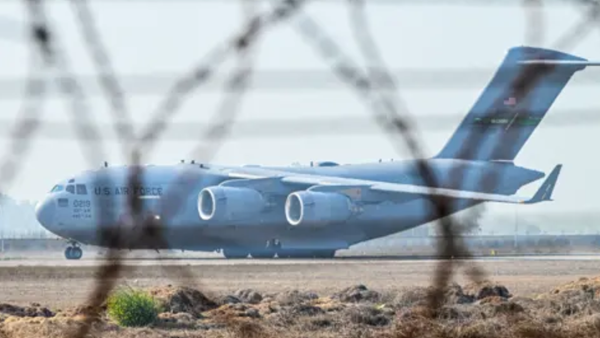
Reports said troops will also be dispatched to Erbil in northern Iraq and that President Barack Obama has also authorised deploying A-10s and F-15 aircraft to the Incirlik air base in Turkey.
The US will also step up its military assistance to Jordan and Lebanon and will engage in further talks with Iraqi Prime Minister Haider al-Abadi to target Islamic State’s leaders and networks, an official told Reuters.
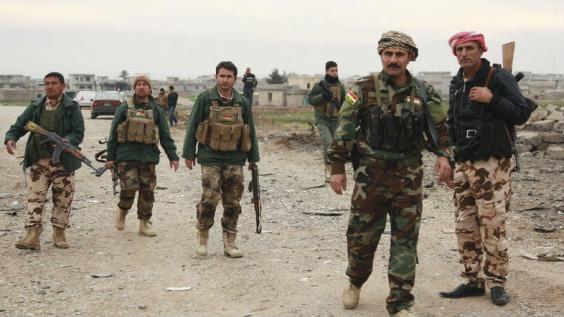
The news came as peace talks aimed at trying to resolve the situation in Syria began in Vienna. About a dozen participants are taking part in the talks.
Mr Obama, deeply averse to over-committing American troops to unpopular wars in the Middle East, has been considering his options for some weeks and has considered some viable than others.
What is beyond doubt is that the US presence will add to what is already a deeply dangerous and complicated strategic landscape.
Russian airmen and jets are already flying operations against both Isis and rebels opposed to President Bashar Al-Assad, while Iranian forces are operating on the ground.
At the same time, the US, Saudi Arabia and other Gulf states are training and equipping so-called moderate rebels to take on both Isis, and the forces of Mr Assad.
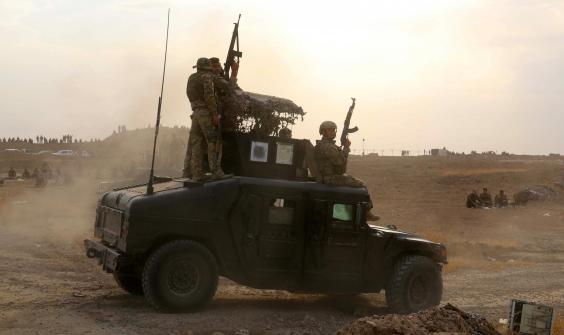
Two US officials said any deployments would be narrowly tailored, seeking to advance specific, limited military objectives in both Iraq and Syria.
That option includes temporarily deploying some US special operations forces inside of Syria to advise moderate Syrian opposition fighters for the first time and, potentially, to help call in US air strikes.
Other possibilities including sending a small number of Apache attack helicopters, and US forces to operate them, to Iraq, as well as taking steps to bolster other Iraqi capabilities needed to claw back territory from Islamic State.
John Pike, a defence analyst with GobalSecurity.Org said he did not believe the several dozens special forces being sent would ultimately lead to the dispatch of hundreds of thousands.
He also said he believed the US had little alternative. “If we don’t take the fight to Isis, they are going to bring it to us,” he told The Independent. “They are far more dangerous than Al-Qaeda.”
Earlier this week, US Defense Secretary Ash Carter signaled his intent to step up the US military’s activity in Iraq and Syria, just days after US forces participated in a raid to rescue Islamic State hostages in Iraq.
“We won’t hold back from supporting capable partners in opportunistic attacks against ISIL or conducting such missions directly, whether by strikes from the air or direct action on the ground,” Mr Carter told a Senate hearing, using a different acronym for the militant group.
Marine Corp General Joseph Dunford, chairman of the Joint Chiefs of Staff, told the Senate hearing he would consider recommending putting more U.S. forces with Iraqi troops to support the Islamic State fight if it improved chances of defeating the militants.
“If it had operational or strategic impact and we could reinforce success, that would be the basic framework within which I’d make a recommendation for additional forces to be co-located with Iraqi units,” he said.