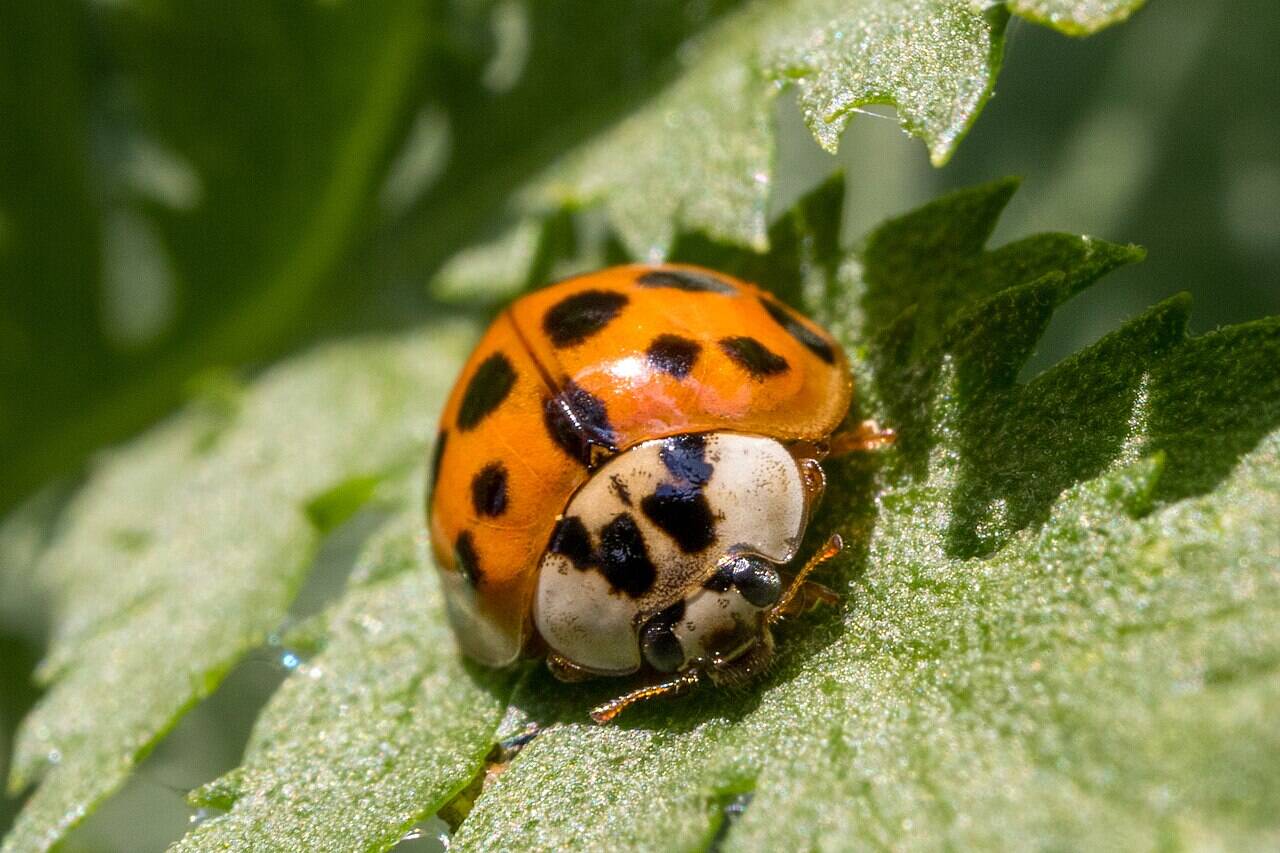
Ladybirds have long been regarded as some of agriculture's most useful insects. Both adults and larvae feed on aphids, scale insects and other pests that damage crops, making them valuable allies for farmers. This reputation led scientists to look beyond native species in the early 20th century and introduce the Asian lady beetle, Harmonia axyridis , into the United States as a natural way to control crop pests. The aim was to reduce pest numbers while limiting dependence on chemical pesticides.
Get breaking news anytime, anywhere. Download the TOI app now!
The plan appeared promising at first, but the insect later spread beyond farms and into homes. Instead of remaining confined to agricultural landscapes, the Asian lady beetle became established across much of North America, where it entered homes in large numbers, affected fruit production and competed with native ladybird species.
The story is detailed in the research paper published in the Journal of Insect Science. The review examines how the beetle was introduced as a biological control agent and later became widely established, documenting both its role in controlling crop pests and the challenges associated with its spread.
A biological control success that spread far beyond farms
The Asian lady beetle is native to eastern Asia, where it naturally feeds on aphids and several other soft-bodied insects. According to the review, releases of the Asian lady beetle as a biological control agent in North America date back to 1916, with one of the earliest documented releases taking place in California. Additional introductions continued over several decades as researchers hoped the insect would establish stable populations capable of protecting crops from damaging pests. The study notes that the beetle was introduced as part of efforts to establish biological control programmes aimed at managing agricultural pests.
For many years, the released beetles did not appear to establish permanent populations. The study notes that established populations of the Asian lady beetle were detected in the United States during the late 1980s, marking the start of its rapid spread across the country. From there, the species spread rapidly across North America.
The research paper credits the beetle's success to several biological characteristics. It notes that the Asian lady beetle has biological traits that support its spread, including a broad diet and the ability to adapt to different environments. When insect prey is scarce, it can also eat pollen, nectar and ripe fruit. This flexible diet allows it to survive in a range of environmental conditions and use different food sources.
Its adaptability likely helped the species spread beyond orchards and crop fields. The study describes the spread of established Asian lady beetle populations across North America and notes that the species was later reported in regions including Europe, South America and Africa following intentional releases or accidental introductions.
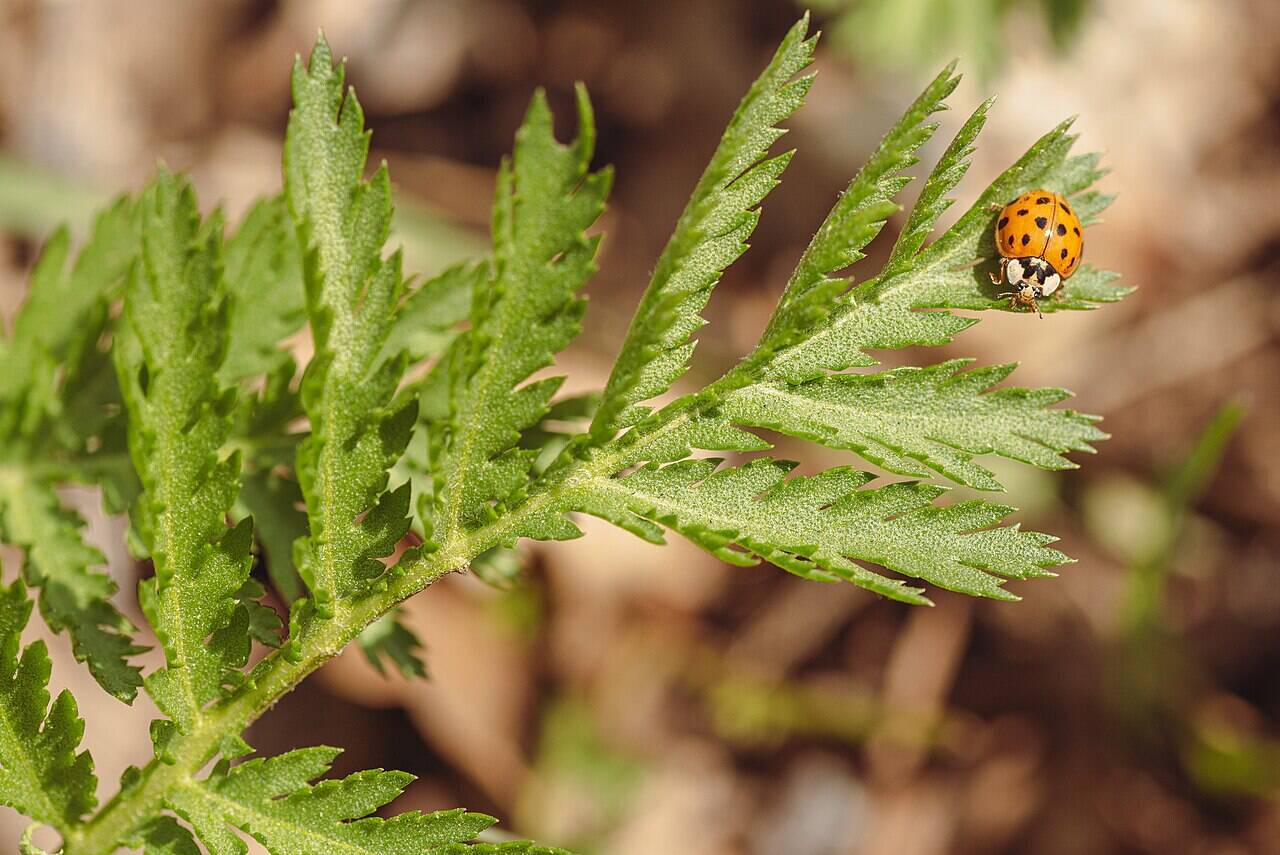
Why the helpful beetle became an unwanted guest
The study describes the beetle's tendency to enter homes in autumn as a common problem in new regions. As temperatures begin to fall, the beetles search for sheltered places where they can spend the winter. In their native habitat, they gather on rocky cliffs and in natural crevices. Buildings often provide similar conditions, particularly those with sun-facing walls that retain warmth during the day.
Koch's review explains that large numbers of beetles may gather on the outside of buildings before entering through small gaps around windows, doors and roofs. Although they do not reproduce indoors or damage household structures, their presence can become a nuisance because of the sheer numbers involved.
When disturbed, the insects release a yellow defensive fluid with a noticeable odour. The liquid can stain walls and fabrics. The research paper also notes that some people have experienced allergic reactions after contact with large numbers of beetles indoors.
The study notes that the Asian lady beetle has been associated with challenges for fruit growers, particularly in vineyards where beetles may be present during harvest. When insect prey becomes limited, it may feed on ripening fruit, particularly grapes. During harvest, beetles can be collected with grape clusters and crushed during wine production. Their defensive chemicals can affect the flavour and aroma of the finished wine, a problem known within the industry as ladybird taint.
The research paper also examines the beetle's effects after it became established outside its native range. It discusses concerns about native ladybird populations, noting that the Asian lady beetle competes with native species for food and habitat and may also feed on the eggs and larvae of other ladybirds. These interactions have raised concerns about their effects on native ladybird communities where the beetle has become established.
The review also describes the species as highly adaptable, with established populations in forests, gardens, parks, orchards, agricultural fields and urban areas. Even as it spread into these varied environments, it continued to function as a biological control agent by feeding on aphids and other crop pests.
Taken together, the findings show that the Asian lady beetle became established in several regions after its introduction for biological control, bringing both agricultural benefits and documented non-target impacts.