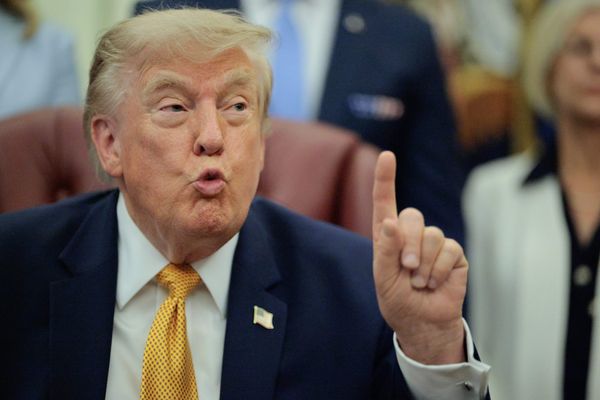
Washington is stepping up diplomatic efforts to address Israeli objections to a possible Turkish role in an International Stabilisation Force in Gaza, a move that could affect plans to disarm Hamas and advance US President Donald Trump’s Gaza peace plan.
Trump is due to host Israeli Prime Minister Benjamin Netanyahu on 29 December in Florida.
The meeting is the latest attempt to revive the Gaza plan, which aims to move from a ceasefire towards the creation of a new governing arrangement in Gaza, the deployment of an international force and the disarmament of Hamas.
On Friday, Turkish and Egyptian officials met their US counterparts in Miami.
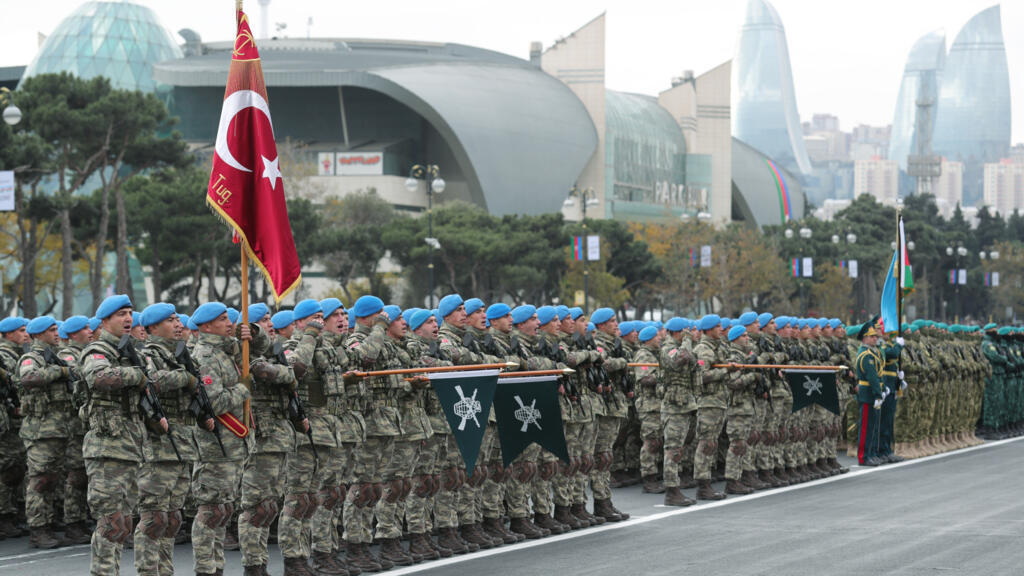
With a ceasefire in place in Gaza, Washington is pushing the next phase of its plan, which would include Turkish troops in an International Stabilisation Force.
From Washington’s perspective, Turkey’s involvement is considered essential to the plan, said Asli Aydintasbas of the Brookings Institution.
Turkey and Iran unite against Israel as regional power dynamics shift
Israeli objections
Hamas disarmament depends on the creation of a new Palestinian governing entity and the presence of international peacekeepers, with Turkey acting as a guarantor, Aydintasbas said.
“Without Turkey in this process, decommissioning Hamas weapons would not occur. That is implicit in the agreement.”
Turkey’s close ties with Hamas are well known, with senior Hamas figures reportedly hosted in Turkey. While Turkey’s Western allies label Hamas a terrorist group, President Recep Tayyip Erdogan has said its members are liberation fighters.
Trump has publicly thanked Ankara for using its influence to encourage Hamas to accept the peace plan.
Israel opposes any Turkish military presence in Gaza, fearing Turkey would support Hamas rather than disarm it.
Israel is also concerned about cyber attacks attributed to Hamas operating from Turkish territory and doubts Turkey would act in Israel’s interests, said Gallia Lindenstrauss, a Turkey analyst at the Institute for National Security Studies in Tel Aviv.
“There’s a risk of an accident between Israeli and Turkish forces, given the already high tensions and suspicions. It’s hard to see a positive outcome,” she said.
Israel has struggled to persuade Trump to back its position. “The US has its own priorities, and is receptive to Ankara due to strong Trump-Erdogan relations,” Lindenstrauss added.
Turkey ready to help rebuild Gaza, but tensions with Israel could be a barrier
Turkey’s position
Erdogan, who has cultivated close ties with Trump, has said Turkey is ready to send soldiers to Gaza. Reports have claimed Turkey has a brigade on standby for deployment.
Turkey’s relationship with Hamas is a “double-edged sword”, said Ozgur Unluhisarcikli, head of the German Marshall Fund office in Ankara. From Israel’s point of view, Turkey is too close to Hamas, but “if you want to contribute to disarming them, dialogue is needed”.
Any Gaza mission would be risky, but the Turkish army has decades of experience, Unluhisarcikli said. “It has a proven track record in terms of post-conflict stabilisation from the Balkans to Afghanistan. They have proven they can operate in such environments.”
Despite strained diplomatic ties, the Turkish and Israeli militaries still maintain open communication. The two countries operate a hotline to avoid clashes between their air forces over Syria, demonstrating continued military coordination despite political tensions.
Turkey warns Kurdish-led fighters in Syria to join new regime or face attack
Regional doubts
Egypt and Saudi Arabia distrust Turkey’s ties with Hamas and question its intentions in Gaza, Unluhisarcikli said, with concerns that echo memories of Ottoman-era rule.
On Monday, US Ambassador to Turkey Tom Barrack met Netanyahu in an effort to ease Israeli concerns. However, prospects for a breakthrough are likely to depend on this month’s meeting between Netanyahu and Trump.
Incentives may be offered to encourage Israel to accept Turkey’s role, but the issue is unlikely to be resolved that way, said Asli Aydintasbas of the Brookings Institution.
“Because this is such a fundamental and existential issue for Israel, I don’t think incentives will work,” she said.
“As to whether or not Trump would go so far as to withhold military or financial aid, it would be very unlikely. Rather, it may just let this situation sort of fester. I don’t think the Americans have a clear plan to push forward if the answer from Netanyahu is to say no.”