The U.S. military has carried out two more strikes on alleged “narco-terrorists” in the eastern Pacific, killing five people and bringing the total number of fatalities in the Trump administration’s operation to over 100.
At least 104 people have now been killed in the series of strikes, according to numbers announced by the Trump administration, which began in September.
President Donald Trump has justified the aggressive action as a necessary escalation to stem the flow of drugs into the United States from what his administration claims are drug-trafficking boats in the Pacific and Caribbean.
On the order of Defense Secretary Pete Hegseth, the U.S. Southern Command said in a social media post Thursday evening that it conducted two strikes on two vessels it said were “designated terrorist organizations” on December 18.
“Intelligence confirmed that the vessels were transiting along known narco-trafficking routes in the Eastern Pacific and were engaged in narco-trafficking operations,” the statement said. “A total of five male narco-terrorists were killed during these actions - three in the first vessel and two in the second vessel.”
The post was accompanied by a video of the strikes, which blasted the boats out of the water before they burst into flames.
Four others were killed the day prior as the Trump administration faces increasing scrutiny from lawmakers over the boat strike campaign.
The strikes also are part of an apparent pressure campaign against Venezuelan President Nicolás Maduro, labeled a terrorist and cartel leader by the Trump administration.
Trump escalated tensions further this week by calling for a “total and complete blockade” of sanctioned oil tankers from Venezuela and placing hundreds of American troops and ships near the South American nation’s coastline.
It follows pressure on Hegseth and the Trump administration after a controversial double-tap attack on a vessel on September 2 sparked allegations of “war crimes.”
But Sen. Roger Wicker of Mississippi, the Republican chair of the Senate Armed Services Committee, said Thursday that he had seen “no evidence of war crimes” as the GOP signaled it was drawing the inquiry to a close.
Rep. Mike D. Rogers of Alabama, who leads the House Armed Services Committee, also said that he was “satisfied” that the operation had followed a “lawful process.”
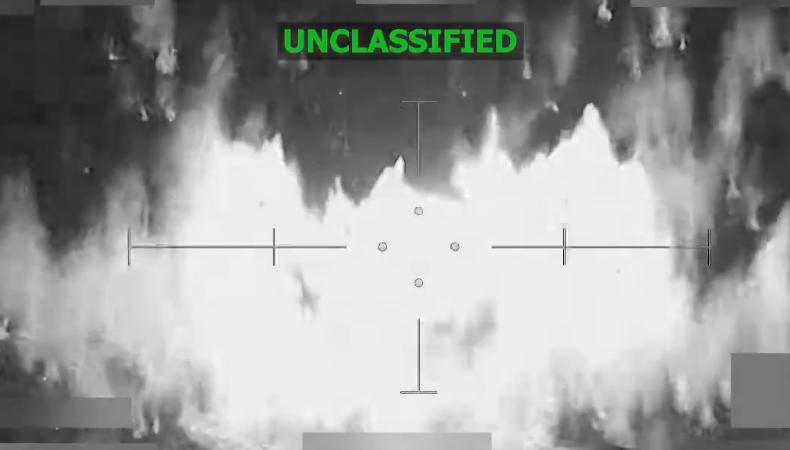
On Sept. 2 the Trump administration targeted what it claimed was a Venezuelan “narco vessel” in the Caribbean.
After the first missile failed to kill everyone aboard, it later emerged that a second strike was ordered to kill the remaining two survivors.
Admiral Frank “Mitch” Bradley, a respected Navy SEAL officer who leads U.S. Special Operations Command, showed House and Senate members on the Armed Services and Intelligence Committees footage of the lethal strikes and answered questions in a closed-door session on Dec. 4.
Democratic Rep. Jim Himes, a ranking member of the House Intelligence Committee, told reporters the footage was “one of the most troubling things I’ve seen in my time in public service.”
Despite mounting pressure, Hegseth said unedited footage of the Sept. 2 strikes would not be released.
Alex Woodward contributed reporting
What to know about Epstein files release as the deadline approaches
Asian shares advance after weaker US price data push Wall Street higher, and a rate hike in Japan
What to know about the possible impact of Japan's rate hike
Coast Guard drops references to swastikas and nooses being 'potentially divisive'
Trump gives federal workers two new holidays around Christmas
Newsom trolls Trump after president’s eyes seen drooping during afternoon event